Gießen
Water regularly, keeping the soil consistently moist but not waterlogged. Reduce watering as the foliage begins to yellow and die back in late summer or early autumn.
Ensure good drainage to prevent bulb rot, especially after flowering.
Auch bekannt als Acidanthera · Peacock Flower
Gladiolus murielae, auch bekannt als Acidanthera, ist eine Zwiebelpflanze mit duftenden, sternförmigen Blüten, die im Spätsommer und Herbst erscheinen. Sie ist eine beliebte Zierpflanze für Gärten und Schnittblumen.
Licht, Wasser, Boden und Wachstumsbedingungen auf einen Blick
Full Sun
75% Intensität
Requires at least 6-8 hours of direct sunlight daily for best flowering.
Moderate
50% Intensität
Keep soil consistently moist during active growth; reduce as foliage dies back.
Well-drained, fertile soil
50% Intensität
15-25°C
50% Intensität
Ideal growth between 15-24°C. Protect from frost; lift bulbs in colder climates.
Outdoor
50% Intensität
Moderate
50% Intensität
Feed monthly with balanced liquid fertilizer during the growing season.
Sicherheitshinweise auf Grundlage von Pflanzentoxizitätsdaten
| Merkmal | Wert |
|---|---|
| Giftig für Menschen | Nein 0/5 Giftigkeitsgrad |
| Giftig für Haustiere | Nein 0/5 Giftigkeitsgrad |
| Essbar | Nein |
Wichtige Merkmale und Wachstumsdaten aus den Pflanzendaten
Hinweise zu Gießen, Rückschnitt, Vermehrung und Umtopfen aus den Pflanzendaten
Water regularly, keeping the soil consistently moist but not waterlogged. Reduce watering as the foliage begins to yellow and die back in late summer or early autumn.
Ensure good drainage to prevent bulb rot, especially after flowering.
Deadhead spent flowers regularly to encourage further blooms and prevent seed formation. After the plant has finished flowering and the foliage has yellowed and died back naturally, remove the dead leaves and stems.
This helps the plant conserve energy for the next season.
Gladiolus murielae is typically propagated from corms. Plant corms in spring about 10-15 cm deep in well-draining soil.
Corms will multiply over time, and offsets can be carefully separated and replanted during their dormant period (late autumn or early spring).
Gladiolus murielae are often grown as annuals or lifted annually for winter storage in colder climates. If growing in pots, repot every 2-3 years after the foliage has died back.
Use fresh, well-draining potting mix and plant the corms at the appropriate depth.
Ähnliche Pflanzen mit ePlant AI bestimmen
Fotografiere eine Pflanze, erhalte Pflegetipps und finde unterwegs ähnliche Arten.
Monatliche Aktivitätsintensität von Blüte und Fruchtbildung auf Nord- und Südhalbkugel.
Kalender für Blüte und Fruchtbildung
Kalender für Blüte und Fruchtbildung
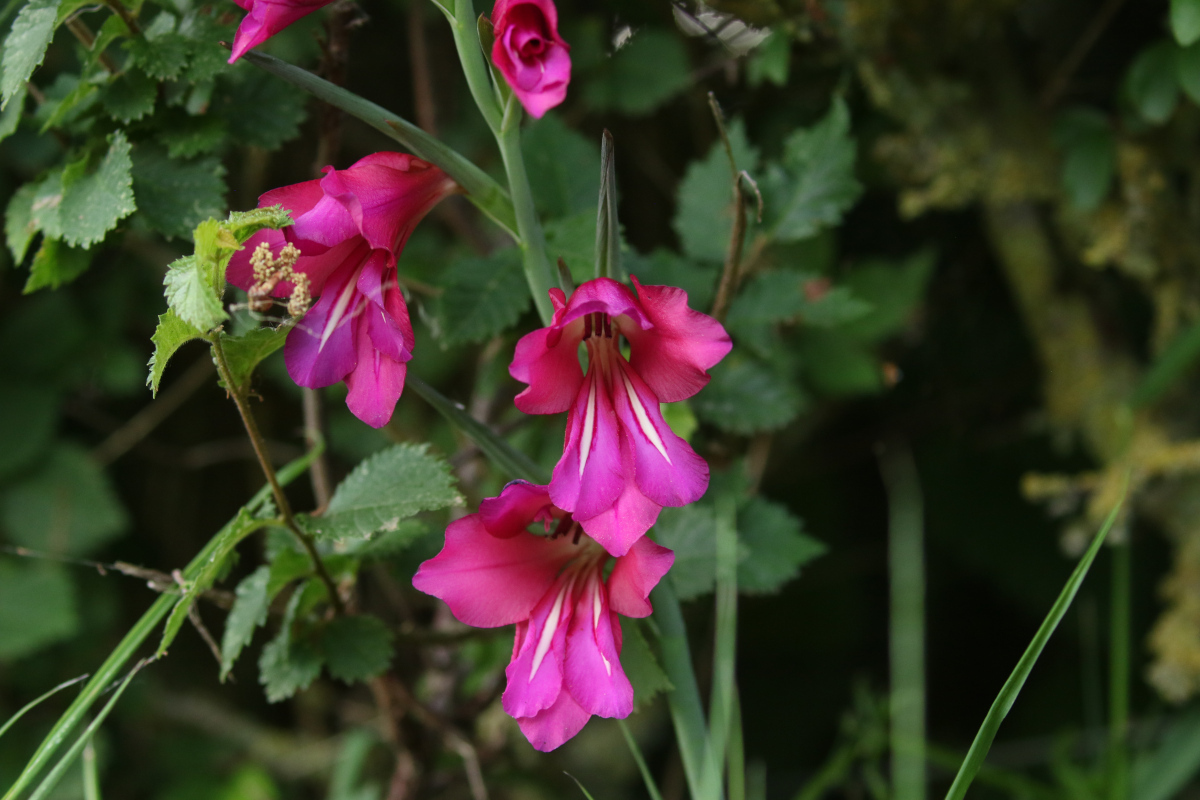
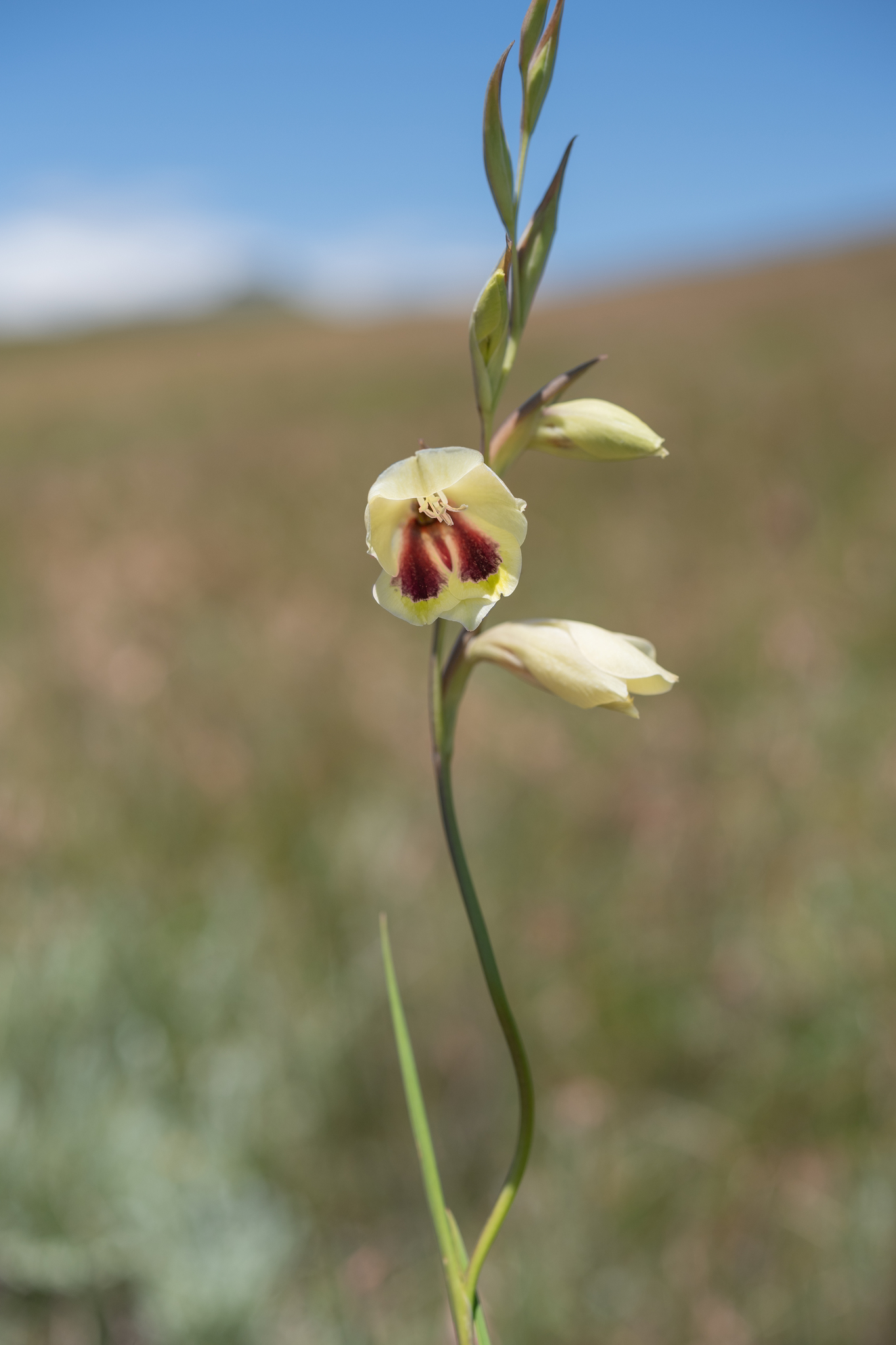
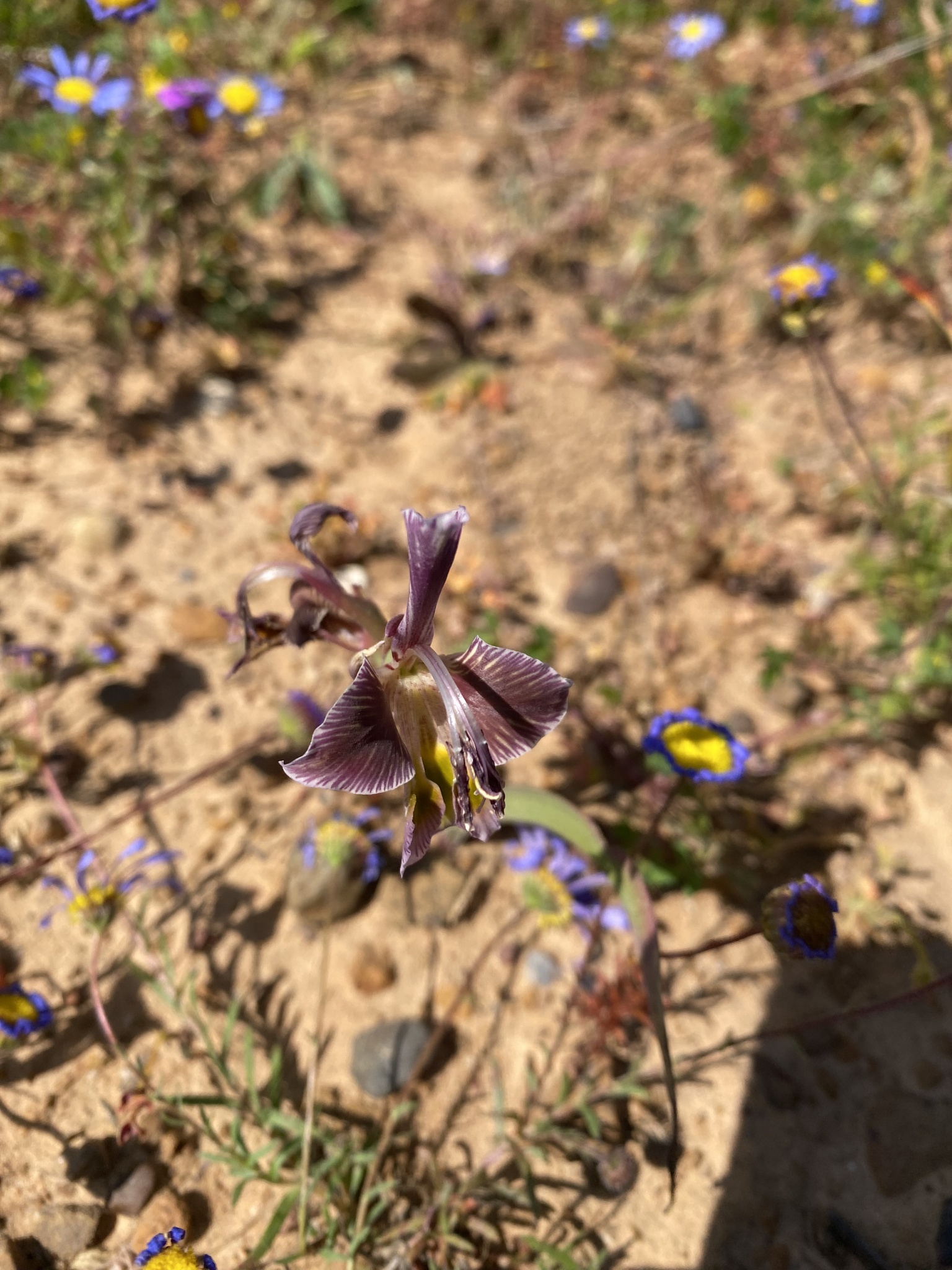
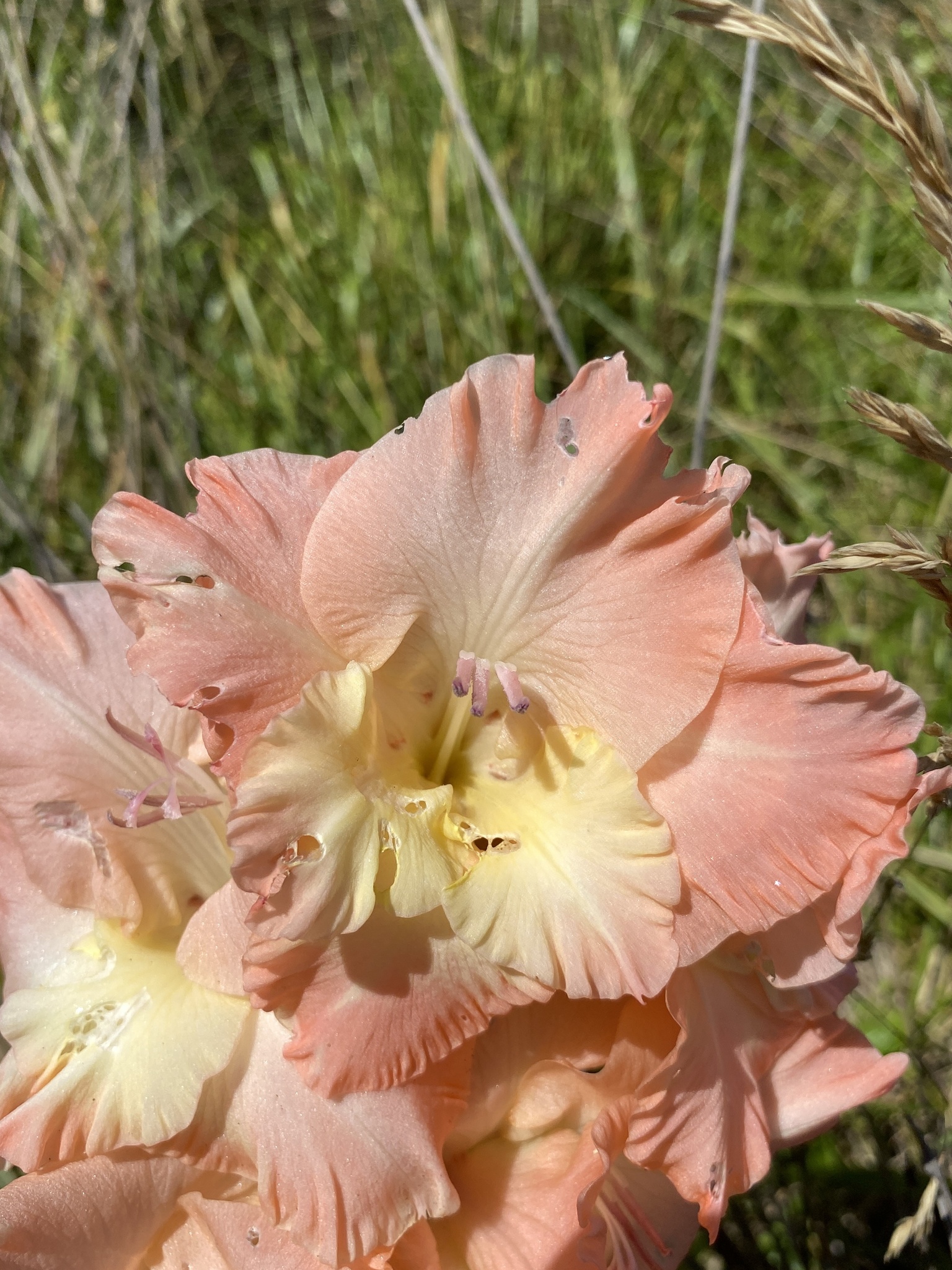
Fotos von Abyssinian Gladiolus (Gladiolus murielae)
Wo Abyssinian Gladiolus (Gladiolus murielae) vorkommt

Density
Karte tippen zum Erkunden
Gebräuchliche Namen und botanische Synonyme
Botanische Klassifikation
| Rang | Name |
|---|---|
| Reich | Plantae |
| Abteilung | Tracheophyta |
| Klasse | Liliopsida |
| Ordnung | Asparagales |
| Familie | Iridaceae |
| Gattung | Gladiolus |
| Art | Gladiolus murielae |
Ähnliche Arten der Gattung Gladiolus
Antworten auf Grundlage der Daten im Pflanzenlexikon