Gießen
Keep the soil consistently moist, especially during warmer months and active growth. Water thoroughly when the top inch of soil feels dry. Avoid waterlogging, which can lead to root rot.
Reduce watering frequency in the dormant period.
Auch bekannt als Aconite-Leaved Buttercup · Aconite-Leaved Ranunculus · Bachelor's Buttons
Sicherheitshinweis: Diese Pflanze kann für Menschen und Haustiere giftig sein. Details zur Giftigkeit ansehen.
Ranunculus aconitifolius, der Eisenhutblättrige Hahnenfuß, ist eine heimische Staude mit gefingerten Blättern und weißen, schalenförmigen Blüten. Sie wächst bevorzugt auf feuchten Bergwiesen und in Schluchten.
Licht, Wasser, Boden und Wachstumsbedingungen auf einen Blick
Partial Shade
50% Intensität
Prefers dappled shade or morning sun with afternoon shade, especially in hotter climates. Full sun can scorch the leaves.
Consistent Moisture
50% Intensität
Maintain evenly moist soil, allowing the top layer to dry slightly between waterings. Ensure good drainage to prevent root rot.
Moist, well-drained
50% Intensität
15-25°C
50% Intensität
Thrives in cooler temperatures, ideally between 15-20°C. Protect from extreme heat and frost.
Light Feeding
25% Intensität
Apply a balanced liquid fertilizer diluted by half in spring. Avoid over-fertilizing, which can reduce flowering.
Sicherheitshinweise auf Grundlage von Pflanzentoxizitätsdaten
| Merkmal | Wert |
|---|---|
| Giftig für Menschen | Ja 3/5 Giftigkeitsgrad |
| Giftig für Haustiere | Ja 3/5 Giftigkeitsgrad |
| Essbar | Nein |
Contains ranunculin, which can cause gastrointestinal upset and skin irritation.
Wichtige Merkmale und Wachstumsdaten aus den Pflanzendaten
Hinweise zu Gießen, Rückschnitt, Vermehrung und Umtopfen aus den Pflanzendaten
Keep the soil consistently moist, especially during warmer months and active growth. Water thoroughly when the top inch of soil feels dry. Avoid waterlogging, which can lead to root rot.
Reduce watering frequency in the dormant period.
Deadhead spent flowers to encourage further blooming and prevent seed formation. After flowering, trim back the foliage to tidy the plant and allow for better air circulation.
Cut back to the ground in late fall after foliage dies back naturally.
Divide established clumps in early spring or fall. Carefully separate the root ball into sections, ensuring each piece has healthy roots and at least one bud. Replant immediately into well-draining soil and water gently.
Repot container-grown plants every 2-3 years in early spring or fall. Choose a pot slightly larger than the current one with fresh, well-draining potting mix.
Ensure the crown of the plant is at or slightly above soil level.
Ähnliche Pflanzen mit ePlant AI bestimmen
Fotografiere eine Pflanze, erhalte Pflegetipps und finde unterwegs ähnliche Arten.
Monatliche Aktivitätsintensität von Blüte und Fruchtbildung auf Nord- und Südhalbkugel.
Kalender für Blüte und Fruchtbildung
Kalender für Blüte und Fruchtbildung
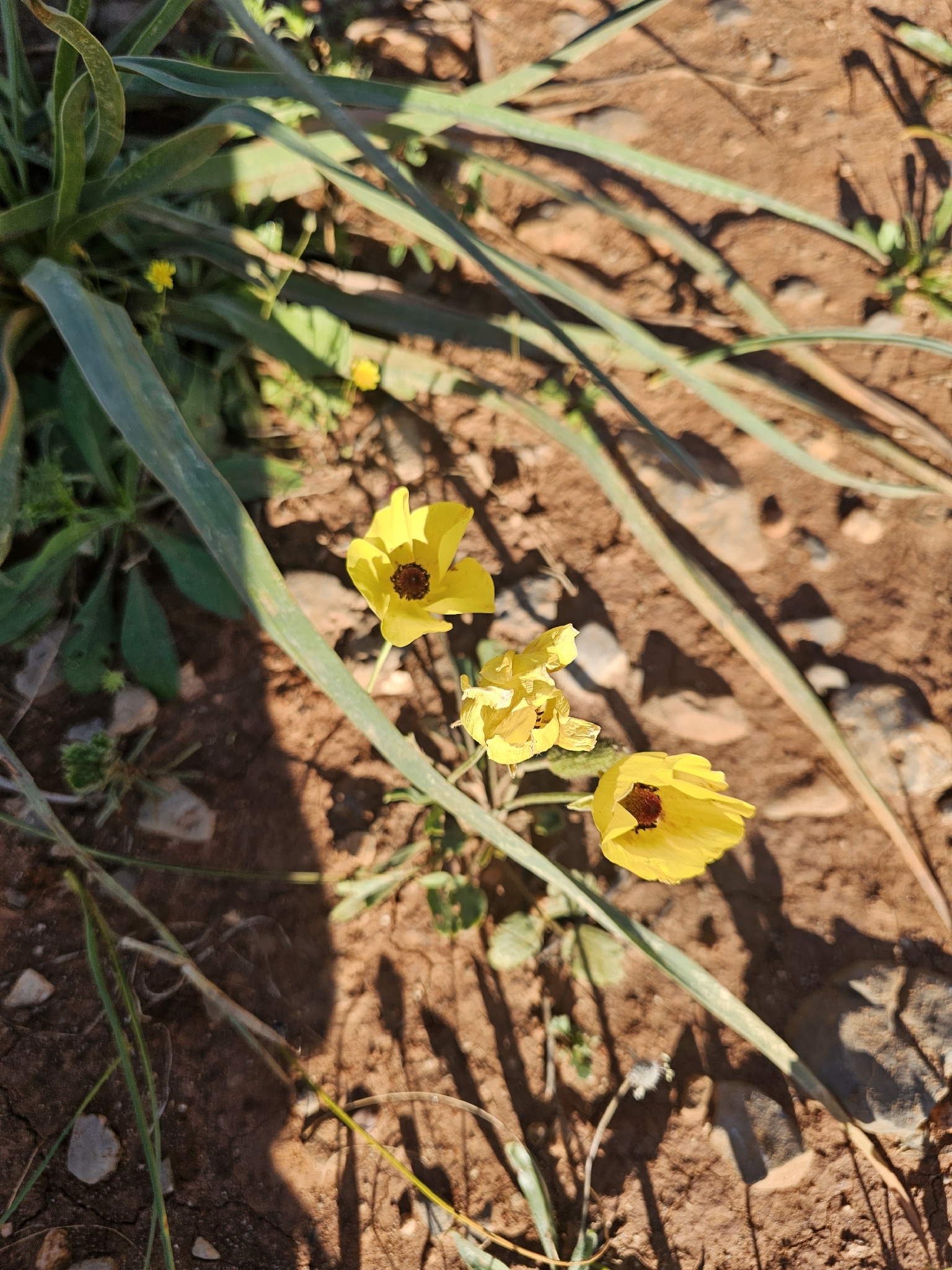
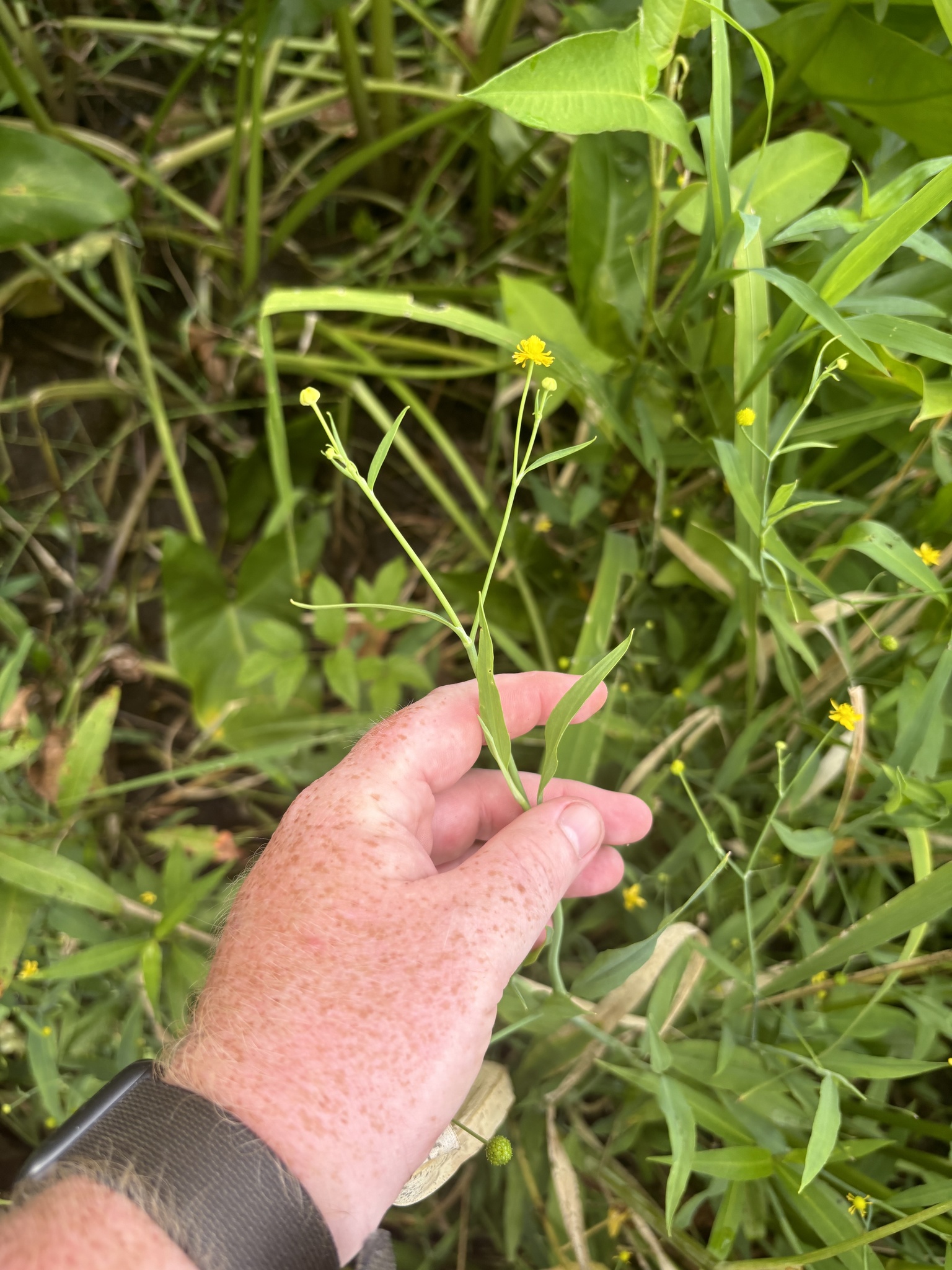
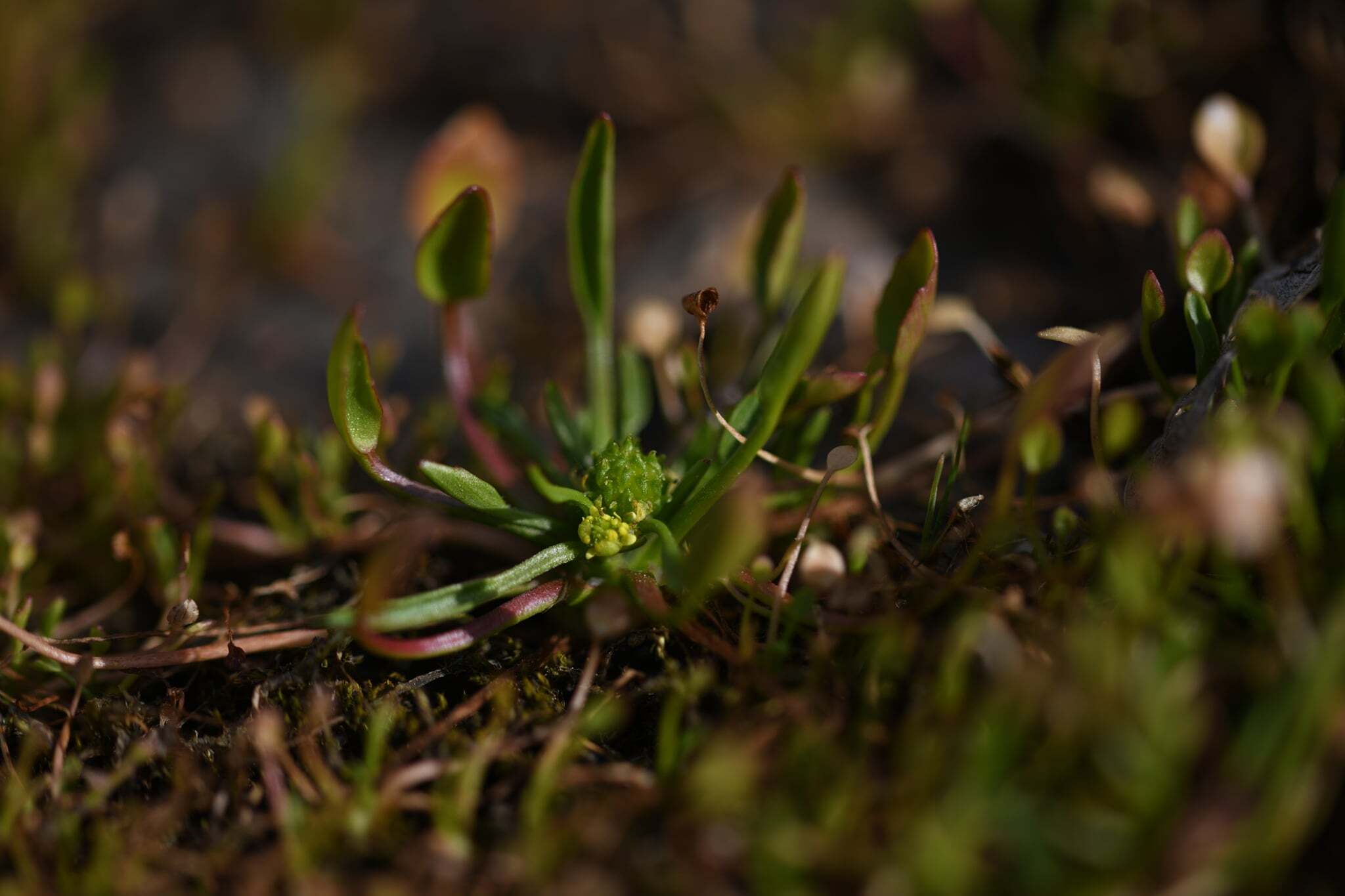
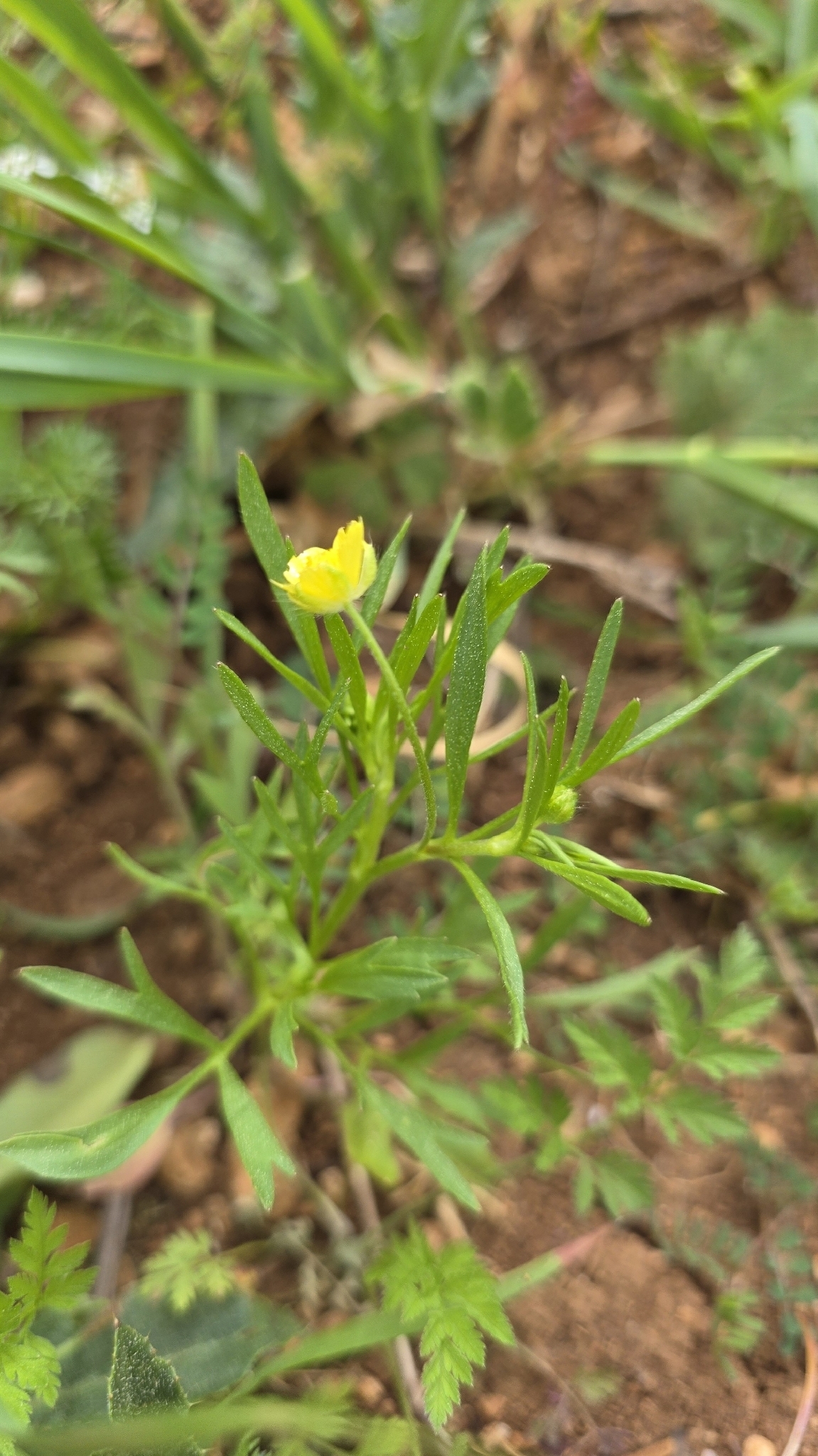
Fotos von Aconite-Leaf Buttercup (Ranunculus aconitifolius)
Gebräuchliche Namen und botanische Synonyme
Botanische Klassifikation
| Rang | Name |
|---|---|
| Reich | Plantae |
| Abteilung | Tracheophyta |
| Klasse | Magnoliopsida |
| Ordnung | Ranunculales |
| Familie | Ranunculaceae |
| Gattung | Ranunculus |
| Art | Ranunculus aconitifolius |
Ähnliche Arten der Gattung Ranunculus
Antworten auf Grundlage der Daten im Pflanzenlexikon