Gießen
Water regularly, keeping the soil consistently moist but not waterlogged. Reduce watering during drier periods, especially for mature trees, but avoid allowing the soil to dry out completely.
Ensure good drainage to prevent root rot.
Auch bekannt als Awusa Nut · Owusa-Nut
Plukenetia conophora, auch bekannt als Afrikanische Walnuss, ist ein Baum, der in West- und Zentralafrika heimisch ist und dessen Samen essbar sind. Die Pflanze wird traditionell für ihre medizinischen Eigenschaften und als Quelle für Speiseöl genutzt.
Licht, Wasser, Boden und Wachstumsbedingungen auf einen Blick
Full Sun
75% Intensität
Prefers full sun for optimal growth and fruit production.
Regular
50% Intensität
Keep soil consistently moist, but avoid waterlogging. Reduce slightly in dry spells.
Well-drained
50% Intensität
20-30°C
75% Intensität
Thrives in warm to hot climates, with frost sensitivity.
Moderate
50% Intensität
Fertilize young trees annually; mature trees benefit from occasional organic enrichment.
Sicherheitshinweise auf Grundlage von Pflanzentoxizitätsdaten
| Merkmal | Wert |
|---|---|
| Giftig für Menschen | Nein 0/5 Giftigkeitsgrad |
| Giftig für Haustiere | Nein 0/5 Giftigkeitsgrad |
| Essbar | Ja |
None
Wichtige Merkmale und Wachstumsdaten aus den Pflanzendaten
Hinweise zu Gießen, Rückschnitt, Vermehrung und Umtopfen aus den Pflanzendaten
Water regularly, keeping the soil consistently moist but not waterlogged. Reduce watering during drier periods, especially for mature trees, but avoid allowing the soil to dry out completely.
Ensure good drainage to prevent root rot.
Prune African-walnut trees to shape them, remove dead or damaged branches, and improve air circulation. This is best done in late winter or early spring before new growth begins.
Focus on maintaining a strong central leader and well-spaced branches.
Propagation is typically done through seeds, which may require stratification. Cuttings can also be taken from semi-hardwood in summer or hardwood in winter, though rooting success can vary.
Grafting is another method for more reliable results.
Young African-walnut trees may require repotting every 2-3 years into a slightly larger container as they outgrow their current one. Use a well-draining potting mix.
Mature trees are generally planted in the ground and do not require repotting.
Ähnliche Pflanzen mit ePlant AI bestimmen
Fotografiere eine Pflanze, erhalte Pflegetipps und finde unterwegs ähnliche Arten.
Monatliche Aktivitätsintensität von Blüte und Fruchtbildung auf Nord- und Südhalbkugel.
Kalender für Blüte und Fruchtbildung
Kalender für Blüte und Fruchtbildung
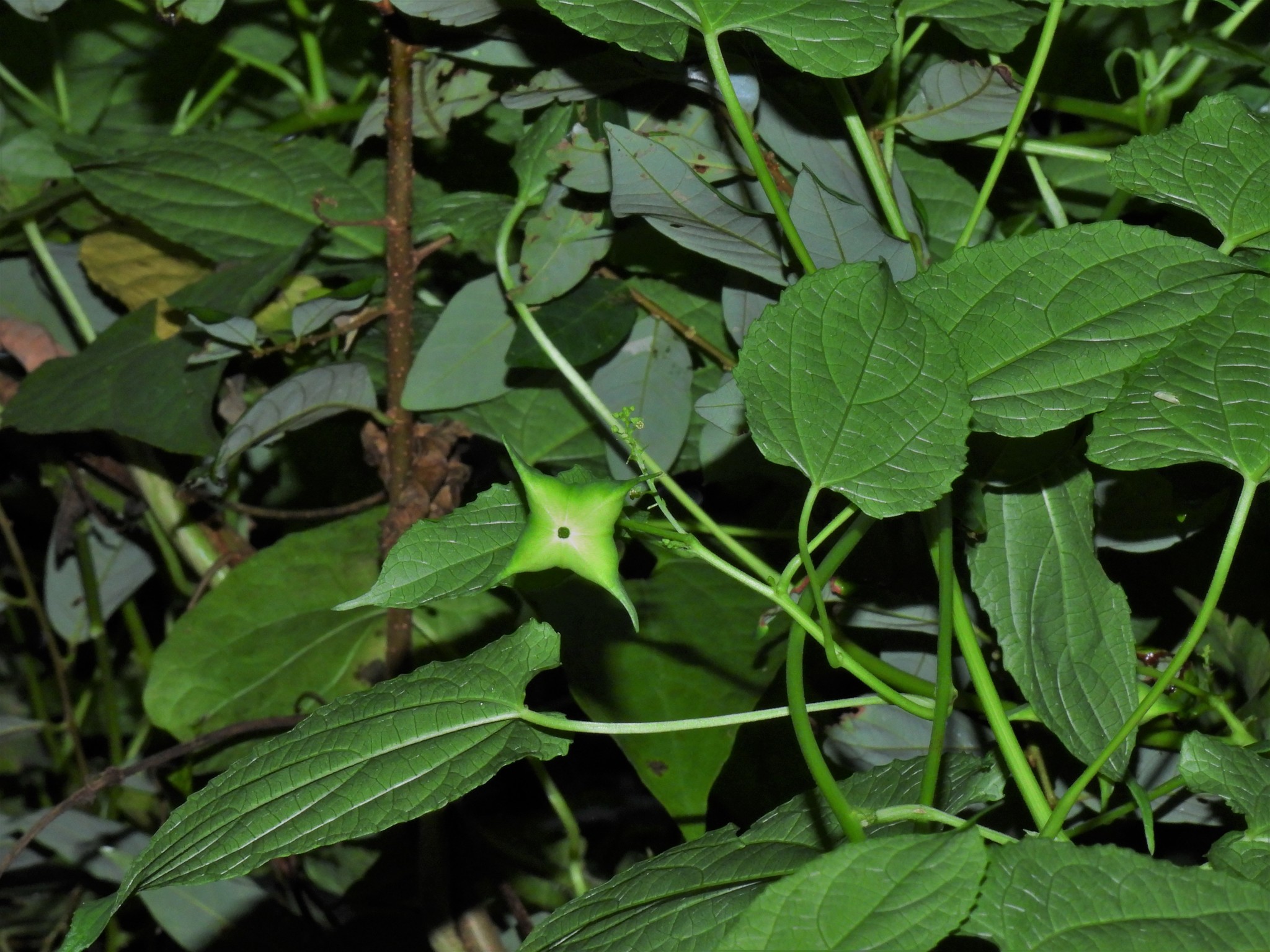
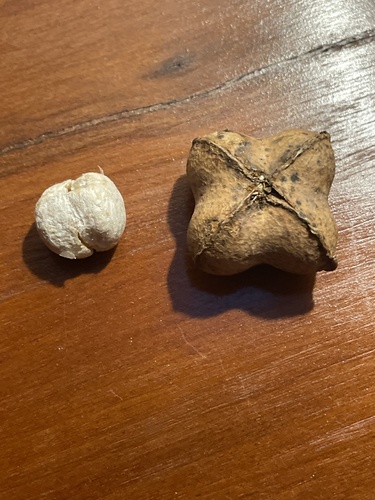
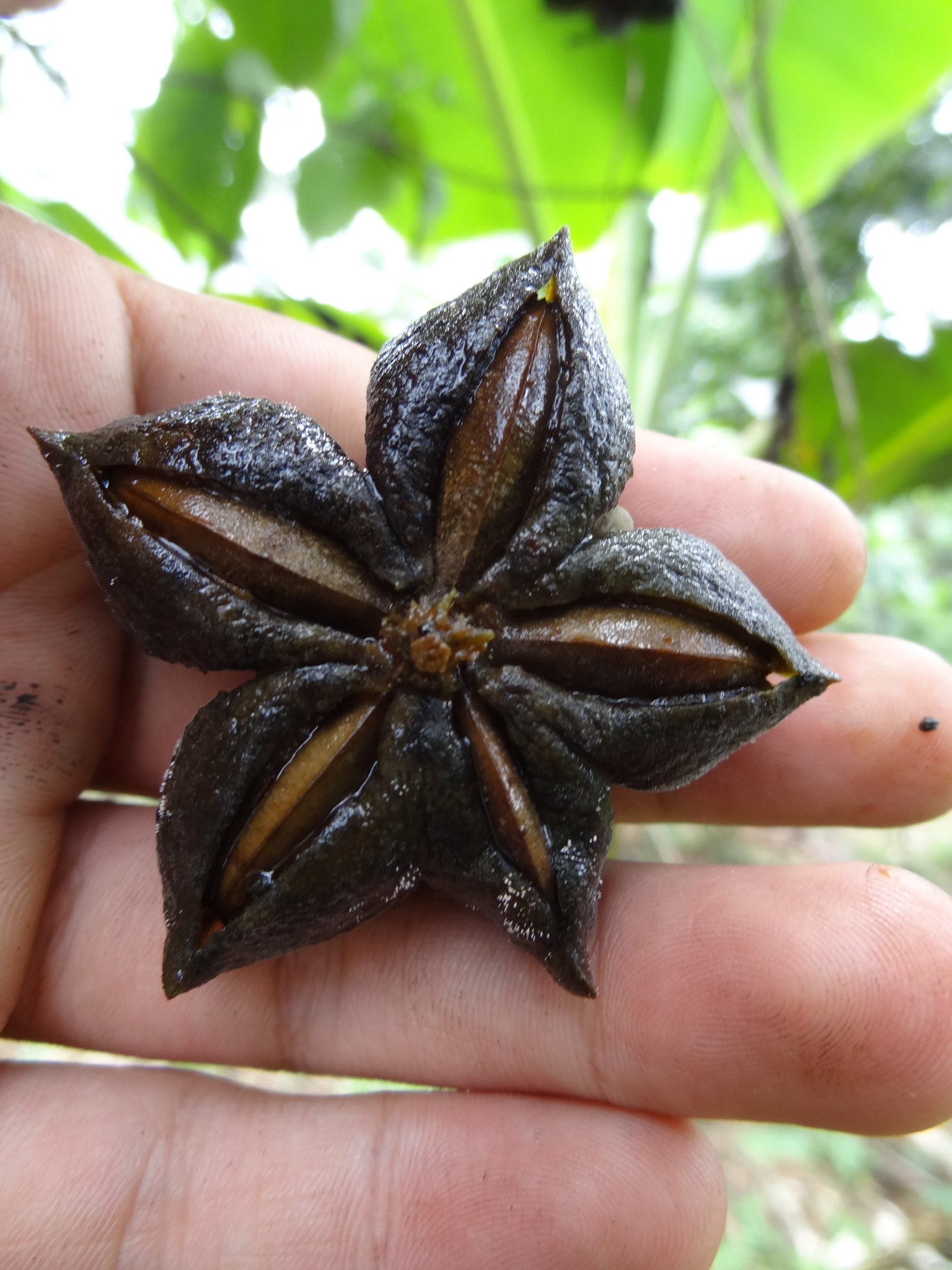
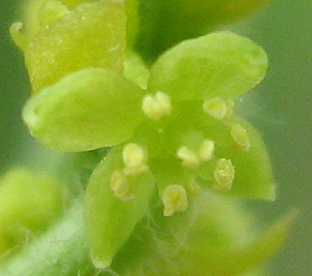
Fotos von African-Walnut (Plukenetia conophora)
Wo African-Walnut (Plukenetia conophora) vorkommt

Density
Karte tippen zum Erkunden
Gebräuchliche Namen und botanische Synonyme
Botanische Klassifikation
| Rang | Name |
|---|---|
| Reich | Plantae |
| Abteilung | Tracheophyta |
| Klasse | Magnoliopsida |
| Ordnung | Malpighiales |
| Familie | Euphorbiaceae |
| Gattung | Plukenetia |
| Art | Plukenetia conophora |
Ähnliche Arten der Gattung Plukenetia
Antworten auf Grundlage der Daten im Pflanzenlexikon