Gießen
Anthuriums prefer consistently moist, but not waterlogged, soil. Water thoroughly when the top 2-3 cm of soil feels dry. Reduce watering slightly in cooler months.
Avoid letting the plant sit in standing water, as this can lead to root rot.
Sicherheitshinweis: Diese Pflanze kann für Menschen und Haustiere giftig sein. Details zur Giftigkeit ansehen.
Anthurium spp. — anbauanleitung, vorteile und pflege für diese Anthurium-Art. Finde Tipps zu Gießen, Licht, Erde und Anbau, damit Anthurium spp. gesund bleibt, plus Bestimmungshinweise und Pflanzenprofil von ePlant AI.
Licht, Wasser, Boden und Wachstumsbedingungen auf einen Blick
Bright, indirect light
75% Intensität
Avoid direct sunlight, which can scorch leaves
Keep soil consistently moist
75% Intensität
Allow top inch of soil to dry before watering
Well-draining, peat-based potting mix.
50% Intensität
18-27
75% Intensität
Ideal range is 18-24°C, avoid drafts
Feed during growing season
50% Intensität
Use diluted balanced liquid fertilizer
Sicherheitshinweise auf Grundlage von Pflanzentoxizitätsdaten
| Merkmal | Wert |
|---|---|
| Giftig für Menschen | Ja 4/5 Giftigkeitsgrad |
| Giftig für Haustiere | Ja 4/5 Giftigkeitsgrad |
| Essbar | Nein |
Contains calcium oxalate crystals, which can cause irritation and swelling if ingested or if sap contacts skin.
Wichtige Merkmale und Wachstumsdaten aus den Pflanzendaten
Hinweise zu Gießen, Rückschnitt, Vermehrung und Umtopfen aus den Pflanzendaten
Anthuriums prefer consistently moist, but not waterlogged, soil. Water thoroughly when the top 2-3 cm of soil feels dry. Reduce watering slightly in cooler months.
Avoid letting the plant sit in standing water, as this can lead to root rot.
Prune away dead or yellowing leaves and spent flower stalks at the base of the plant using clean, sharp scissors or pruners. This encourages new growth and flowering.
Remove any rotting material promptly to prevent disease spread.
Anthuriums can be propagated by division of the root ball during repotting. Carefully separate offsets with roots attached and pot them individually.
Seed propagation is also possible but is a slower and more complex process.
Repot Anthuriums every 1-2 years, or when the plant becomes root-bound. Choose a pot that is only slightly larger than the current one. Use a well-draining potting mix, such as a blend of peat moss, perlite, and bark.
Ähnliche Pflanzen mit ePlant AI bestimmen
Fotografiere eine Pflanze, erhalte Pflegetipps und finde unterwegs ähnliche Arten.
Monatliche Aktivitätsintensität von Blüte und Fruchtbildung auf Nord- und Südhalbkugel.
Kalender für Blüte und Fruchtbildung
Kalender für Blüte und Fruchtbildung
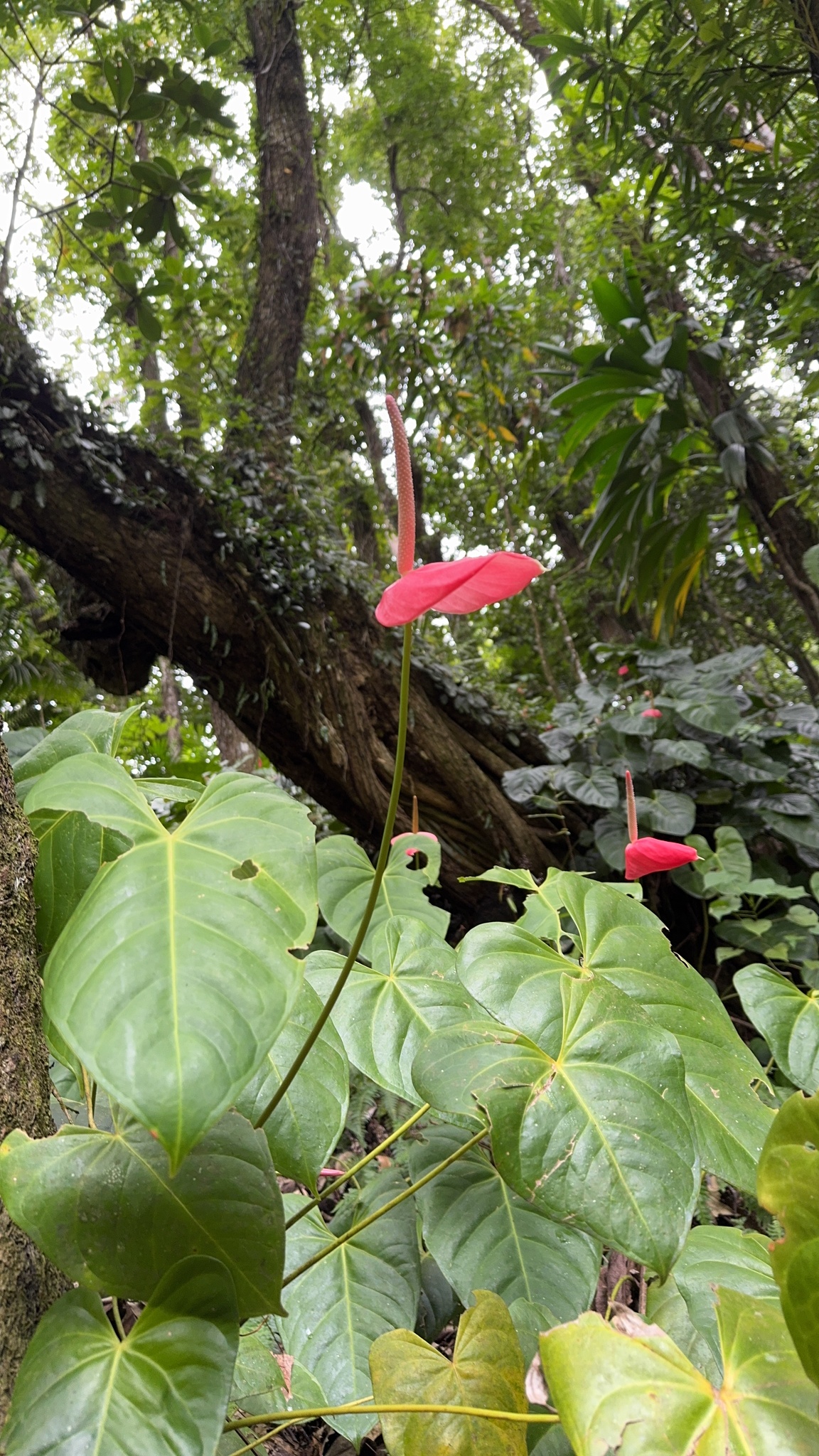
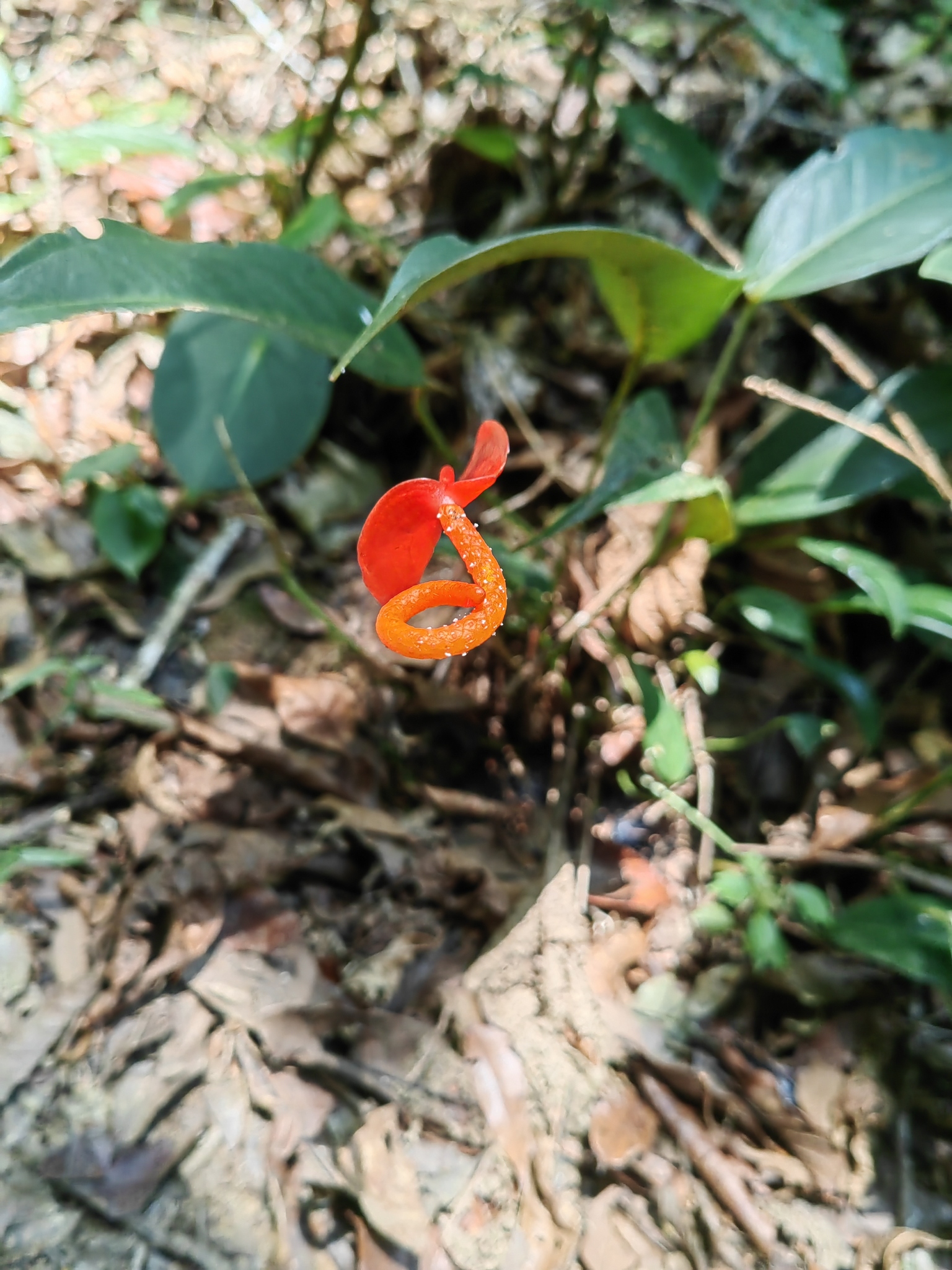
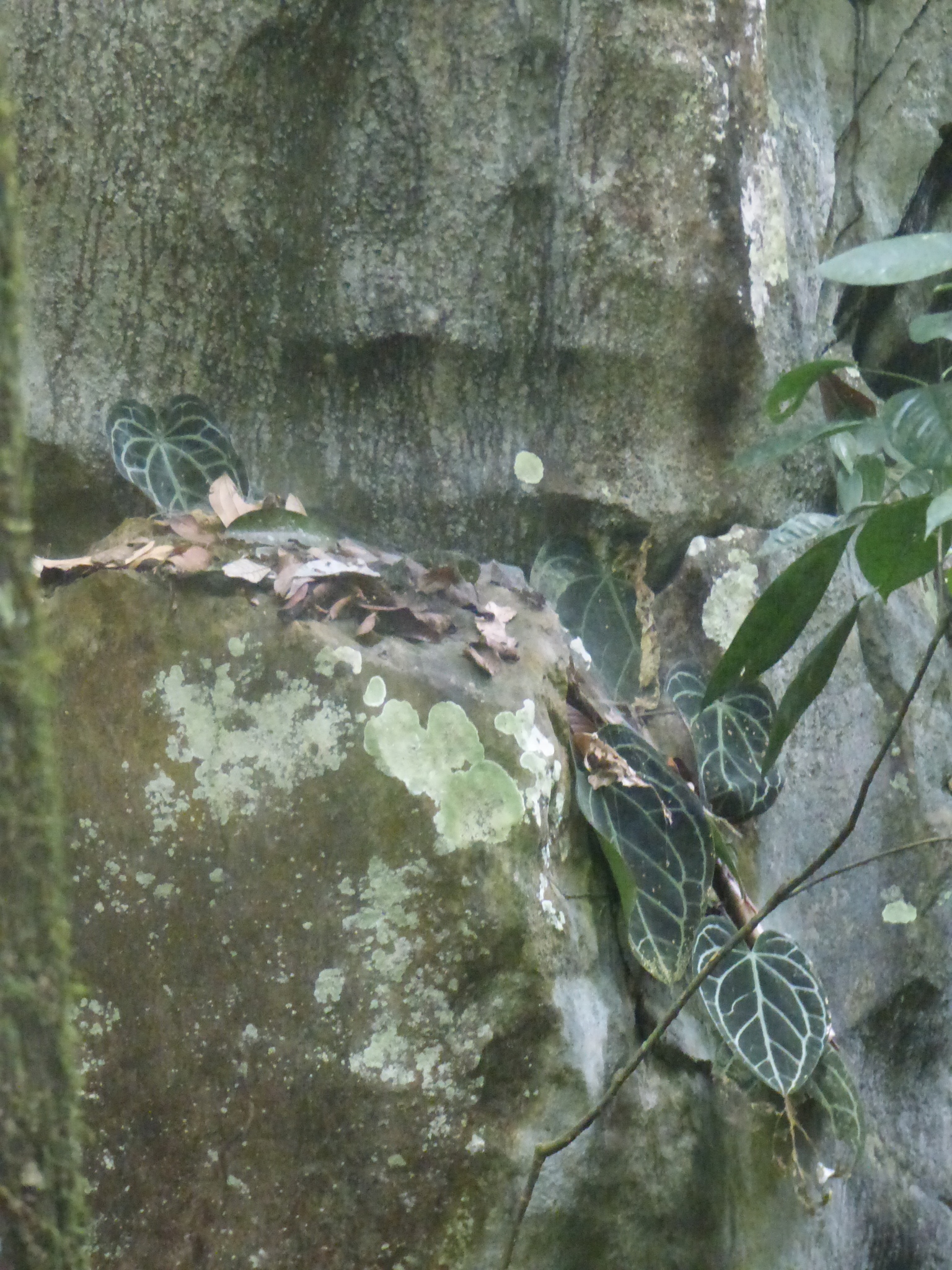
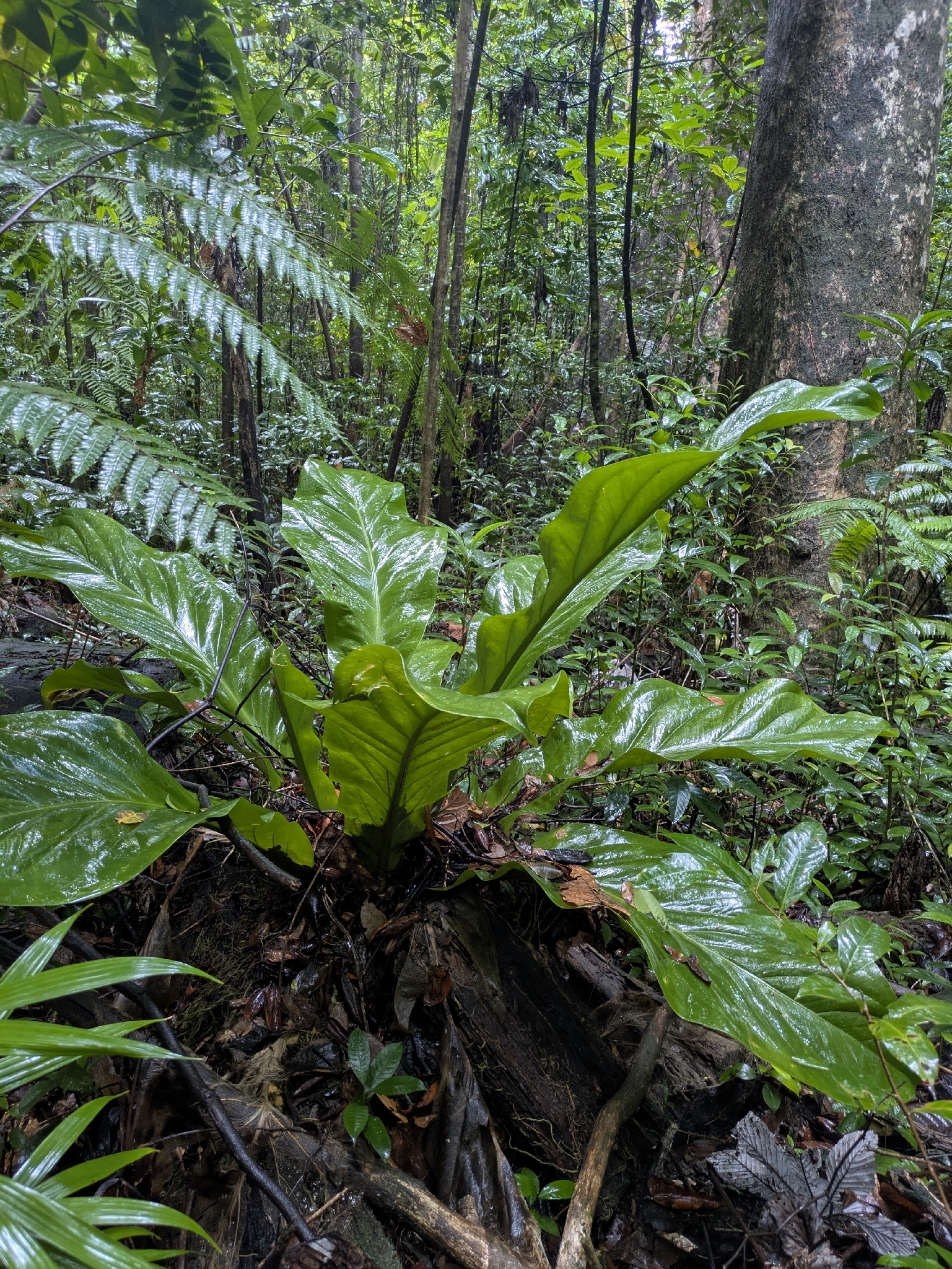
Fotos von Anthurium Spp. (Anthurium spp.)
Botanische Klassifikation
| Rang | Name |
|---|---|
| Familie | Araceae |
| Gattung | Anthurium |
| Art | Anthurium spp. |
Ähnliche Arten der Gattung Anthurium
Antworten auf Grundlage der Daten im Pflanzenlexikon