Gießen
Water deeply when the top 5-10 cm of soil feels dry to the touch. Avoid waterlogging, as this can lead to root rot. Reduce watering during cooler, dormant periods.
Ensure good drainage to prevent excessive moisture retention.
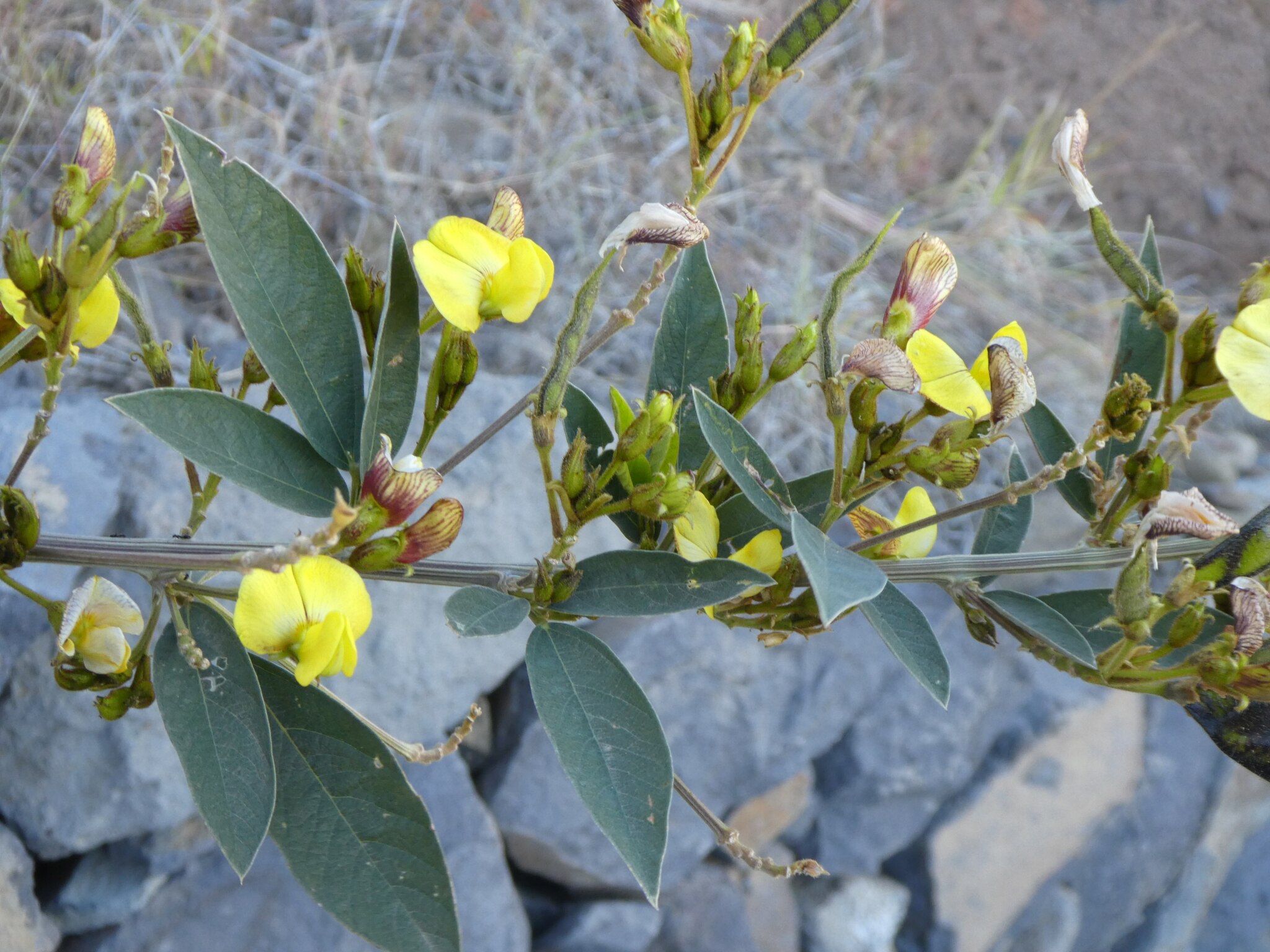
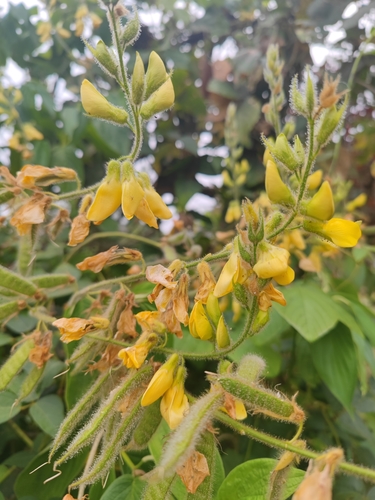
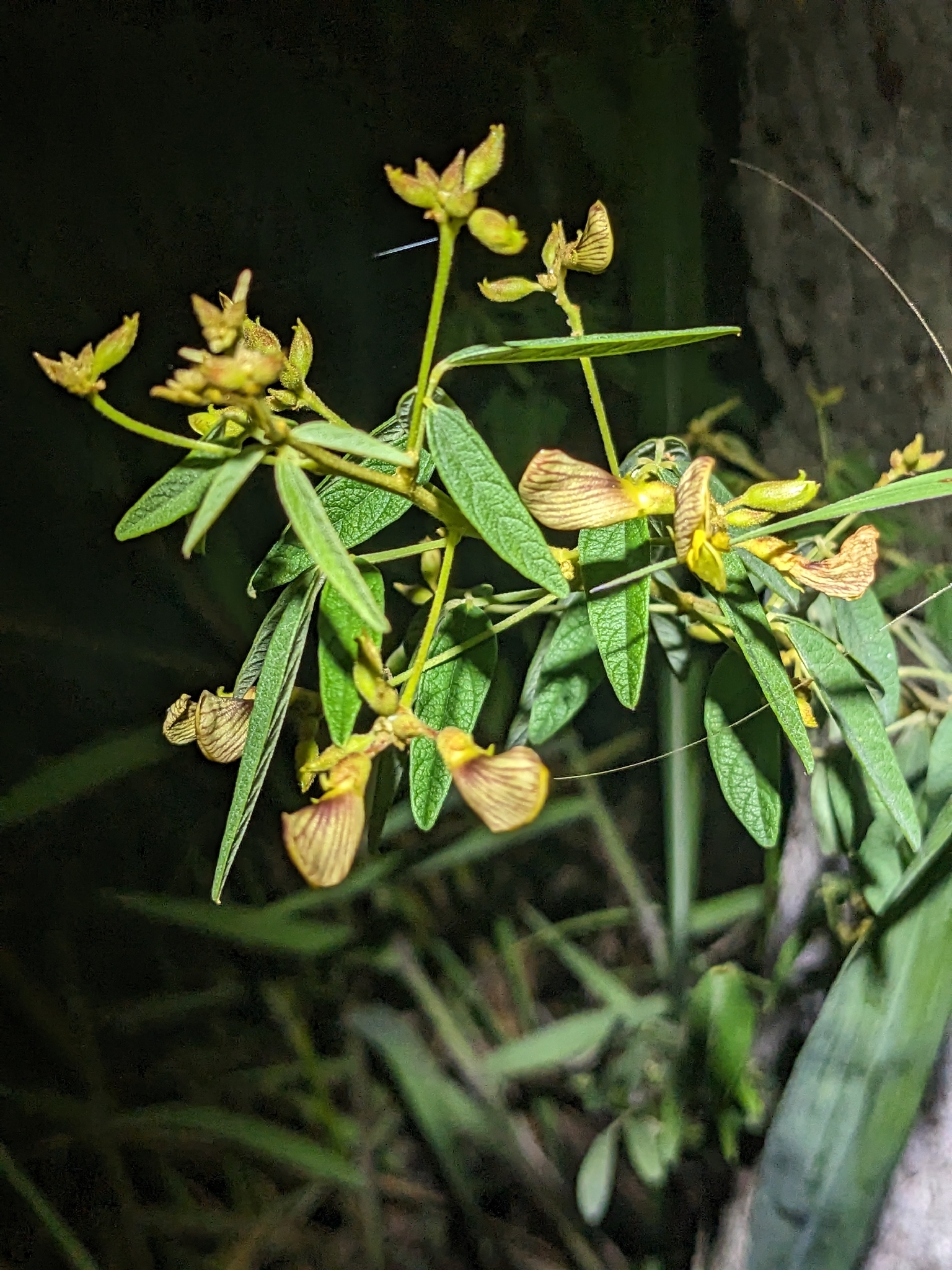
Cajanus marmoratus, der Marmorierte Taubenerbse, ist eine Leguminose mit auffällig gemusterten Samen. Sie ist in Australien heimisch und wird traditionell von indigenen Völkern genutzt.
Licht, Wasser, Boden und Wachstumsbedingungen auf einen Blick
Full Sun
100% Intensität
Requires at least 6-8 hours of direct sunlight daily for optimal growth and flowering.
Moderate
50% Intensität
Allow soil to dry slightly between waterings. Ensure good drainage.
Well-drained
50% Intensität
20 - 30°C
75% Intensität
Prefers warm temperatures, ideally between 20-30°C. Protect from frost.
Outdoor
50% Intensität
Moderate
50% Intensität
Feed with a balanced fertilizer during the growing season.
Sicherheitshinweise auf Grundlage von Pflanzentoxizitätsdaten
| Merkmal | Wert |
|---|---|
| Giftig für Menschen | Nein 0/5 Giftigkeitsgrad |
| Giftig für Haustiere | Nein 0/5 Giftigkeitsgrad |
| Essbar | Ja |
None
Wichtige Merkmale und Wachstumsdaten aus den Pflanzendaten
Hinweise zu Gießen, Rückschnitt, Vermehrung und Umtopfen aus den Pflanzendaten
Water deeply when the top 5-10 cm of soil feels dry to the touch. Avoid waterlogging, as this can lead to root rot. Reduce watering during cooler, dormant periods.
Ensure good drainage to prevent excessive moisture retention.
Prune in late winter or early spring before new growth begins. Remove dead, damaged, or crossing branches to improve air circulation and shape. Pinch back young shoots to encourage bushier growth.
Pruning can also be done after flowering to manage size and encourage further fruiting.
Propagate primarily through seeds, which require scarification or soaking to improve germination. Sow seeds in well-draining soil after the last frost.
Cuttings can also be taken from semi-hardwood in summer, treated with rooting hormone, and planted in a moist medium.
Repot young plants annually or bi-annually in spring as they outgrow their containers. Mature plants are less frequently repotted. Use a slightly larger pot with excellent drainage.
Ensure the new potting mix is well-draining, typically a blend of potting soil, sand, and perlite.
Ähnliche Pflanzen mit ePlant AI bestimmen
Fotografiere eine Pflanze, erhalte Pflegetipps und finde unterwegs ähnliche Arten.
Monatliche Aktivitätsintensität von Blüte und Fruchtbildung auf Nord- und Südhalbkugel.
Kalender für Blüte und Fruchtbildung
Kalender für Blüte und Fruchtbildung
Gebräuchliche Namen und botanische Synonyme
Botanische Klassifikation
| Rang | Name |
|---|---|
| Reich | Plantae |
| Abteilung | Tracheophyta |
| Klasse | Magnoliopsida |
| Ordnung | Fabales |
| Familie | Fabaceae |
| Gattung | Cajanus |
| Art | Cajanus marmoratus |
Ähnliche Arten der Gattung Cajanus
Antworten auf Grundlage der Daten im Pflanzenlexikon