Gießen
Water regularly, especially during dry periods and when the plant is establishing. Aim for consistently moist, but not waterlogged, soil. Reduce watering in winter when the plant is dormant.
Ensure good drainage to prevent root rot.
Malus asiatica, der chinesische Birnenblättrige Apfel, ist ein kleiner Baum mit essbaren Früchten und attraktiven Blüten, der in Ostasien heimisch ist. Er wird wegen seiner Zier- und Nutzpflanzenwerte geschätzt.
Licht, Wasser, Boden und Wachstumsbedingungen auf einen Blick
Full Sun
100% Intensität
Prefers at least 6 hours of direct sunlight daily for best flowering and fruiting.
Moderate
50% Intensität
Keep soil consistently moist, especially during establishment and dry spells. Reduce in winter.
Loam
50% Intensität
15-25°C
25% Intensität
Thrives in temperate climates with distinct seasons. Tolerates winter frost well.
Outdoor
50% Intensität
Moderate
50% Intensität
Feed in early spring with a balanced fertilizer. Mulch with compost annually.
Sicherheitshinweise auf Grundlage von Pflanzentoxizitätsdaten
| Merkmal | Wert |
|---|---|
| Giftig für Menschen | Nein 0/5 Giftigkeitsgrad |
| Giftig für Haustiere | Nein 0/5 Giftigkeitsgrad |
| Essbar | Ja |
Wichtige Merkmale und Wachstumsdaten aus den Pflanzendaten
Hinweise zu Gießen, Rückschnitt, Vermehrung und Umtopfen aus den Pflanzendaten
Water regularly, especially during dry periods and when the plant is establishing. Aim for consistently moist, but not waterlogged, soil. Reduce watering in winter when the plant is dormant.
Ensure good drainage to prevent root rot.
Prune in late winter or early spring before bud break to shape the tree, remove dead or diseased branches, and improve air circulation. Thin out crowded areas to promote fruit production and prevent disease.
Can also be pruned after flowering to maintain shape.
Best propagated by grafting onto suitable rootstock in late winter. Seed propagation is possible but may not result in true-to-type offspring.
Cuttings can be challenging but may be attempted with softwood cuttings in summer.
Young plants may benefit from repotting every 2-3 years in spring to refresh soil and manage root growth. Mature trees are best left in situ, but if transplanting is necessary, do so during dormancy with a large root ball.
Ähnliche Pflanzen mit ePlant AI bestimmen
Fotografiere eine Pflanze, erhalte Pflegetipps und finde unterwegs ähnliche Arten.
Monatliche Aktivitätsintensität von Blüte und Fruchtbildung auf Nord- und Südhalbkugel.
Kalender für Blüte und Fruchtbildung
Kalender für Blüte und Fruchtbildung
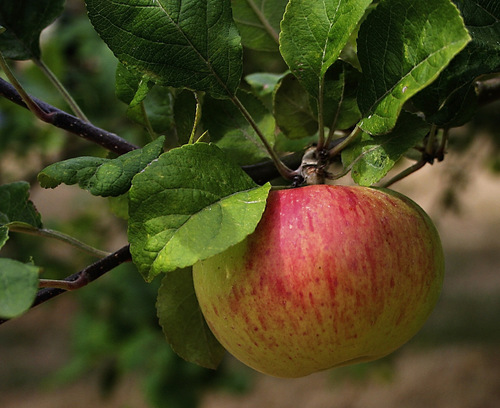
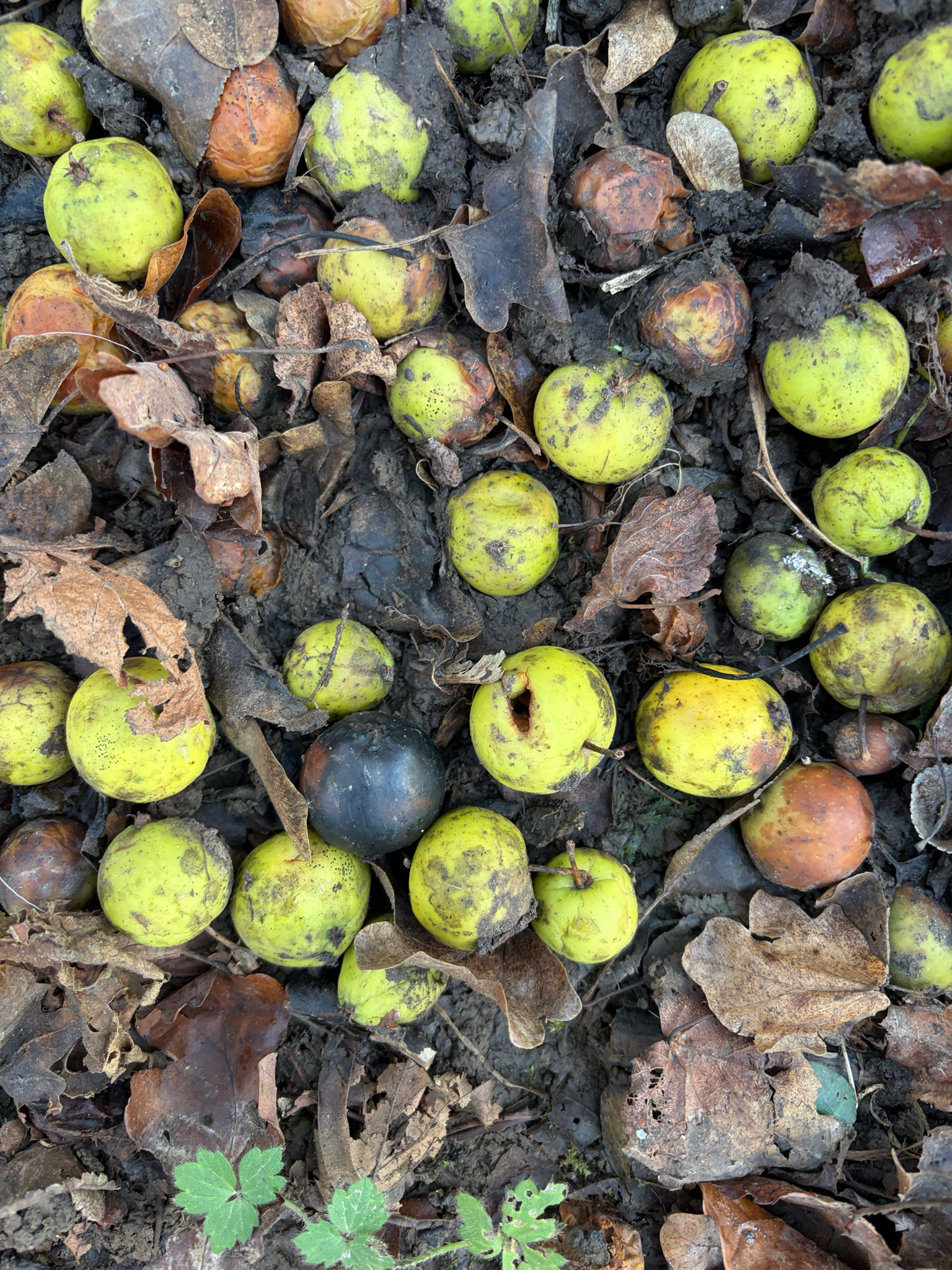
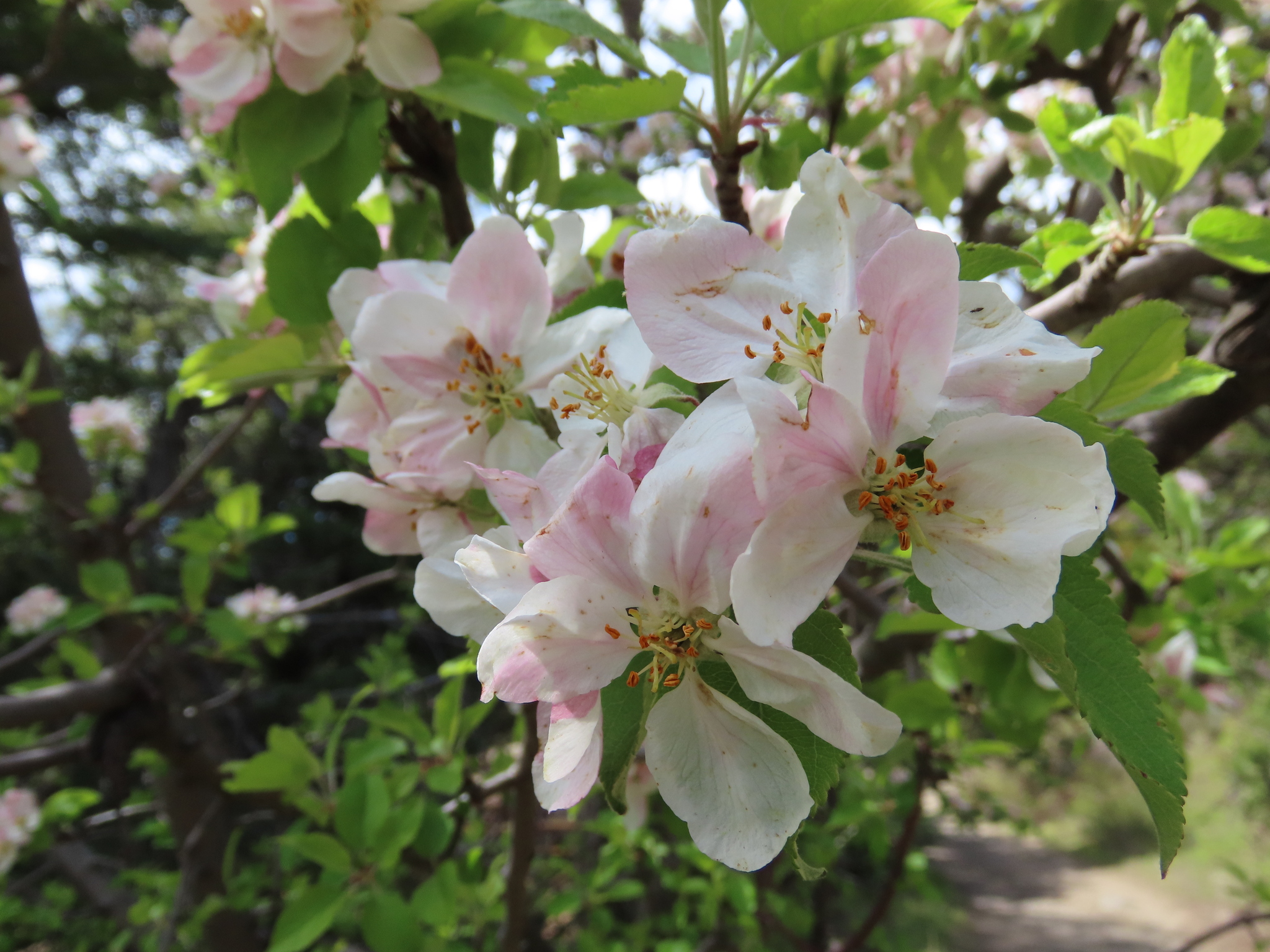
Fotos von Chinese Pearleaf Crabapple (Malus asiatica)
Gebräuchliche Namen und botanische Synonyme
Botanische Klassifikation
| Rang | Name |
|---|---|
| Reich | Plantae |
| Abteilung | Tracheophyta |
| Klasse | Magnoliopsida |
| Ordnung | Rosales |
| Familie | Rosaceae |
| Gattung | Malus |
| Art | Malus asiatica |
Ähnliche Arten der Gattung Malus
Antworten auf Grundlage der Daten im Pflanzenlexikon