Gießen
Water regularly, especially during dry periods, ensuring the soil is consistently moist but not waterlogged. Allow the top few centimeters of soil to dry out slightly between waterings.
Reduce watering in winter when the plant is dormant.
Crataegus microphylla ist ein kleiner, dorniger Strauch oder Baum mit kleinen, tief gelappten Blättern und weißen Blüten, gefolgt von kleinen, roten Früchten. Er ist in Nordamerika heimisch und wird oft als Zierpflanze und für seine essbaren Früchte angebaut.
Licht, Wasser, Boden und Wachstumsbedingungen auf einen Blick
Full Sun to Partial Shade
75% Intensität
Prefers full sun for best flowering and fruiting, but tolerates some shade.
Moderate
50% Intensität
Keep soil consistently moist but avoid waterlogging. Reduce in winter.
Well-drained
50% Intensität
15-25 °C
25% Intensität
Thrives in temperate climates and can withstand significant frost. Protect from extreme heat.
Low
25% Intensität
Fertilize lightly in spring with a balanced fertilizer. Avoid overfeeding.
Sicherheitshinweise auf Grundlage von Pflanzentoxizitätsdaten
| Merkmal | Wert |
|---|---|
| Giftig für Menschen | Nein 0/5 Giftigkeitsgrad |
| Giftig für Haustiere | Nein 0/5 Giftigkeitsgrad |
| Essbar | Ja |
Non-toxic
Wichtige Merkmale und Wachstumsdaten aus den Pflanzendaten
Hinweise zu Gießen, Rückschnitt, Vermehrung und Umtopfen aus den Pflanzendaten
Water regularly, especially during dry periods, ensuring the soil is consistently moist but not waterlogged. Allow the top few centimeters of soil to dry out slightly between waterings.
Reduce watering in winter when the plant is dormant.
Prune in late winter or early spring before new growth begins. Remove dead, damaged, or crossing branches. Lightly shape the plant to maintain its form and encourage flowering.
Avoid heavy pruning, which can reduce fruit production.
Propagate from seed sown in autumn or spring, or take semi-ripe cuttings in summer. Seeds may require a period of cold stratification to germinate.
Cuttings should be treated with rooting hormone and planted in well-draining soil.
Repot young plants every 2-3 years in spring. Established trees generally do not require frequent repotting and are best transplanted when young. Use a well-draining loam-based potting mix.
Ähnliche Pflanzen mit ePlant AI bestimmen
Fotografiere eine Pflanze, erhalte Pflegetipps und finde unterwegs ähnliche Arten.
Monatliche Aktivitätsintensität von Blüte und Fruchtbildung auf Nord- und Südhalbkugel.
Kalender für Blüte und Fruchtbildung
Kalender für Blüte und Fruchtbildung
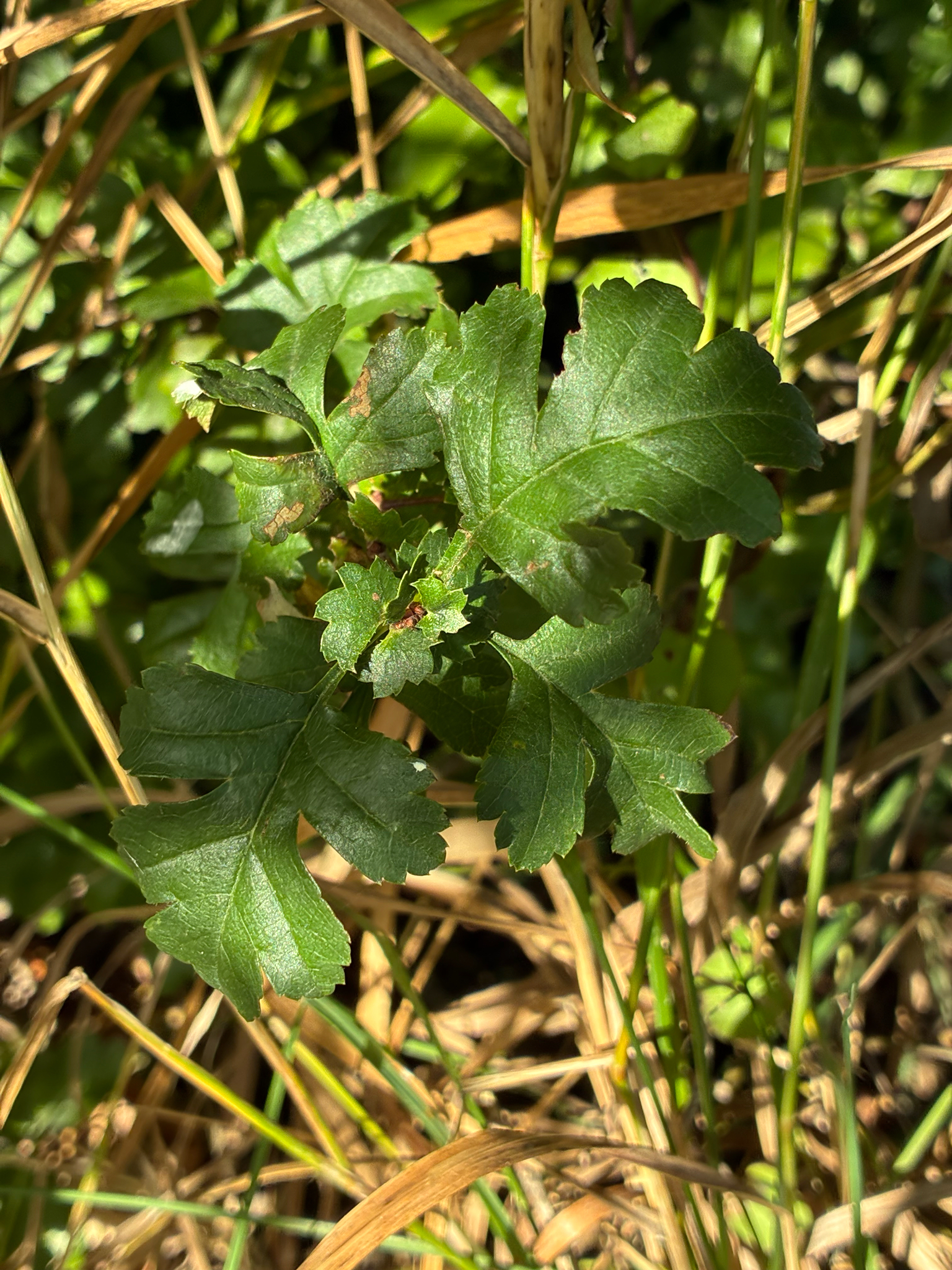
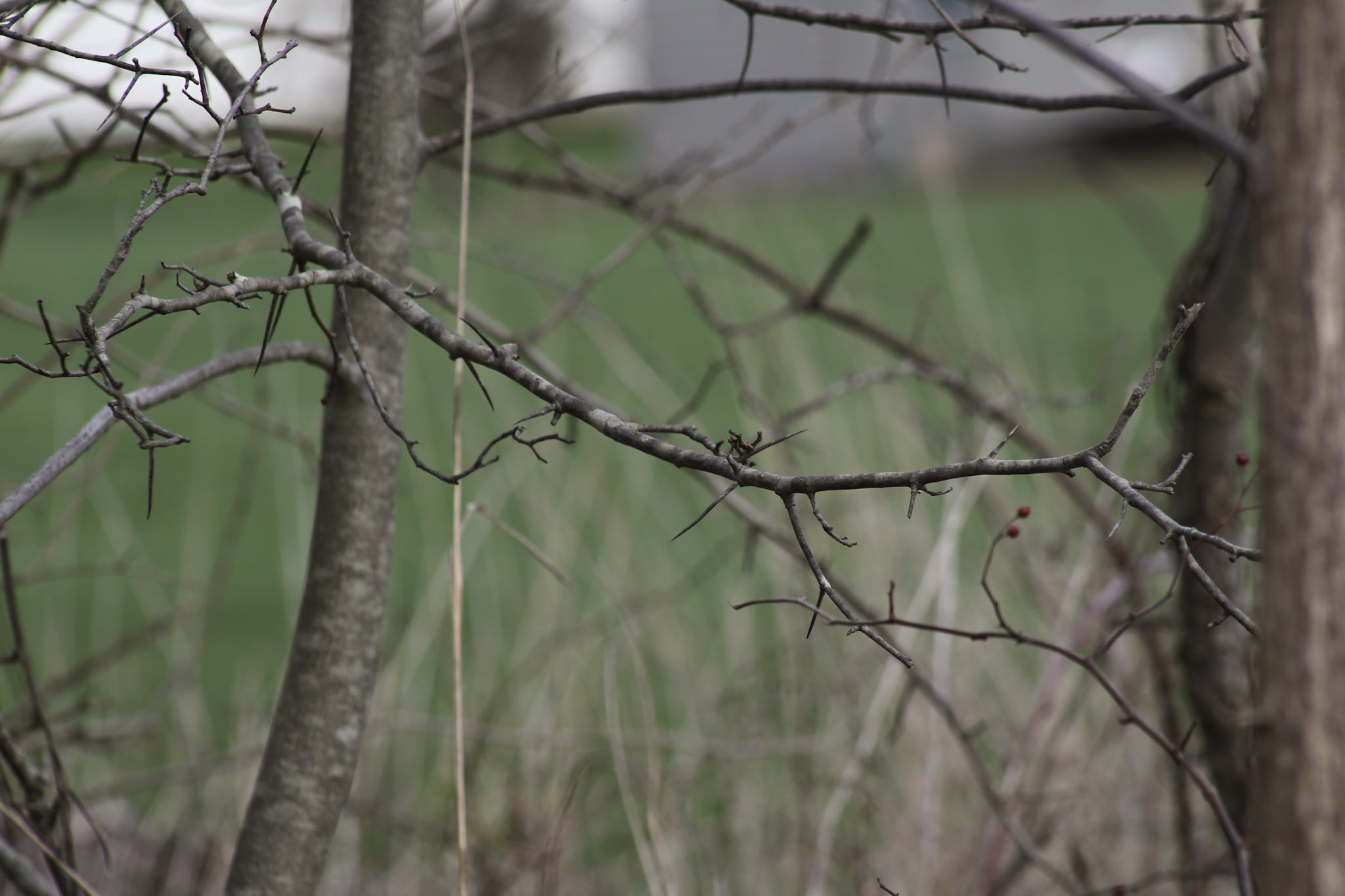
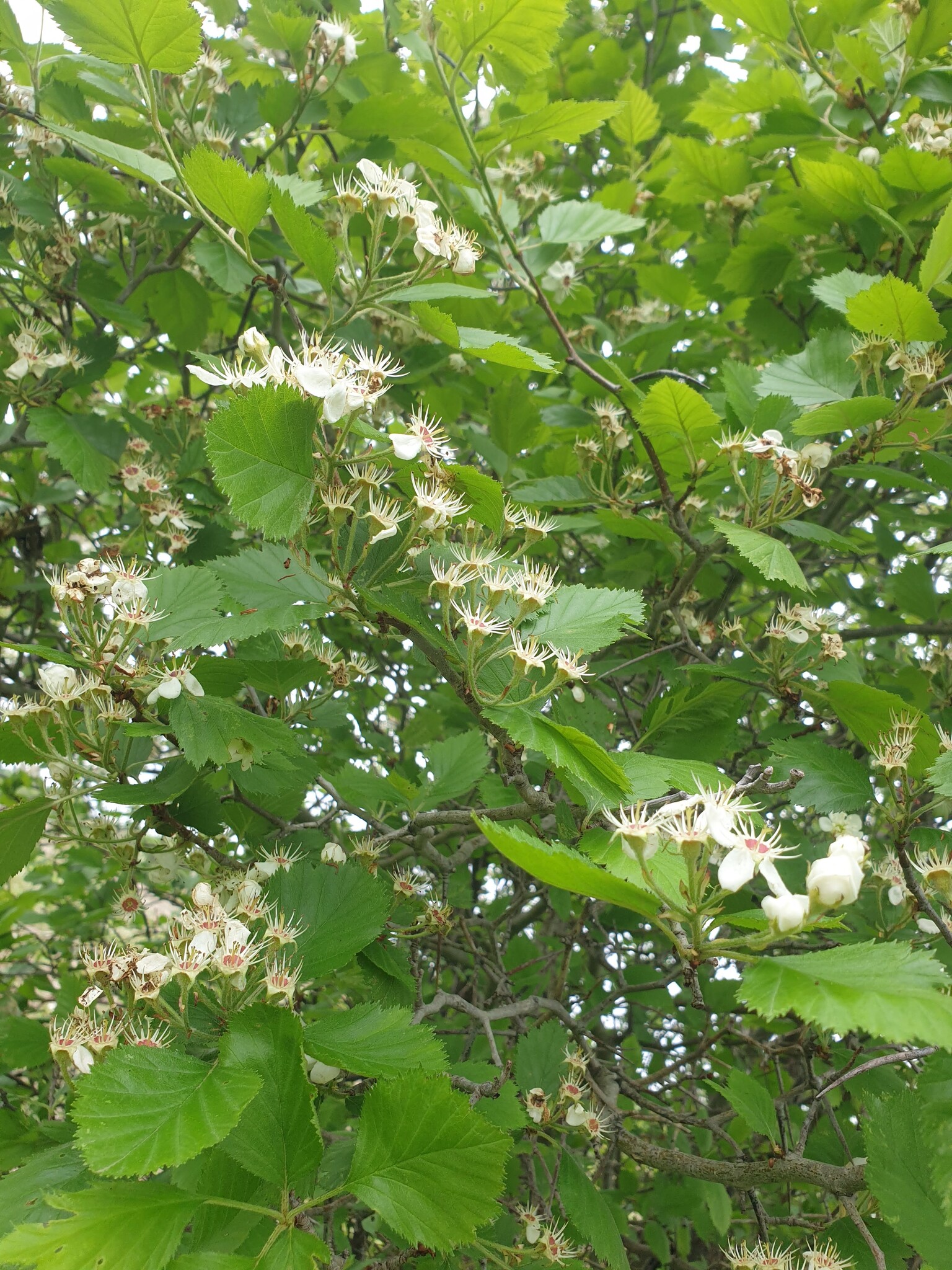
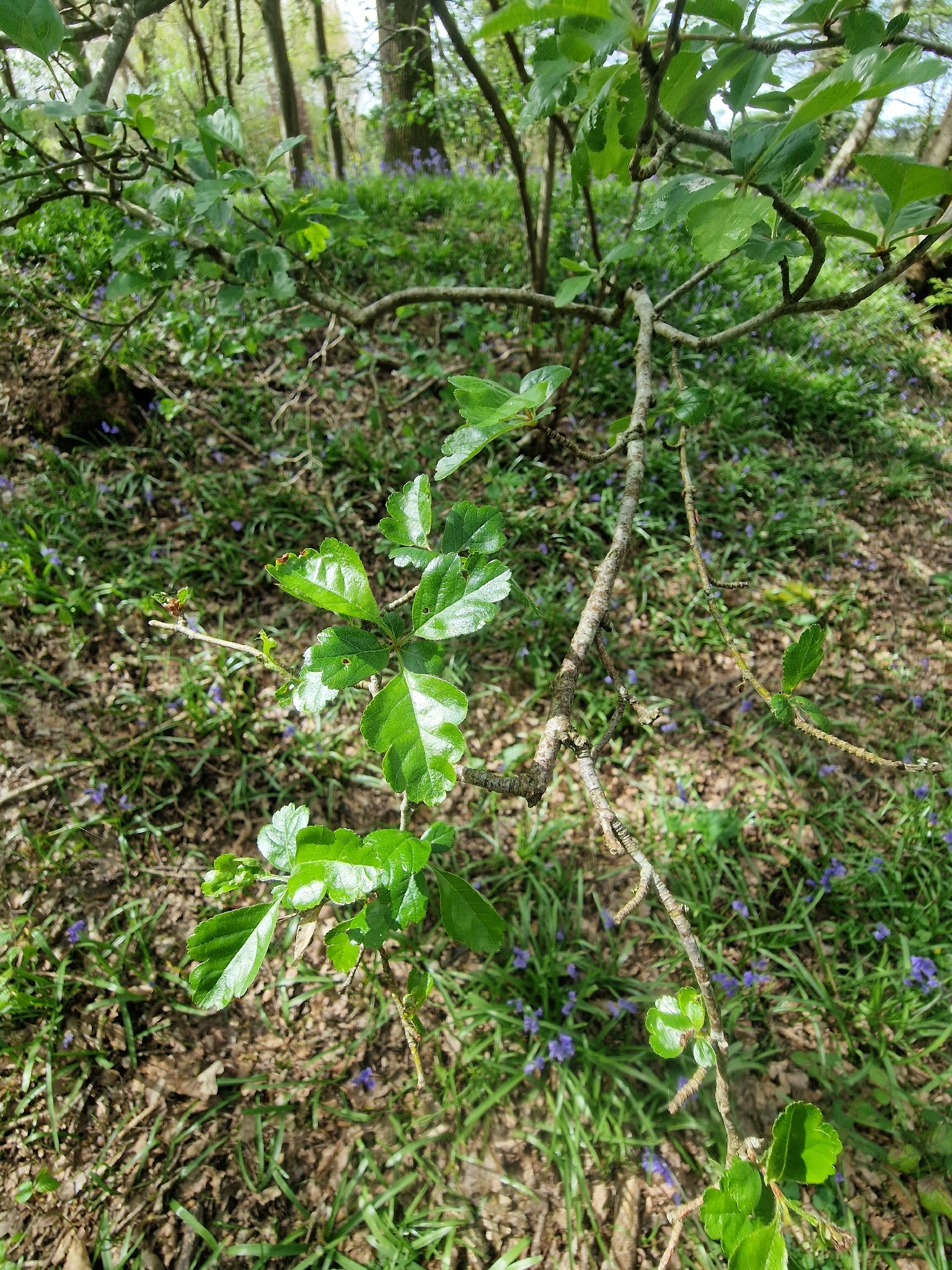
Fotos von Small-Leaved Hawthorn (Crataegus microphylla)
Wo Small-Leaved Hawthorn (Crataegus microphylla) vorkommt

Density
Karte tippen zum Erkunden
Gebräuchliche Namen und botanische Synonyme
Botanische Klassifikation
| Rang | Name |
|---|---|
| Reich | Plantae |
| Abteilung | Tracheophyta |
| Klasse | Magnoliopsida |
| Ordnung | Rosales |
| Familie | Rosaceae |
| Gattung | Crataegus |
| Art | Crataegus microphylla |
Ähnliche Arten der Gattung Crataegus
Antworten auf Grundlage der Daten im Pflanzenlexikon