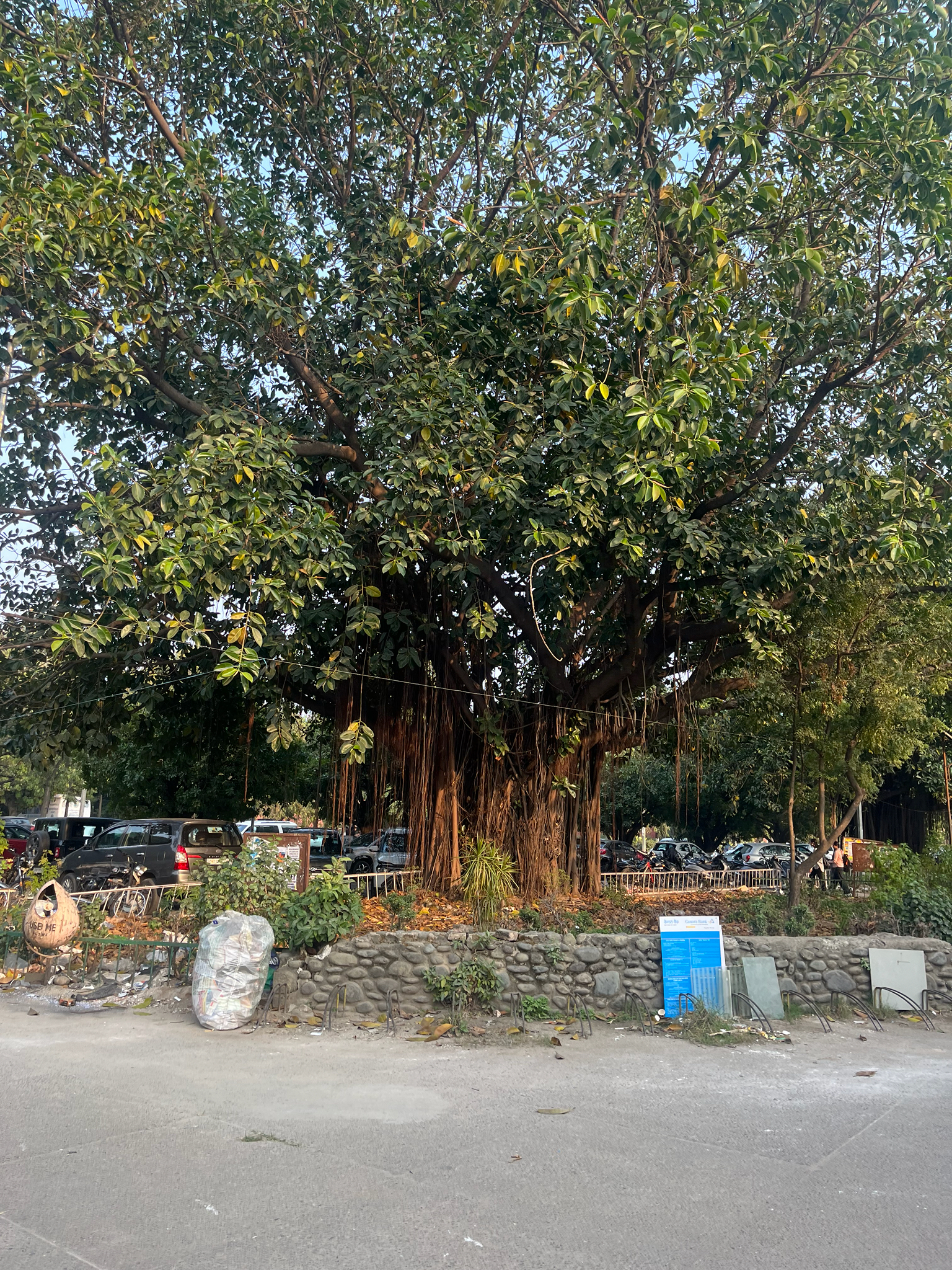
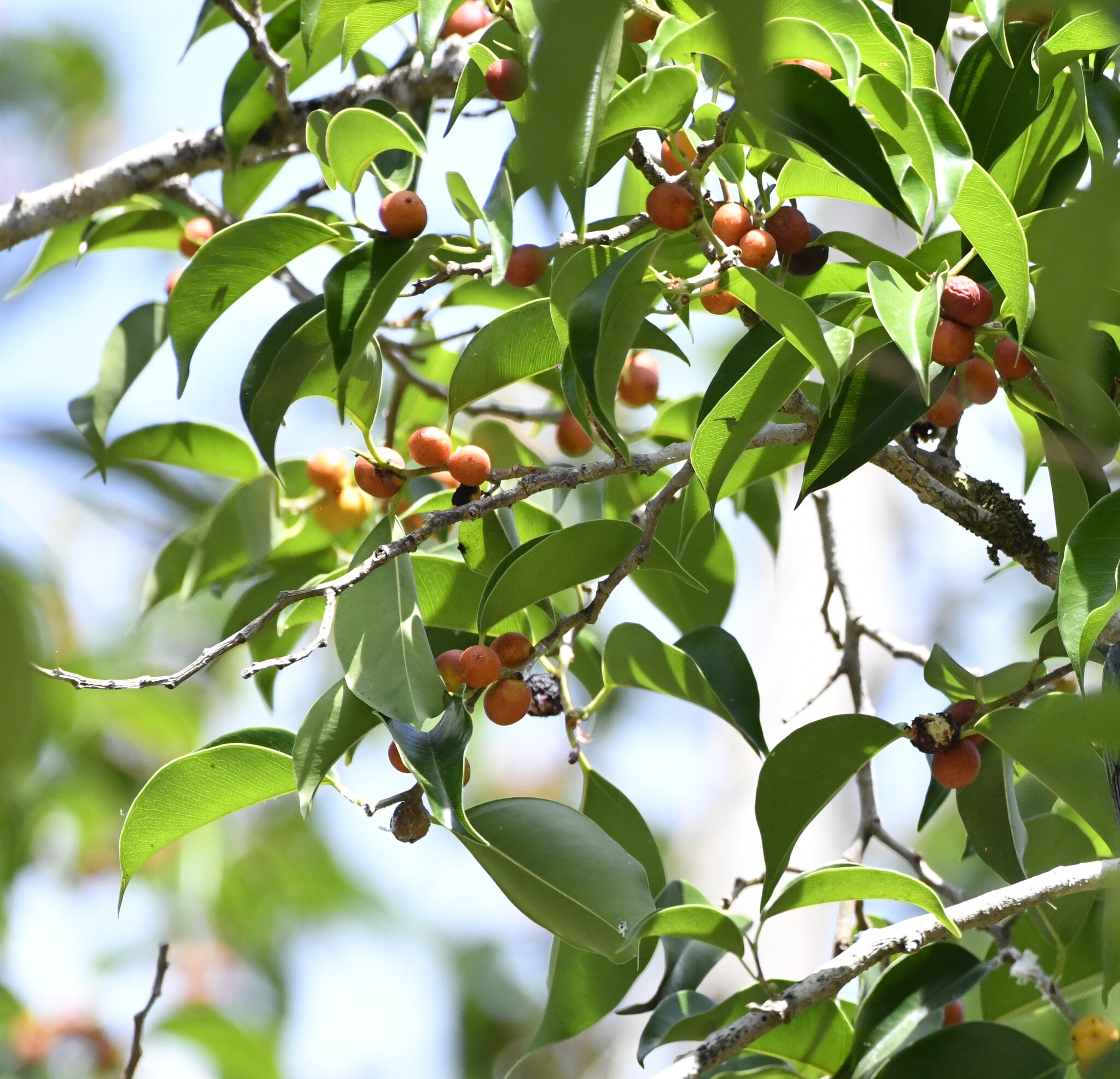
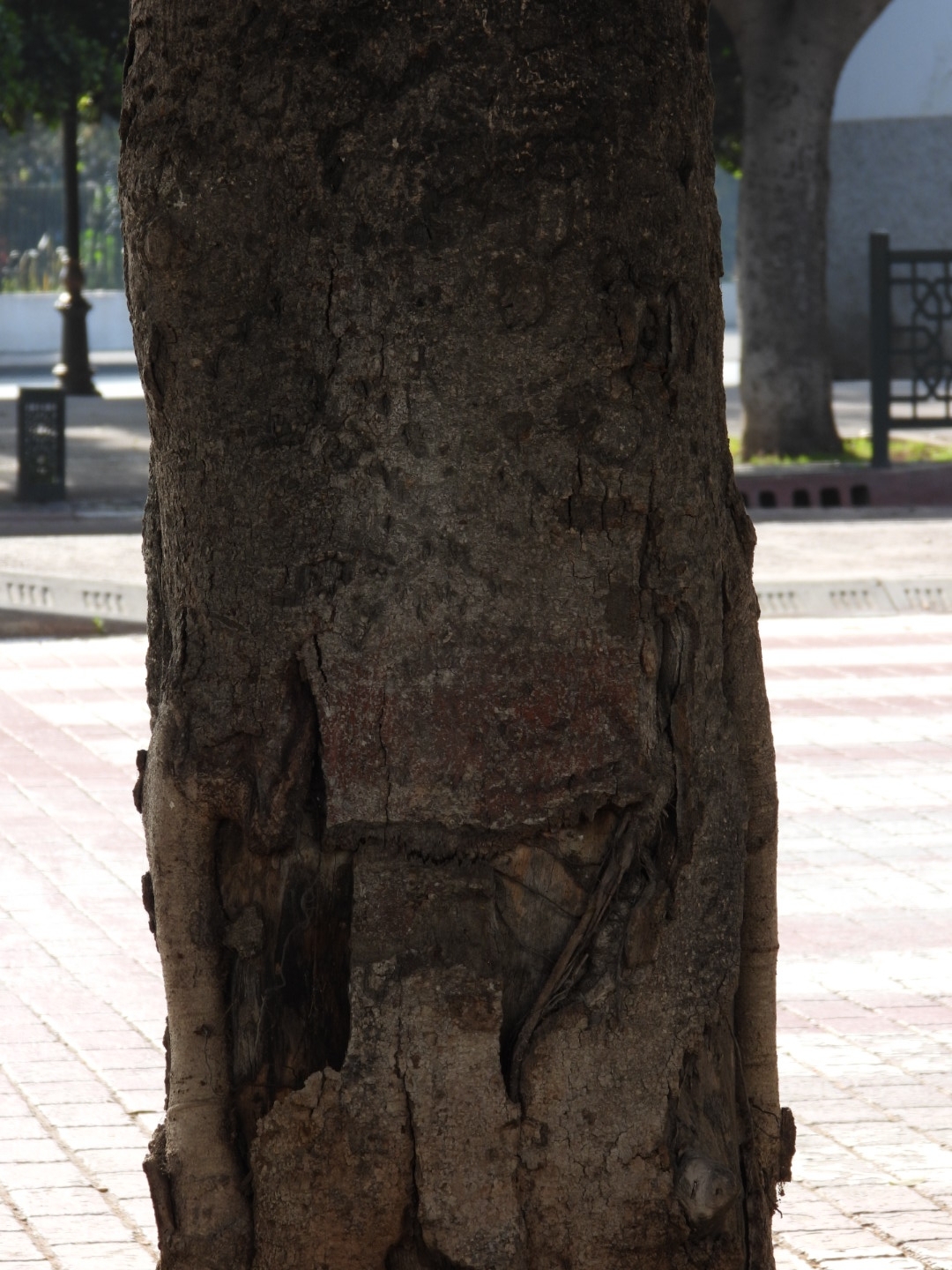
Gießen
Water regularly when the top 2-3 cm of soil feel dry to the touch. Avoid overwatering, as Ficus tinctoria prefers to dry out slightly between waterings. Reduce watering in cooler months to prevent root rot.
Auch bekannt als Fig · Humped Fig
Ficus tinctoria ist eine Feigenart, die für ihre essbaren Früchte bekannt ist und in tropischen Regionen Asiens und Australiens heimisch ist. Die Pflanze wird traditionell zur Farbstoffgewinnung genutzt.
Licht, Wasser, Boden und Wachstumsbedingungen auf einen Blick
Bright, indirect light
75% Intensität
Prefers bright, indirect sunlight. Can tolerate some direct sun, but protect from harsh afternoon sun.
Moderate
50% Intensität
Allow the top 2-3 cm of soil to dry out between waterings. Reduce watering in winter.
Well-drained
50% Intensität
15-25 °C
50% Intensität
Thrives in temperatures between 18-24°C. Avoid cold drafts and temperatures below 10°C.
Outdoor
50% Intensität
Moderate
50% Intensität
Fertilize with a balanced liquid fertilizer diluted to half strength during the growing season.
Sicherheitshinweise auf Grundlage von Pflanzentoxizitätsdaten
| Merkmal | Wert |
|---|---|
| Giftig für Menschen | Nein 0/5 Giftigkeitsgrad |
| Giftig für Haustiere | Nein 0/5 Giftigkeitsgrad |
| Essbar | Ja |
Non-toxic
Wichtige Merkmale und Wachstumsdaten aus den Pflanzendaten
Hinweise zu Gießen, Rückschnitt, Vermehrung und Umtopfen aus den Pflanzendaten
Water regularly when the top 2-3 cm of soil feel dry to the touch. Avoid overwatering, as Ficus tinctoria prefers to dry out slightly between waterings. Reduce watering in cooler months to prevent root rot.
Prune to maintain desired shape and size, and to remove any dead or crossing branches. Light pruning can be done at any time, but heavier pruning is best performed in late winter or early spring before new growth begins.
Easily propagated from stem cuttings taken in spring or summer. Use a rooting hormone to encourage faster root development. Plant cuttings in a well-draining potting mix and keep them consistently moist and warm.
Repot every 2-3 years or when the plant becomes root-bound, typically in spring. Choose a pot that is one size larger than the current one. Use a well-draining potting mix amended with perlite or sand.
Ähnliche Pflanzen mit ePlant AI bestimmen
Fotografiere eine Pflanze, erhalte Pflegetipps und finde unterwegs ähnliche Arten.
Monatliche Aktivitätsintensität von Blüte und Fruchtbildung auf Nord- und Südhalbkugel.
Kalender für Blüte und Fruchtbildung
Kalender für Blüte und Fruchtbildung
Fotos von Dye Fig (Ficus tinctoria)
Gebräuchliche Namen und botanische Synonyme
Botanische Klassifikation
| Rang | Name |
|---|---|
| Reich | Plantae |
| Abteilung | Tracheophyta |
| Klasse | Magnoliopsida |
| Ordnung | Rosales |
| Familie | Moraceae |
| Gattung | Ficus |
| Art | Ficus tinctoria |
Ähnliche Arten der Gattung Ficus
Antworten auf Grundlage der Daten im Pflanzenlexikon