Gießen
The Giant Stinging Tree prefers consistently moist soil but not waterlogged conditions. Water thoroughly when the top 2-3 cm of soil feels dry. Reduce watering during cooler months to prevent root rot.
Ensure good drainage to avoid issues.
Auch bekannt als Giant Stinging Tree
Sicherheitshinweis: Diese Pflanze kann für Menschen und Haustiere giftig sein. Details zur Giftigkeit ansehen.
Dendrocnide excelsa, der Riesen-Brennesselbaum, ist ein großer Baum aus der Familie der Brennnesselgewächse, der für seine stark reizenden Brennhaare bekannt ist. Seine Blätter und Stängel können bei Berührung heftige Hautreaktionen hervorrufen.
Licht, Wasser, Boden und Wachstumsbedingungen auf einen Blick
Moderate
50% Intensität
Prefers bright, indirect light. Can tolerate partial shade.
Moderate
50% Intensität
Keep soil consistently moist, but avoid waterlogging.
Well-drained
50% Intensität
15-25 °C
50% Intensität
Thrives in temperatures between 18-25°C. Protect from frost.
Low
25% Intensität
Feed with a balanced fertilizer during the growing season; reduce in winter.
Sicherheitshinweise auf Grundlage von Pflanzentoxizitätsdaten
| Merkmal | Wert |
|---|---|
| Giftig für Menschen | Ja 5/5 Giftigkeitsgrad |
| Giftig für Haustiere | Ja 5/5 Giftigkeitsgrad |
Contact with the stinging hairs causes a painful rash. Ingestion of fruits can cause illness.
Wichtige Merkmale und Wachstumsdaten aus den Pflanzendaten
Hinweise zu Gießen, Rückschnitt, Vermehrung und Umtopfen aus den Pflanzendaten
The Giant Stinging Tree prefers consistently moist soil but not waterlogged conditions. Water thoroughly when the top 2-3 cm of soil feels dry. Reduce watering during cooler months to prevent root rot.
Ensure good drainage to avoid issues.
Prune to maintain shape and size, and to remove any dead, damaged, or crossing branches. This can be done anytime, but early spring before new growth begins is ideal.
Always wear protective gloves and clothing when pruning.
Propagate from seeds sown in spring or semi-hardwood cuttings taken in summer. Seeds require warmth and consistent moisture to germinate. Cuttings should be placed in a well-draining medium and kept humid.
Repot young plants annually in spring, moving them to a slightly larger pot. Mature plants can be repotted every 2-3 years or when root-bound. Use a well-draining potting mix.
Handle with extreme caution due to stinging hairs.
Ähnliche Pflanzen mit ePlant AI bestimmen
Fotografiere eine Pflanze, erhalte Pflegetipps und finde unterwegs ähnliche Arten.
Monatliche Aktivitätsintensität von Blüte und Fruchtbildung auf Nord- und Südhalbkugel.
Kalender für Blüte und Fruchtbildung
Kalender für Blüte und Fruchtbildung
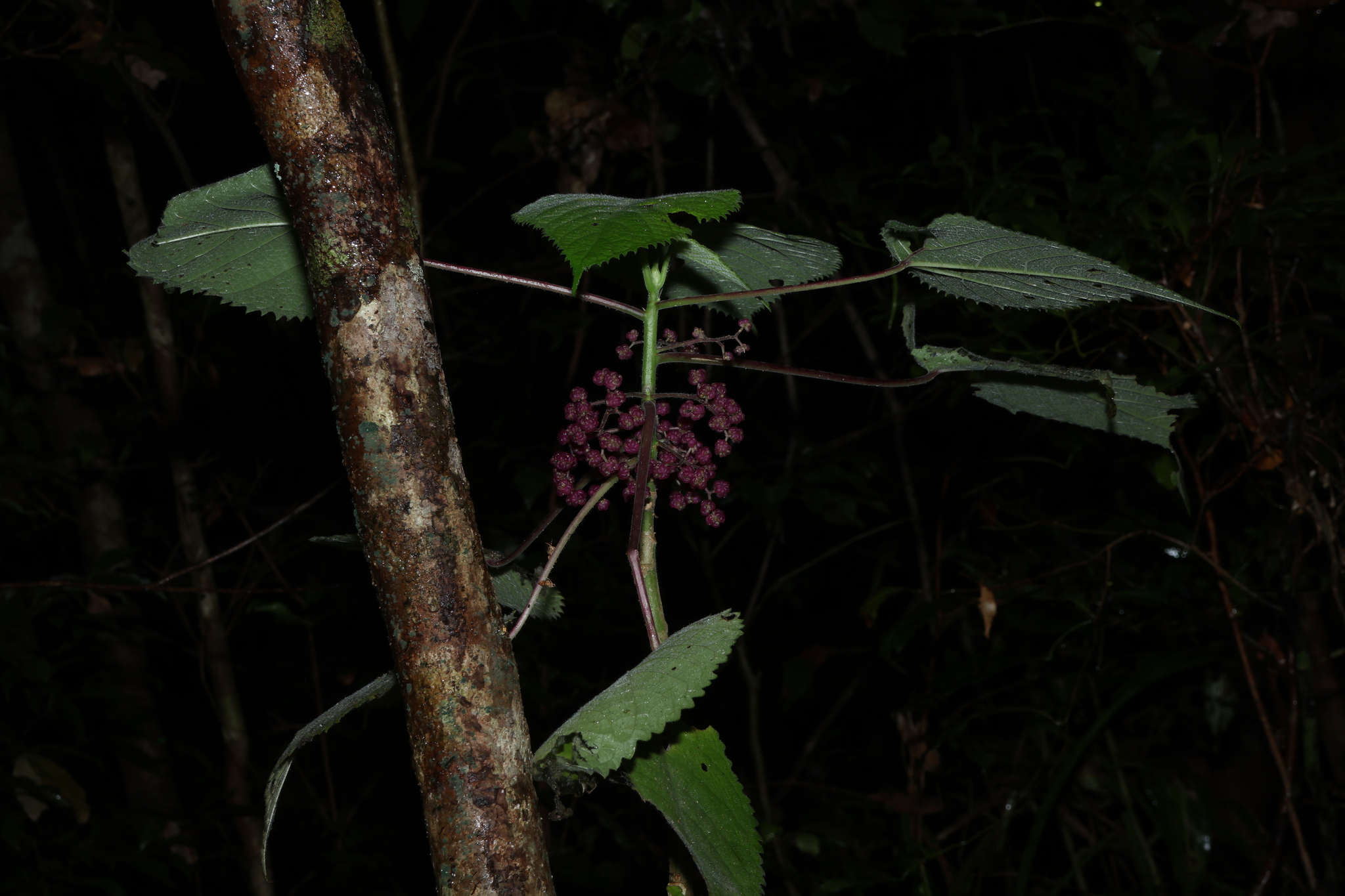
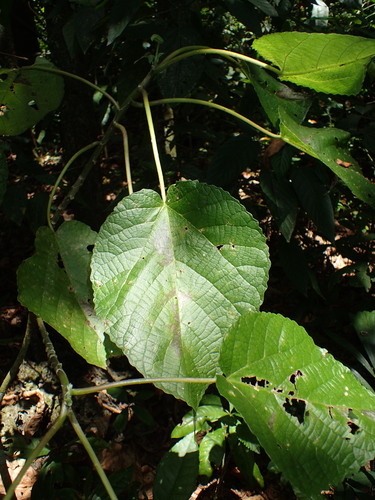
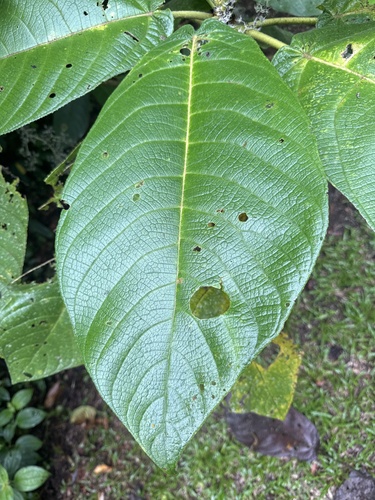
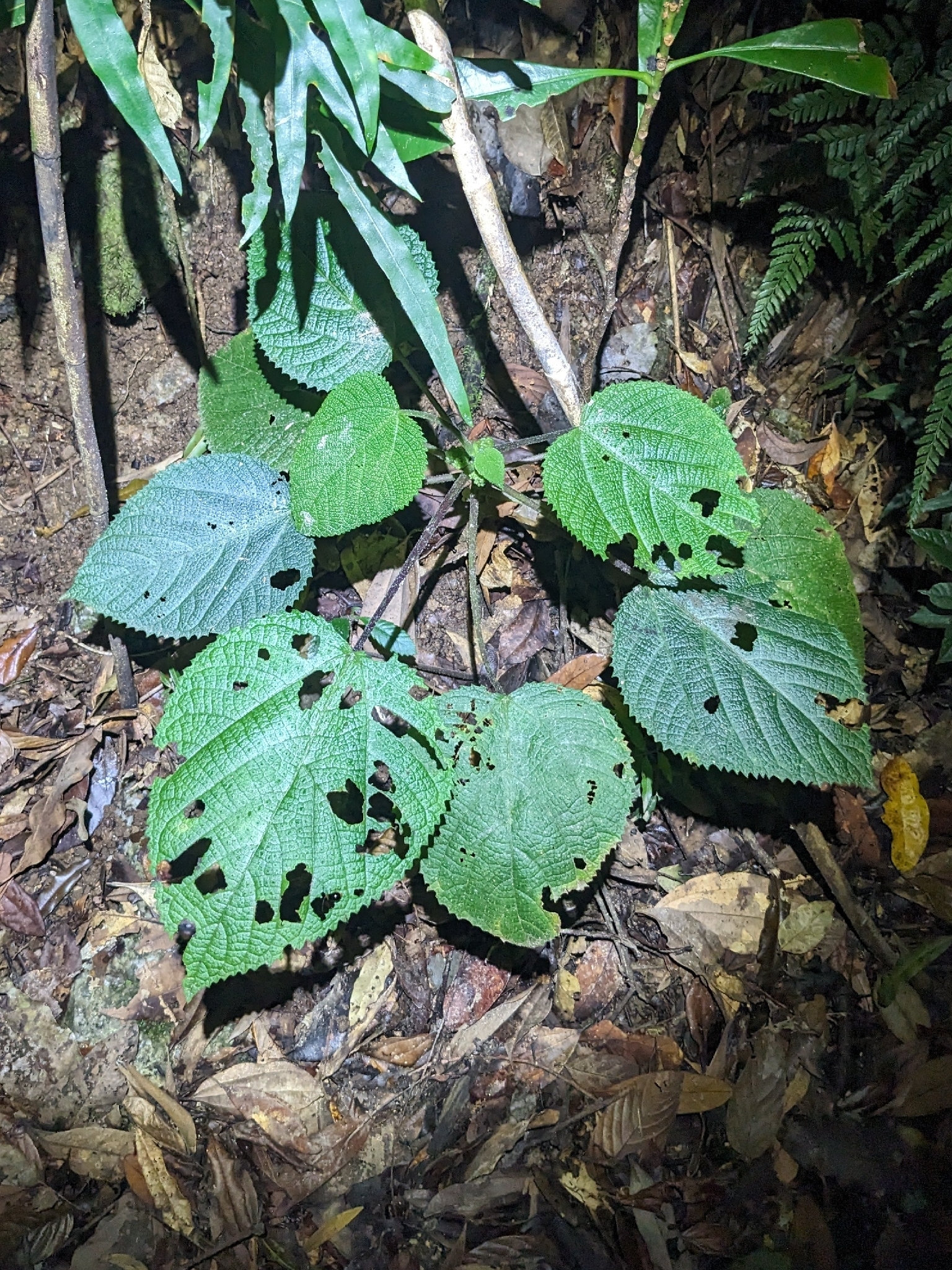
Fotos von Devil Nettle (Dendrocnide excelsa)
Gebräuchliche Namen und botanische Synonyme
Botanische Klassifikation
| Rang | Name |
|---|---|
| Reich | Plantae |
| Abteilung | Tracheophyta |
| Klasse | Magnoliopsida |
| Ordnung | Rosales |
| Familie | Urticaceae |
| Gattung | Dendrocnide |
| Art | Dendrocnide excelsa |
Ähnliche Arten der Gattung Dendrocnide
Antworten auf Grundlage der Daten im Pflanzenlexikon