Gießen
Keep the soil consistently moist but not waterlogged. Water thoroughly when the top inch of soil feels dry. Avoid overhead watering to prevent fungal diseases. Reduce watering in cooler months when growth slows down.
Auch bekannt als Cultivated Chrysanthemum · Florist’s Daisy · Garden Chrysanthemum
Chrysanthemum × morifolium — vorteile, anbauanleitung und pflege für diese Chrysanthemum-Art. Finde Tipps zu Gießen, Licht, Erde und Anbau, damit Chrysanthemum × morifolium gesund bleibt, plus Bestimmungshinweise und Pflanzenprofil von ePlant AI.
Licht, Wasser, Boden und Wachstumsbedingungen auf einen Blick
Full sun to partial shade
75% Intensität
Needs at least 6 hours of direct sunlight daily for best blooming.
Consistent moisture
75% Intensität
Keep soil moist, not soggy. Water when top inch is dry.
Well-drained loam
50% Intensität
15-20 °C
50% Intensität
Prefers temperatures between 15-21°C. Protect from frost.
Regular feeding
75% Intensität
Fertilize every 2-4 weeks during growing season with a balanced fertilizer.
Sicherheitshinweise auf Grundlage von Pflanzentoxizitätsdaten
| Merkmal | Wert |
|---|---|
| Giftig für Menschen | Nein 0/5 Giftigkeitsgrad |
| Giftig für Haustiere | Nein 0/5 Giftigkeitsgrad |
| Essbar | Nein |
Mildly toxic if ingested
Wichtige Merkmale und Wachstumsdaten aus den Pflanzendaten
Hinweise zu Gießen, Rückschnitt, Vermehrung und Umtopfen aus den Pflanzendaten
Keep the soil consistently moist but not waterlogged. Water thoroughly when the top inch of soil feels dry. Avoid overhead watering to prevent fungal diseases. Reduce watering in cooler months when growth slows down.
Pinch back young plants to encourage bushier growth. Remove spent flowers regularly (deadheading) to promote continuous blooming.
Cut back plants in late winter or early spring to shape them and remove any dead or weak stems.
Propagate by stem cuttings taken in spring or early summer. Select healthy, non-flowering shoots, cut them into 7-10 cm pieces, and remove lower leaves. Dip ends in rooting hormone and plant in moist potting mix.
Repot chrysanthemums every 1-2 years in spring, or when they become root-bound. Use a well-draining potting mix. Choose a pot that is slightly larger than the current one. Water well after repotting.
Ähnliche Pflanzen mit ePlant AI bestimmen
Fotografiere eine Pflanze, erhalte Pflegetipps und finde unterwegs ähnliche Arten.
Monatliche Aktivitätsintensität von Blüte und Fruchtbildung auf Nord- und Südhalbkugel.
Kalender für Blüte und Fruchtbildung
Kalender für Blüte und Fruchtbildung
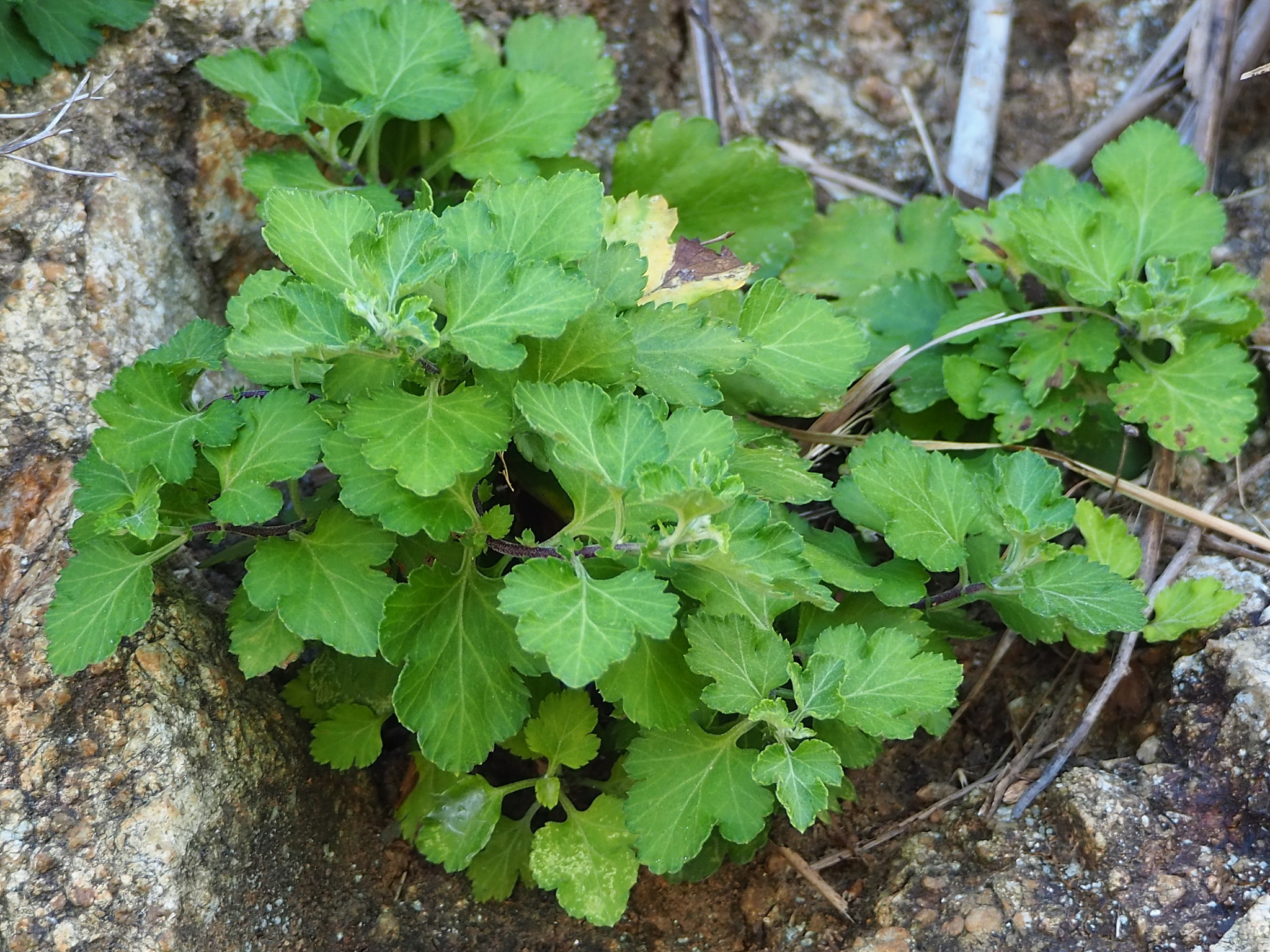
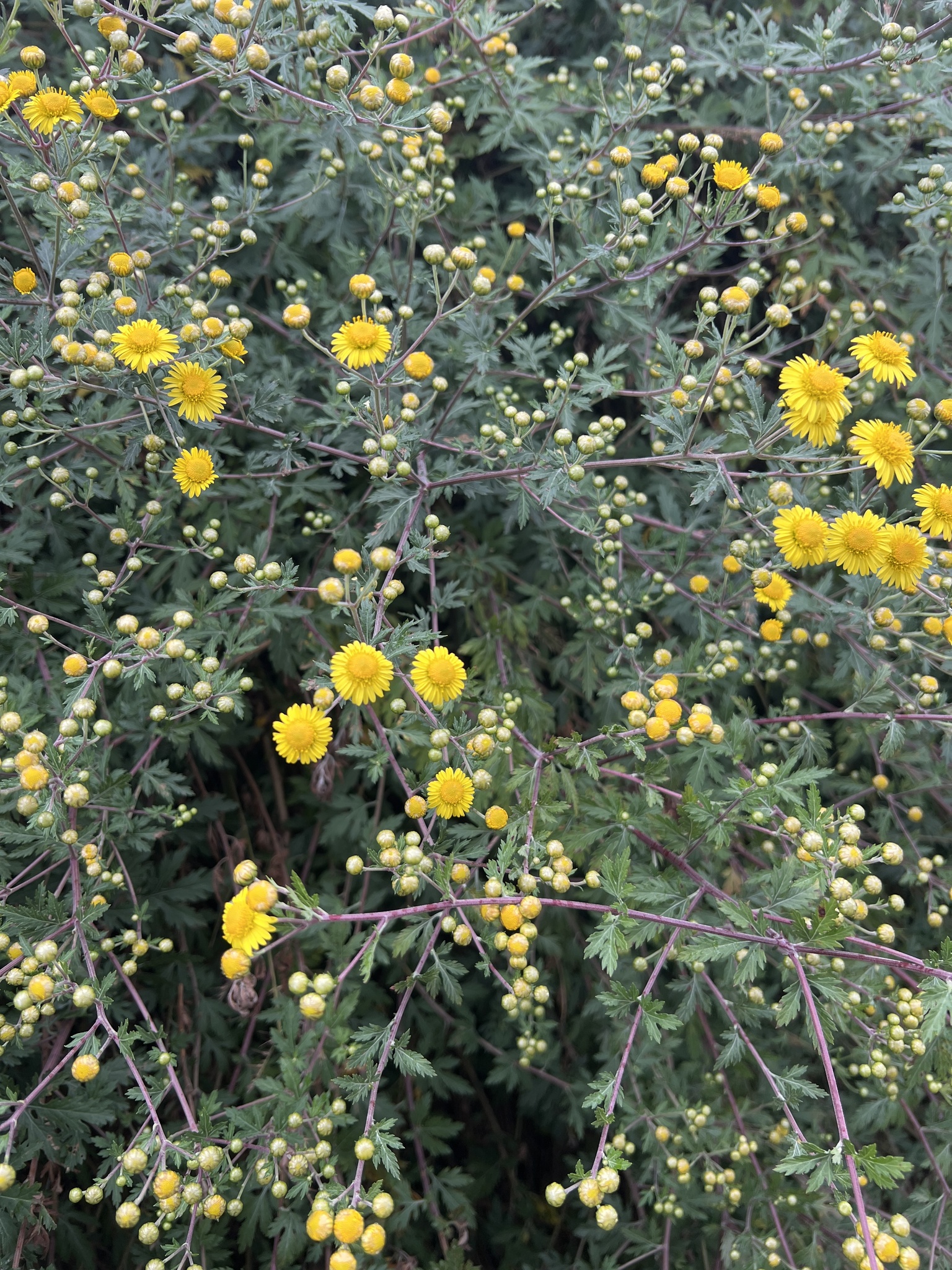
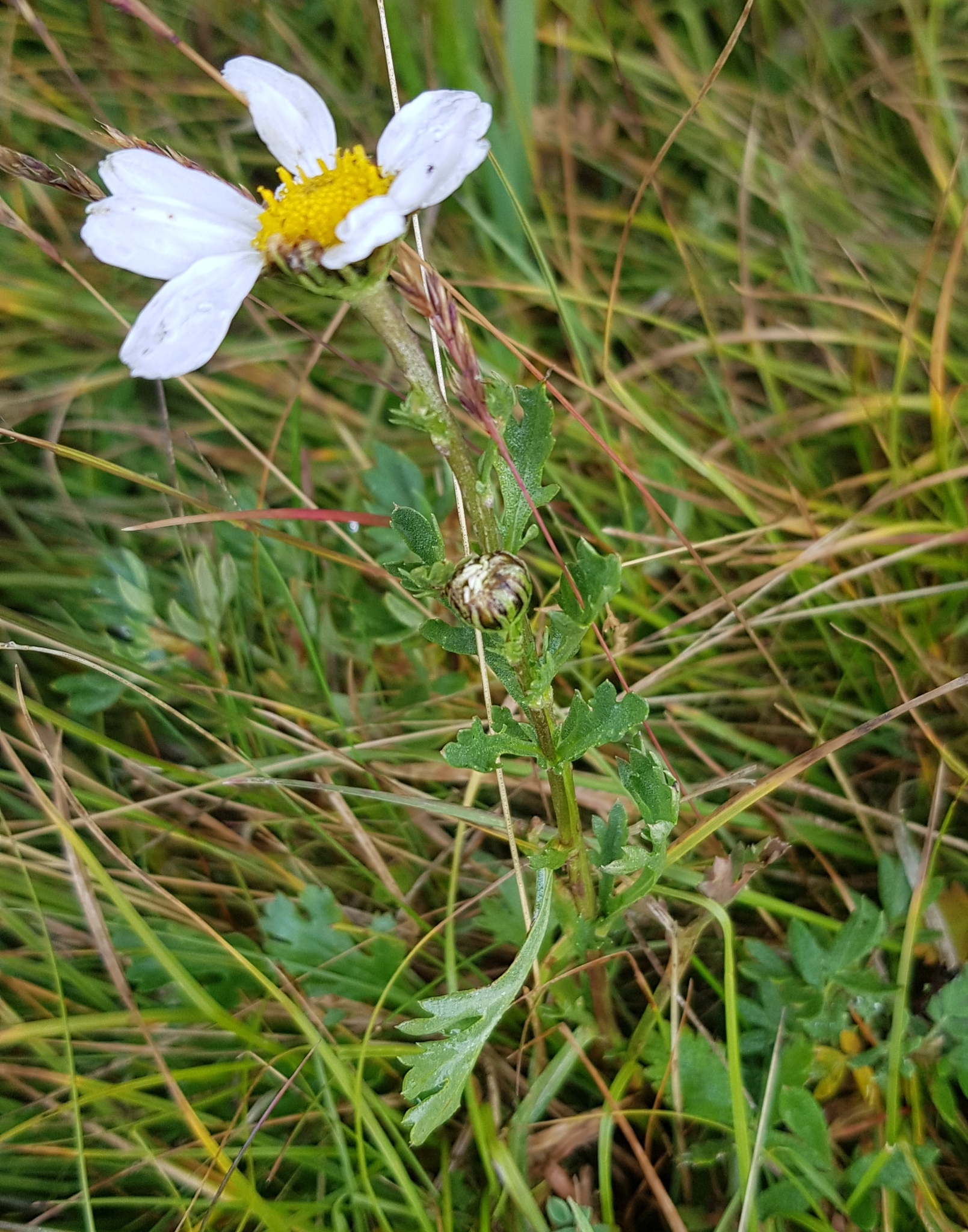
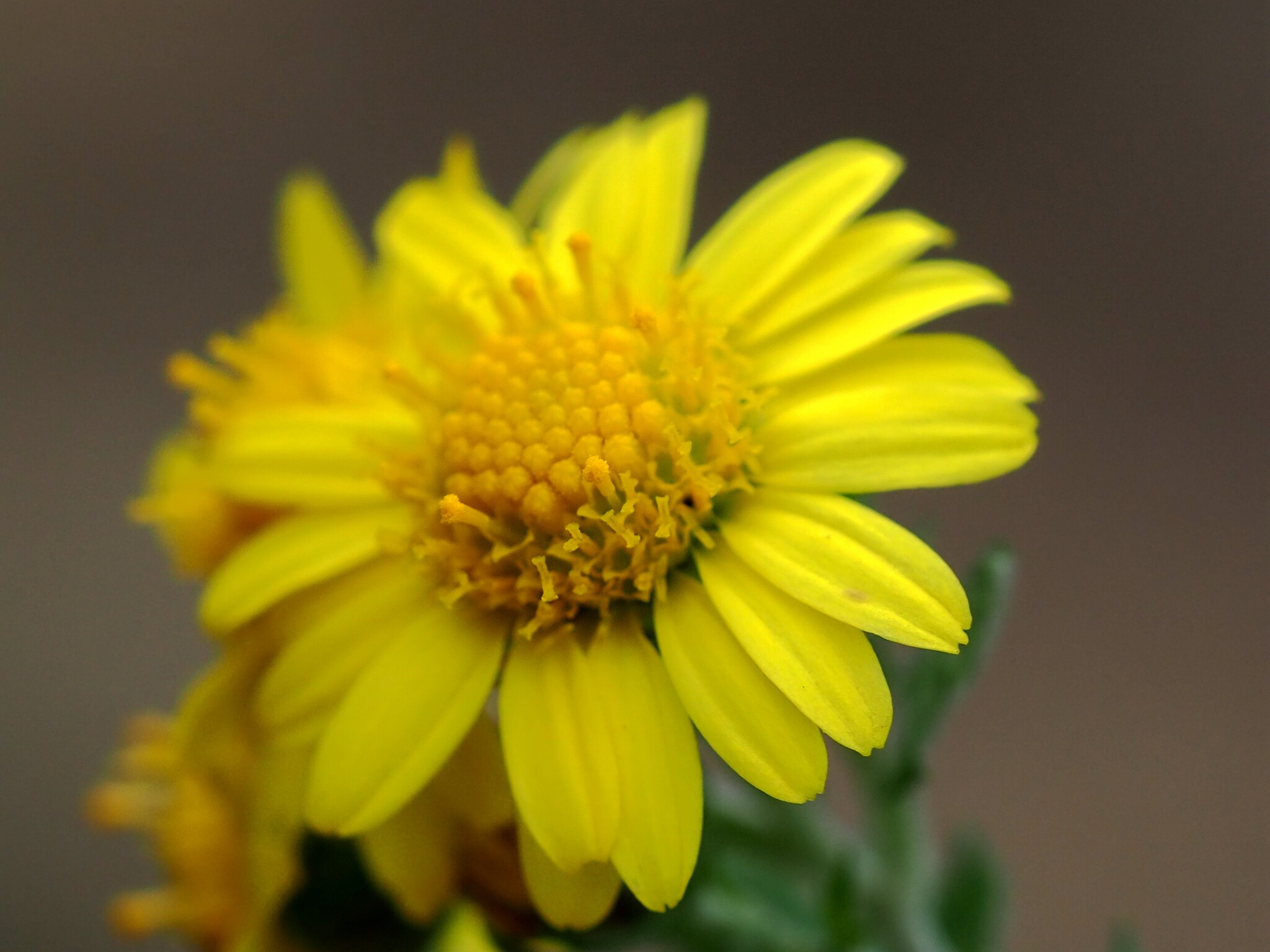
Fotos von Common Chrysanthemum (Chrysanthemum × morifolium)
Wo Common Chrysanthemum (Chrysanthemum × morifolium) vorkommt

Density
Karte tippen zum Erkunden
7 bekannte Auffälligkeiten aus Pflanzengesundheitsdaten

Gray mold on Chrysanthemum causes brown water-soaked spots on petals and leaves, and infected parts become covered with fuzzy gray-brown mold.

Fusarium wilt on Chrysanthemum causes one-sided wilting, yellowing and browning, with stunted growth and dark vascular browning in stems.

Chrysanthemum white rust on Chrysanthemum causes pale yellow spots above and raised pink-white pustules below, later turning brown.

Pythium root rot on Chrysanthemum causes stunting and wilt, with dark water-soaked roots that lose their outer layer and may collapse.

Bacterial leaf spot on Chrysanthemum causes water-soaked angular leaf spots that darken, enlarge, and can merge into blighted areas.

Powdery mildew on Chrysanthemum causes white powdery growth on leaves and shoots, followed by yellowing, distortion, browning, and dieback.
Gebräuchliche Namen und botanische Synonyme
Botanische Klassifikation
| Rang | Name |
|---|---|
| Reich | Plantae |
| Abteilung | Tracheophyta |
| Klasse | Magnoliopsida |
| Ordnung | Asterales |
| Familie | Asteraceae |
| Gattung | Andryala |
| Art | Andryala pinnatifida |
Ähnliche Arten der Gattung Chrysanthemum
Antworten auf Grundlage der Daten im Pflanzenlexikon