Gießen
Keep the soil consistently moist but not waterlogged. Allow the top 2-3 cm of soil to dry out between waterings. Reduce watering frequency during the cooler winter months to prevent root rot.
Ensure good drainage to avoid soggy conditions.
Auch bekannt als Shingle Plant
Sicherheitshinweis: Diese Pflanze kann für Menschen und Haustiere giftig sein. Details zur Giftigkeit ansehen.
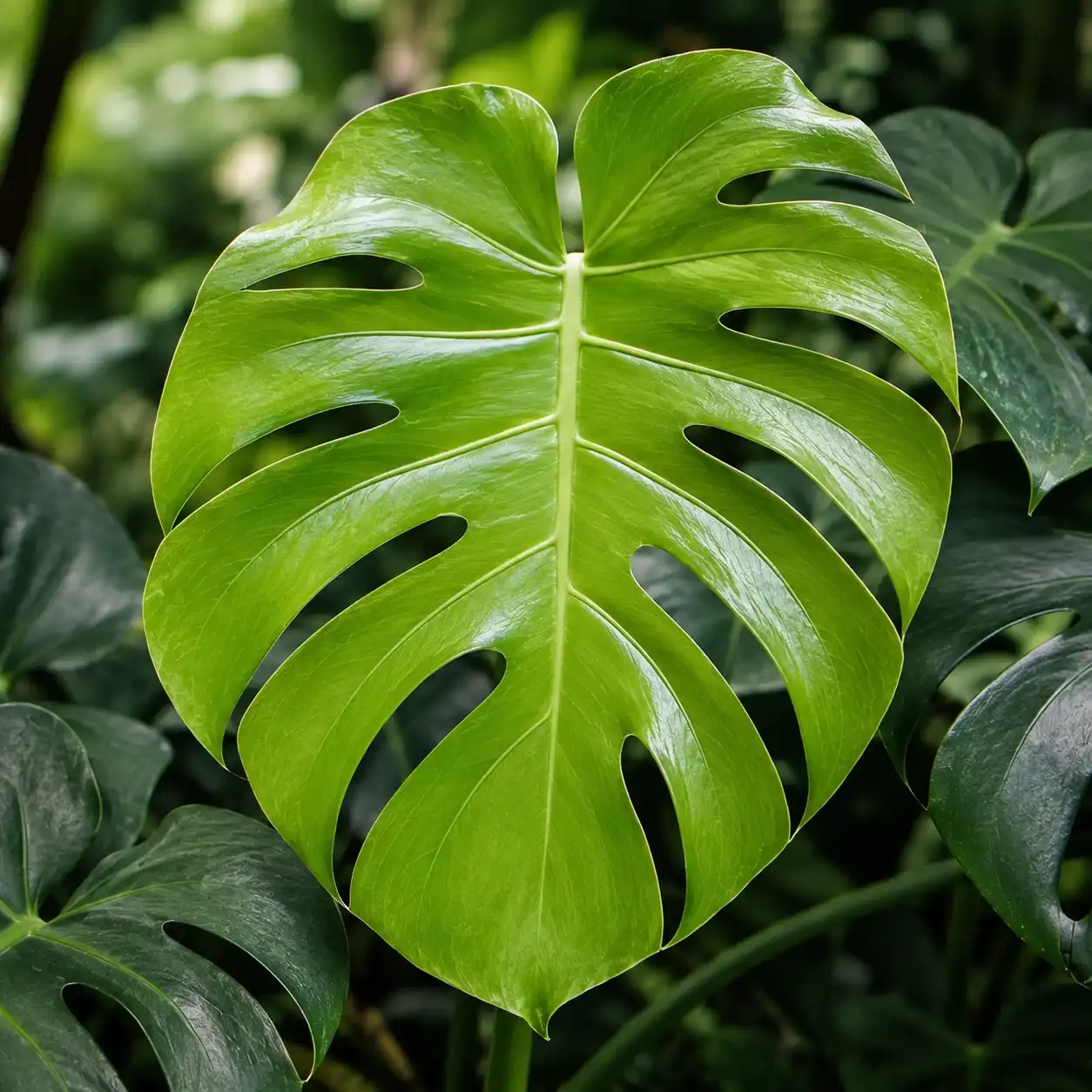
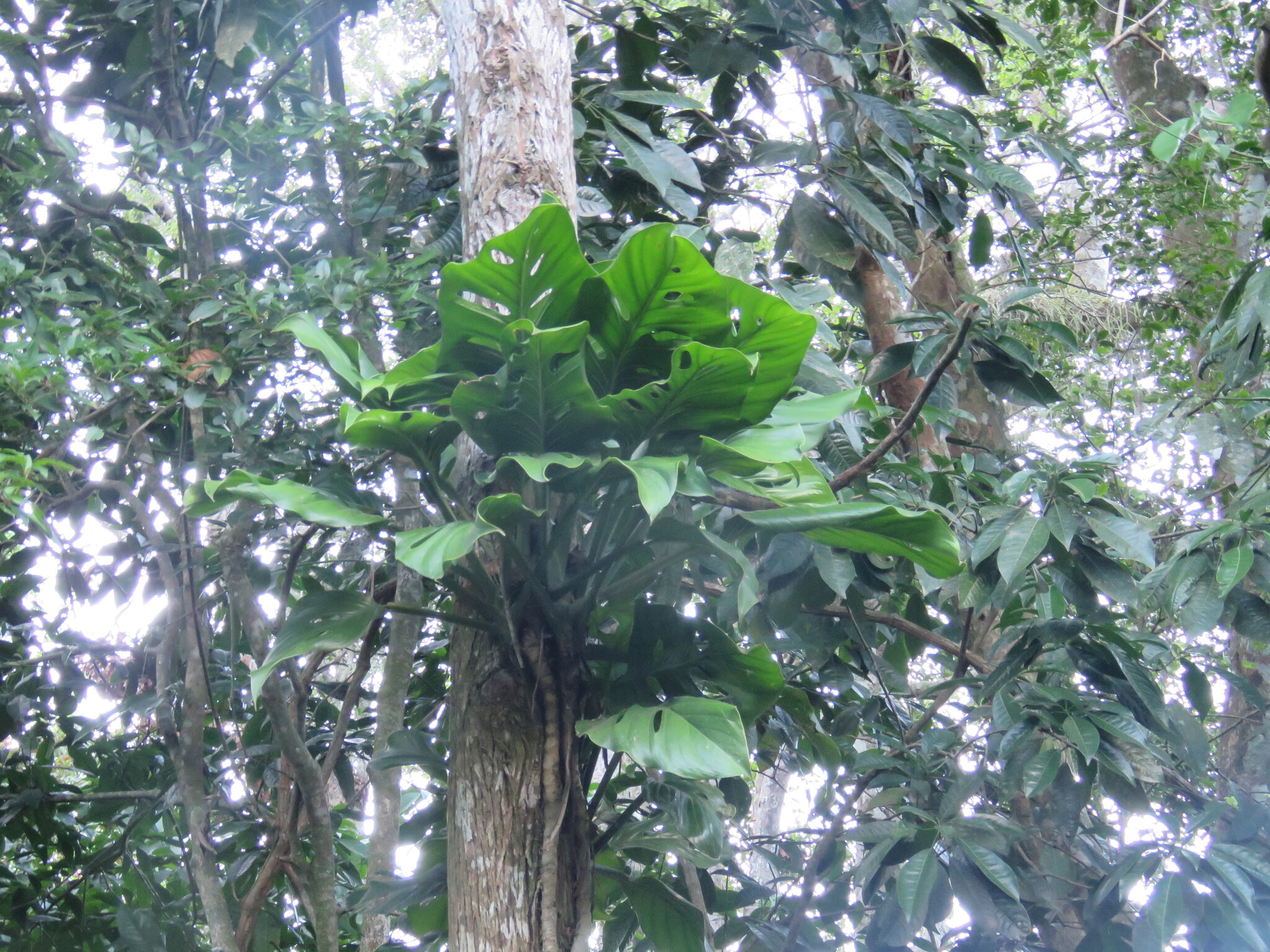
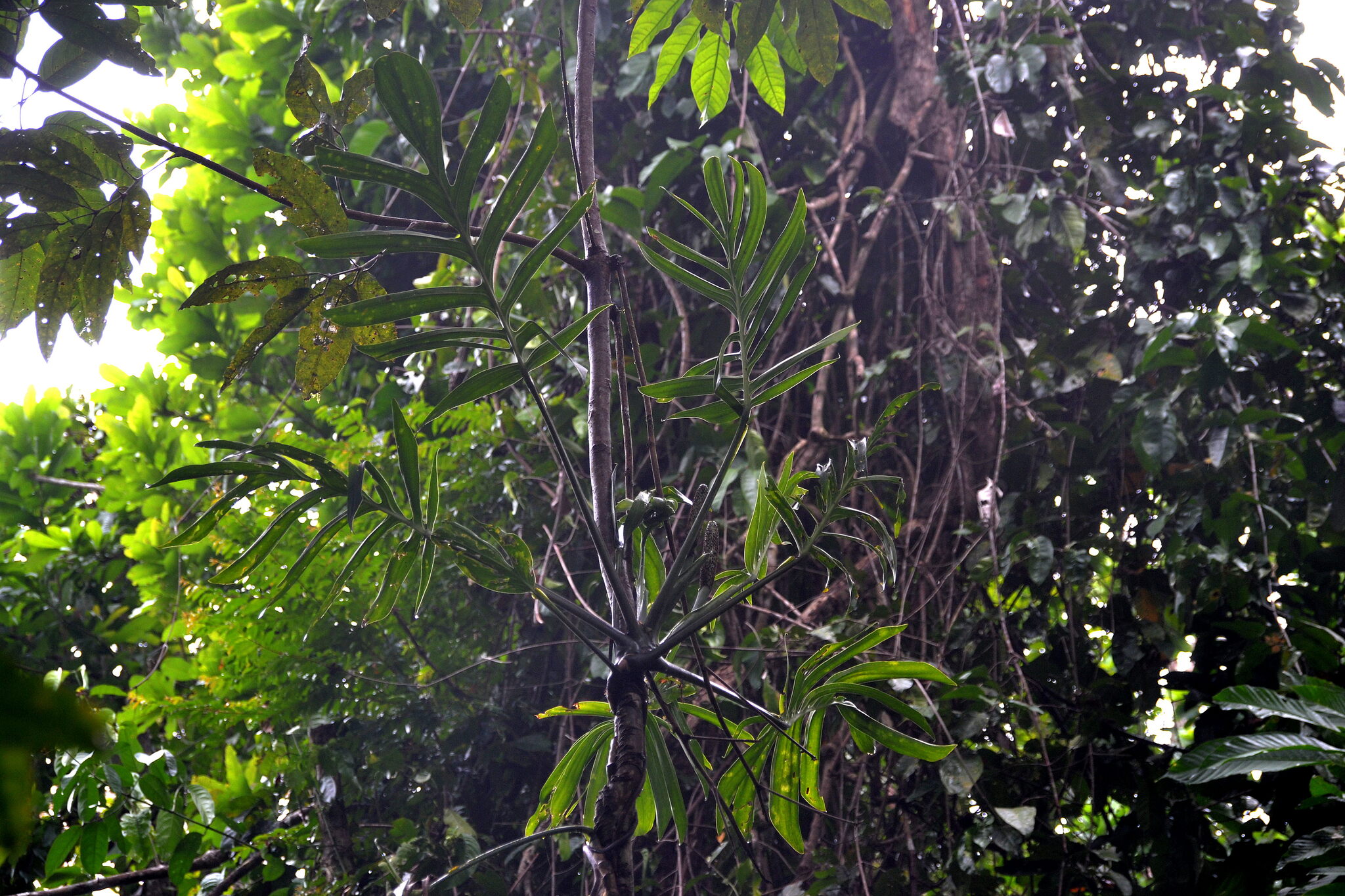
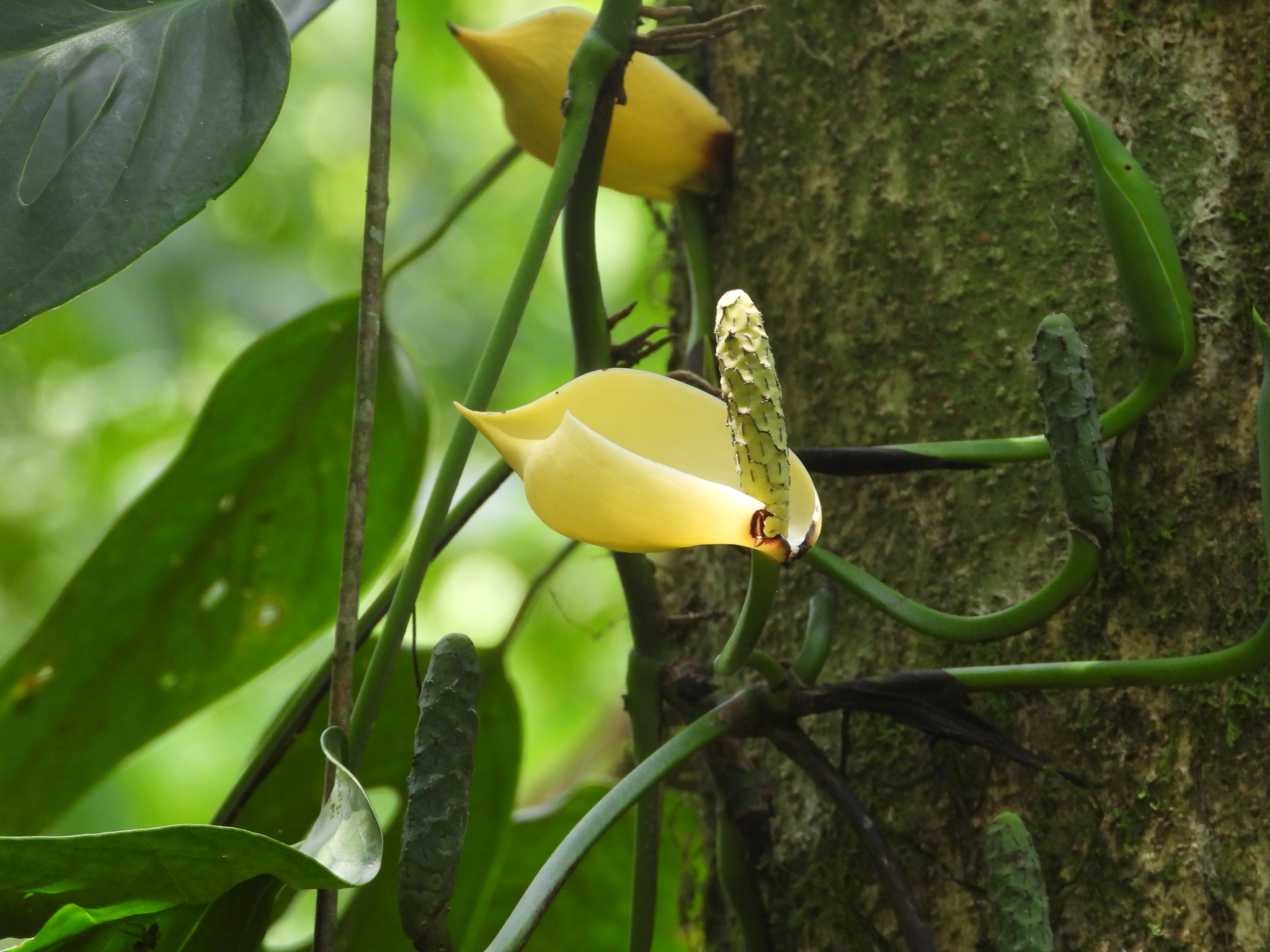
Monstera tuberculata ist eine Kletterpflanze mit charakteristischen, löchrigen Blättern, die in tropischen Regenwäldern Mittelamerikas heimisch ist. Sie ist bekannt für ihre großen, gefiederten Blätter, die mit zunehmendem Alter immer mehr Löcher entwickeln.
Licht, Wasser, Boden und Wachstumsbedingungen auf einen Blick
Bright, Indirect Light
75% Intensität
Prefers dappled sunlight or bright, indirect light. Avoid direct sun, which can scorch leaves.
Consistent Moisture
50% Intensität
Allow topsoil to dry slightly between waterings. Avoid soggy conditions.
Well-draining potting mix, rich in organic matter.
50% Intensität
18-25 °C
50% Intensität
Prefers temperatures between 18-27°C. Avoid drafts and sudden temperature drops.
Moderate Feeding
50% Intensität
Feed with a balanced liquid fertilizer diluted by half during the growing season.
Sicherheitshinweise auf Grundlage von Pflanzentoxizitätsdaten
| Merkmal | Wert |
|---|---|
| Giftig für Menschen | Ja 3/5 Giftigkeitsgrad |
| Giftig für Haustiere | Ja 3/5 Giftigkeitsgrad |
| Essbar | Nein |
Contains calcium oxalate crystals, causing irritation and swelling if ingested or upon skin contact.
Wichtige Merkmale und Wachstumsdaten aus den Pflanzendaten
Hinweise zu Gießen, Rückschnitt, Vermehrung und Umtopfen aus den Pflanzendaten
Keep the soil consistently moist but not waterlogged. Allow the top 2-3 cm of soil to dry out between waterings. Reduce watering frequency during the cooler winter months to prevent root rot.
Ensure good drainage to avoid soggy conditions.
Prune to maintain shape, remove yellowing or dead leaves, and control size. Use clean, sharp pruning shears. Pruning can also encourage bushier growth.
Remove aerial roots if they become unruly or are not anchoring the plant effectively.
Propagate by stem cuttings, ensuring each cutting has at least one node. Root cuttings in water or moist potting mix. Once roots have developed, transplant into a pot.
This method is best done during the active growing season.
Repot every 2-3 years or when the plant becomes root-bound, typically in spring. Choose a pot that is 2-5 cm larger in diameter than the current one. Use a well-draining potting mix suitable for aroids.
Ähnliche Pflanzen mit ePlant AI bestimmen
Fotografiere eine Pflanze, erhalte Pflegetipps und finde unterwegs ähnliche Arten.
Monatliche Aktivitätsintensität von Blüte und Fruchtbildung auf Nord- und Südhalbkugel.
Kalender für Blüte und Fruchtbildung
Kalender für Blüte und Fruchtbildung
Fotos von Giant Monstera (Monstera tuberculata)
Gebräuchliche Namen und botanische Synonyme
Botanische Klassifikation
| Rang | Name |
|---|---|
| Reich | Plantae |
| Abteilung | Tracheophyta |
| Klasse | Liliopsida |
| Ordnung | Alismatales |
| Familie | Araceae |
| Gattung | Monstera |
| Art | Monstera tuberculata |
Ähnliche Arten der Gattung Monstera
Antworten auf Grundlage der Daten im Pflanzenlexikon