Gießen
Water regularly to keep the soil consistently moist but not waterlogged. Allow the top inch of soil to dry out slightly between waterings, especially during hot, dry periods.
Reduce watering in winter when the plant is less actively growing.
Hypericum annulatum, auch bekannt als Ringblättriges Johanniskraut, ist eine heimische Pflanze mit gelben Blüten und charakteristischen ringförmigen Blattnarben. Sie wächst bevorzugt auf trockenen, kalkhaltigen Böden und ist in Europa verbreitet.
Licht, Wasser, Boden und Wachstumsbedingungen auf einen Blick
Full Sun to Partial Shade
75% Intensität
Prefers a location with at least six hours of sunlight per day, but can tolerate some shade.
Regular
50% Intensität
Keep soil consistently moist but avoid waterlogging. Allow top inch to dry slightly between waterings.
Well-drained
50% Intensität
Moderate
50% Intensität
Thrives in average room temperatures between 18-24°C. Protect from frost.
Light
25% Intensität
Fertilize sparingly during the growing season with a balanced liquid fertilizer diluted to half strength.
Sicherheitshinweise auf Grundlage von Pflanzentoxizitätsdaten
| Merkmal | Wert |
|---|---|
| Giftig für Menschen | Nein 0/5 Giftigkeitsgrad |
| Giftig für Haustiere | Nein 0/5 Giftigkeitsgrad |
None
Wichtige Merkmale und Wachstumsdaten aus den Pflanzendaten
Hinweise zu Gießen, Rückschnitt, Vermehrung und Umtopfen aus den Pflanzendaten
Water regularly to keep the soil consistently moist but not waterlogged. Allow the top inch of soil to dry out slightly between waterings, especially during hot, dry periods.
Reduce watering in winter when the plant is less actively growing.
Prune lightly after flowering to maintain shape and encourage bushier growth. Remove any dead, damaged, or crossing stems at any time. This helps improve air circulation and overall plant health.
Propagate from semi-ripe cuttings taken in summer. Insert cuttings into a well-draining potting mix. Alternatively, seeds can be sown in autumn or spring.
Keep the soil moist and provide a warm environment for germination.
Repot young plants annually or every two years in spring. Mature plants can be repotted less frequently. Use a well-draining potting mix and a pot only slightly larger than the current one to avoid waterlogging.
Ähnliche Pflanzen mit ePlant AI bestimmen
Fotografiere eine Pflanze, erhalte Pflegetipps und finde unterwegs ähnliche Arten.
Monatliche Aktivitätsintensität von Blüte und Fruchtbildung auf Nord- und Südhalbkugel.
Kalender für Blüte und Fruchtbildung
Kalender für Blüte und Fruchtbildung
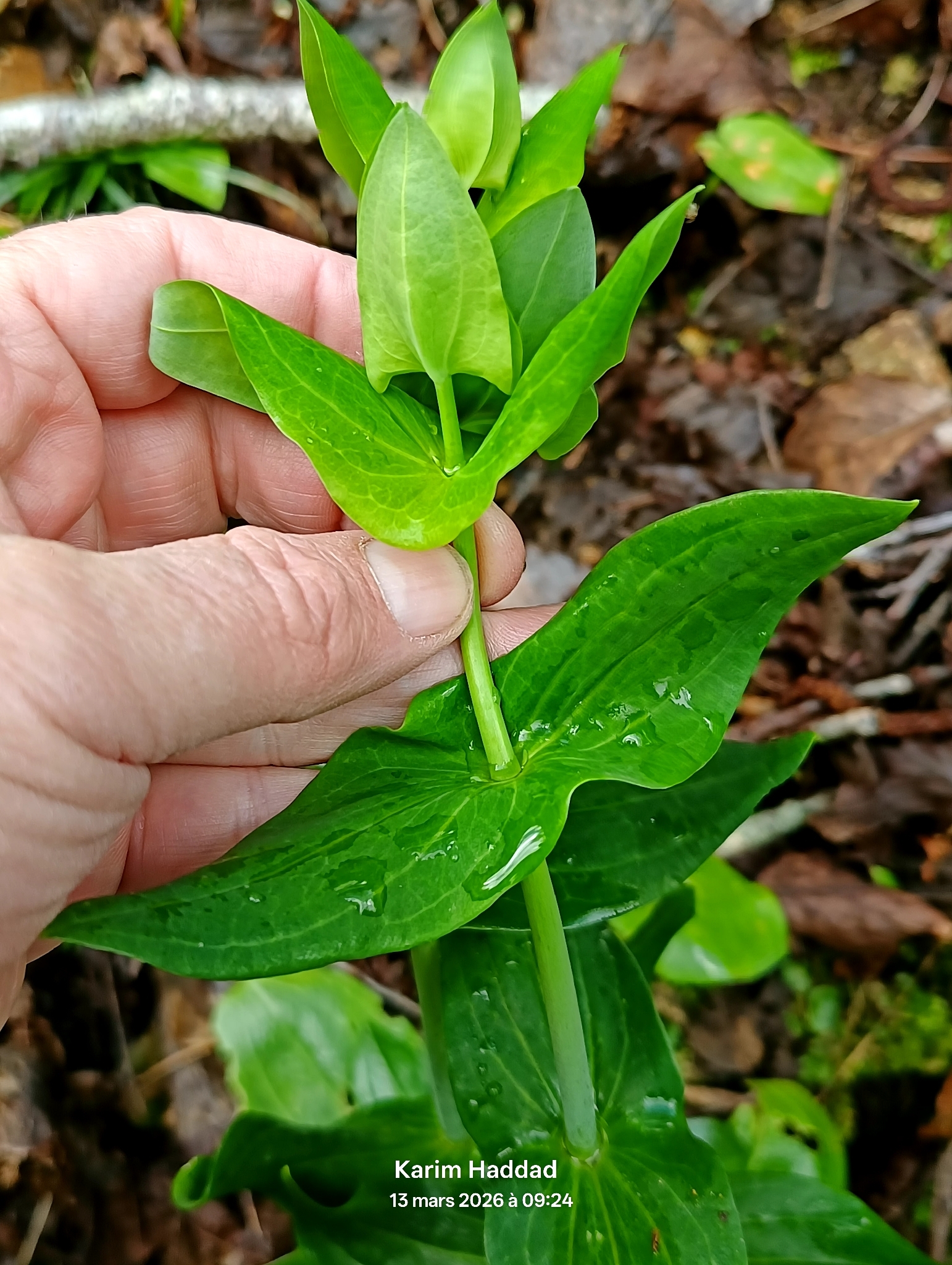
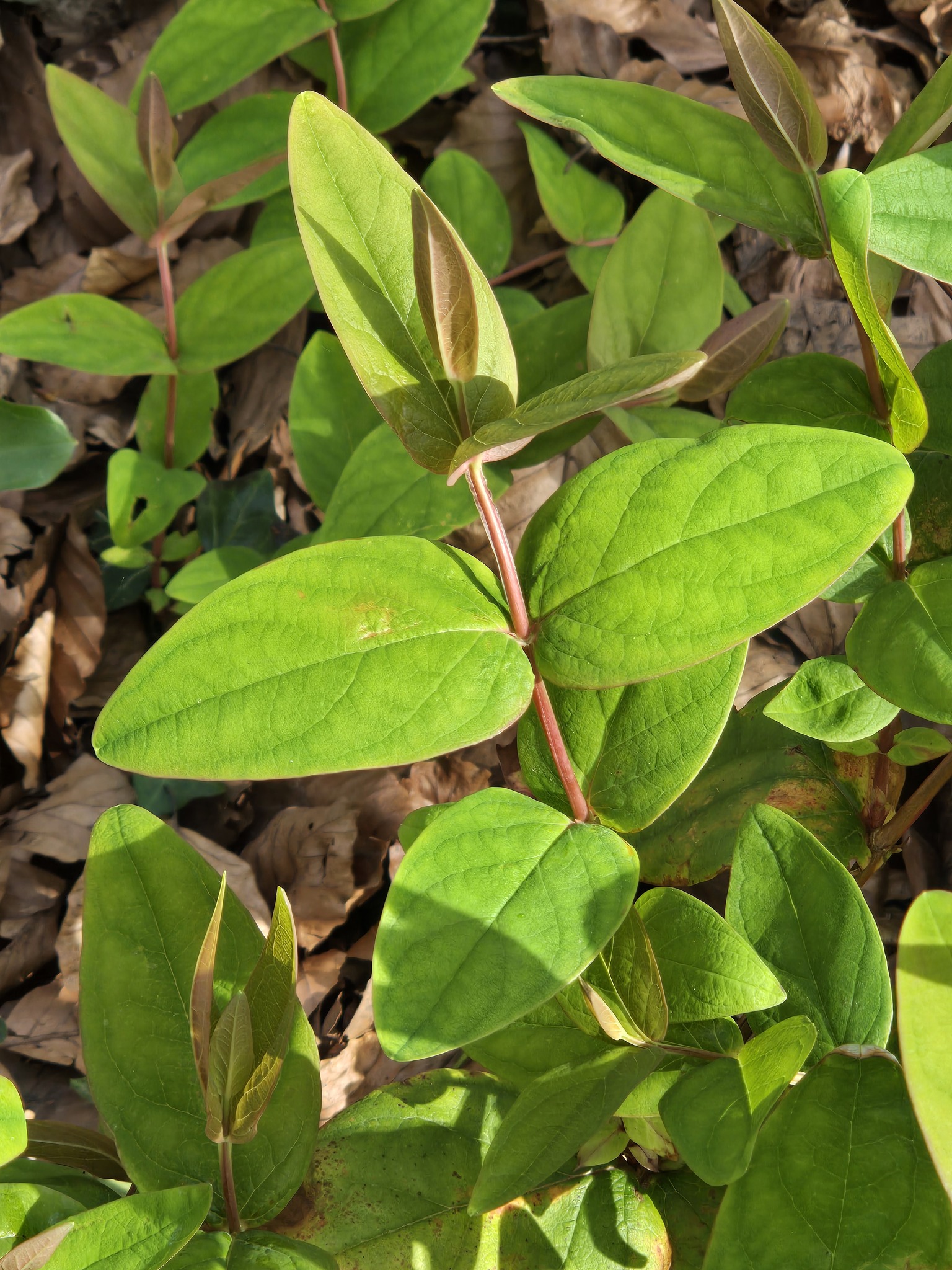
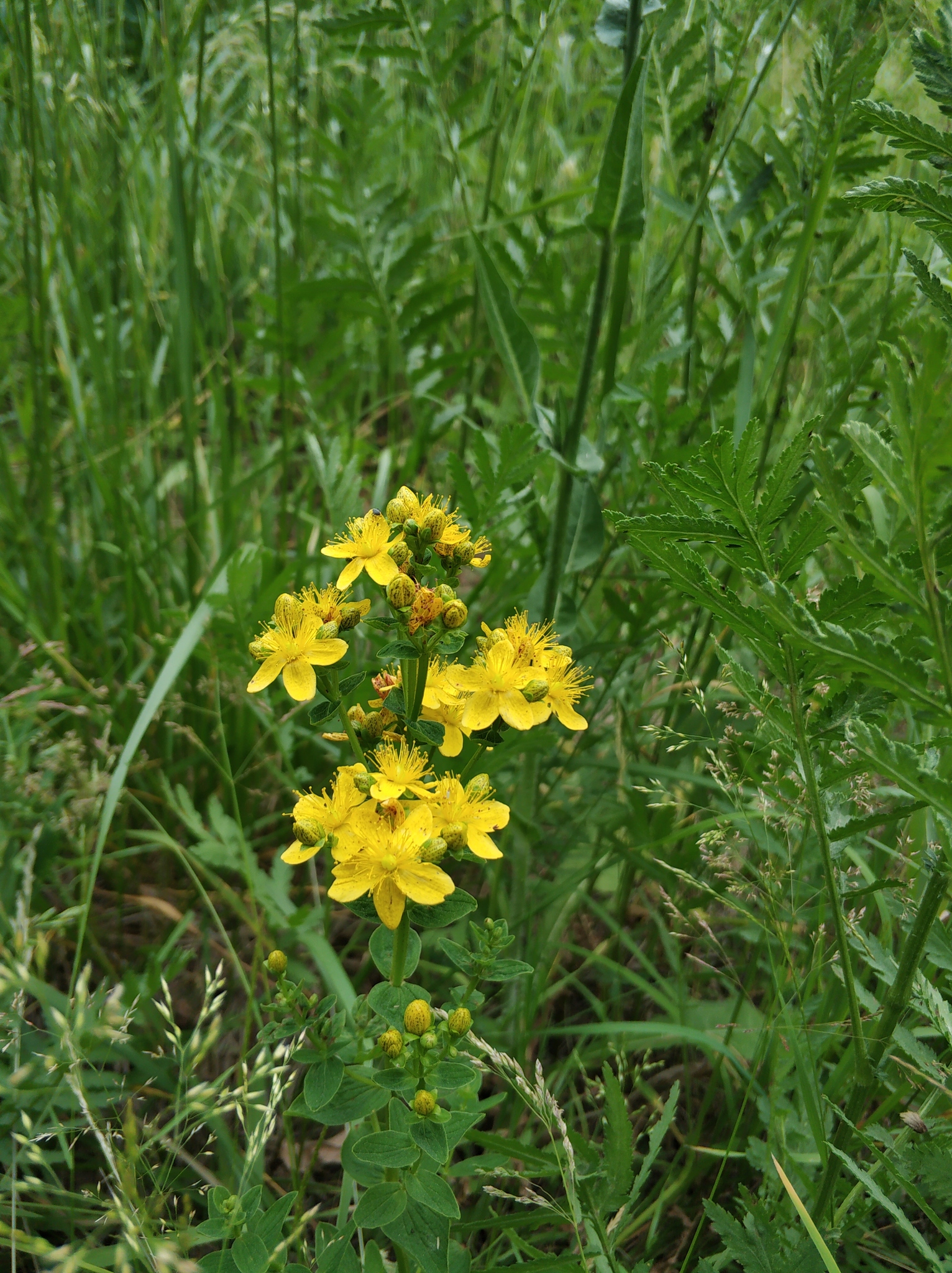
Fotos von Ticklewort (Hypericum annulatum)
Wo Ticklewort (Hypericum annulatum) vorkommt

Density
Karte tippen zum Erkunden
Gebräuchliche Namen und botanische Synonyme
Botanische Klassifikation
| Rang | Name |
|---|---|
| Reich | Plantae |
| Abteilung | Tracheophyta |
| Klasse | Magnoliopsida |
| Ordnung | Malpighiales |
| Familie | Hypericaceae |
| Gattung | Hypericum |
| Art | Hypericum annulatum |
Ähnliche Arten der Gattung Hypericum
Antworten auf Grundlage der Daten im Pflanzenlexikon