Gießen
Water Artemisia capillaris moderately, allowing the soil to dry out slightly between waterings. Avoid waterlogged conditions, which can lead to root rot.
Reduce watering significantly during winter dormancy to prevent over-saturation.
Auch bekannt als Capillary Wormwood · Yin-Chen Wormwood
Artemisia capillaris, bekannt als Kapillaren-Wermut, ist eine Heilpflanze, die in der traditionellen chinesischen Medizin verwendet wird. Sie ist eine krautige Pflanze mit feinen, haarähnlichen Blättern.
Licht, Wasser, Boden und Wachstumsbedingungen auf einen Blick
Full Sun to Partial Shade
75% Intensität
Prefers at least 6 hours of direct sunlight daily for best growth and form.
Moderate
50% Intensität
Allow soil to dry slightly between waterings. Avoid overwatering.
Well-drained
50% Intensität
15-25 °C
25% Intensität
Tolerates a wide range of temperatures, hardy in USDA zones 4-9.
Low
25% Intensität
Fertilize sparingly in spring. Lean soil is preferred.
Sicherheitshinweise auf Grundlage von Pflanzentoxizitätsdaten
| Merkmal | Wert |
|---|---|
| Giftig für Menschen | Nein 0/5 Giftigkeitsgrad |
| Giftig für Haustiere | Nein 0/5 Giftigkeitsgrad |
| Essbar | Nein |
None
Wichtige Merkmale und Wachstumsdaten aus den Pflanzendaten
Hinweise zu Gießen, Rückschnitt, Vermehrung und Umtopfen aus den Pflanzendaten
Water Artemisia capillaris moderately, allowing the soil to dry out slightly between waterings. Avoid waterlogged conditions, which can lead to root rot.
Reduce watering significantly during winter dormancy to prevent over-saturation.
Prune in early spring to shape the plant and remove any winter damage. Deadheading spent flower stalks in late summer or early autumn can encourage a tidier appearance and may prevent excessive reseeding.
Regular trimming can maintain a compact habit.
Propagate by stem cuttings taken in late spring or early summer. Insert cuttings into moist, well-draining potting mix.
Alternatively, division of established clumps in early spring is an effective method for propagating Artemisia capillaris.
Repot established plants every 2-3 years in spring, or when root-bound. Use a well-draining potting mix, such as a cactus or succulent blend. Ensure the new pot has adequate drainage holes to prevent water accumulation.
Ähnliche Pflanzen mit ePlant AI bestimmen
Fotografiere eine Pflanze, erhalte Pflegetipps und finde unterwegs ähnliche Arten.
Monatliche Aktivitätsintensität von Blüte und Fruchtbildung auf Nord- und Südhalbkugel.
Kalender für Blüte und Fruchtbildung
Kalender für Blüte und Fruchtbildung
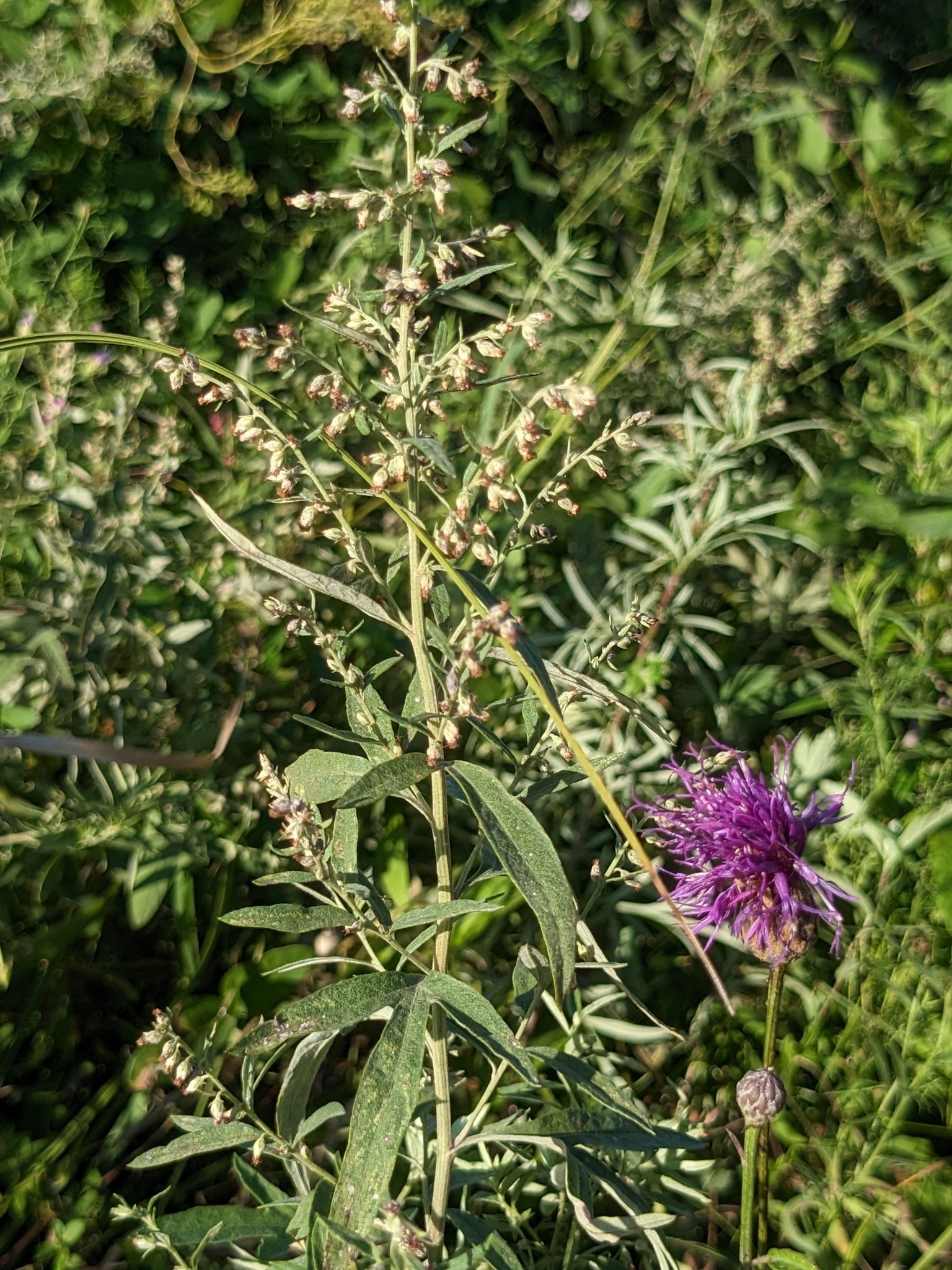
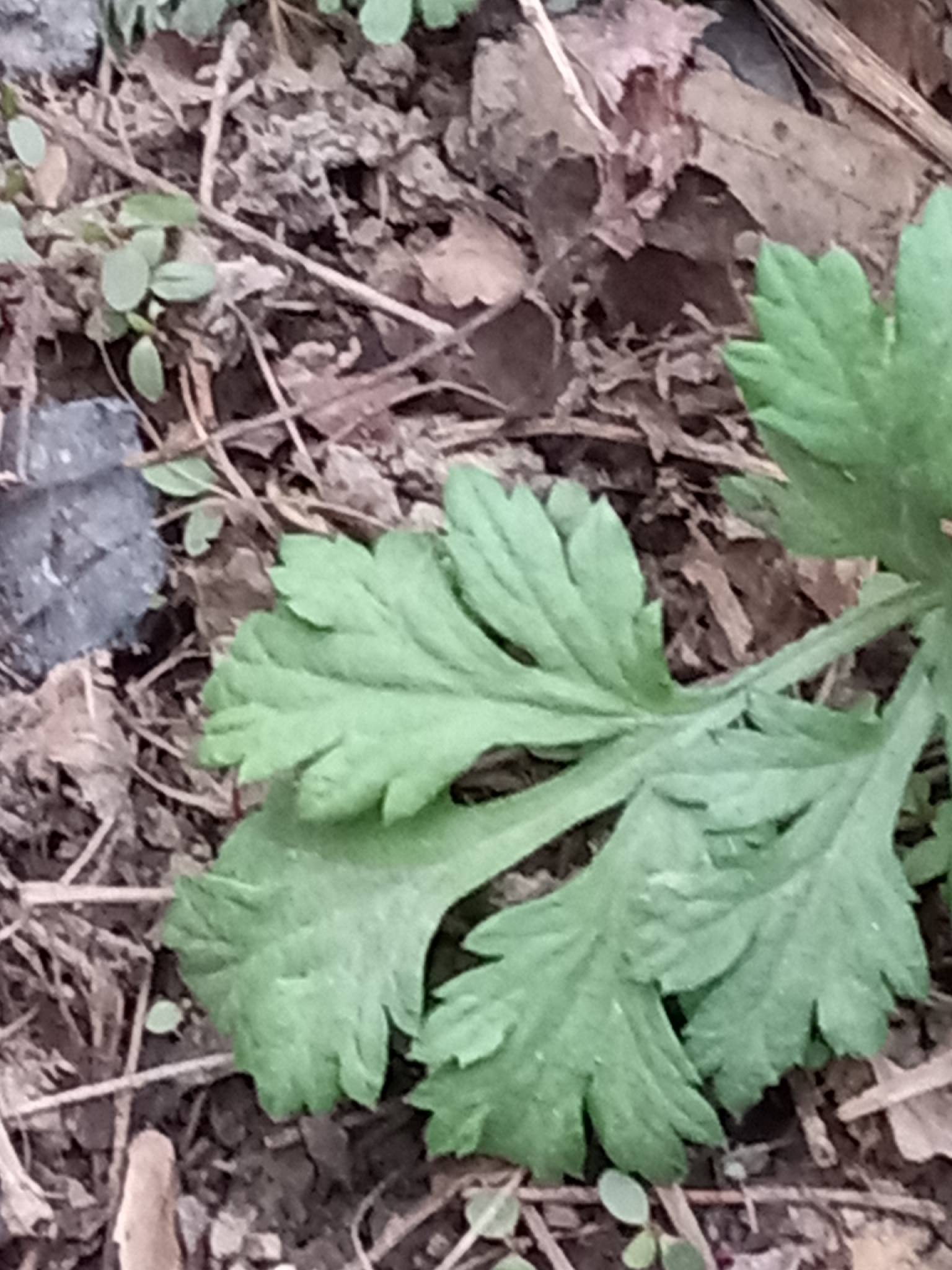
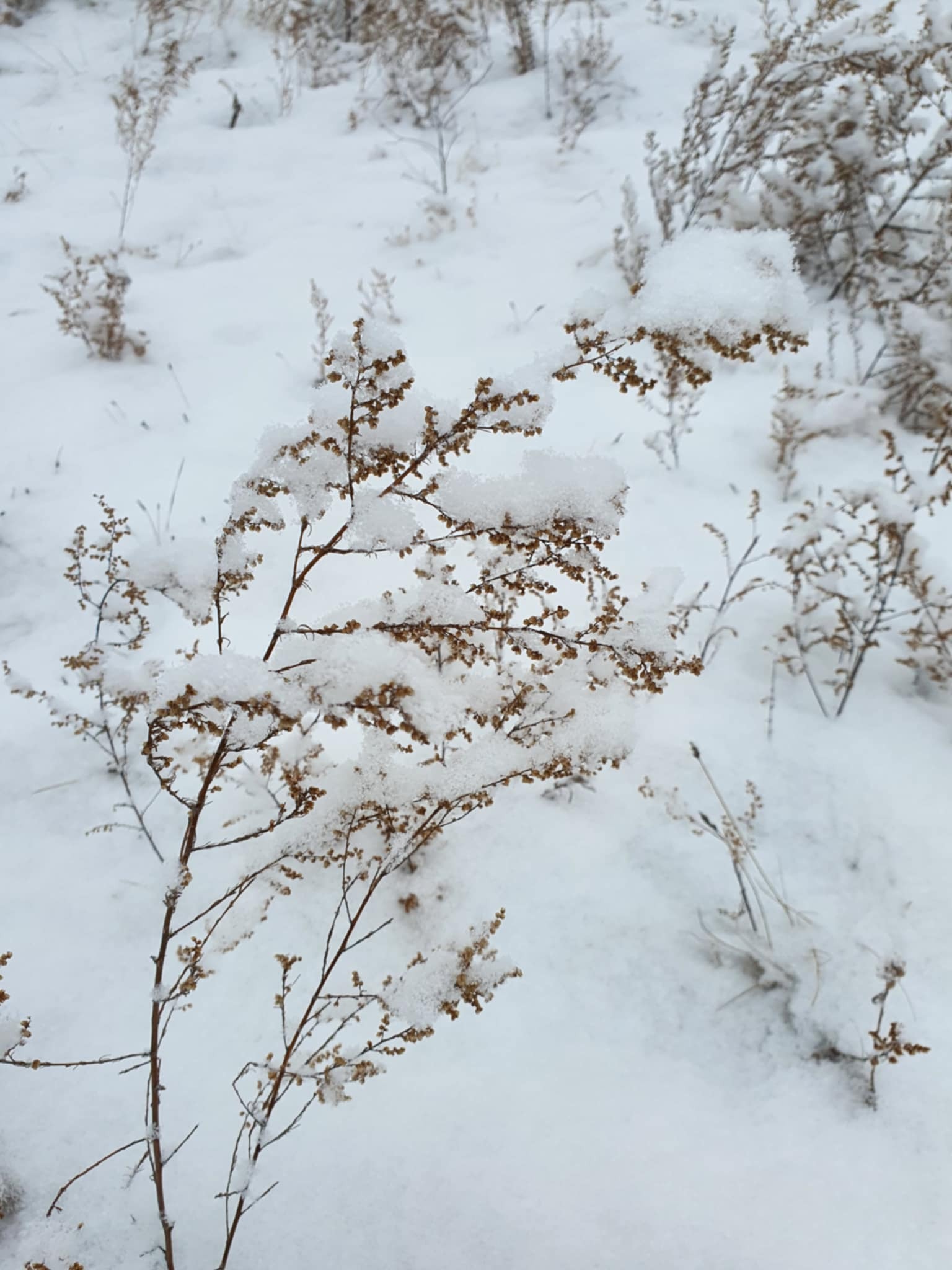
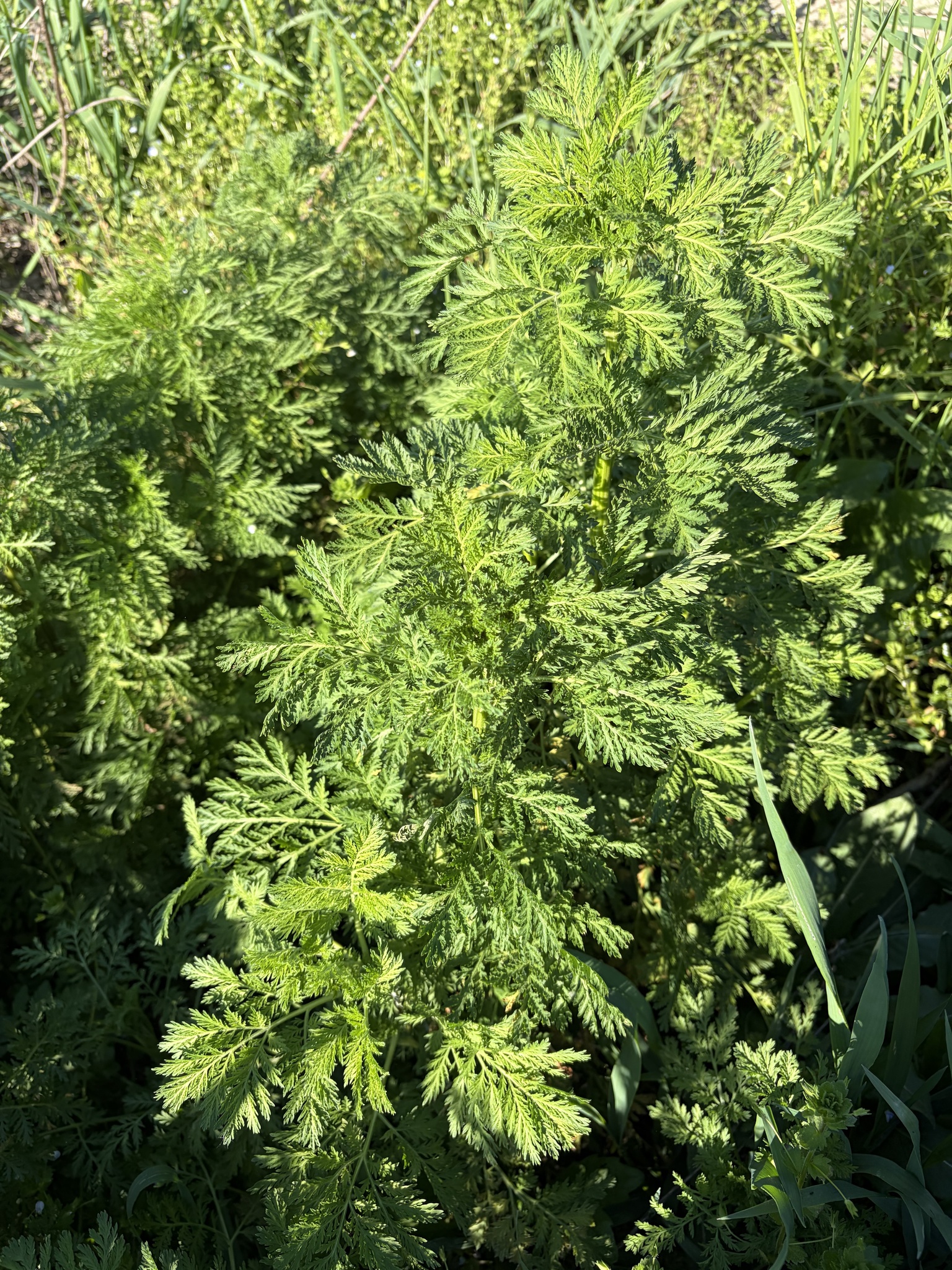
Fotos von Capillary Artemisia (Artemisia capillaris)
Gebräuchliche Namen und botanische Synonyme
Botanische Klassifikation
| Rang | Name |
|---|---|
| Reich | Plantae |
| Abteilung | Tracheophyta |
| Klasse | Magnoliopsida |
| Ordnung | Asterales |
| Familie | Asteraceae |
| Gattung | Artemisia |
| Art | Artemisia capillaris |
Ähnliche Arten der Gattung Artemisia
Antworten auf Grundlage der Daten im Pflanzenlexikon