Gießen
Water thoroughly when the top 2-3 cm of soil feels dry to the touch. Avoid overwatering, which can lead to root rot. Ensure good drainage in pots. Reduce watering in winter when growth slows down.
Sicherheitshinweis: Diese Pflanze kann für Haustiere giftig sein. Details zur Giftigkeit ansehen.
Zonal Geranium (Pelargonium x hortorum) — vorteile, pflege und anbauanleitung für diese Pelargonium-Art. Finde Tipps zu Gießen, Licht, Erde und Anbau, damit Zonal Geranium gesund bleibt, plus Bestimmungshinweise und Pflanzenprofil von ePlant AI.
Licht, Wasser, Boden und Wachstumsbedingungen auf einen Blick
Full sun to partial shade
75% Intensität
Prefers at least 6 hours of direct sunlight daily for best flowering.
Allow soil to dry out between waterings
50% Intensität
Excess moisture can cause root rot.
Well-drained loam
50% Intensität
15-24 °C
75% Intensität
Prefers temperatures between 15-25°C. Avoid frost.
Regular feeding during growing season
75% Intensität
Use a balanced liquid fertilizer every 2-4 weeks.
Sicherheitshinweise auf Grundlage von Pflanzentoxizitätsdaten
| Merkmal | Wert |
|---|---|
| Giftig für Menschen | Nein 0/5 Giftigkeitsgrad |
| Giftig für Haustiere | Ja 2/5 Giftigkeitsgrad |
| Essbar | Nein |
Low
Wichtige Merkmale und Wachstumsdaten aus den Pflanzendaten
Hinweise zu Gießen, Rückschnitt, Vermehrung und Umtopfen aus den Pflanzendaten
Water thoroughly when the top 2-3 cm of soil feels dry to the touch. Avoid overwatering, which can lead to root rot. Ensure good drainage in pots. Reduce watering in winter when growth slows down.
Pinch back young plants to encourage bushier growth. Remove spent flowers regularly (deadheading) to promote continuous blooming.
Prune established plants in late winter or early spring to shape and remove any dead or weak stems.
Easily propagated from stem cuttings taken in spring or early summer. Select healthy stems, remove lower leaves, and insert into moist potting mix or water. Cuttings typically root within 3-4 weeks.
Repot annually or when the plant becomes root-bound, usually in spring. Choose a pot one size larger than the current one. Use a well-draining potting mix. Ensure the new pot has drainage holes.
Ähnliche Pflanzen mit ePlant AI bestimmen
Fotografiere eine Pflanze, erhalte Pflegetipps und finde unterwegs ähnliche Arten.
Monatliche Aktivitätsintensität von Blüte und Fruchtbildung auf Nord- und Südhalbkugel.
Kalender für Blüte und Fruchtbildung
Kalender für Blüte und Fruchtbildung
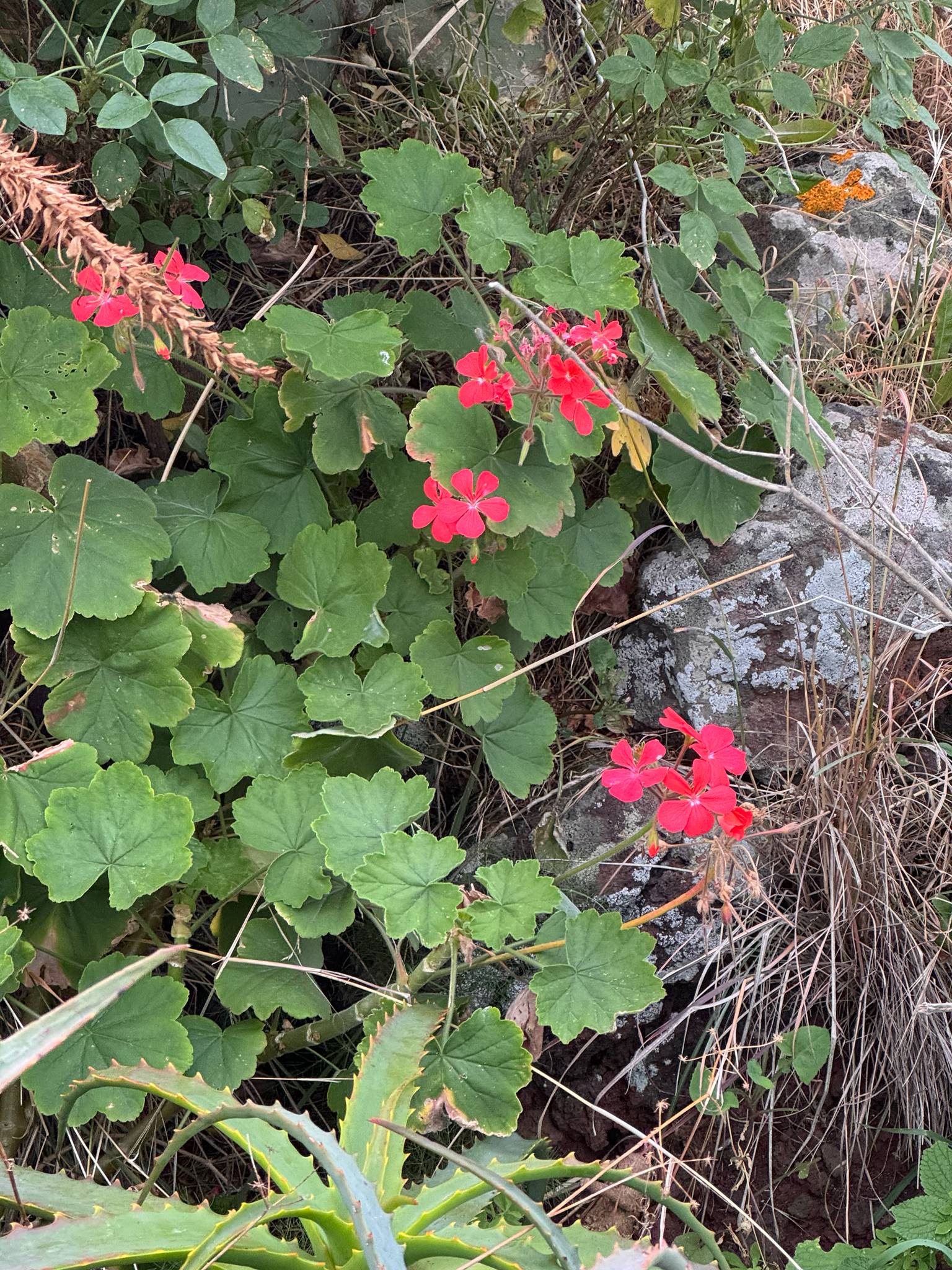
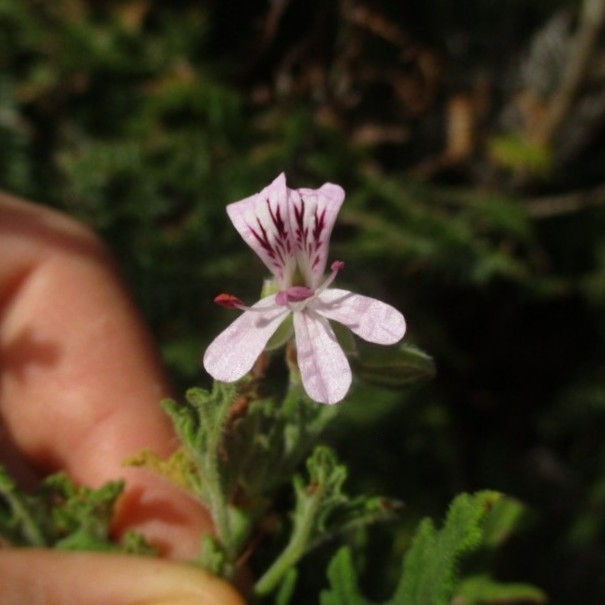
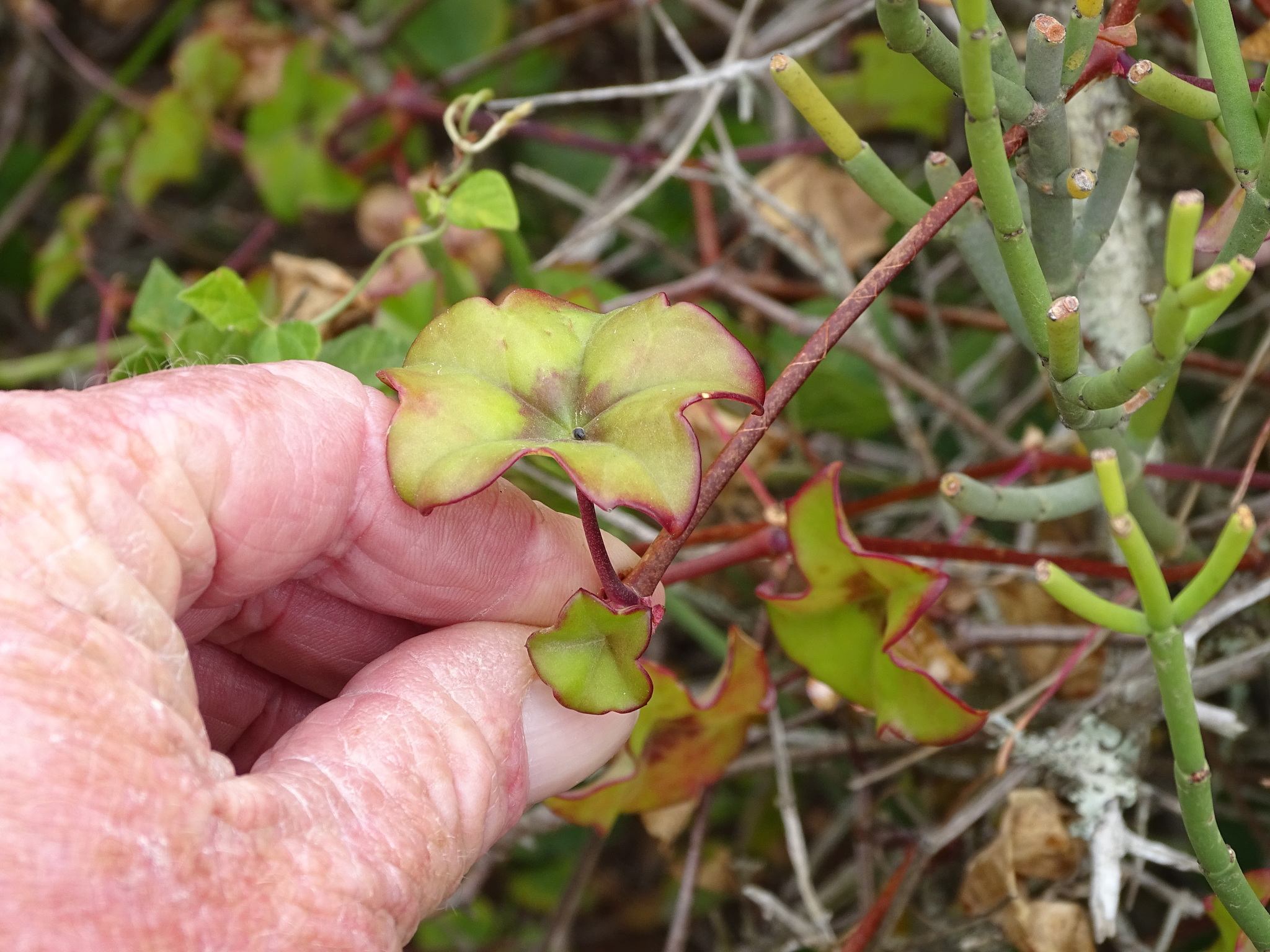
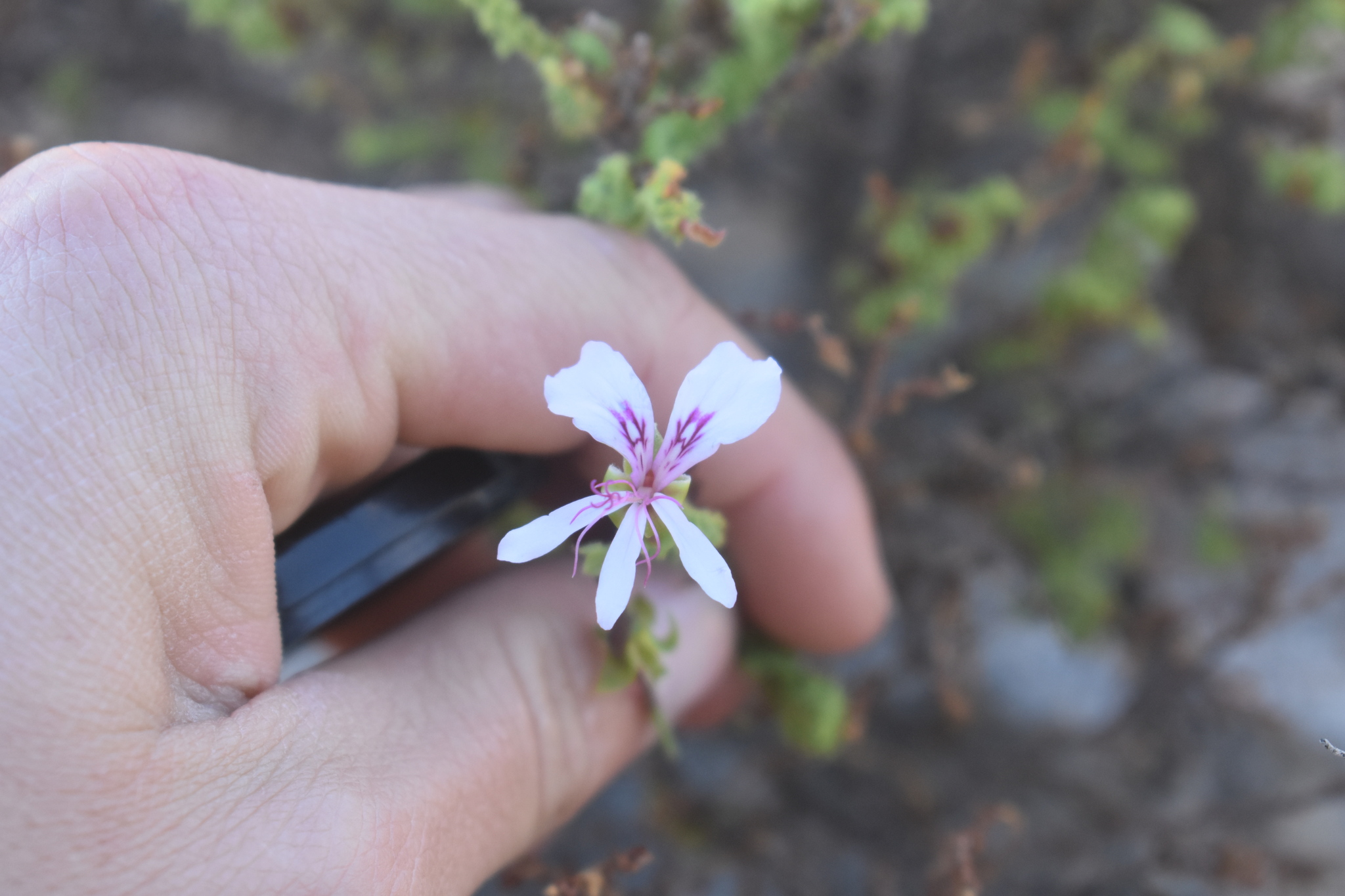
Fotos von Pelargonium X Hortorum (Pelargonium x hortorum)
Wo Pelargonium X Hortorum (Pelargonium x hortorum) vorkommt

Density
Karte tippen zum Erkunden
7 bekannte Auffälligkeiten aus Pflanzengesundheitsdaten

Bacterial Blight in Geranium causes water-soaked leaf spots, stem darkening, and quick wilting that can collapse whole plants.

Gray Mold on Geranium covers fading flowers, leaves, and stems with fuzzy gray growth, leading to soft decay and blighted blooms.

Black Leg in Geranium causes blackened stem bases, sudden wilt, and rotting cuttings that fail soon after planting.

Geranium Rust on Geranium forms yellow spots above and rusty brown pustules below, weakening leaves and reducing plant vigor.

Verticillium Wilt in Geranium causes one-sided yellowing, leaf scorch, and drooping shoots that slowly die back.

Southern Bacterial Wilt in Geranium causes sudden drooping, stem browning, and rapid whole-plant wilt even in moist soil.
Botanische Klassifikation
| Rang | Name |
|---|---|
| Art | Pelargonium x hortorum |
Ähnliche Arten der Gattung Pelargonium
Antworten auf Grundlage der Daten im Pflanzenlexikon