Riego
Water consistently to keep the soil moist, especially during establishment and dry periods. Allow the top few centimeters of soil to dry out between waterings.
Reduce watering in cooler months, but never let the plant dry out completely.
También conocido como Cassowary Plumtree · Cassowary-Plum · Grey Milkwood
Nota de seguridad: Esta planta puede ser tóxica para humanos y mascotas. Ver detalles de toxicidad.
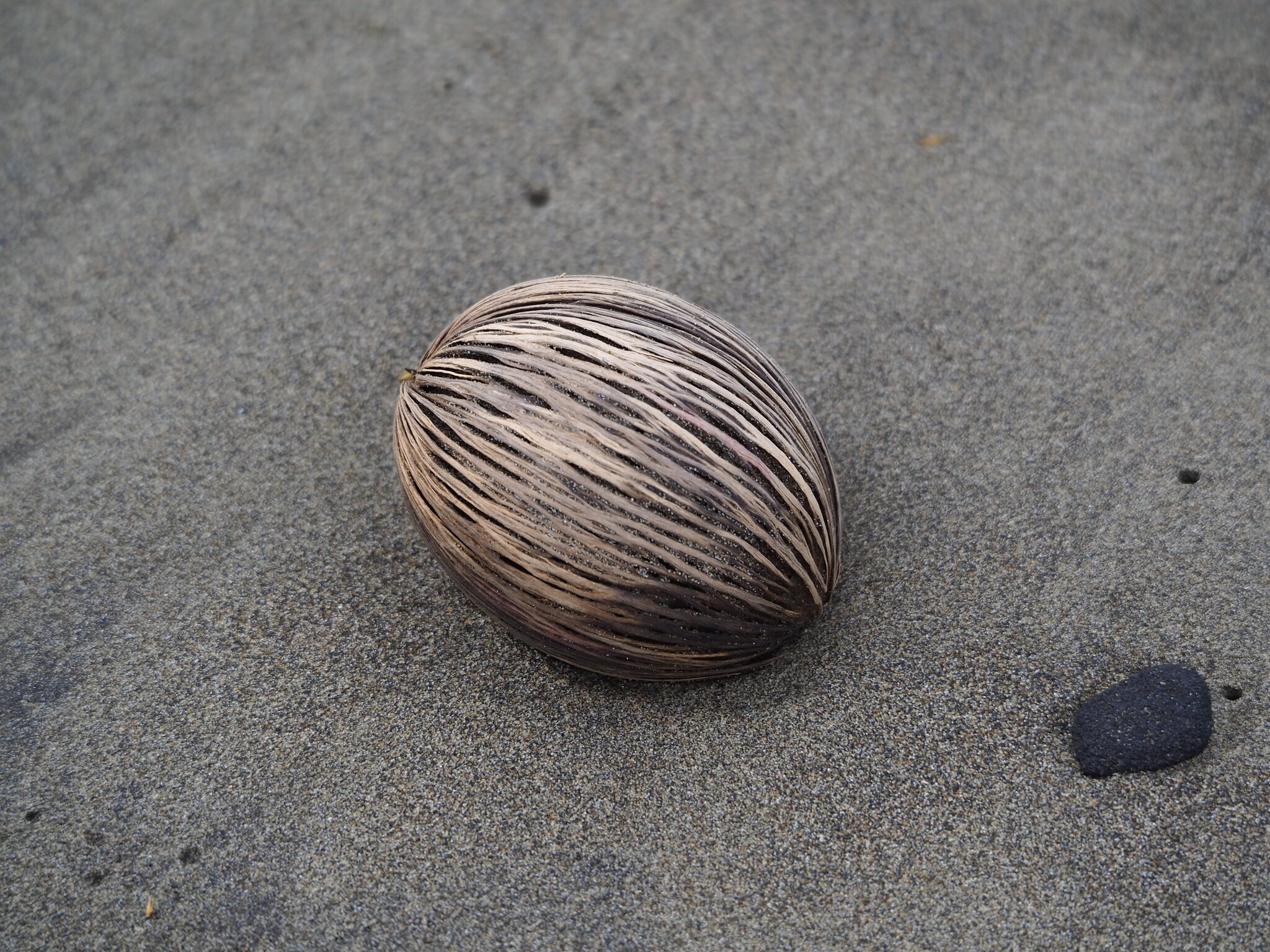
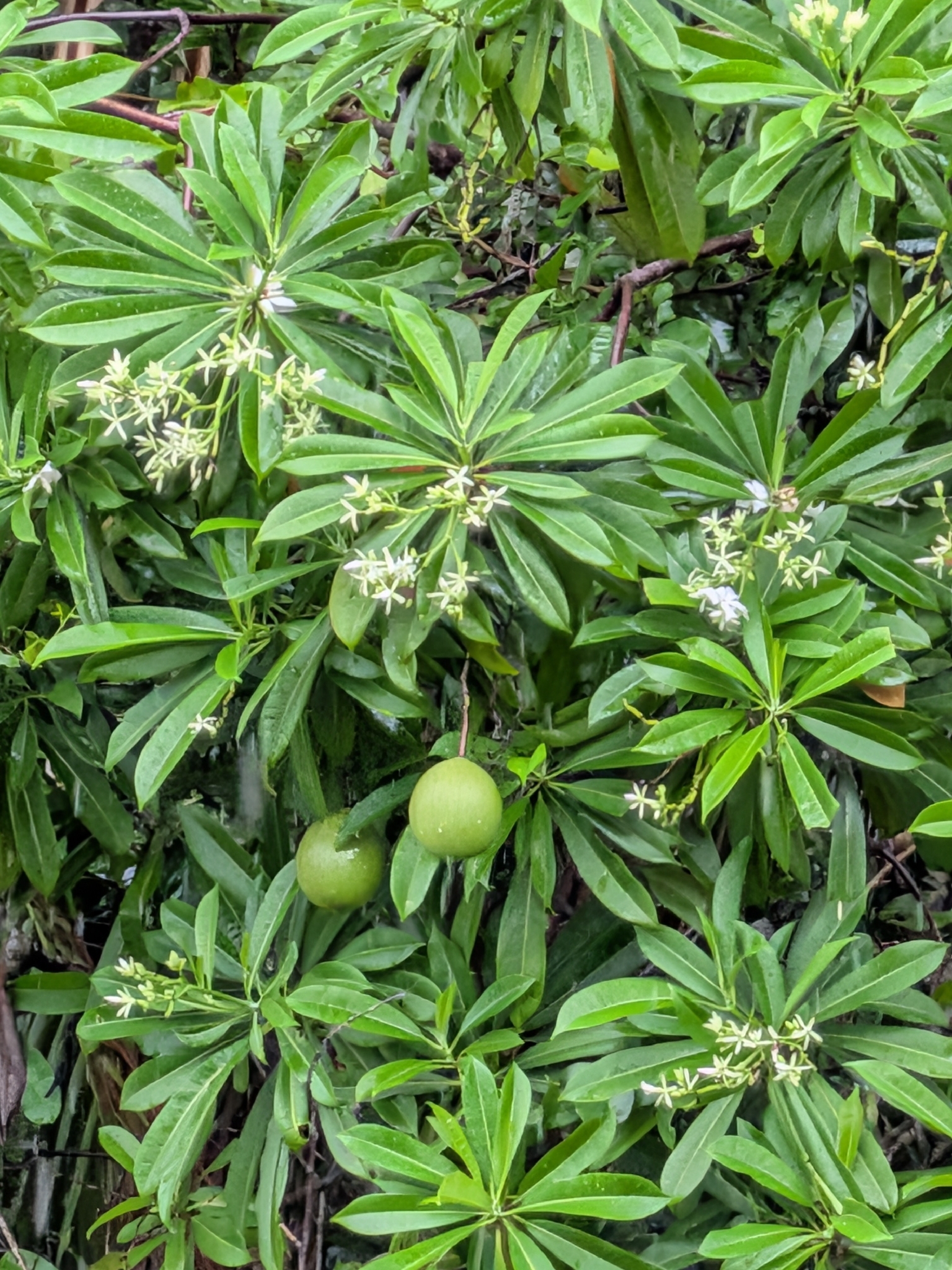
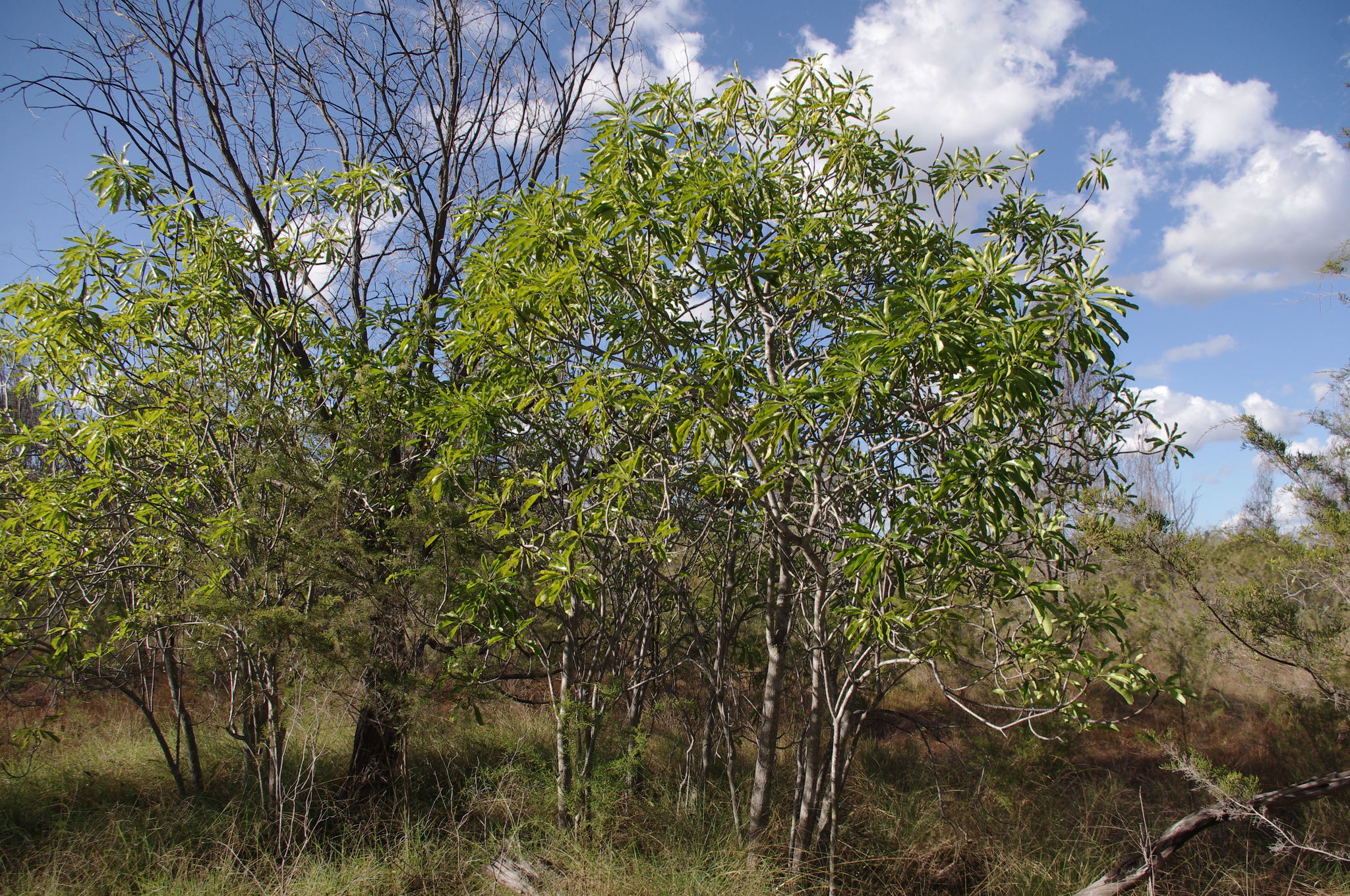
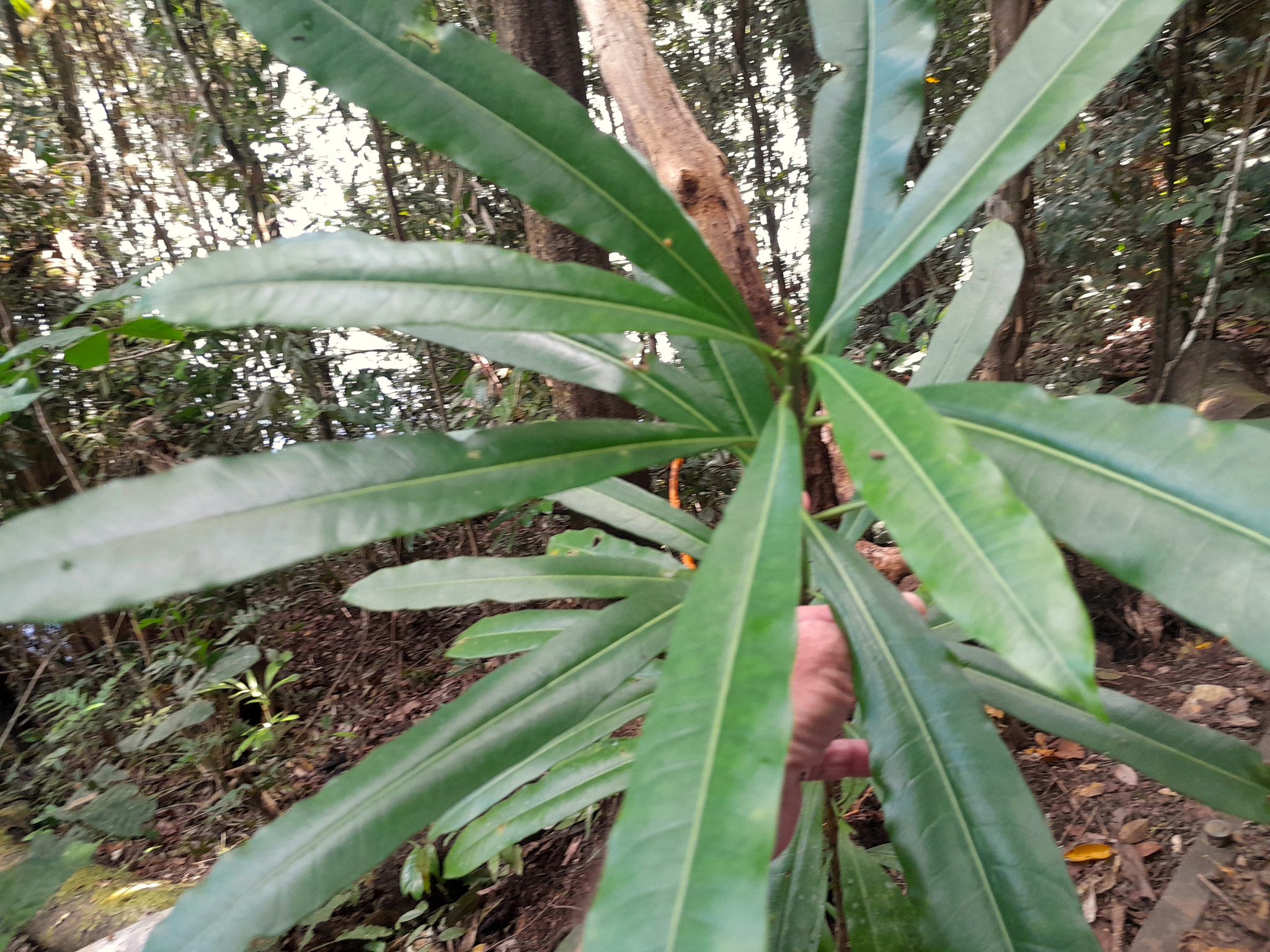
Cerbera floribunda, comúnmente conocida como Cassowary Plum, es un árbol nativo de Australia y Nueva Guinea, apreciado por sus frutos y su valor ornamental. Sus flores blancas perfumadas atraen a polinizadores y sus frutos son consumidos por la fauna local.
A simple vista: luz, riego, suelo y condiciones de cultivo según los datos de la planta
Full sun to partial shade
75% intensidad
Prefers bright, indirect light. Can tolerate full sun if adequately watered, but may scorch in intense afternoon sun.
Regular watering
50% intensidad
Keep soil consistently moist, allowing the top layer to dry slightly between waterings. Reduce in cooler months.
Well-drained, fertile soil
50% intensidad
18-30 °C
75% intensidad
Thrives in warm to hot temperatures, ideally between 20-30°C. Protect from frost and prolonged cold.
Moderate feeding
50% intensidad
Feed with a balanced fertilizer during the growing season; reduce in cooler months. Avoid over-fertilization.
Información de seguridad a partir de los datos de toxicidad de la planta
| Atributo | Valor |
|---|---|
| Tóxica para humanos | Sí 5/5 intensidad |
| Tóxica para mascotas | Sí 5/5 intensidad |
| Comestible | No |
All parts of the plant are toxic.
Rasgos clave y estadísticas de cultivo a partir de los datos de la planta
Detalles de riego, poda, propagación y trasplante a partir de los datos de la planta
Water consistently to keep the soil moist, especially during establishment and dry periods. Allow the top few centimeters of soil to dry out between waterings.
Reduce watering in cooler months, but never let the plant dry out completely.
Prune to shape the plant, remove dead or diseased branches, and encourage bushier growth. Light pruning can be done any time, but heavier pruning is best in late winter or early spring before new growth begins.
Remove any suckers that appear at the base.
Propagate from seeds sown fresh after removing the pulp. Seeds can be slow to germinate. Cuttings are also an option, taken from semi-hardwood in late summer or autumn and treated with rooting hormone.
Ensure good drainage for cuttings.
Young plants benefit from repotting every 1-2 years into a slightly larger pot. Mature plants are less fussy and can remain in their pots for longer. Use a well-draining potting mix.
Repot in spring when new growth is starting.
Identifica plantas como esta con ePlant AI
Saca una foto para obtener consejos de cuidado y encontrar especies similares sobre la marcha.
Intensidad mensual de la actividad para flor y fruto en ambos hemisferios.
Calendario de floración y fructificación
Calendario de floración y fructificación
Fotos de Cassowary Plum (Cerbera floribunda)
Nombres comunes y sinónimos botánicos
Clasificación botánica
| Rango | Nombre |
|---|---|
| Reino | Plantae |
| División | Tracheophyta |
| Clase | Magnoliopsida |
| Orden | Gentianales |
| Familia | Apocynaceae |
| Género | Cerbera |
| Especie | Cerbera floribunda |
Similares en el género Cerbera
Respuestas basadas en datos de la enciclopedia de plantas