Arrosage
Water regularly, especially during dry periods and when the plant is establishing. Aim for consistently moist, but not waterlogged, soil. Reduce watering in winter when the plant is dormant.
Ensure good drainage to prevent root rot.
Chinese Pearleaf Crabapple (Malus asiatica) - bienfaits, entretien et guide de culture pour cette espèce de Malus. Trouvez arrosage, lumière, sol et conseils de culture pour garder Chinese Pearleaf Crabapple en bonne santé, plus des notes d’identification et la fiche plante avec ePlant AI.
Arrosage, exposition, terreau et conditions de culture en un coup d’œil
Full Sun
100% intensité
Prefers at least 6 hours of direct sunlight daily for best flowering and fruiting.
Moderate
50% intensité
Keep soil consistently moist, especially during establishment and dry spells. Reduce in winter.
Loam
50% intensité
15-25°C
25% intensité
Thrives in temperate climates with distinct seasons. Tolerates winter frost well.
Outdoor
50% intensité
Moderate
50% intensité
Feed in early spring with a balanced fertilizer. Mulch with compost annually.
Informations de sécurité issues des données sur la toxicité de la plante
| Caractéristique | Valeur |
|---|---|
| Toxique pour les humains | Non 0/5 toxicité |
| Toxique pour les animaux domestiques | Non 0/5 toxicité |
| Comestible | Oui |
Caractéristiques botaniques et données de croissance de la plante
Arrosage, taille, multiplication et rempotage selon les données de la plante
Water regularly, especially during dry periods and when the plant is establishing. Aim for consistently moist, but not waterlogged, soil. Reduce watering in winter when the plant is dormant.
Ensure good drainage to prevent root rot.
Prune in late winter or early spring before bud break to shape the tree, remove dead or diseased branches, and improve air circulation. Thin out crowded areas to promote fruit production and prevent disease.
Can also be pruned after flowering to maintain shape.
Best propagated by grafting onto suitable rootstock in late winter. Seed propagation is possible but may not result in true-to-type offspring.
Cuttings can be challenging but may be attempted with softwood cuttings in summer.
Young plants may benefit from repotting every 2-3 years in spring to refresh soil and manage root growth. Mature trees are best left in situ, but if transplanting is necessary, do so during dormancy with a large root ball.
Identifiez vos plantes avec ePlant AI
Prenez une photo pour obtenir des conseils d’entretien et trouver des espèces similaires, même en déplacement.
Évolution mensuelle de la floraison et de la fructification dans les deux hémisphères.
Calendrier de floraison et de fructification
Calendrier de floraison et de fructification
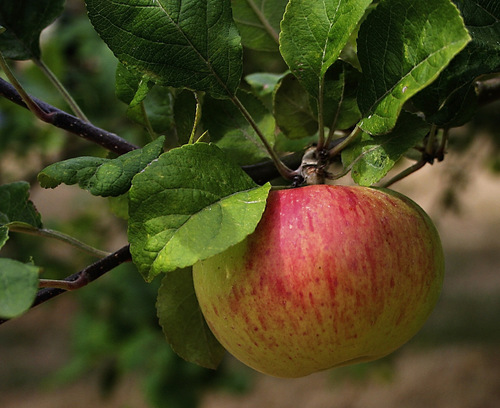
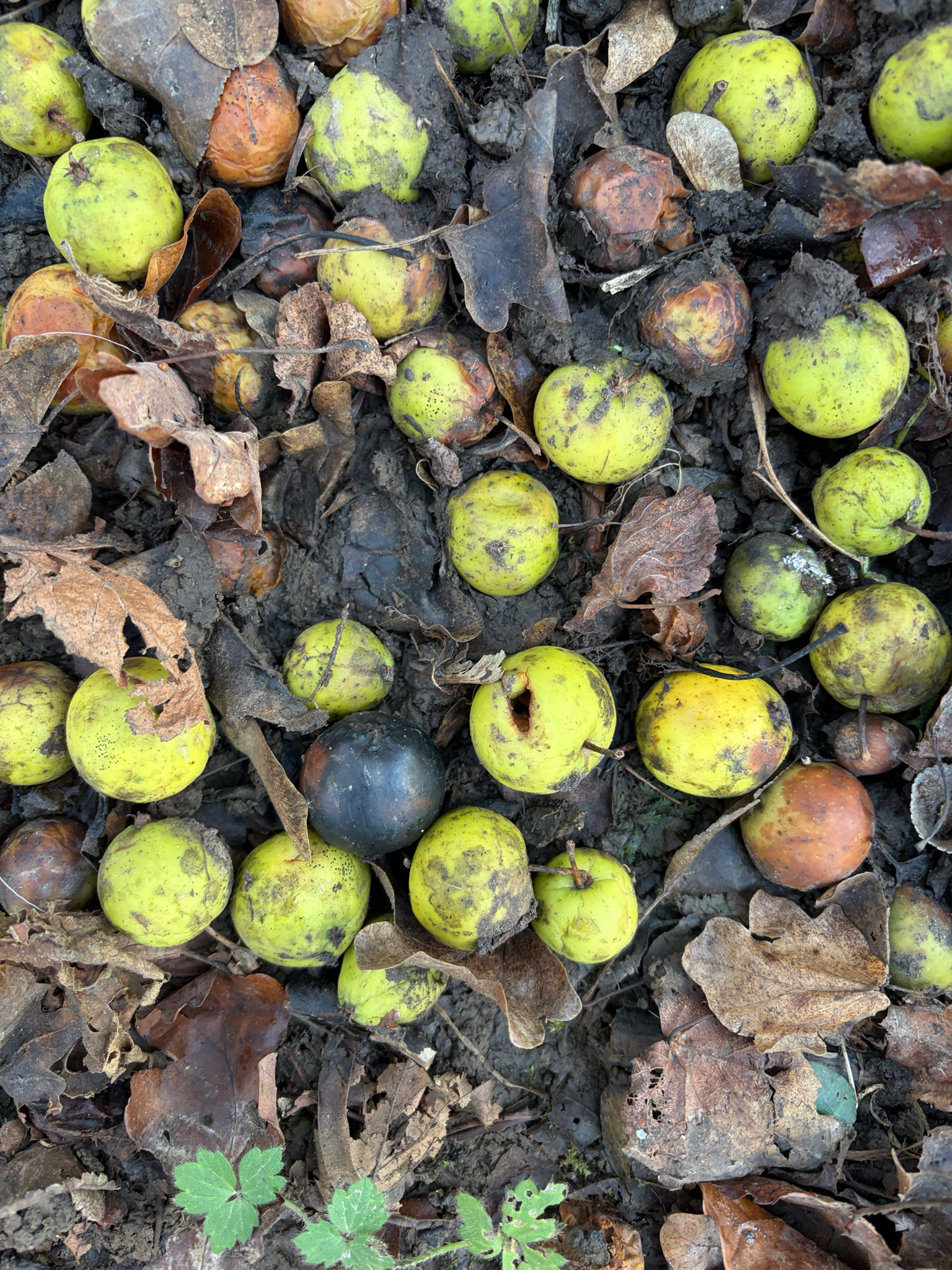
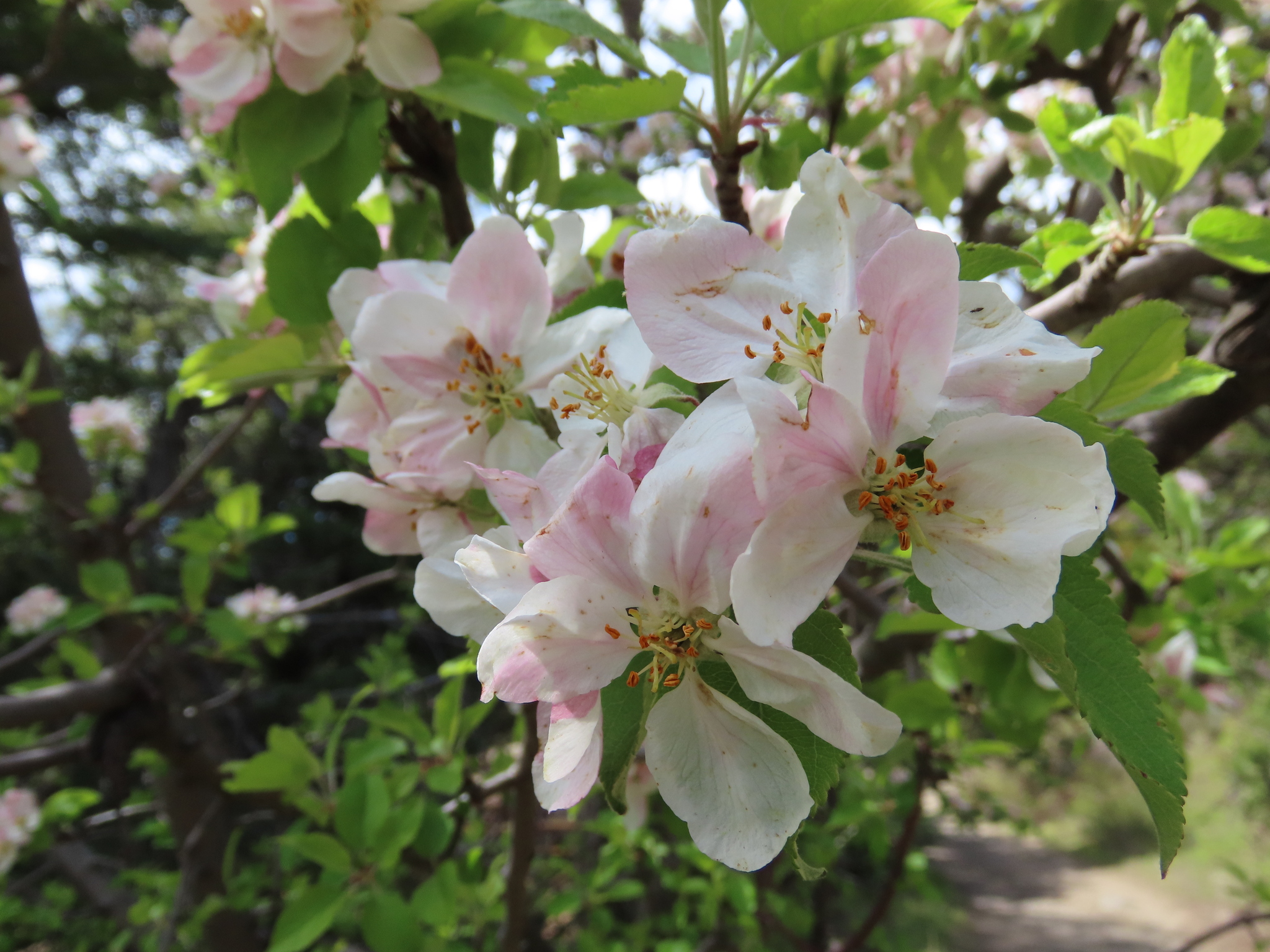
Photos : Chinese Pearleaf Crabapple (Malus asiatica)
Noms communs, noms botaniques et synonymes
Classification scientifique de la plante
| Rang taxonomique | Nom scientifique |
|---|---|
| Règne | Plantae |
| Division | Tracheophyta |
| Classe | Magnoliopsida |
| Ordre | Rosales |
| Famille | Rosaceae |
| Genre | Malus |
| Espèce | Malus asiatica |
Espèces similaires du genre Malus
Réponses fondées sur les données de notre encyclopédie des plantes