Arrosage
Keep soil consistently moist but not waterlogged. Water deeply when the top few centimeters of soil feel dry. Reduce watering in winter when the plant is dormant.
Ensure good drainage to prevent root rot, especially in containers.
Himalayan Rhubarb (Rheum acuminatum) - bienfaits, entretien et guide de culture pour cette espèce de Rheum. Trouvez arrosage, lumière, sol et conseils de culture pour garder Himalayan Rhubarb en bonne santé, plus des notes d’identification et la fiche plante avec ePlant AI.
Arrosage, exposition, terreau et conditions de culture en un coup d’œil
Full Sun to Partial Shade
75% intensité
Thrives in full sun but can tolerate light shade, especially in hotter climates.
Consistent Moisture
75% intensité
Prefers moist soil but requires excellent drainage.
Well-drained, fertile soil
50% intensité
15-25°C
50% intensité
Prefers cooler temperatures; can struggle in prolonged heat. Hardy in USDA zones 4-8.
Outdoor
50% intensité
Light
25% intensité
Feed sparingly in spring with a balanced fertilizer or compost.
Informations de sécurité issues des données sur la toxicité de la plante
| Caractéristique | Valeur |
|---|
Leaves and roots contain oxalic acid and are toxic.
Caractéristiques botaniques et données de croissance de la plante
Arrosage, taille, multiplication et rempotage selon les données de la plante
Keep soil consistently moist but not waterlogged. Water deeply when the top few centimeters of soil feel dry. Reduce watering in winter when the plant is dormant.
Ensure good drainage to prevent root rot, especially in containers.
Remove dead or damaged foliage in late autumn or early spring. Cut back flowering stalks after blooming if you wish to prevent seed formation and encourage plant vigor. Harvest edible stalks by cutting them at the base.
Propagate by dividing established clumps in early spring before new growth begins. Sow fresh seeds in autumn or early spring in well-drained soil. Allow seeds to stratify naturally outdoors if sown in autumn.
Repot container-grown plants every 2-3 years in early spring. Choose a pot that is at least 30 cm in diameter and depth. Use a well-draining potting mix, and ensure the crown of the plant is just at the soil surface.
Identifiez vos plantes avec ePlant AI
Prenez une photo pour obtenir des conseils d’entretien et trouver des espèces similaires, même en déplacement.
Évolution mensuelle de la floraison et de la fructification dans les deux hémisphères.
Calendrier de floraison et de fructification
Calendrier de floraison et de fructification
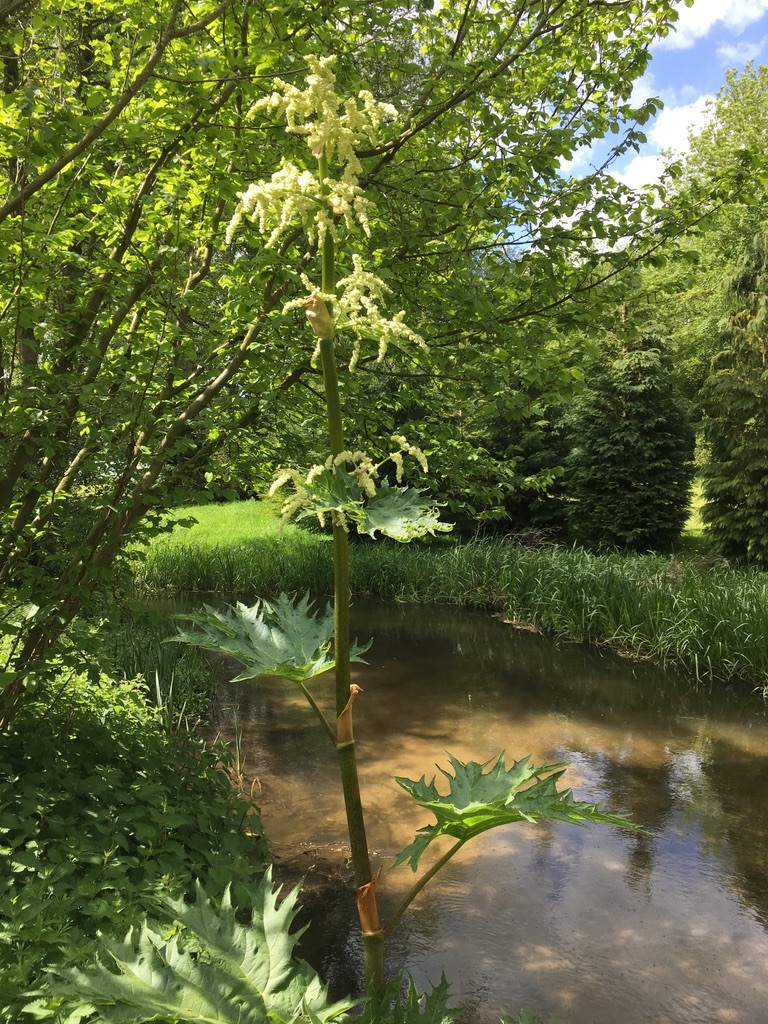
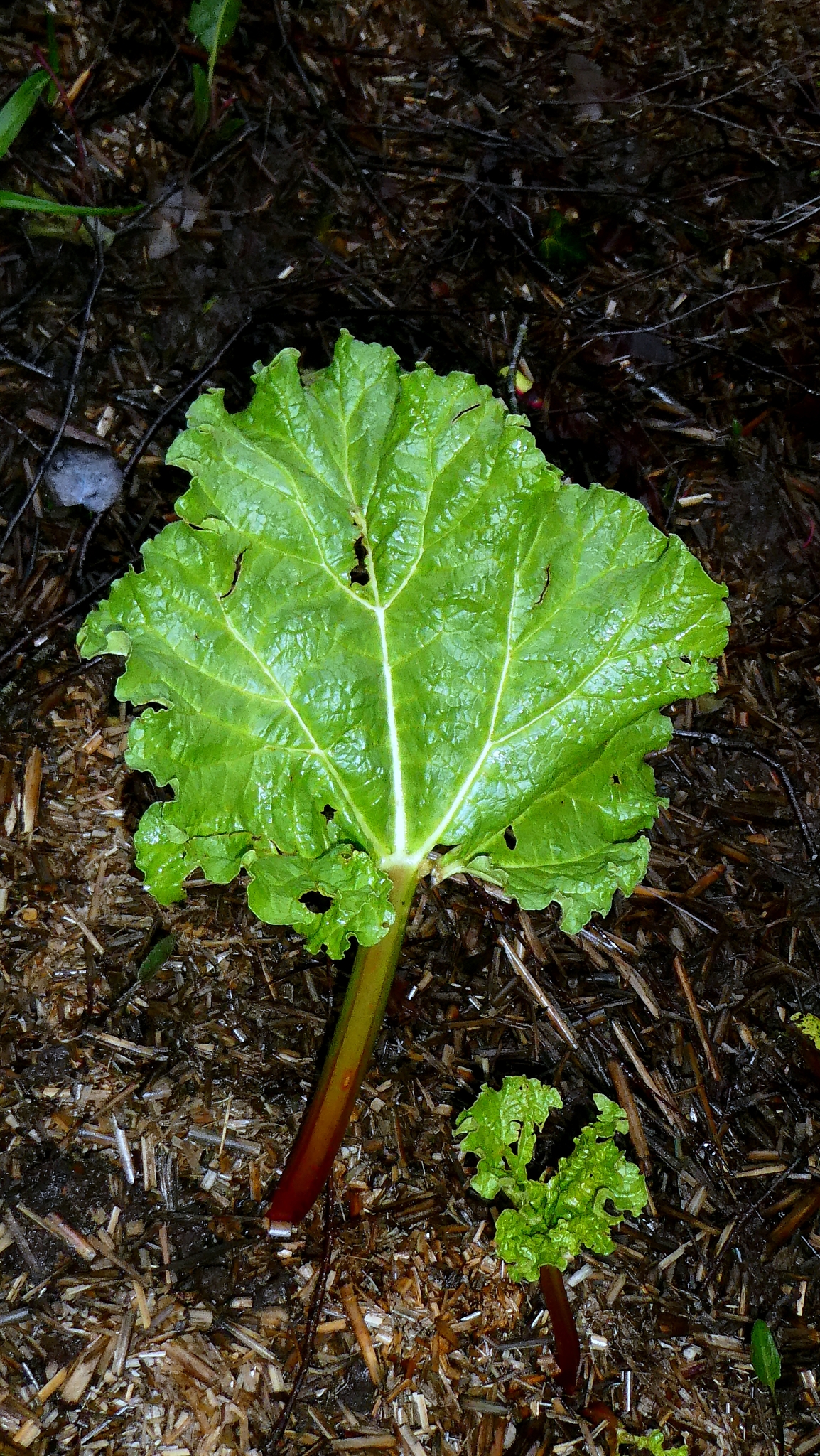
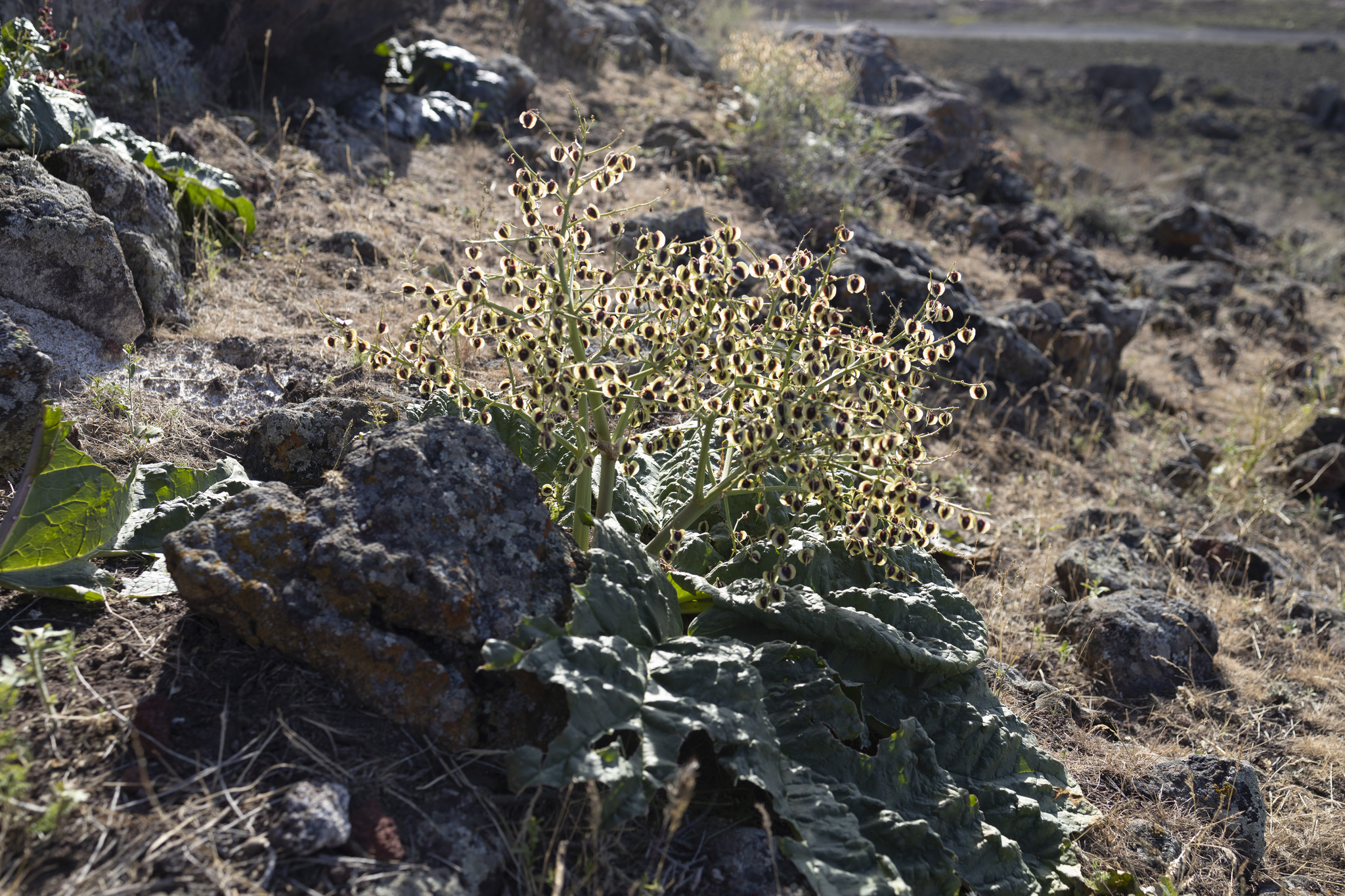
Photos : Himalayan Rhubarb (Rheum acuminatum)
Noms communs, noms botaniques et synonymes
Classification scientifique de la plante
| Rang taxonomique | Nom scientifique |
|---|---|
| Règne | Plantae |
| Division | Tracheophyta |
| Classe | Magnoliopsida |
| Ordre | Caryophyllales |
| Famille | Polygonaceae |
| Genre | Rheum |
| Espèce | Rheum acuminatum |
Espèces similaires du genre Rheum
Réponses fondées sur les données de notre encyclopédie des plantes