Arrosage
Water thoroughly after planting and then sparingly. Genista acanthoclada is drought-tolerant once established. Allow the soil to dry out between waterings to prevent root rot.
Reduce watering significantly during winter dormancy.
Autres noms : Thorny Broom
Peloponnese Broom (Genista acanthoclada) - guide de culture, bienfaits et entretien pour cette espèce de Genista. Trouvez arrosage, lumière, sol et conseils de culture pour garder Peloponnese Broom en bonne santé, plus des notes d’identification et la fiche plante avec ePlant AI.
Arrosage, exposition, terreau et conditions de culture en un coup d’œil
Full Sun
100% intensité
Requires at least 6-8 hours of direct sunlight daily for best flowering and growth.
Drought Tolerant
25% intensité
Allow soil to dry between waterings. Avoid waterlogging.
Well-drained
50% intensité
15-25°C
50% intensité
Prefers warm temperatures but can tolerate light frost. Protect from severe cold.
Low
25% intensité
Does not require frequent feeding; a light, balanced fertilizer in spring is usually sufficient.
Informations de sécurité issues des données sur la toxicité de la plante
| Caractéristique | Valeur |
|---|---|
| Toxique pour les humains | Non 0/5 toxicité |
| Toxique pour les animaux domestiques | Non 0/5 toxicité |
| Comestible | Non |
Caractéristiques botaniques et données de croissance de la plante
Arrosage, taille, multiplication et rempotage selon les données de la plante
Water thoroughly after planting and then sparingly. Genista acanthoclada is drought-tolerant once established. Allow the soil to dry out between waterings to prevent root rot.
Reduce watering significantly during winter dormancy.
Prune after flowering to maintain shape and encourage bushier growth. Remove dead, damaged, or crossing branches at any time. Heavy pruning should be avoided as it may not tolerate it well.
Shaping can be done to keep it compact.
Propagation is typically done by seed, sown in spring. Scarify seeds before sowing to improve germination rates.
Cuttings taken from semi-hardwood in summer can also be used, but are often less successful than seed propagation.
Repotting is rarely necessary as Genista acanthoclada prefers to be root-bound. If it becomes essential, do so in spring before new growth begins.
Use a well-draining potting mix and a pot only slightly larger than the current one.
Identifiez vos plantes avec ePlant AI
Prenez une photo pour obtenir des conseils d’entretien et trouver des espèces similaires, même en déplacement.
Évolution mensuelle de la floraison et de la fructification dans les deux hémisphères.
Calendrier de floraison et de fructification
Calendrier de floraison et de fructification
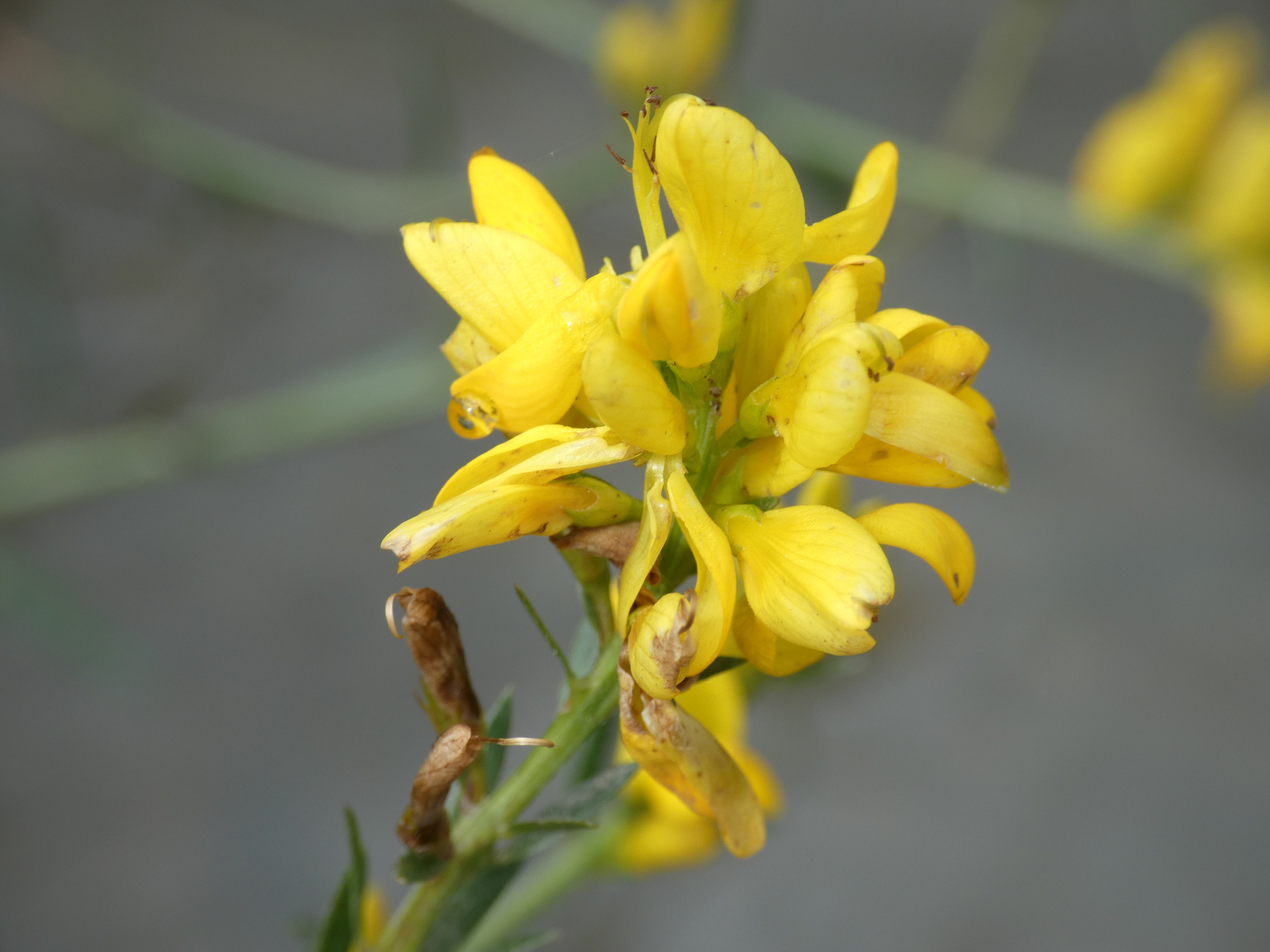
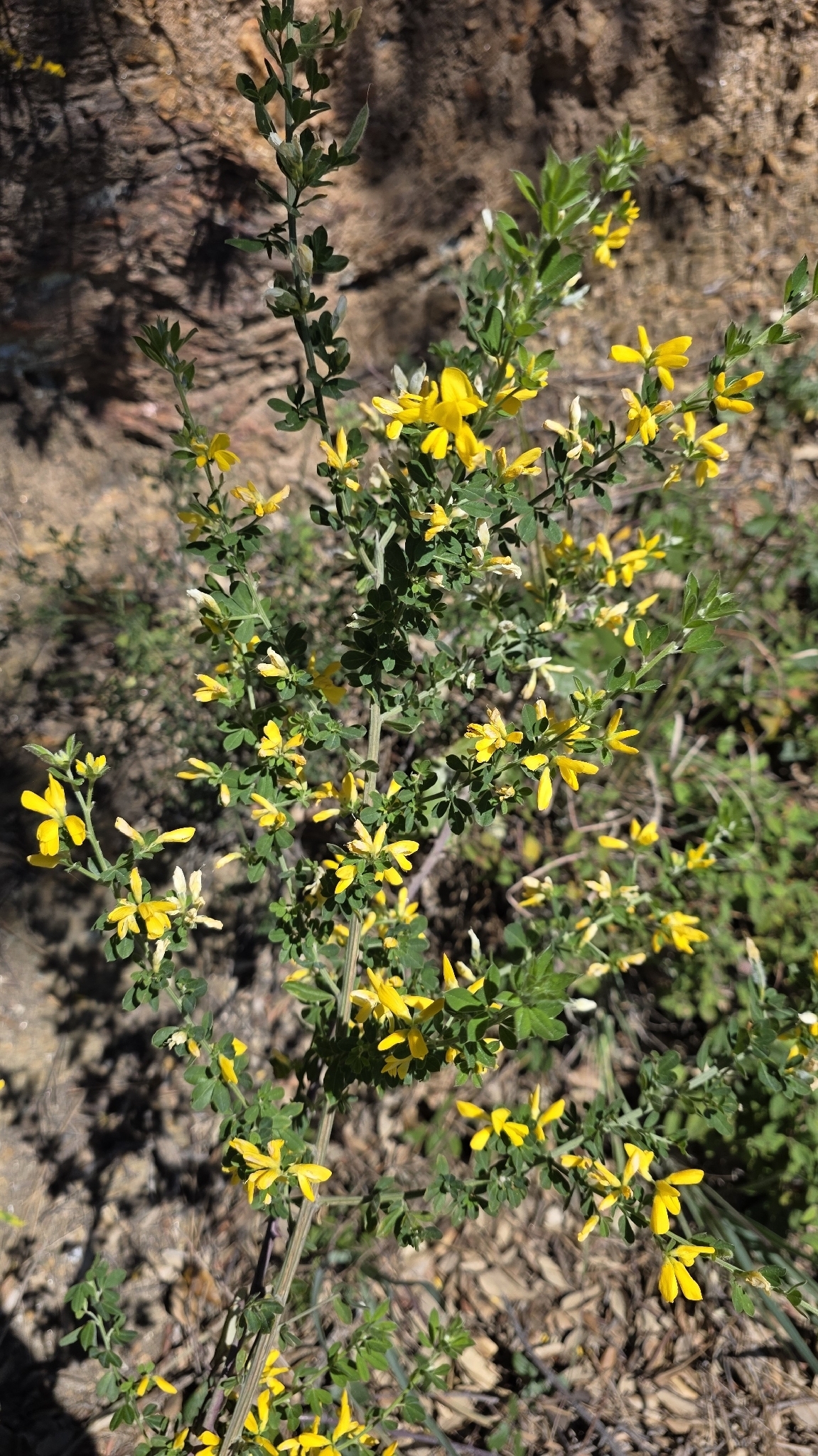
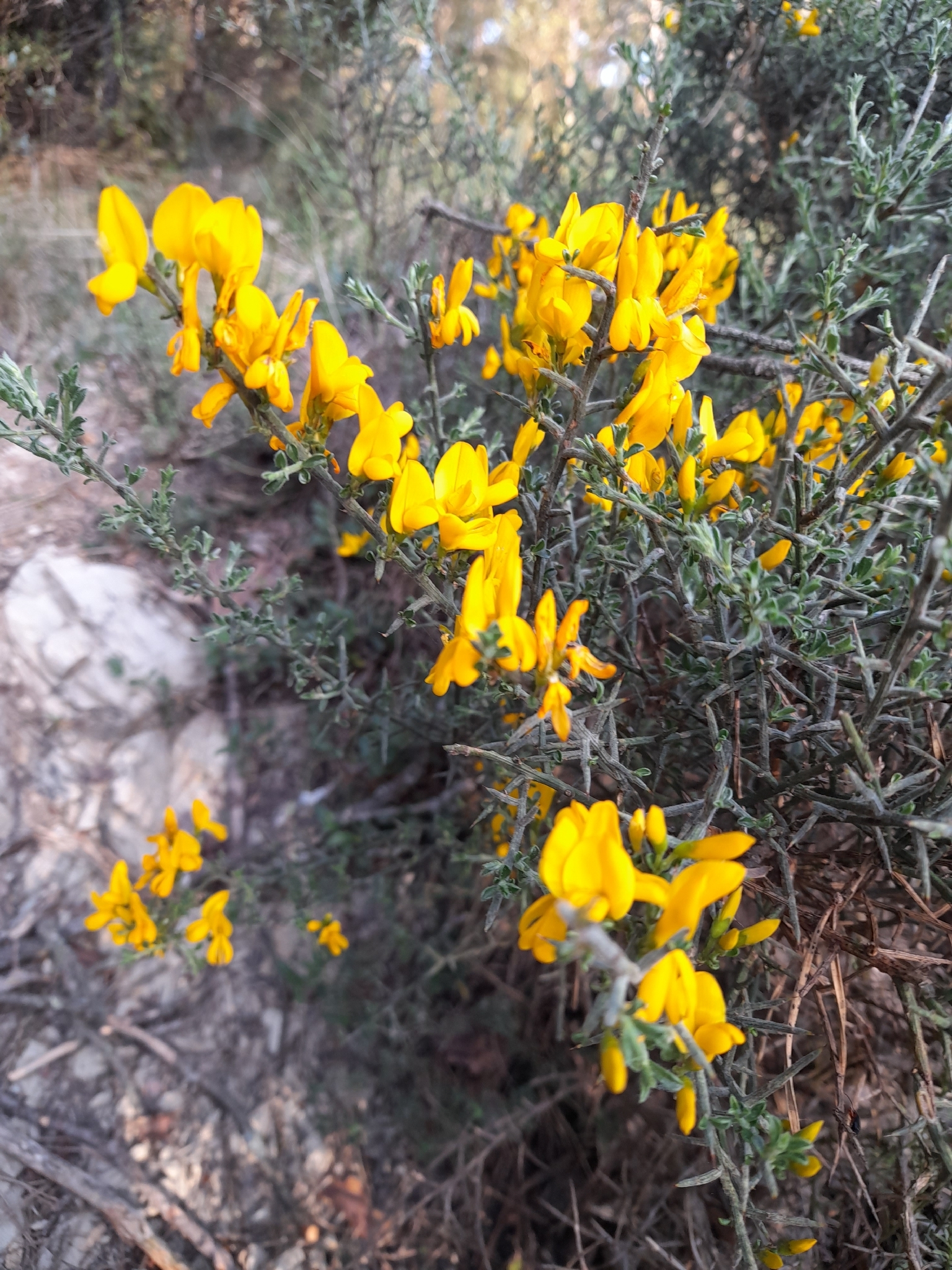
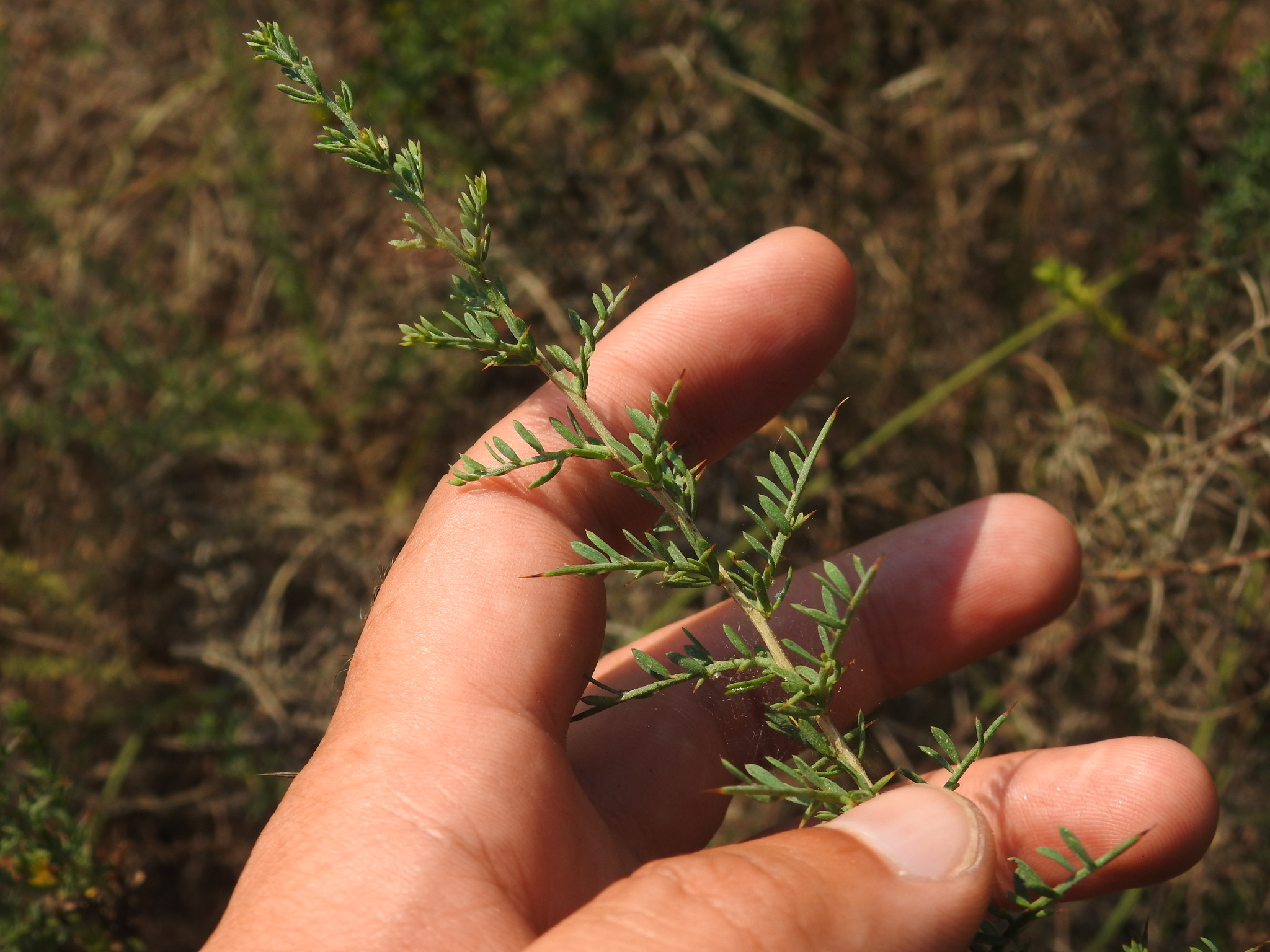
Photos : Peloponnese Broom (Genista acanthoclada)
Noms communs, noms botaniques et synonymes
Classification scientifique de la plante
| Rang taxonomique | Nom scientifique |
|---|---|
| Règne | Plantae |
| Division | Tracheophyta |
| Classe | Magnoliopsida |
| Ordre | Fabales |
| Famille | Fabaceae |
| Genre | Genista |
| Espèce | Genista acanthoclada |
Espèces similaires du genre Genista
Réponses fondées sur les données de notre encyclopédie des plantes