Arrosage
Water thoroughly when the top 2-3 cm of soil feels dry. Reduce watering significantly during its dormant period in late autumn and winter. Avoid waterlogging, which can lead to bulb rot. Ensure good drainage in the pot.
Autres noms : Queen Lily
Attention : Cette plante peut être toxique pour les humains et les animaux domestiques. Voir les détails sur la toxicité.
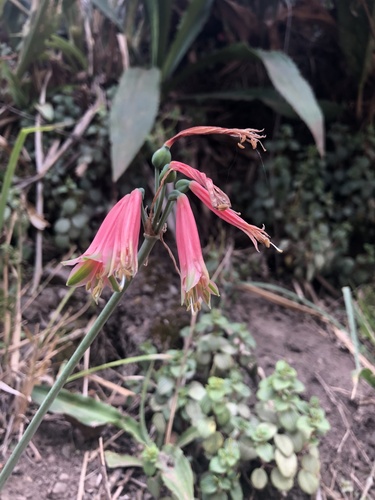
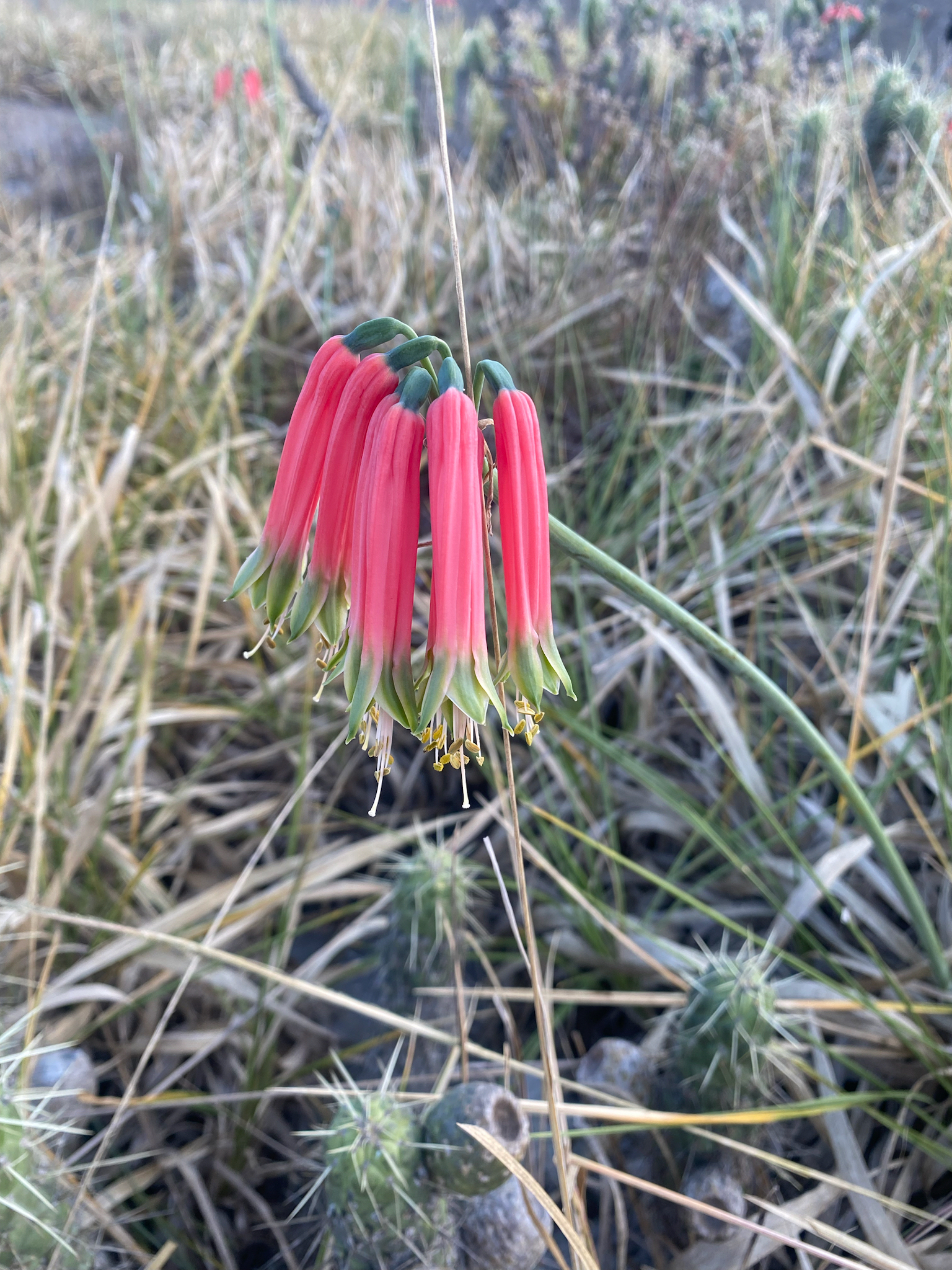
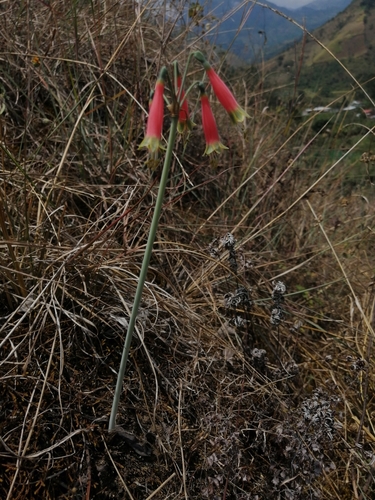
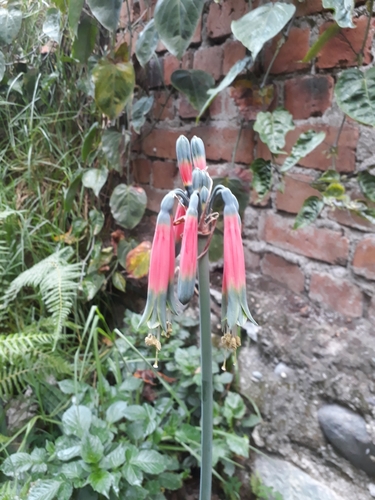
Queen Amaryllis (Phaedranassa carmiolii) - entretien, guide de culture et bienfaits pour cette espèce de Phaedranassa. Trouvez arrosage, lumière, sol et conseils de culture pour garder Queen Amaryllis en bonne santé, plus des notes d’identification et la fiche plante avec ePlant AI.
Arrosage, exposition, terreau et conditions de culture en un coup d’œil
Bright Indirect
75% intensité
Prefers bright, filtered light. Protect from intense, direct sunlight which can scorch the leaves.
Moderate
50% intensité
Keep soil consistently moist during active growth, but allow to dry slightly between waterings. Reduce significantly during dormancy.
Well-drained, fertile soil
50% intensité
15 - 25 °C
50% intensité
Thrives in temperatures between 18-24°C during the growing season. Cooler temperatures (around 10-13°C) are beneficial for dormancy induction.
Outdoor
50% intensité
Moderate
50% intensité
Feed with a balanced liquid fertilizer diluted to half strength during the growing season, every 4-6 weeks.
Informations de sécurité issues des données sur la toxicité de la plante
| Caractéristique | Valeur |
|---|---|
| Toxique pour les humains | Oui 5/5 toxicité |
| Toxique pour les animaux domestiques | Oui 5/5 toxicité |
| Comestible | Non |
Bulbs contain toxic alkaloids.
Caractéristiques botaniques et données de croissance de la plante
Arrosage, taille, multiplication et rempotage selon les données de la plante
Water thoroughly when the top 2-3 cm of soil feels dry. Reduce watering significantly during its dormant period in late autumn and winter. Avoid waterlogging, which can lead to bulb rot. Ensure good drainage in the pot.
Remove dead or yellowing leaves only after they have completely dried out. This allows the plant to reabsorb nutrients back into the bulb.
Deadheading spent flowers can encourage bulb energy to focus on leaf and root growth.
Propagate primarily through offsets, which are small bulbs that grow around the base of the parent bulb. Carefully separate these offsets when repotting and plant them in their own containers.
They may take a few years to reach flowering size.
Repot every 2-3 years, or when the bulb has outgrown its current container. This is best done after flowering or before new growth begins.
Use a well-draining potting mix, and plant the bulb so that the neck is just above the soil surface.
Identifiez vos plantes avec ePlant AI
Prenez une photo pour obtenir des conseils d’entretien et trouver des espèces similaires, même en déplacement.
Évolution mensuelle de la floraison et de la fructification dans les deux hémisphères.
Calendrier de floraison et de fructification
Calendrier de floraison et de fructification
Photos : Queen Amaryllis (Phaedranassa carmiolii)
Noms communs, noms botaniques et synonymes
Classification scientifique de la plante
| Rang taxonomique | Nom scientifique |
|---|---|
| Règne | Plantae |
| Division | Tracheophyta |
| Classe | Liliopsida |
| Ordre | Asparagales |
| Famille | Amaryllidaceae |
| Genre | Phaedranassa |
| Espèce | Phaedranassa carmiolii |
Espèces similaires du genre Phaedranassa
Réponses fondées sur les données de notre encyclopédie des plantes