Riego
Water moderately when the soil is dry to the touch. Ensure good drainage to prevent root rot. Reduce watering significantly during winter dormancy. Overwatering is the most common cause of failure with this species.
También conocido como Mountain Tragacanth
Mountain Tragacanth (Astragalus sempervirens) — growing guide, benefits & care for this Astragalus species. Find watering, sunlight, soil, and growing tips to keep Mountain Tragacanth healthy, plus identification notes and plant profile details from ePlant AI.
A simple vista: luz, riego, suelo y condiciones de cultivo según los datos de la planta
Full Sun
100% intensity
Prefers at least 6-8 hours of direct sunlight daily.
Moderate, Drought Tolerant When Established
25% intensity
Allow soil to dry out between waterings. Ensure excellent drainage.
Well-drained
50% intensity
15 - 25 °C
50% intensity
Hardy in cooler climates, tolerates heat if drainage is excellent.
Low Feed
10% intensity
Requires minimal fertilization; prefers nutrient-poor soil.
Información de seguridad a partir de los datos de toxicidad de la planta
| Atributo | Valor |
|---|---|
| Tóxica para humanos | No 0/5 intensidad |
| Tóxica para mascotas | No 0/5 intensidad |
| Comestible | No |
Rasgos clave y estadísticas de cultivo a partir de los datos de la planta
Detalles de riego, poda, propagación y trasplante a partir de los datos de la planta
Water moderately when the soil is dry to the touch. Ensure good drainage to prevent root rot. Reduce watering significantly during winter dormancy. Overwatering is the most common cause of failure with this species.
Prune lightly after flowering to maintain shape and remove any dead or damaged stems. Avoid heavy pruning, as this plant does not regenerate well from old wood. Remove spent flower stalks to encourage further blooming.
Propagate from seed sown in autumn or early spring. Stratification may improve germination rates. Cuttings are generally difficult to root, but can be attempted from semi-hardwood in summer, using rooting hormone.
Repot only when necessary, typically every 2-3 years for young plants, less frequently for mature specimens. Use a well-draining, gritty potting mix.
Repot in early spring before new growth begins, handling the root ball gently.
Identifica plantas como esta con ePlant AI
Saca una foto para obtener consejos de cuidado y encontrar especies similares sobre la marcha.
Intensidad mensual de la actividad para flor y fruto en ambos hemisferios.
Calendario de floración y fructificación
Calendario de floración y fructificación
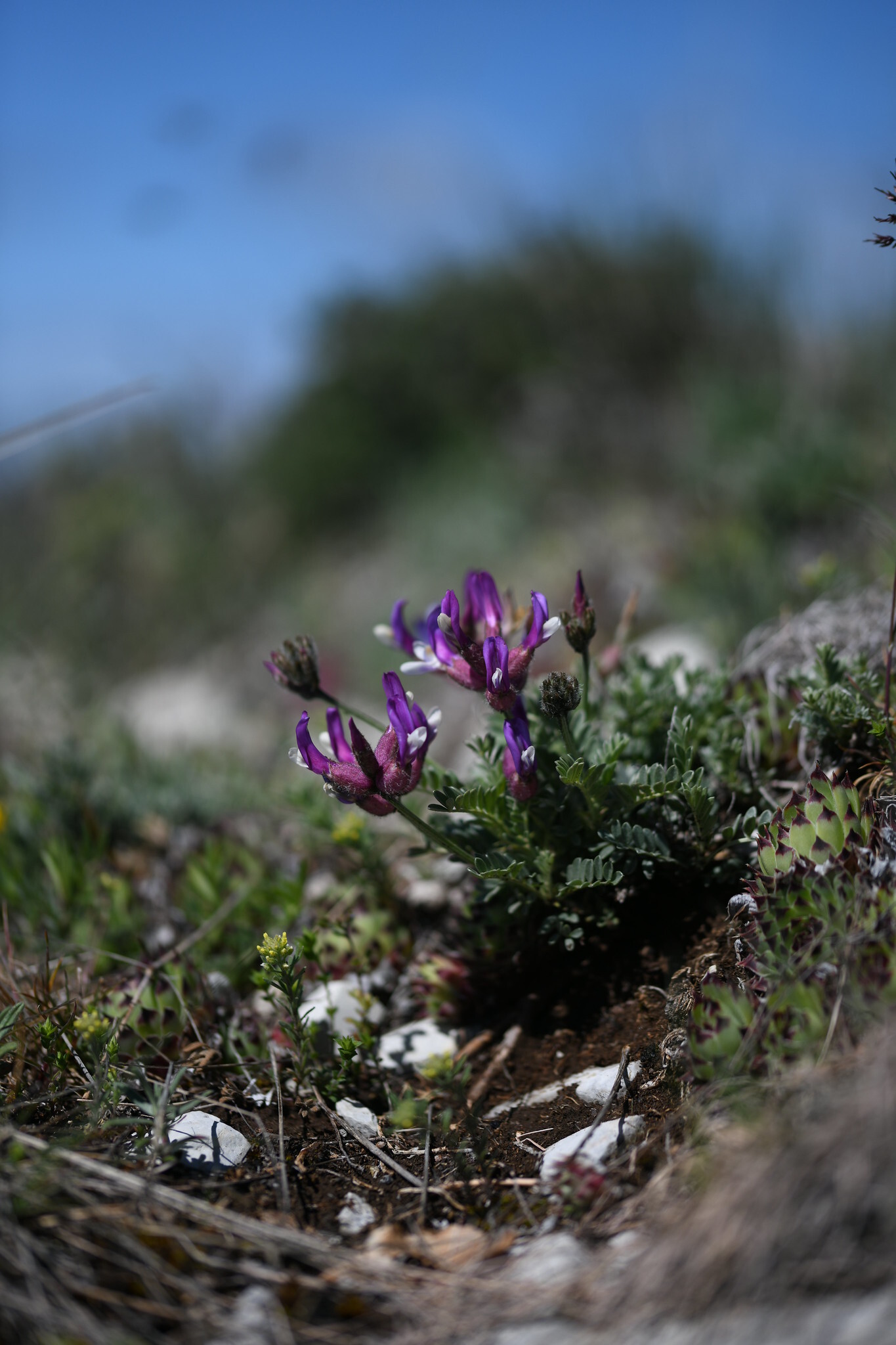
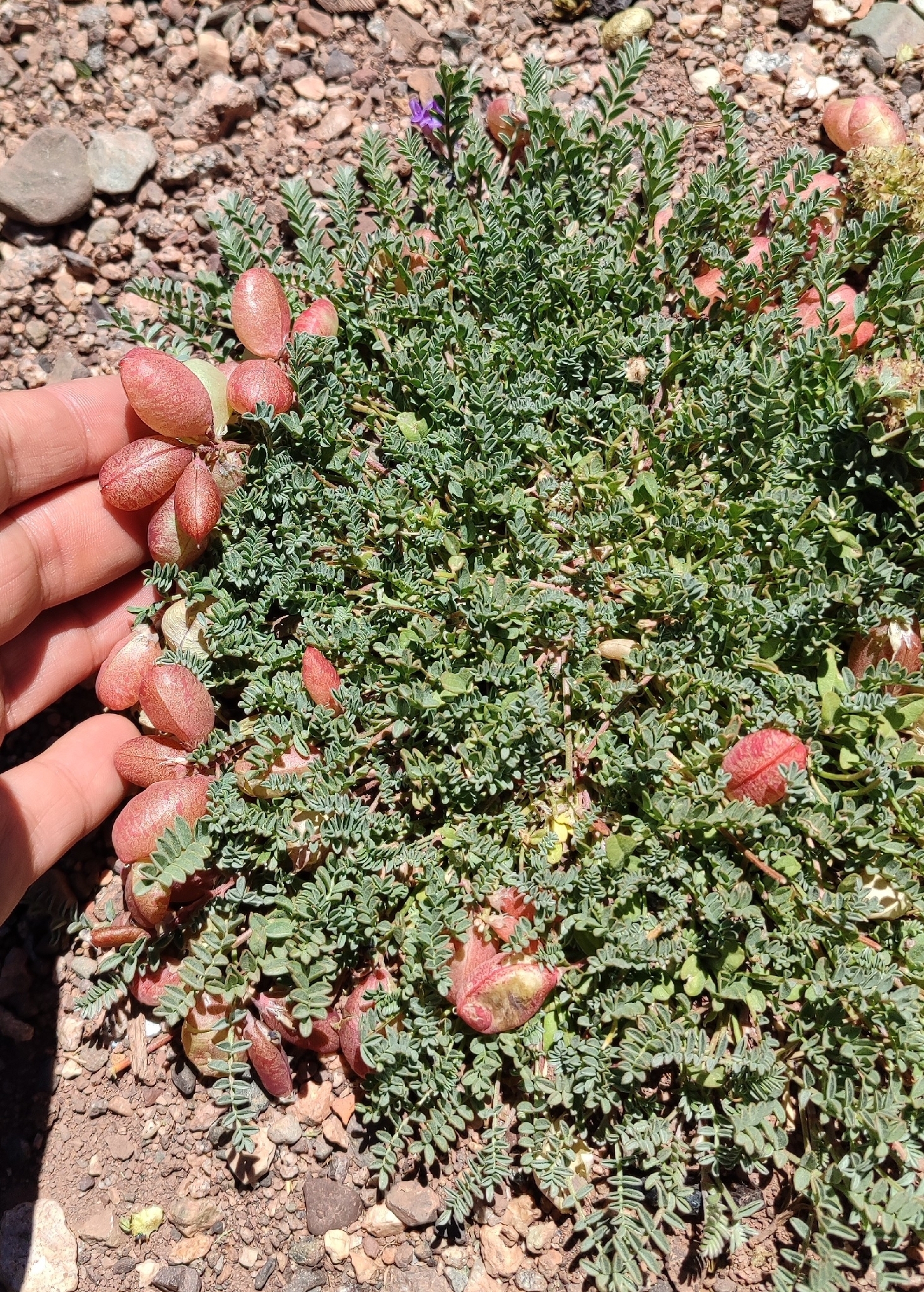
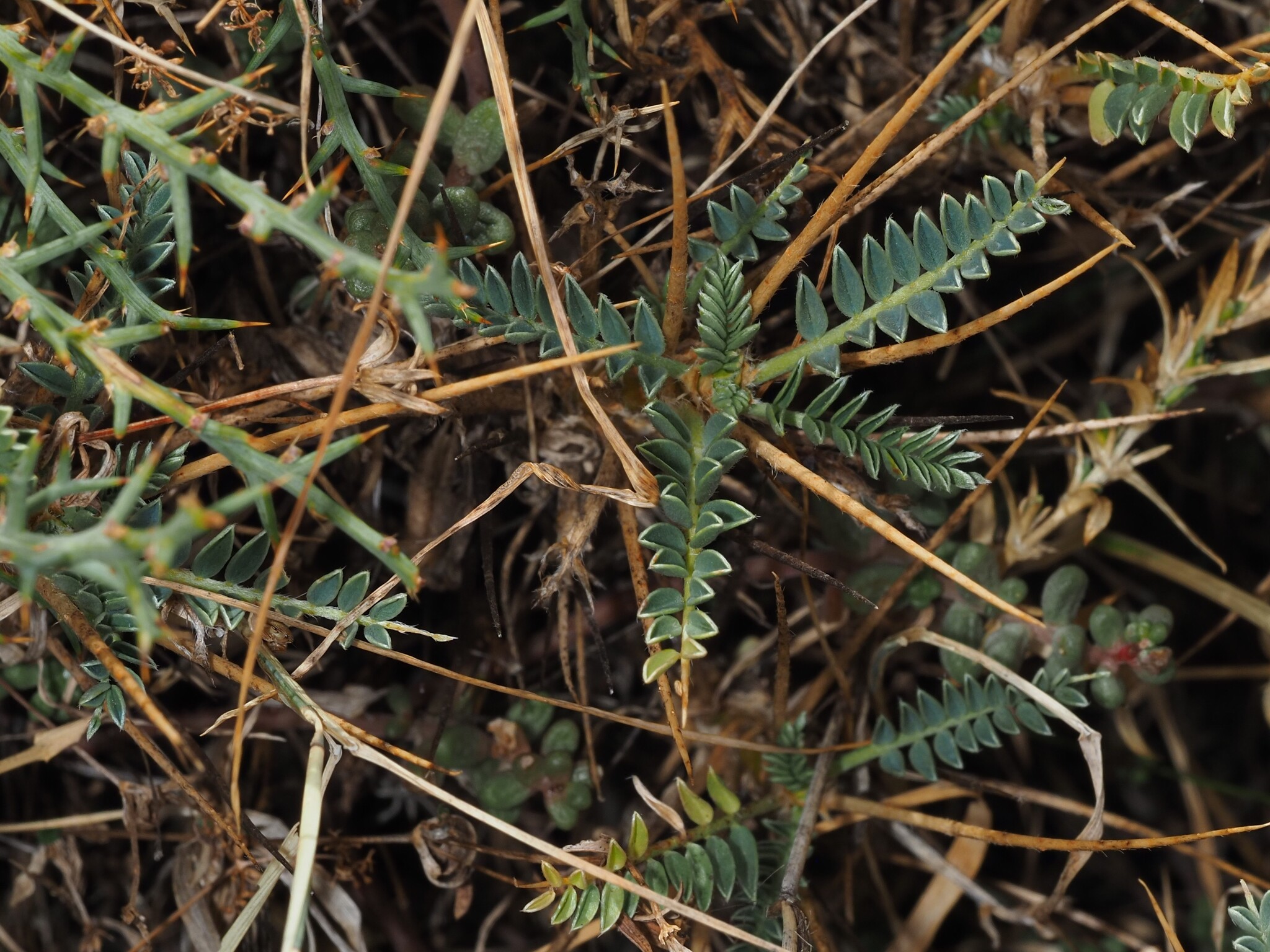
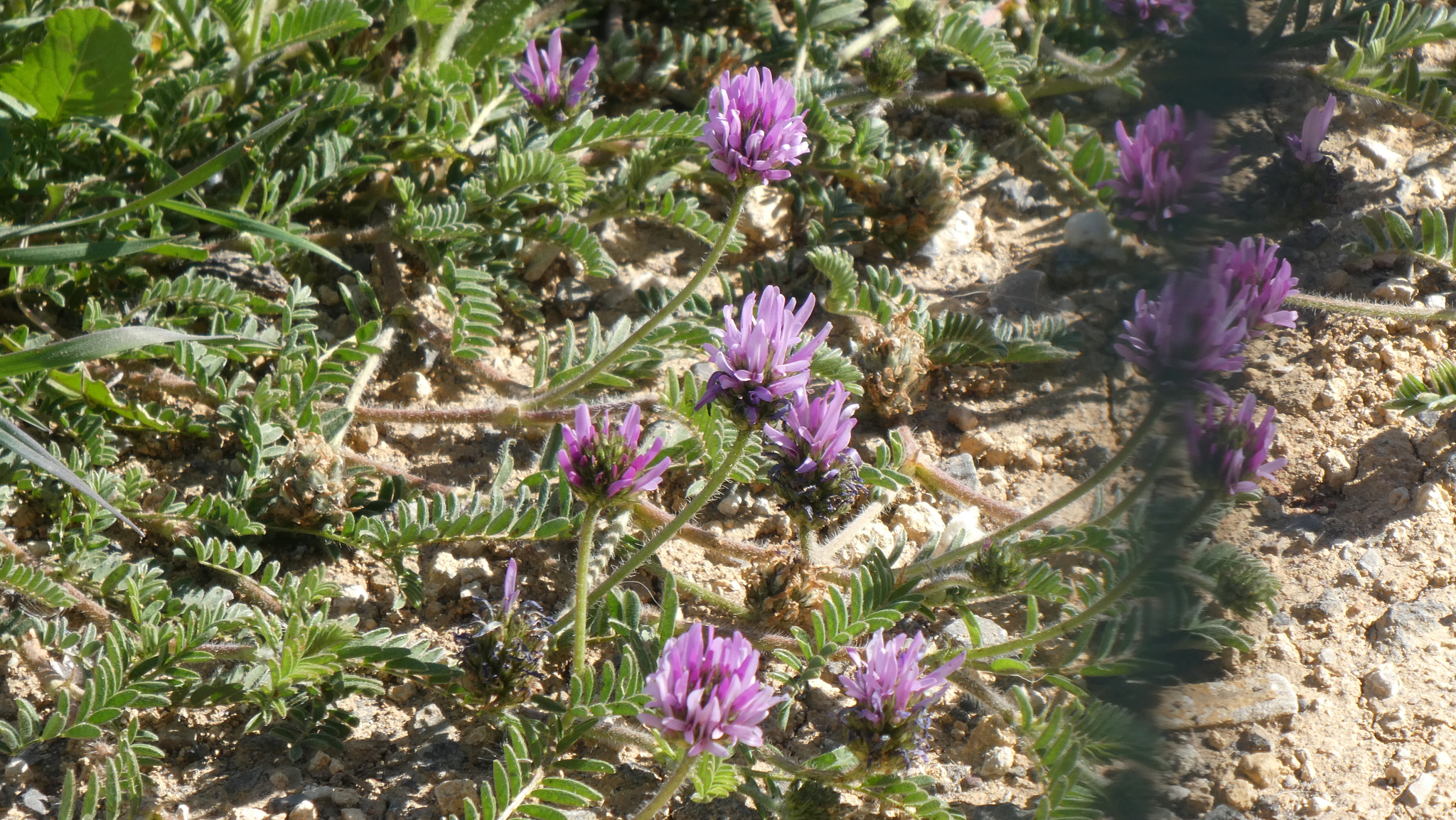
Fotos de Indian Milkvetch (Astragalus sempervirens)
Nombres comunes y sinónimos botánicos
Clasificación botánica
| Rango | Nombre |
|---|---|
| Reino | Plantae |
| División | Tracheophyta |
| Clase | Magnoliopsida |
| Orden | Fabales |
| Familia | Fabaceae |
| Género | Astragalus |
| Especie | Astragalus sempervirens |
Similares en el género Astragalus
Respuestas basadas en datos de la enciclopedia de plantas