
About the author
Sarah Mitchell
Pest & Plant Health Writer
Sarah writes about integrated pest management, disease symptoms, and pet-safe gardening. She consults extension publications and keeps a reference garden for photographing real-world plant problems.
“Ever spotted sticky residue on leaves, fine webs, or tiny bugs crawling on your favorite monstera? You're not alone. Plant pests are an unfortunate reality of plant parenthood, but they don't have to be a death sentence for your green companions.
Understanding how to identify and treat pests is key to maintaining a thriving indoor jungle. They can cause a range of issues, from cosmetic damage like yellow spots to severe health decline by sucking essential nutrients from the plant. The good news is that most infestations can be managed with natural, eco-friendly methods. At ePlant AI, we believe in working with nature, not against it. This guide will walk you through identifying the five most common culprits and how to send them packing, naturally.
And if you're ever unsure what's bugging your plant, our AI-powered ePlant AI app can help. Just by analyzing a photo, it can recognize signs of pest damage and give you a head start on diagnosis.
Meet the Intruders: 5 Common Plant Pests
Knowing your enemy is the first step to victory. Here’s a closer look at the usual suspects.
Aphids
How to recognize them:
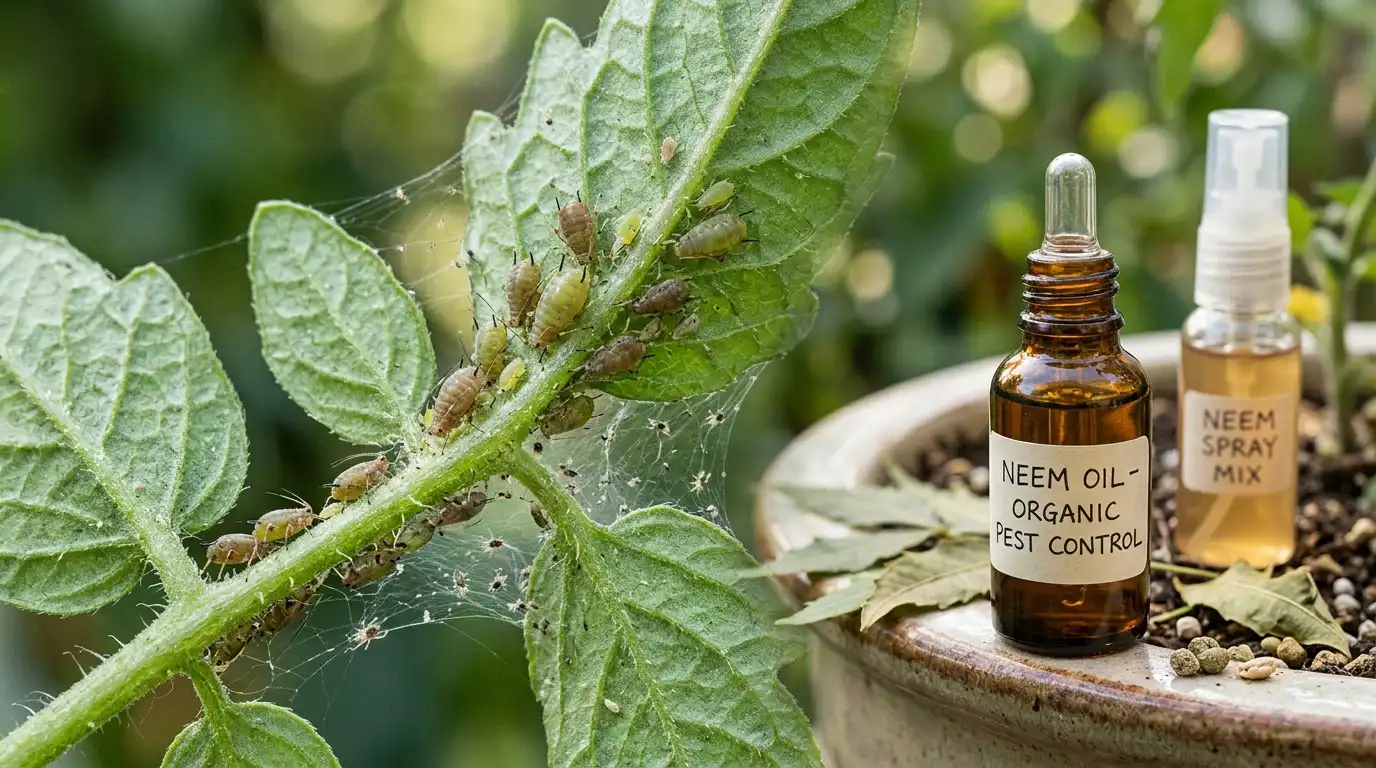
These are small, pear-shaped insects that can be green, black, yellow, or pink. They often cluster on new growth, tender stems, and the undersides of leaves. You might also notice a sticky substance called "honeydew" on the leaves, which can lead to sooty mold.
Primary targets:
Roses, kale, milkweed, and a wide variety of houseplants, especially those with soft, lush foliage.
Damage they cause:
Aphids use their piercing mouthparts to suck sap from plants, causing leaves to yellow, distort, or curl. They reproduce rapidly, so a small problem can quickly become a major infestation.
Spider Mites
How to recognize them:
These pests are incredibly tiny and difficult to see with the naked eye. The first sign is often fine, silky webbing on the plant, especially between leaves and stems. You may also see tiny yellow or white speckles on the leaves where they have been feeding.
Primary targets:
Ivy, calatheas, alocasias, and many other houseplants, particularly in dry, warm conditions.
Damage they cause:
Spider mites suck the contents out of plant cells, leading to a stippled, discolored appearance. A heavy infestation can cause leaves to turn yellow or bronze and drop off, eventually killing the plant.
Mealybugs
How to recognize them:
Mealybugs look like tiny bits of white cotton fluff, typically found hiding in leaf axils, on stems, and under leaves. They move slowly and secrete honeydew, similar to aphids.
Primary targets:
Succulents, orchids, ficus, and many tropical plants.
Damage they cause:
They feed on plant sap, which stunts growth and causes leaf drop. The honeydew they produce can attract ants and promote the growth of sooty mold.
Whiteflies
How to recognize them:
These are tiny, moth-like insects that are, as their name suggests, white. They tend to gather on the undersides of leaves. When you disturb an infested plant, a cloud of them will fly up.
Primary targets:
Poinsettias, hibiscus, fuchsias, and many vegetable plants like tomatoes and peppers.
Damage they cause:
Like the others, whiteflies feed on plant sap, causing leaves to turn yellow and fall off. Their honeydew also contributes to sooty mold issues.
Scale Insects
How to recognize them:
Scale insects can be tricky. As adults, they are immobile and look more like a natural part of the plant than a bug. They appear as small, brown, or tan bumps attached to stems and the undersides of leaves. They have a hard, protective shell.
Primary targets:
Citrus trees, ferns, ficus, and ivy.
Damage they cause:
They feed on sap, weakening the plant and causing yellowing leaves and stunted growth. They also excrete honeydew.
Your Arsenal: Natural Ways to Get Rid of Pests
Forget harsh chemicals. These eco-friendly methods are effective for managing most common pest problems.
- Neem Oil Spray: A must-have for any plant parent. Neem oil is a natural fungicide and pesticide. Mix 1-2 teaspoons of neem oil and 1/2 teaspoon of mild liquid soap with a quart of water. Shake well and spray all surfaces of the plant.
- Insecticidal Soap: Commercially available or homemade, insecticidal soap works by dissolving the outer protective layer of soft-bodied insects. To make your own, mix one tablespoon of mild liquid soap (like castile soap) in a quart of water.
- Garlic and Chili Solution: A potent repellent. Blend a few cloves of garlic and a hot chili pepper with water, let it steep overnight, then strain. Dilute the mixture and spray on plants to deter chewing and sucking insects.
- Alcohol Swab for Mealybugs & Scale: For localized infestations, dip a cotton swab in 70% isopropyl alcohol and dab it directly onto the pests. The alcohol dissolves their waxy coating, killing them on contact.
- Beneficial Insects: For outdoor gardens or serious indoor infestations, introduce natural predators. Ladybugs love to eat aphids, and lacewings will devour a variety of pests.
Pro Tip
Always spray your plants in the early morning or evening when sunlight is low. Applying oils or soaps in direct, hot sun can cause the leaves to burn.
Not Sure Which Pest Is Attacking Your Plant?
Upload a photo in the ePlant AI App and get an instant AI-powered analysis to identify the problem.
Get Instant ResultsPrevention is the Best Cure
A healthy plant is a pest-resistant plant. Follow these tips to keep your green friends strong and bug-free.
- Regular Inspection: Make it a habit to check your plants at least once a week. Look under leaves and around new growth. Early detection is crucial.
- Proper Air Circulation: Good airflow helps prevent the stagnant, humid conditions that many pests love. Don't overcrowd your plants.
- Avoid Overwatering: Soggy soil is a breeding ground for fungus gnats and can weaken a plant's root system, making it more susceptible to all kinds of stress, including pests.
- Use Clean Soil and Pots: When repotting, always use fresh, high-quality potting mix. If you're reusing a pot, scrub it thoroughly with soap and water first.
- Isolate New Plants: Keep any new plants separate from your existing collection for a few weeks to ensure they haven't brought any unwanted guests home with them.
Using a tool like ePlant AI can make this easier. With ePlant AI's AI diagnosis, you can snap a photo of any suspicious spot or discoloration and get an early warning about potential pest symptoms before they spread to your entire collection.
Your Partner in Plant Health
Natural pest control is not only safe for your home and the environment but also incredibly effective and sustainable. It empowers you to work in harmony with your plants, fostering a healthier and more resilient indoor garden. Remember, a little vigilance goes a long way.
Ready to become a plant care pro? Let ePlant AI be your guide. Download the app today to identify plants, diagnose problems, and get personalized care tips right at your fingertips.


Frequently Asked Questions
What’s the safest natural way to remove aphids?
A simple spray made from water, a few drops of mild dish soap, and a teaspoon of neem oil is one of the safest and most effective methods. It's gentle on most plants but tough on aphids and other soft-bodied pests. Always test on a small leaf first.
Can AI really identify pest damage?
Yes! The ePlant AI app uses advanced AI to analyze photos of your plants. It recognizes patterns of damage-like stippling from spider mites or the specific look of sooty mold-to help you diagnose the issue quickly and accurately.
How often should I check my plants for pests?
A thorough check once a week is a great habit. It allows you to catch infestations early before they become difficult to manage. Pay special attention to the undersides of leaves and where leaves join the stems.