Gießen
Water sparingly, allowing the soil to dry out completely between waterings. Overwatering is the most common cause of root rot, especially in cooler months. Ensure excellent drainage to prevent waterlogging.
Auch bekannt als Grass Tree · Queensland Grasstree · Scaly Tree Succulent
Xanthorrhoea glauca, der Blaue Grasbaum, ist eine ikonische australische Pflanze mit einem charakteristischen harzreichen Stamm und scharfen, grasartigen Blättern. Sie ist eine langsam wachsende, langlebige Art, die gut an trockene Bedingungen angepasst ist.
Licht, Wasser, Boden und Wachstumsbedingungen auf einen Blick
Full Sun
100% Intensität
Prefers full sun for best growth and form. Can tolerate partial shade but may become leggy.
Drought Tolerant
25% Intensität
Allow soil to dry out completely between waterings. Reduce watering significantly in winter.
Sandy, Well-drained
50% Intensität
15-30 degrees Celsius
75% Intensität
Prefers warm to hot conditions. Can tolerate light frosts once established, but protect from prolonged cold.
Low Feeds
0% Intensität
Feed very sparingly, if at all. Adapted to nutrient-poor soils. Use a low-nitrogen fertilizer in spring if desired.
Sicherheitshinweise auf Grundlage von Pflanzentoxizitätsdaten
| Merkmal | Wert |
|---|---|
| Giftig für Menschen | Nein 0/5 Giftigkeitsgrad |
| Giftig für Haustiere | Nein 0/5 Giftigkeitsgrad |
| Essbar | Nein |
None
Wichtige Merkmale und Wachstumsdaten aus den Pflanzendaten
Hinweise zu Gießen, Rückschnitt, Vermehrung und Umtopfen aus den Pflanzendaten
Water sparingly, allowing the soil to dry out completely between waterings. Overwatering is the most common cause of root rot, especially in cooler months. Ensure excellent drainage to prevent waterlogging.
Pruning is generally not necessary for Xanthorrhoea glauca. Remove dead or damaged leaves by cutting them back to the trunk. Avoid cutting into the trunk itself, as this can lead to rot and disease.
Propagation is typically done by seed. Scarify seeds and sow in a well-draining, sandy mix. Germination can be slow and erratic. Division of established plants is rarely successful and not recommended.
Repotting is rarely needed as these plants grow slowly and prefer to be root-bound. If absolutely necessary, repot young plants in spring into a larger container with extremely gritty, well-draining soil.
Mature plants should ideally remain undisturbed.
Ähnliche Pflanzen mit ePlant AI bestimmen
Fotografiere eine Pflanze, erhalte Pflegetipps und finde unterwegs ähnliche Arten.
Monatliche Aktivitätsintensität von Blüte und Fruchtbildung auf Nord- und Südhalbkugel.
Kalender für Blüte und Fruchtbildung
Kalender für Blüte und Fruchtbildung
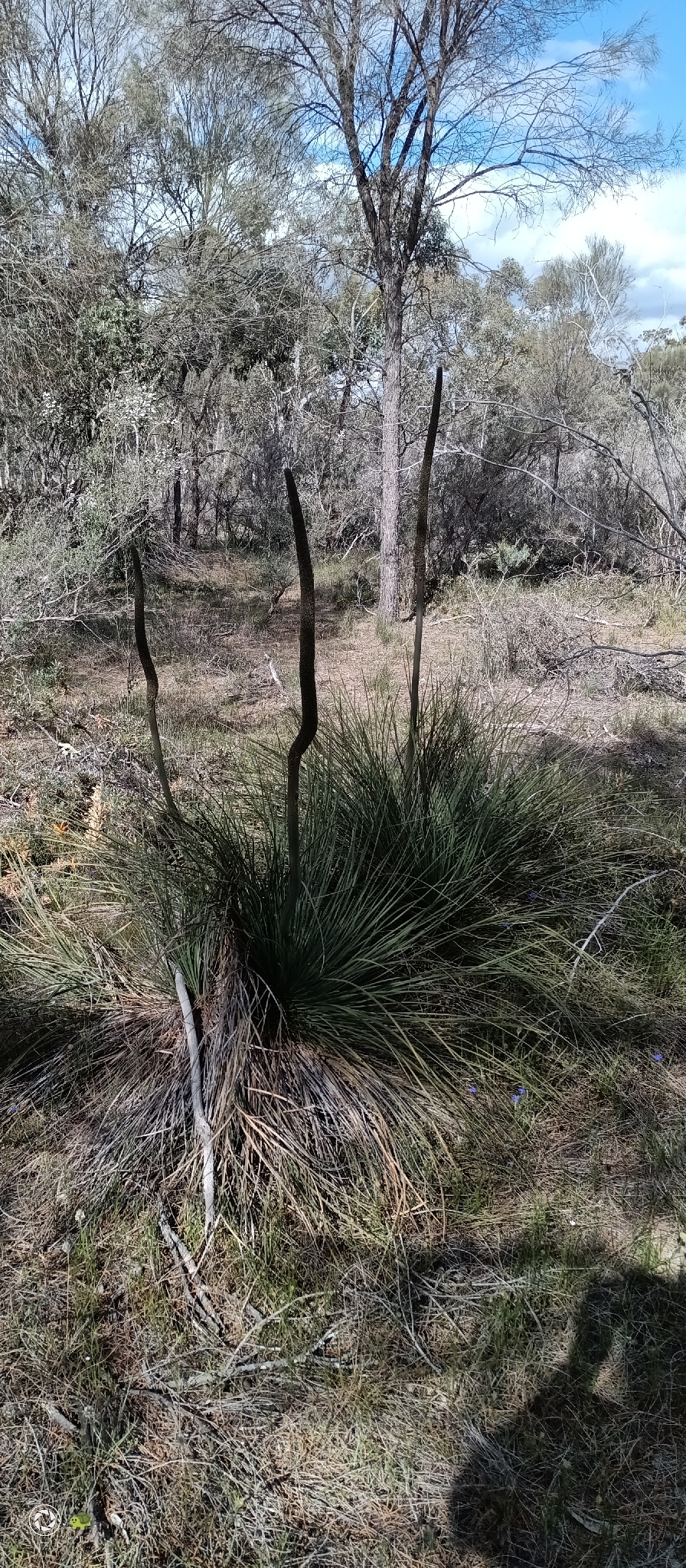
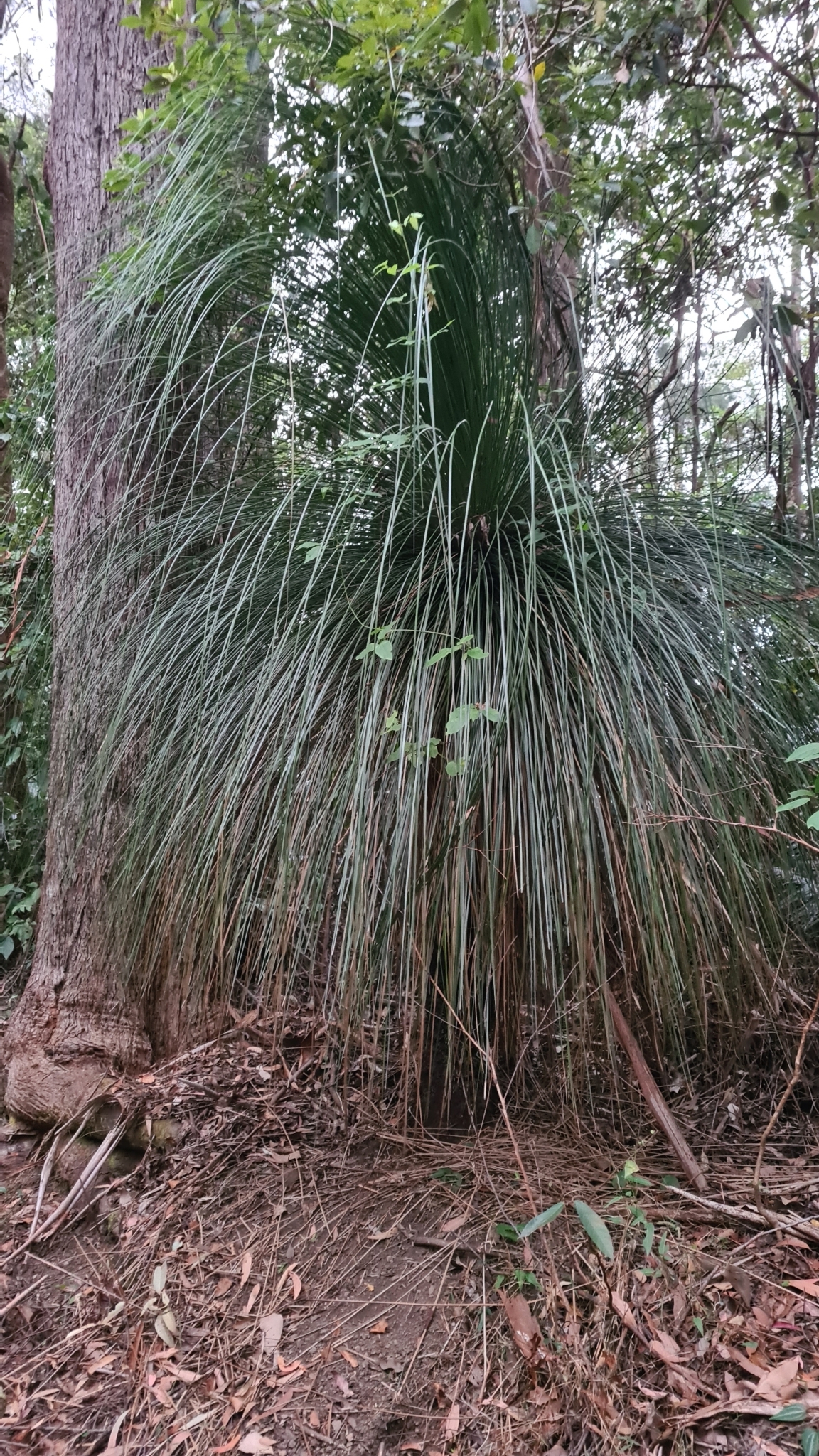
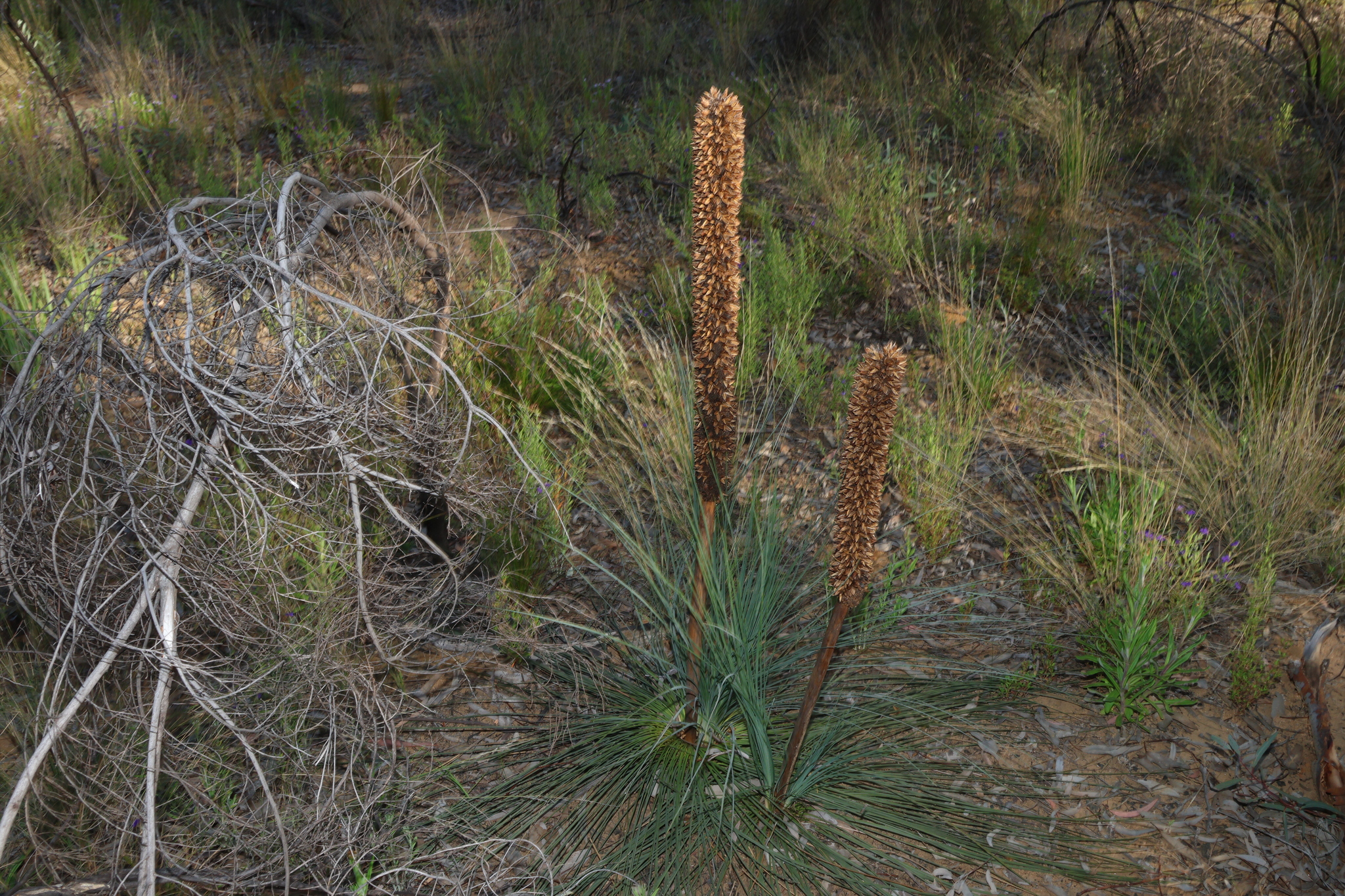
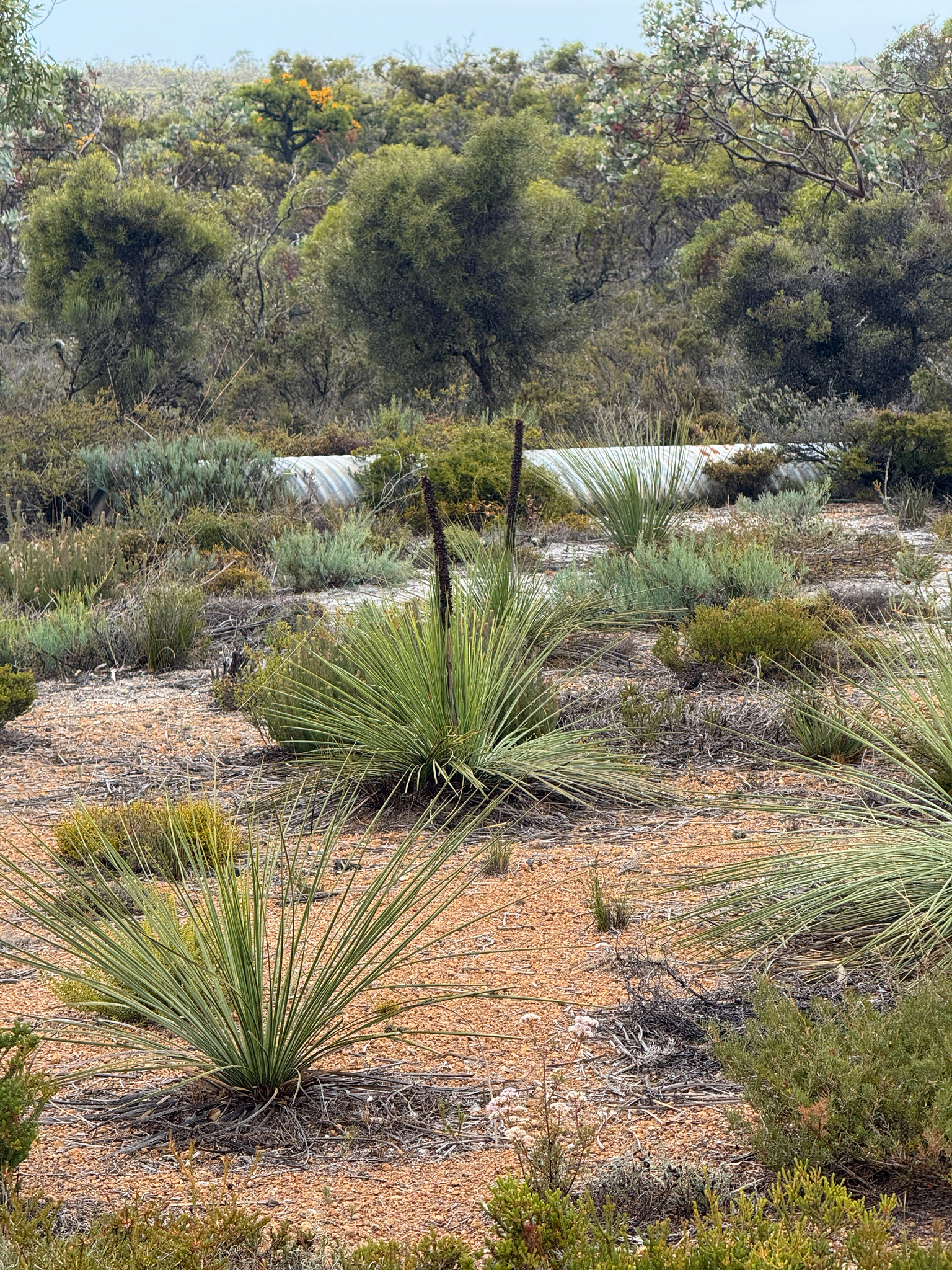
Fotos von Blue Grass Tree (Xanthorrhoea glauca)
Wo Blue Grass Tree (Xanthorrhoea glauca) vorkommt
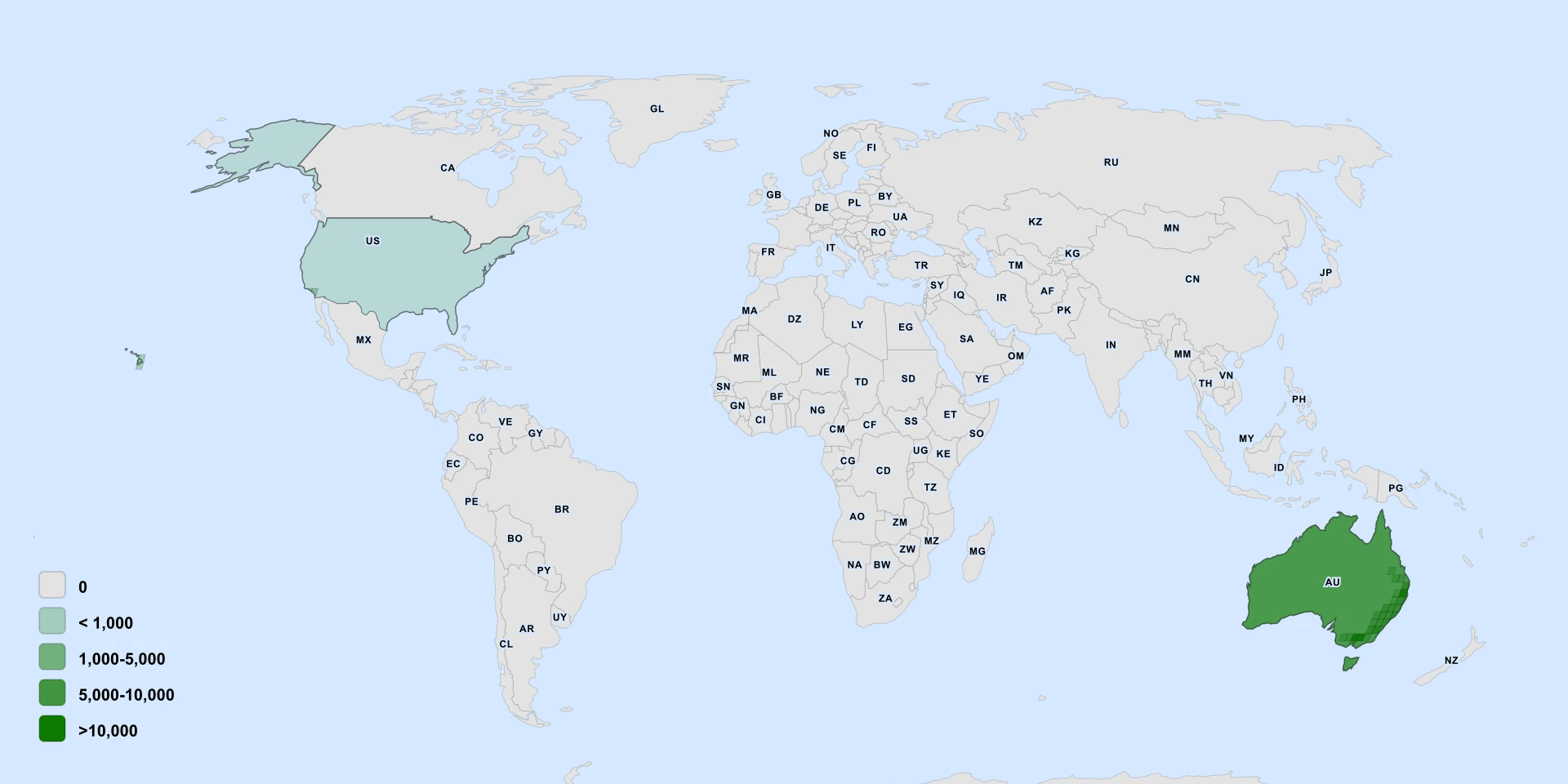
Density
Karte tippen zum Erkunden
Gebräuchliche Namen und botanische Synonyme
Botanische Klassifikation
| Rang | Name |
|---|---|
| Reich | Plantae |
| Abteilung | Tracheophyta |
| Klasse | Liliopsida |
| Ordnung | Asparagales |
| Familie | Asphodelaceae |
| Gattung | Xanthorrhoea |
| Art | Xanthorrhoea glauca |
Ähnliche Arten der Gattung Xanthorrhoea
Antworten auf Grundlage der Daten im Pflanzenlexikon