Gießen
Water regularly to keep the soil consistently moist, especially during dry periods. Avoid waterlogged conditions, as this can lead to root rot.
Allow the top inch of soil to dry slightly between waterings for established plants.
Urtica angustifolia, die ostasiatische Brennnessel, ist eine krautige Pflanze, die in feuchten Lebensräumen wächst und für ihre charakteristischen Brennhaare bekannt ist. Sie ist eng mit der gewöhnlichen Brennnessel verwandt und wird in einigen Regionen als Heilpflanze genutzt.
Licht, Wasser, Boden und Wachstumsbedingungen auf einen Blick
Full Sun to Partial Shade
50% Intensität
Prefers full sun but tolerates partial shade, especially in hotter climates.
Consistent Moisture
50% Intensität
Keep soil evenly moist, but not saturated. Reduce watering in winter.
Moist, fertile, well-drained
50% Intensität
15-25°C
25% Intensität
Tolerates a wide range of temperatures, generally hardy to -29°C. Protect from extreme heat.
Low to Moderate
25% Intensität
Enrich soil with compost before planting. Light feeding in spring if growth is weak.
Sicherheitshinweise auf Grundlage von Pflanzentoxizitätsdaten
| Merkmal | Wert |
|---|---|
| Giftig für Menschen | Nein 0/5 Giftigkeitsgrad |
| Giftig für Haustiere | Nein 0/5 Giftigkeitsgrad |
| Essbar | Ja |
Wichtige Merkmale und Wachstumsdaten aus den Pflanzendaten
Hinweise zu Gießen, Rückschnitt, Vermehrung und Umtopfen aus den Pflanzendaten
Water regularly to keep the soil consistently moist, especially during dry periods. Avoid waterlogged conditions, as this can lead to root rot.
Allow the top inch of soil to dry slightly between waterings for established plants.
Pruning is primarily for managing size and shape, and for harvesting. Cut back stems in late spring or early summer to encourage bushier growth. Remove any dead or damaged stems at any time.
Harvest young leaves before flowering for best flavor and texture.
Easily propagated from seed sown in spring, either indoors or directly outdoors after the last frost. Softwood cuttings can also be taken in late spring or early summer and rooted in moist soil or water.
Division of established clumps in spring is another effective method.
Repot young plants annually or as needed to provide more space for root growth.
Mature plants can be left in their pots for several years but may benefit from repotting every 2-3 years to refresh the soil and check root health. Use a well-draining potting mix.
Ähnliche Pflanzen mit ePlant AI bestimmen
Fotografiere eine Pflanze, erhalte Pflegetipps und finde unterwegs ähnliche Arten.
Monatliche Aktivitätsintensität von Blüte und Fruchtbildung auf Nord- und Südhalbkugel.
Kalender für Blüte und Fruchtbildung
Kalender für Blüte und Fruchtbildung
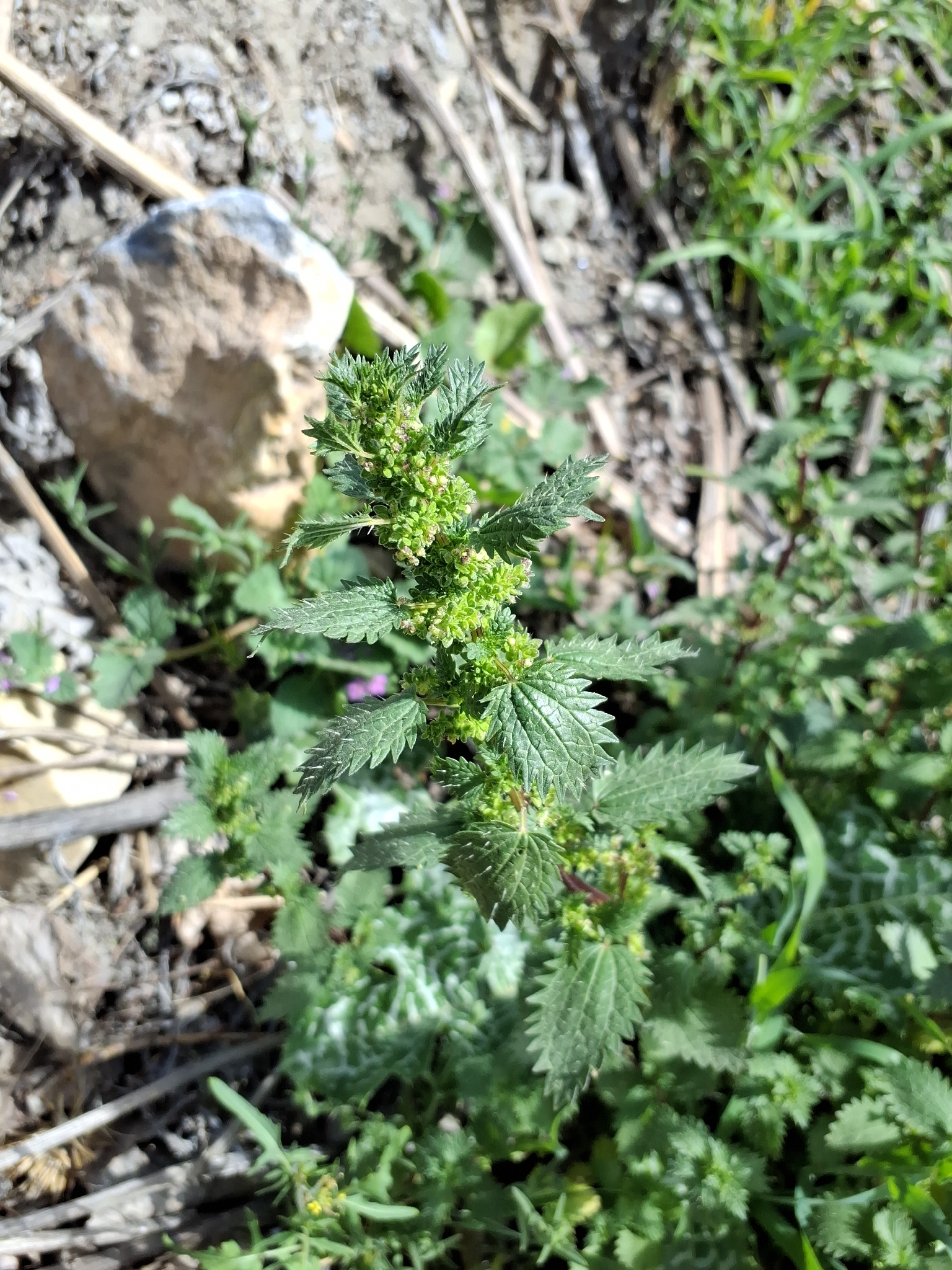
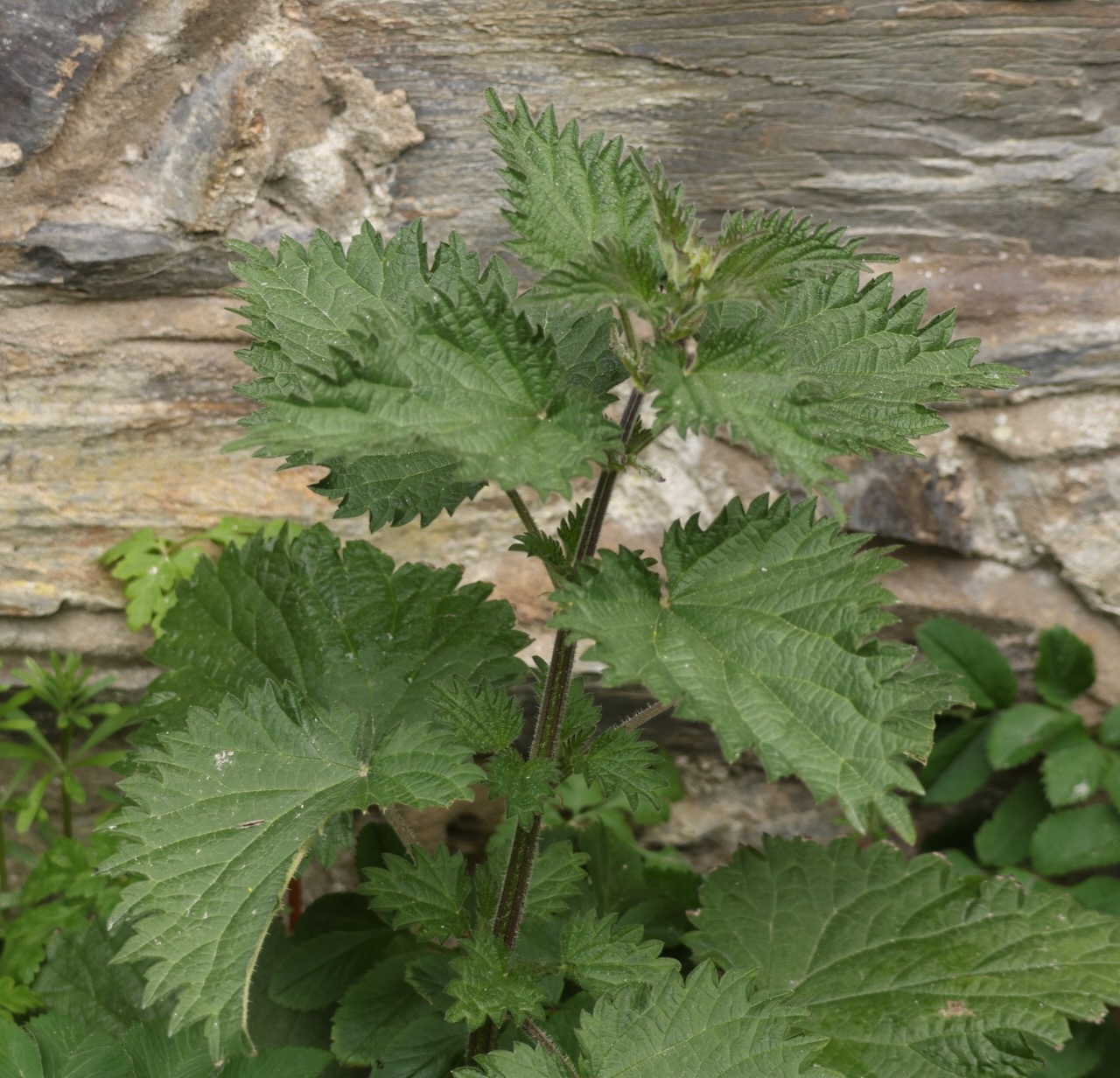
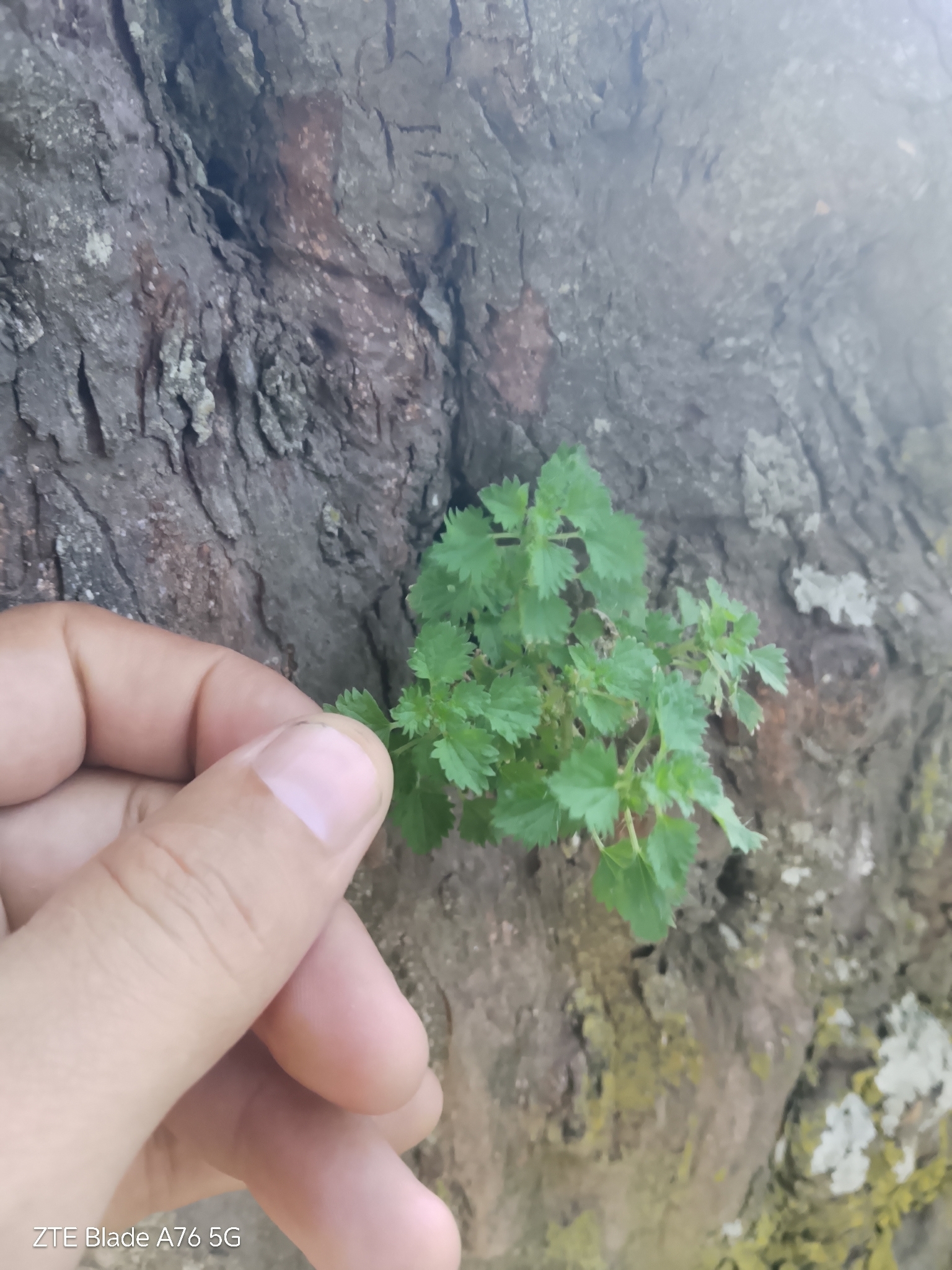
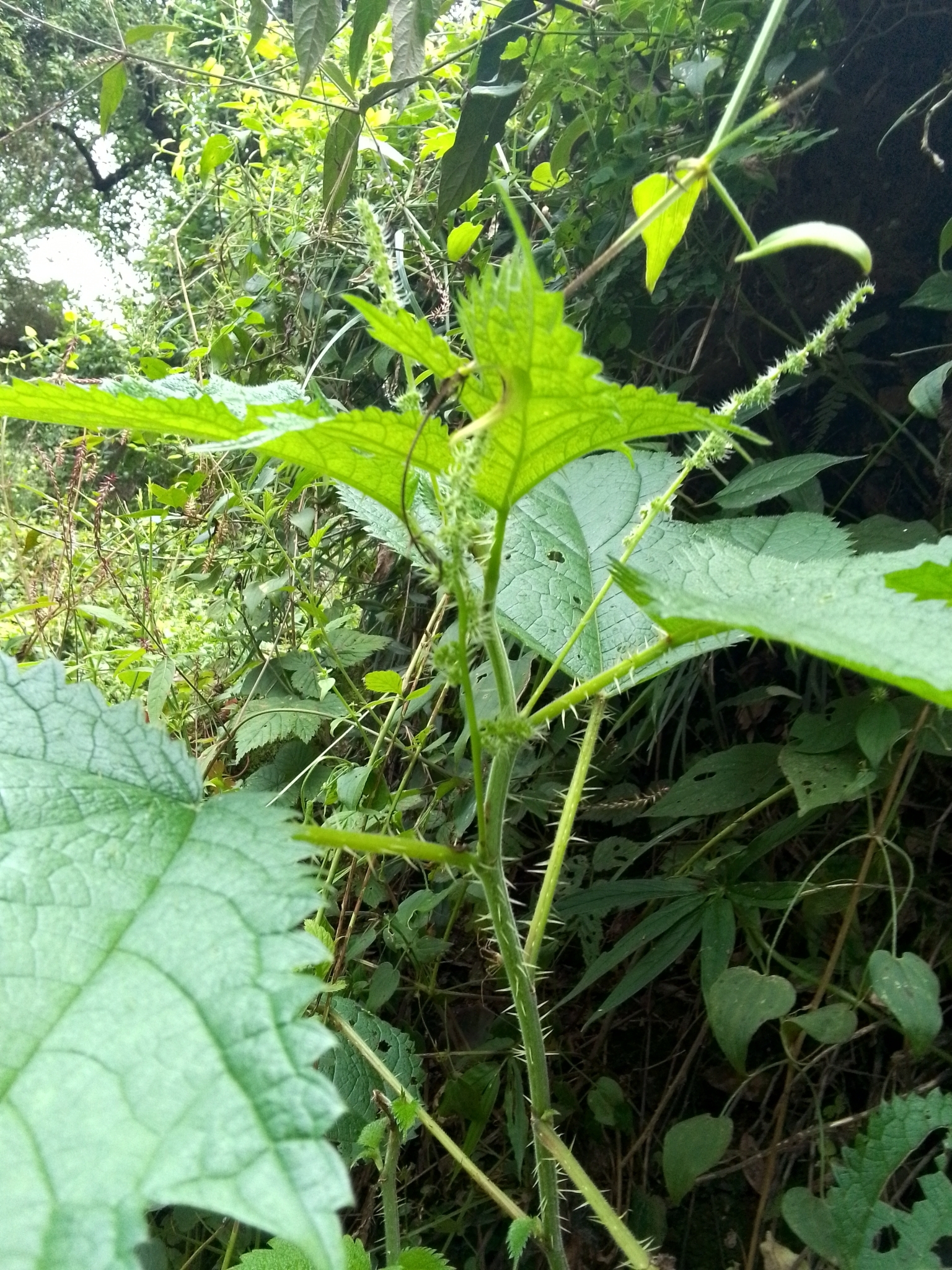
Fotos von East-Asian Nettle (Urtica angustifolia)
Gebräuchliche Namen und botanische Synonyme
Botanische Klassifikation
| Rang | Name |
|---|---|
| Reich | Plantae |
| Abteilung | Tracheophyta |
| Klasse | Magnoliopsida |
| Ordnung | Rosales |
| Familie | Urticaceae |
| Gattung | Urtica |
| Art | Urtica angustifolia |
Ähnliche Arten der Gattung Urtica
Antworten auf Grundlage der Daten im Pflanzenlexikon