Water
Keep the soil consistently moist but not waterlogged. Water thoroughly when the top 2-3 cm of soil feels dry.
Reduce watering slightly during winter dormancy, allowing the soil to dry out a bit more between waterings to prevent root rot.
Safety note: This plant may be toxic to humans. See toxicity details.
Himalayan Nettle (Urtica ardens) is a robust perennial herb from the Himalayas, known for its stinging hairs and potential medicinal uses. It thrives in moist, shaded env
At-a-glance light, water, soil, and growing conditions from plant data
Full Sun to Partial Shade
50% intensity
Prefers bright, indirect light but tolerates full sun and significant shade.
Regularly
75% intensity
Maintain consistent moisture, allowing topsoil to dry slightly between waterings.
Well-drained
50% intensity
Adaptable
50% intensity
Thrives in a wide range of temperatures, generally between 10°C and 25°C. Hardy to cold.
Low
25% intensity
Light feeding in spring with a balanced fertilizer is usually sufficient.
Safety information from plant toxicity data
| Attribute | Value |
|---|---|
| Toxic for humans | Yes 4/5 intensity |
Stinging hairs cause irritation and rash.
Key traits and growing stats from plant data
Watering, pruning, propagation, and repotting details from plant data
Keep the soil consistently moist but not waterlogged. Water thoroughly when the top 2-3 cm of soil feels dry.
Reduce watering slightly during winter dormancy, allowing the soil to dry out a bit more between waterings to prevent root rot.
Prune in early spring before new growth emerges to remove dead or damaged stems and to shape the plant. Trim back any overgrown stems to maintain a desirable size and density.
Regular deadheading is not typically necessary unless seed dispersal is a concern.
Propagate from seeds sown in spring or autumn. Division of established clumps is another effective method, best carried out in early spring as new growth appears.
Ensure divisions have adequate root systems for successful transplanting.
Repot every 2-3 years, or when the plant becomes root-bound, typically in early spring. Choose a pot that is slightly larger than the current one. Use a well-draining potting mix.
Ensure the new pot has drainage holes to prevent waterlogging.
Identify plants like this with ePlant AI
Snap a photo to get care tips and match similar species on the go.
Monthly activity intensity for bloom and fruit across both hemispheres.
Flowering & fruiting calendar
Flowering & fruiting calendar
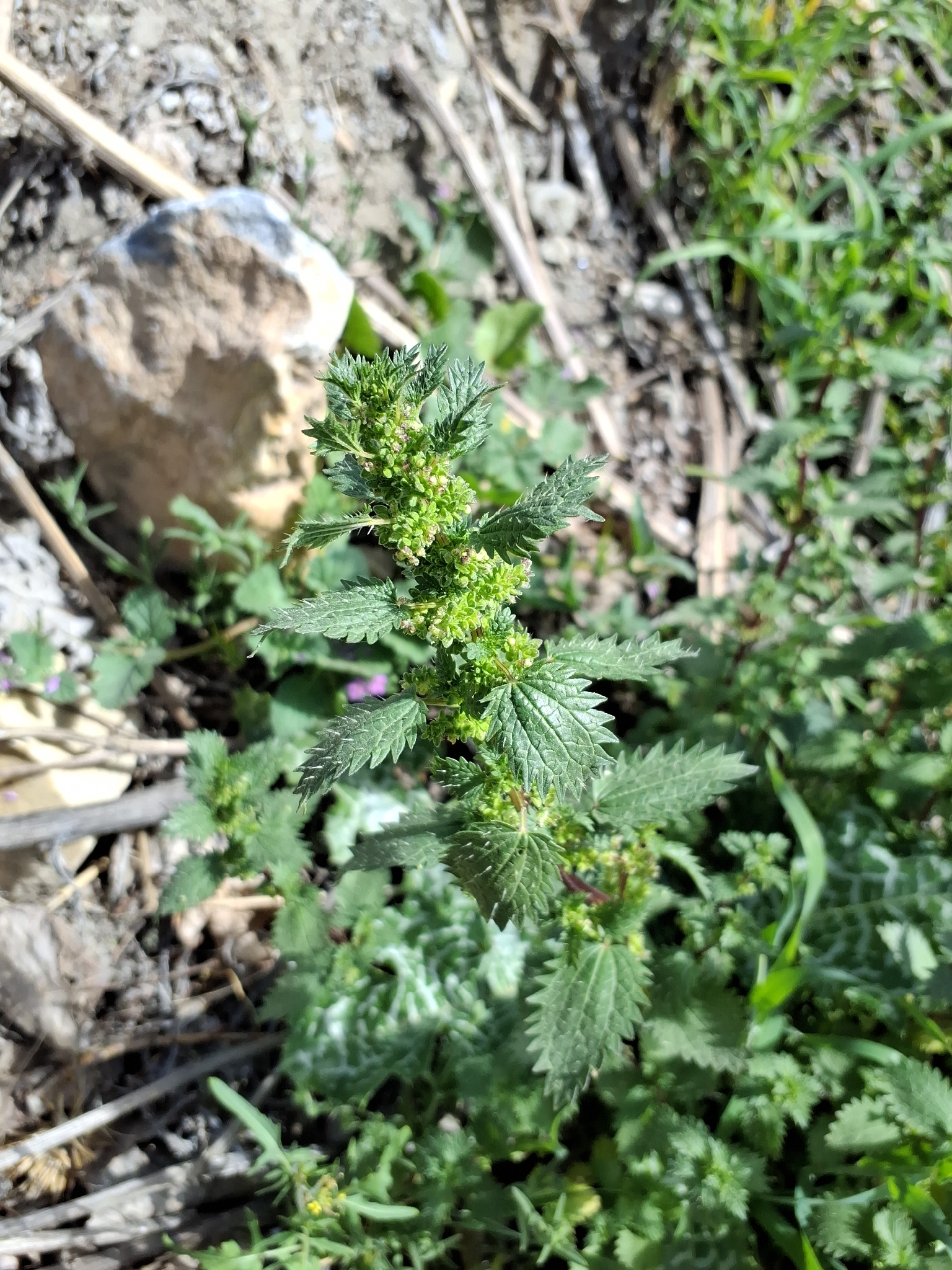
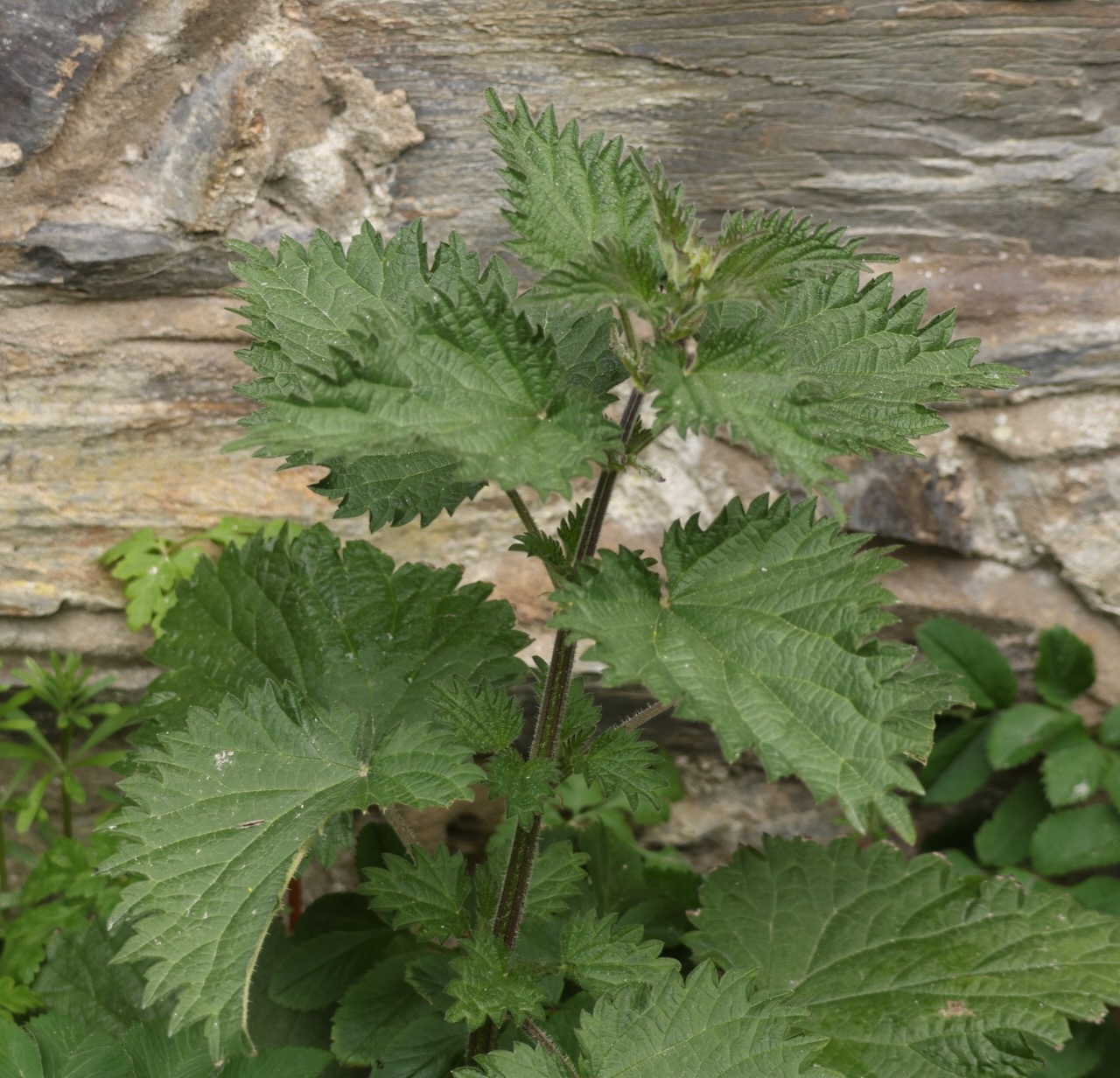
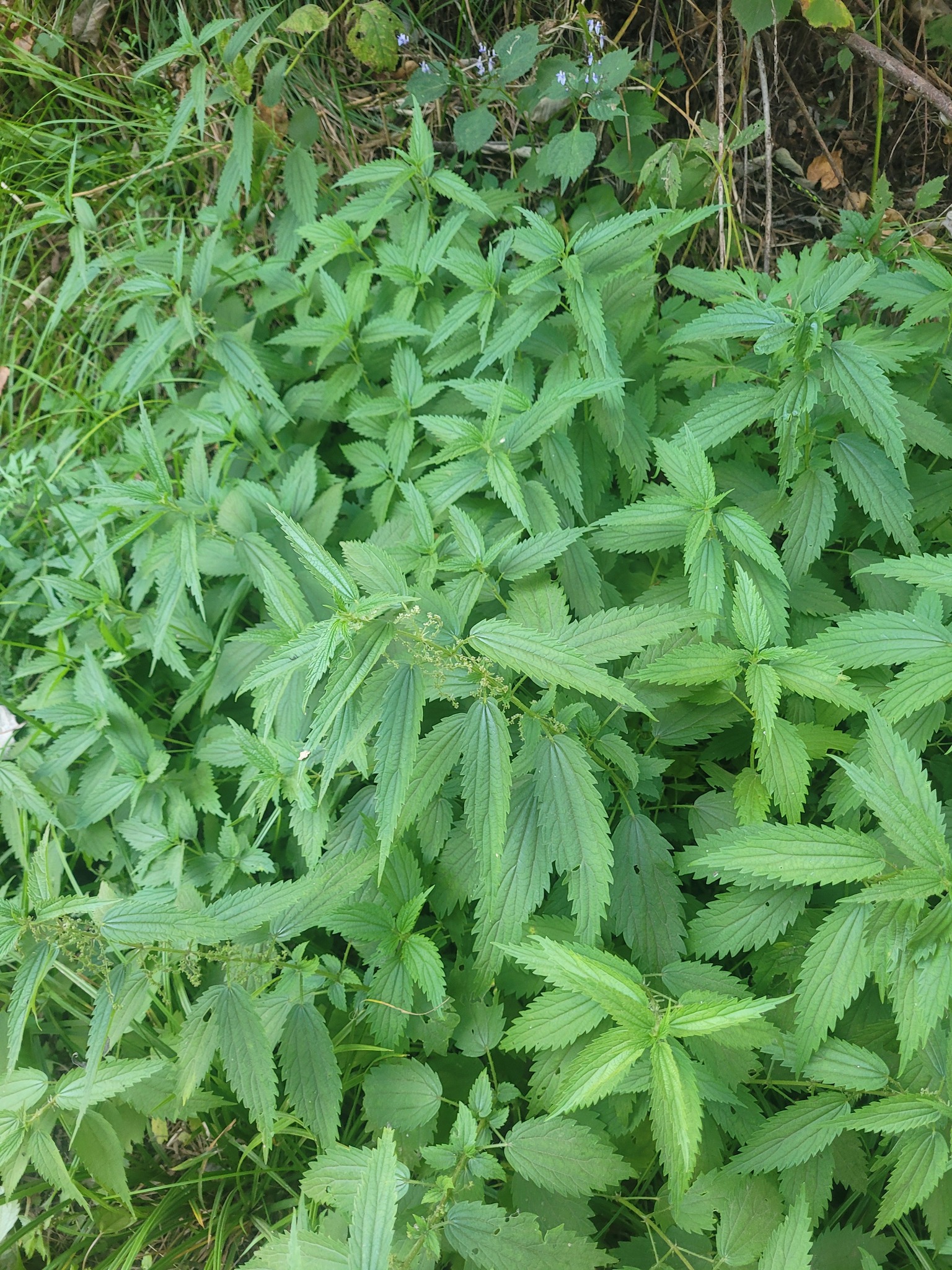
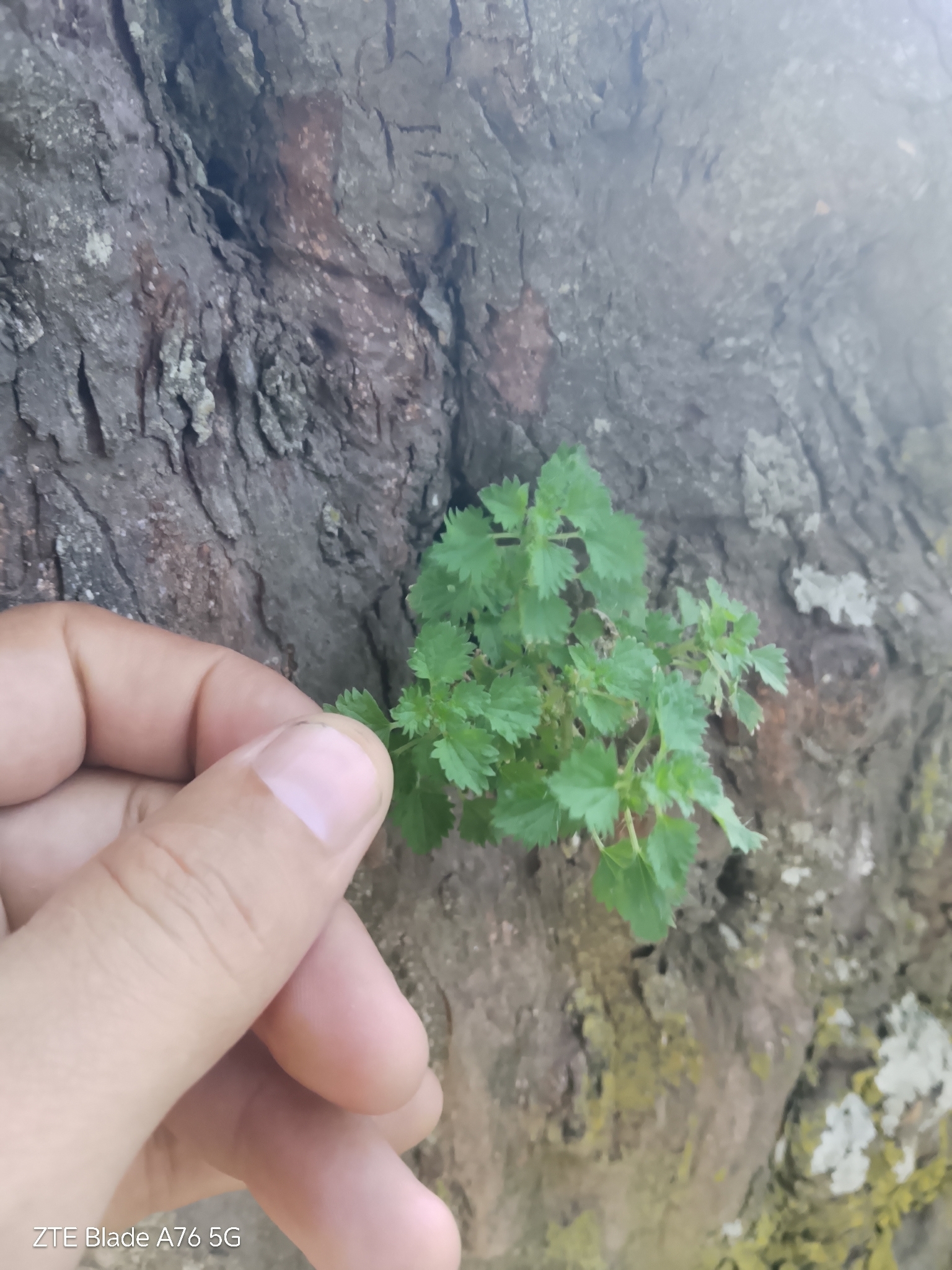
Photos of Himalayan Nettle (Urtica ardens)
Common names and botanical synonyms
Botanical classification
| Rank | Name |
|---|---|
| Kingdom | Plantae |
| Division | Tracheophyta |
| Class | Magnoliopsida |
| Order | Rosales |
| Family | Urticaceae |
| Genus | Urtica |
| Species | Urtica ardens |
Similar in genus Urtica
Answers based on plant encyclopedia data