Arrosage
Water regularly to keep the soil consistently moist, especially during dry periods. Avoid waterlogged conditions, as this can lead to root rot.
Allow the top inch of soil to dry slightly between waterings for established plants.
Urtica angustifolia - guide de culture, bienfaits et entretien pour cette espèce de Urtica. Trouvez arrosage, lumière, sol et conseils de culture pour garder Urtica angustifolia en bonne santé, plus des notes d’identification et la fiche plante avec ePlant AI.
Arrosage, exposition, terreau et conditions de culture en un coup d’œil
Full Sun to Partial Shade
50% intensité
Prefers full sun but tolerates partial shade, especially in hotter climates.
Consistent Moisture
50% intensité
Keep soil evenly moist, but not saturated. Reduce watering in winter.
Moist, fertile, well-drained
50% intensité
15-25°C
25% intensité
Tolerates a wide range of temperatures, generally hardy to -29°C. Protect from extreme heat.
Low to Moderate
25% intensité
Enrich soil with compost before planting. Light feeding in spring if growth is weak.
Informations de sécurité issues des données sur la toxicité de la plante
| Caractéristique | Valeur |
|---|---|
| Toxique pour les humains | Non 0/5 toxicité |
| Toxique pour les animaux domestiques | Non 0/5 toxicité |
| Comestible | Oui |
Caractéristiques botaniques et données de croissance de la plante
Arrosage, taille, multiplication et rempotage selon les données de la plante
Water regularly to keep the soil consistently moist, especially during dry periods. Avoid waterlogged conditions, as this can lead to root rot.
Allow the top inch of soil to dry slightly between waterings for established plants.
Pruning is primarily for managing size and shape, and for harvesting. Cut back stems in late spring or early summer to encourage bushier growth. Remove any dead or damaged stems at any time.
Harvest young leaves before flowering for best flavor and texture.
Easily propagated from seed sown in spring, either indoors or directly outdoors after the last frost. Softwood cuttings can also be taken in late spring or early summer and rooted in moist soil or water.
Division of established clumps in spring is another effective method.
Repot young plants annually or as needed to provide more space for root growth.
Mature plants can be left in their pots for several years but may benefit from repotting every 2-3 years to refresh the soil and check root health. Use a well-draining potting mix.
Identifiez vos plantes avec ePlant AI
Prenez une photo pour obtenir des conseils d’entretien et trouver des espèces similaires, même en déplacement.
Évolution mensuelle de la floraison et de la fructification dans les deux hémisphères.
Calendrier de floraison et de fructification
Calendrier de floraison et de fructification
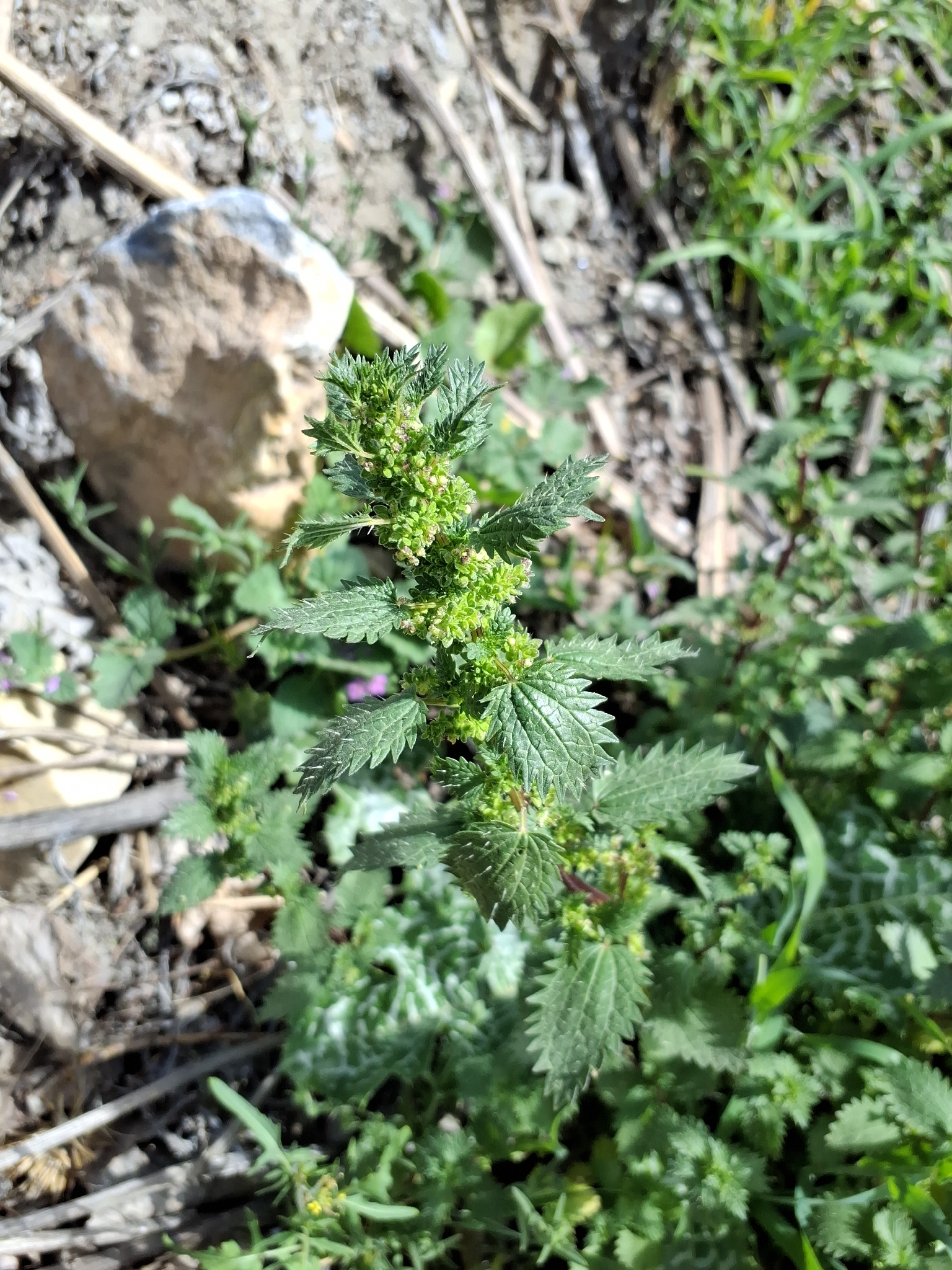
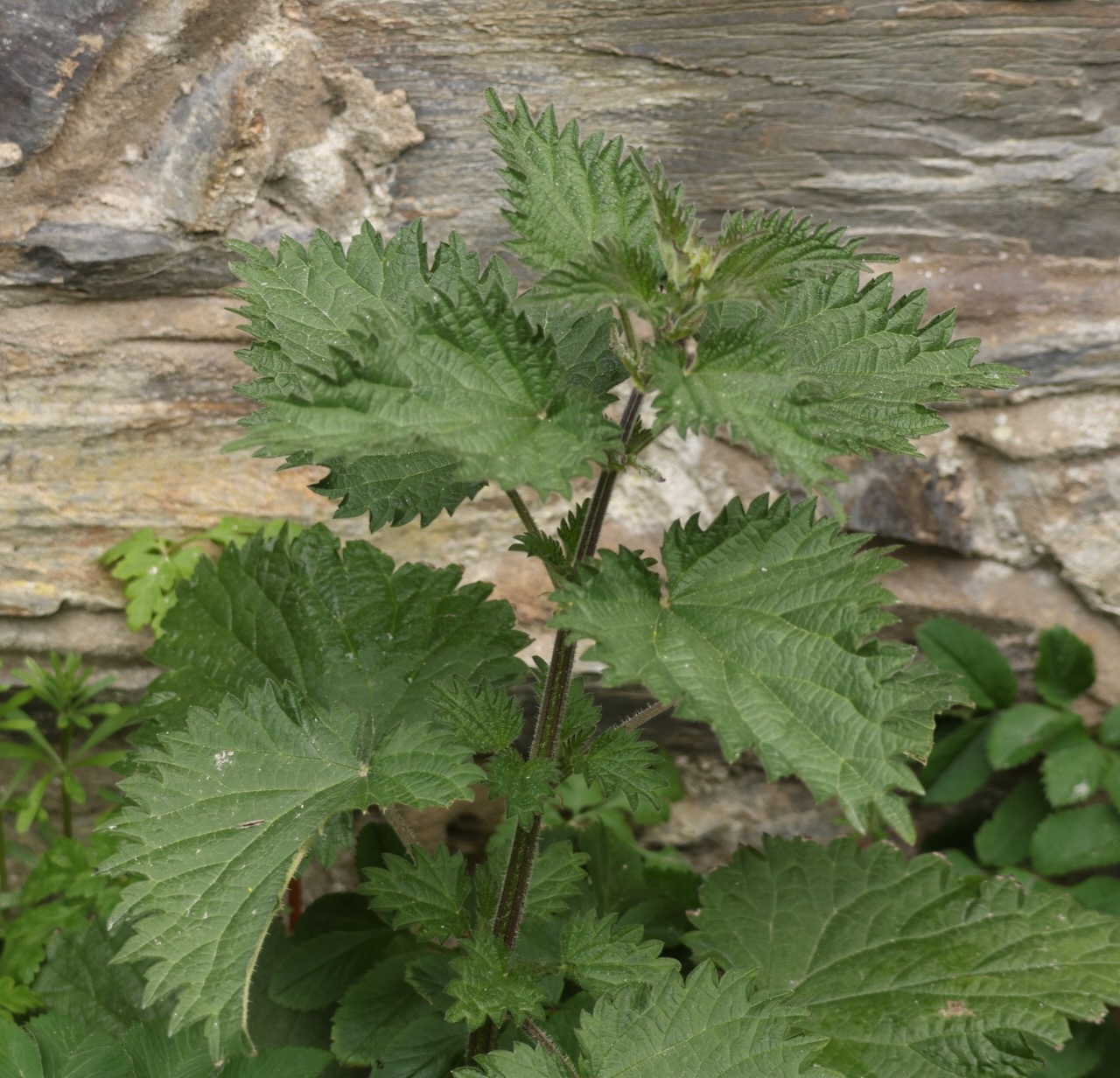
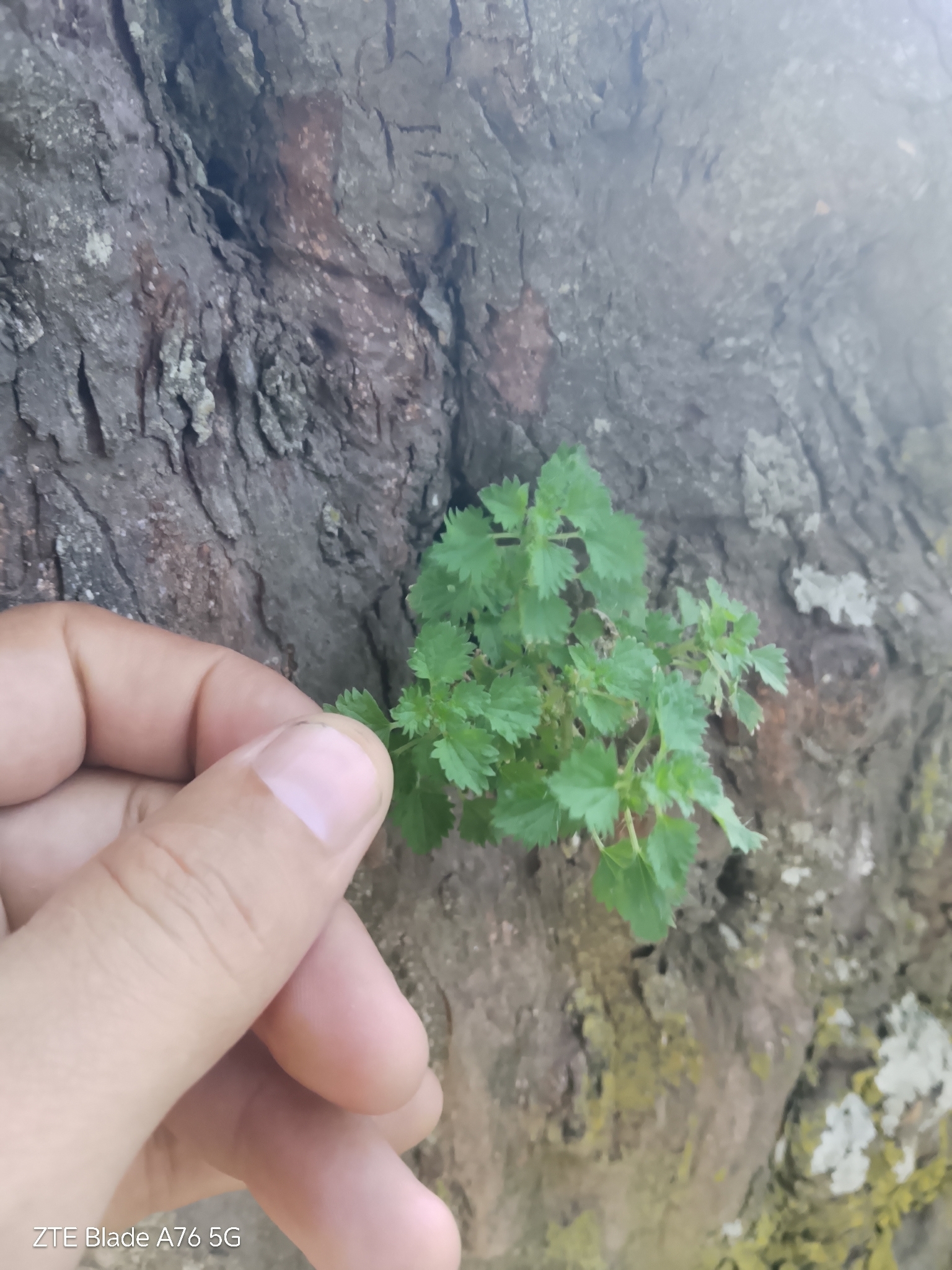
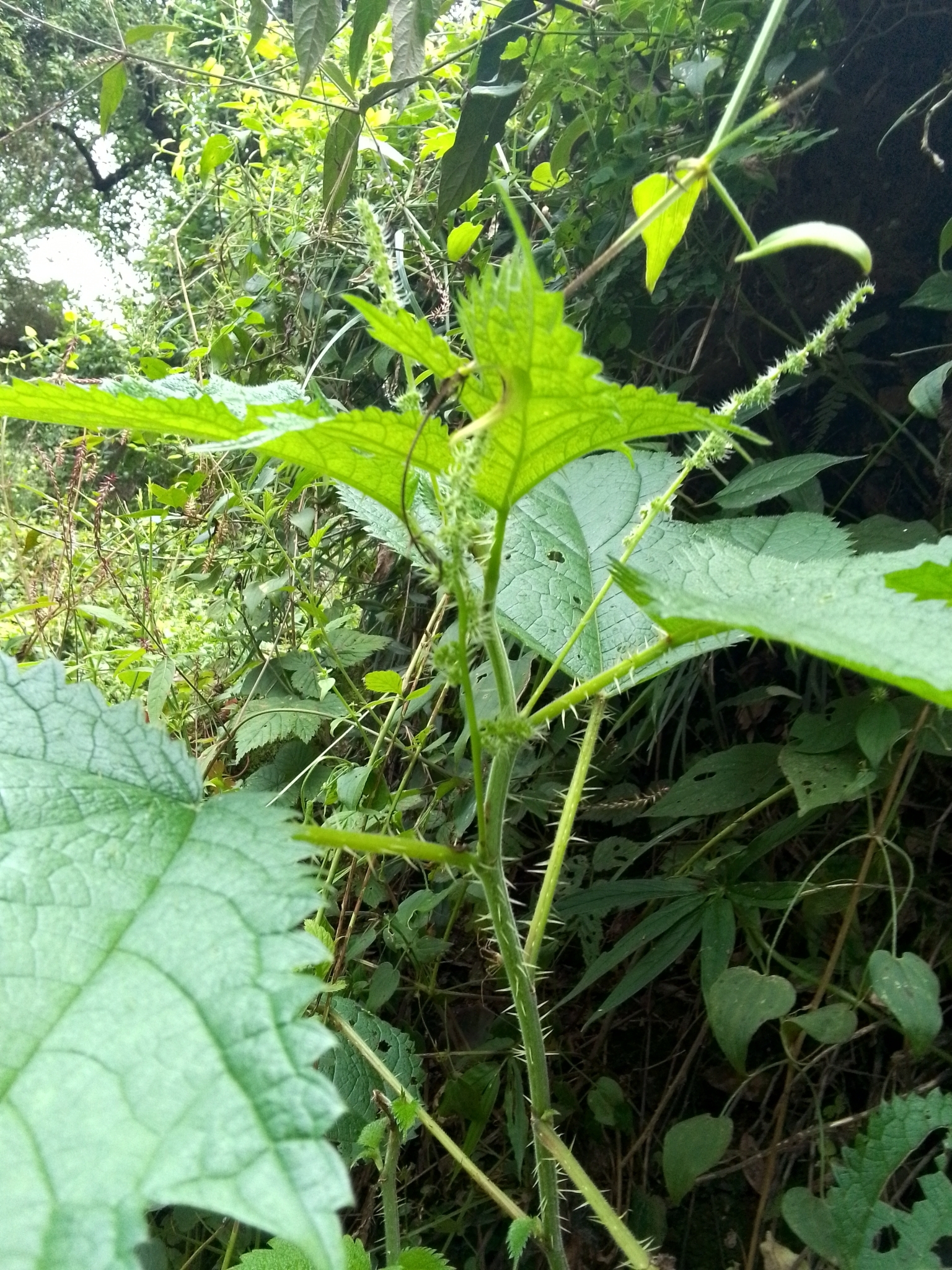
Photos : East-Asian Nettle (Urtica angustifolia)
Noms communs, noms botaniques et synonymes
Classification scientifique de la plante
| Rang taxonomique | Nom scientifique |
|---|---|
| Règne | Plantae |
| Division | Tracheophyta |
| Classe | Magnoliopsida |
| Ordre | Rosales |
| Famille | Urticaceae |
| Genre | Urtica |
| Espèce | Urtica angustifolia |
Espèces similaires du genre Urtica
Réponses fondées sur les données de notre encyclopédie des plantes