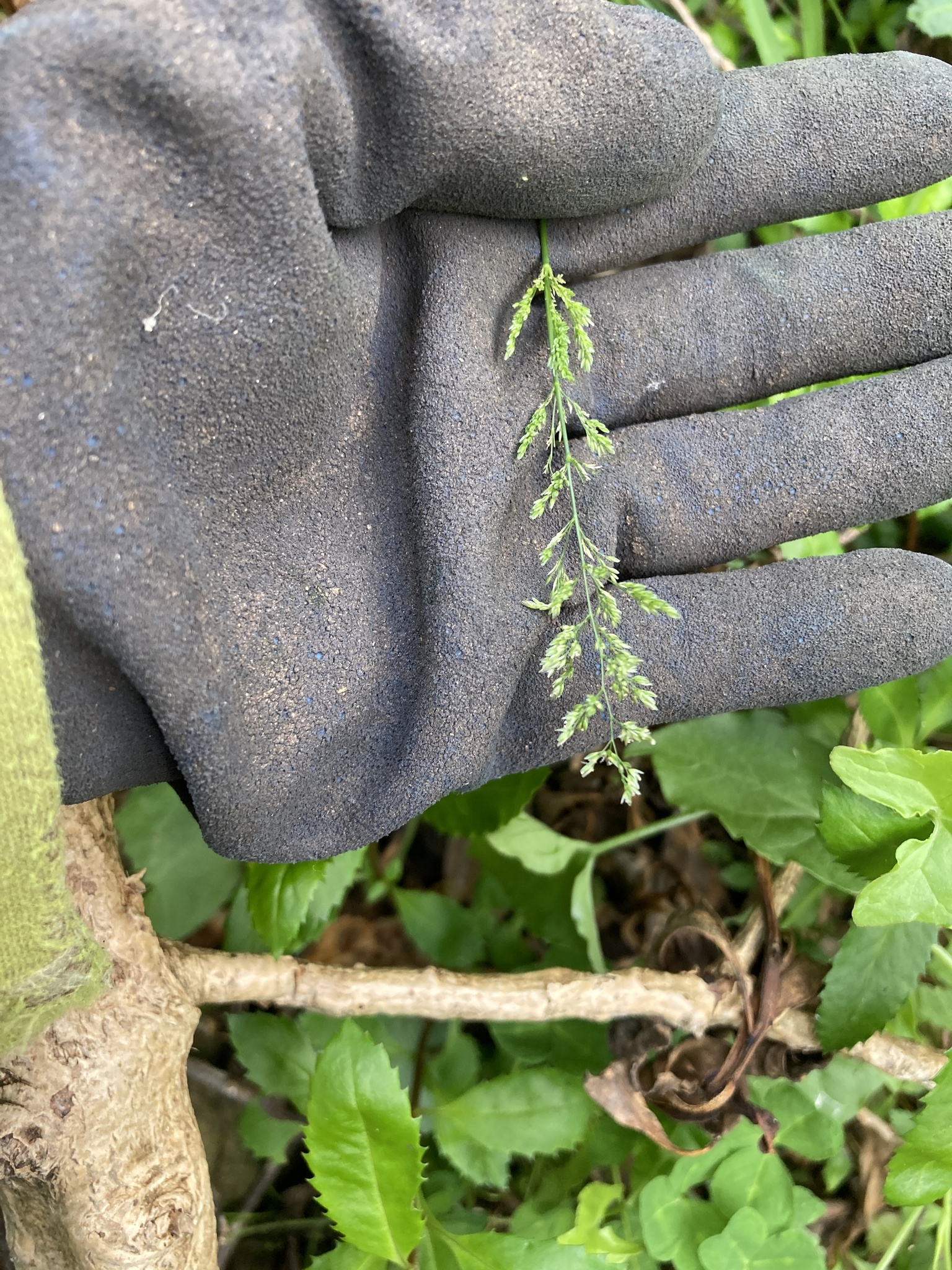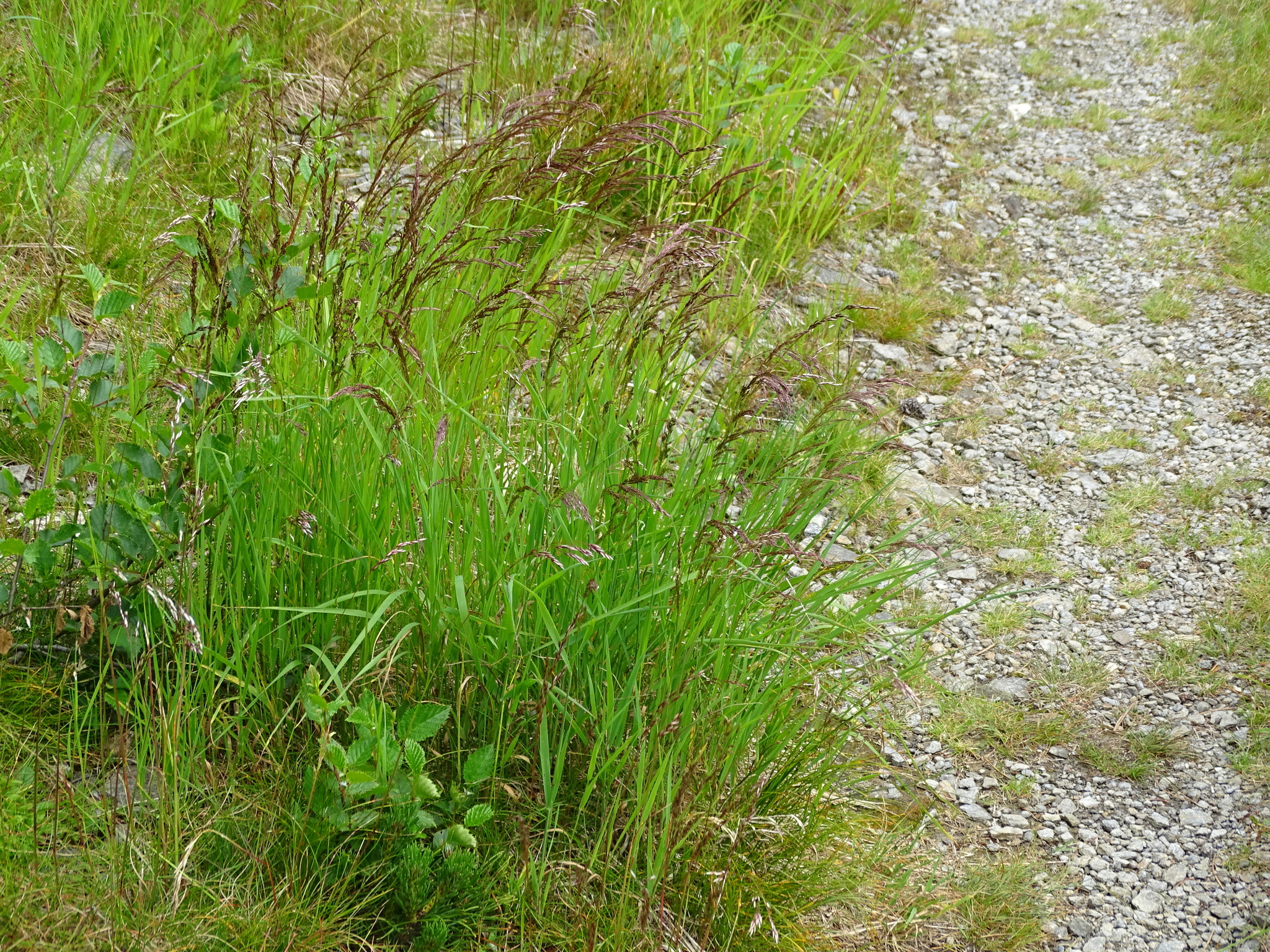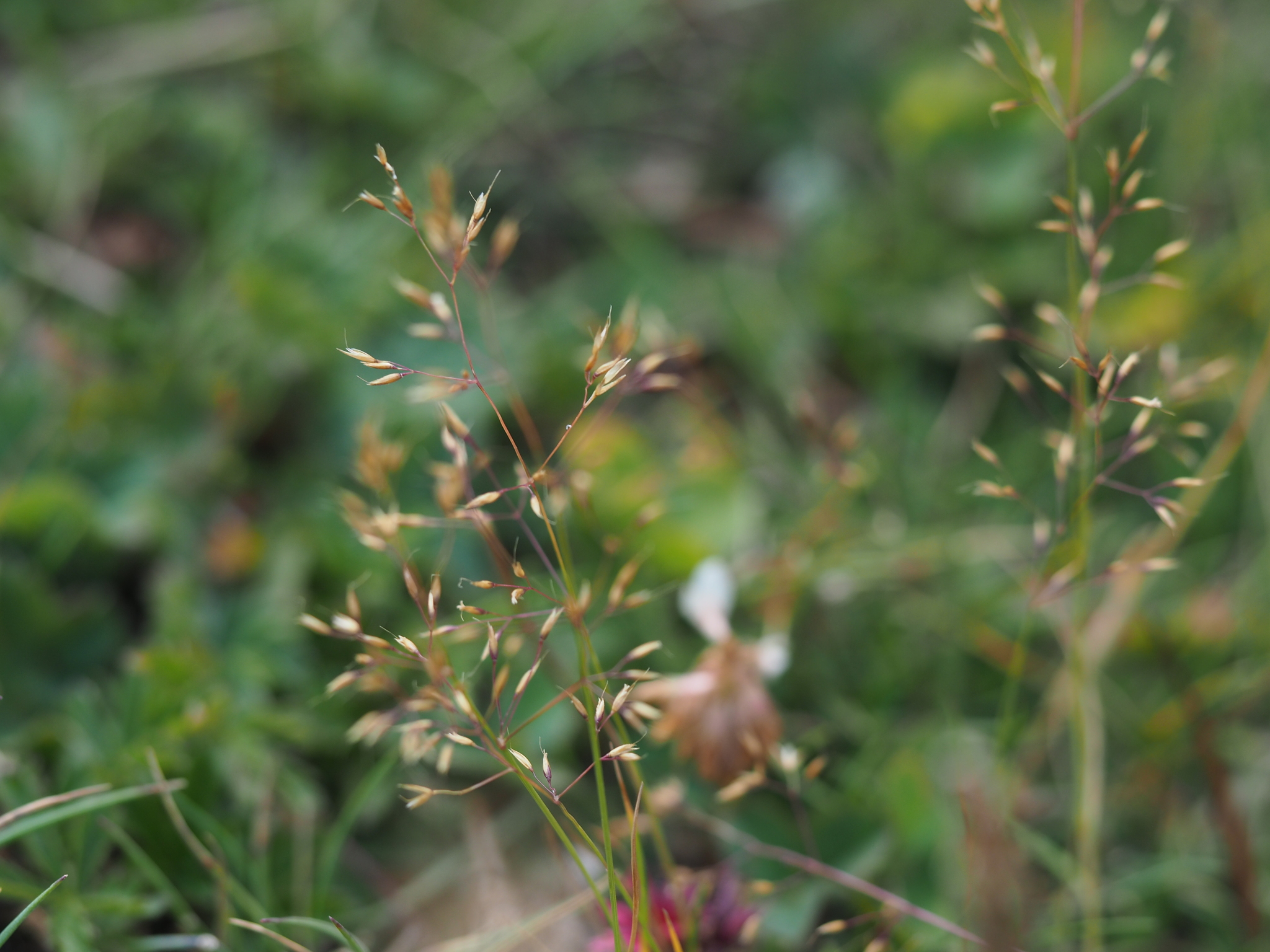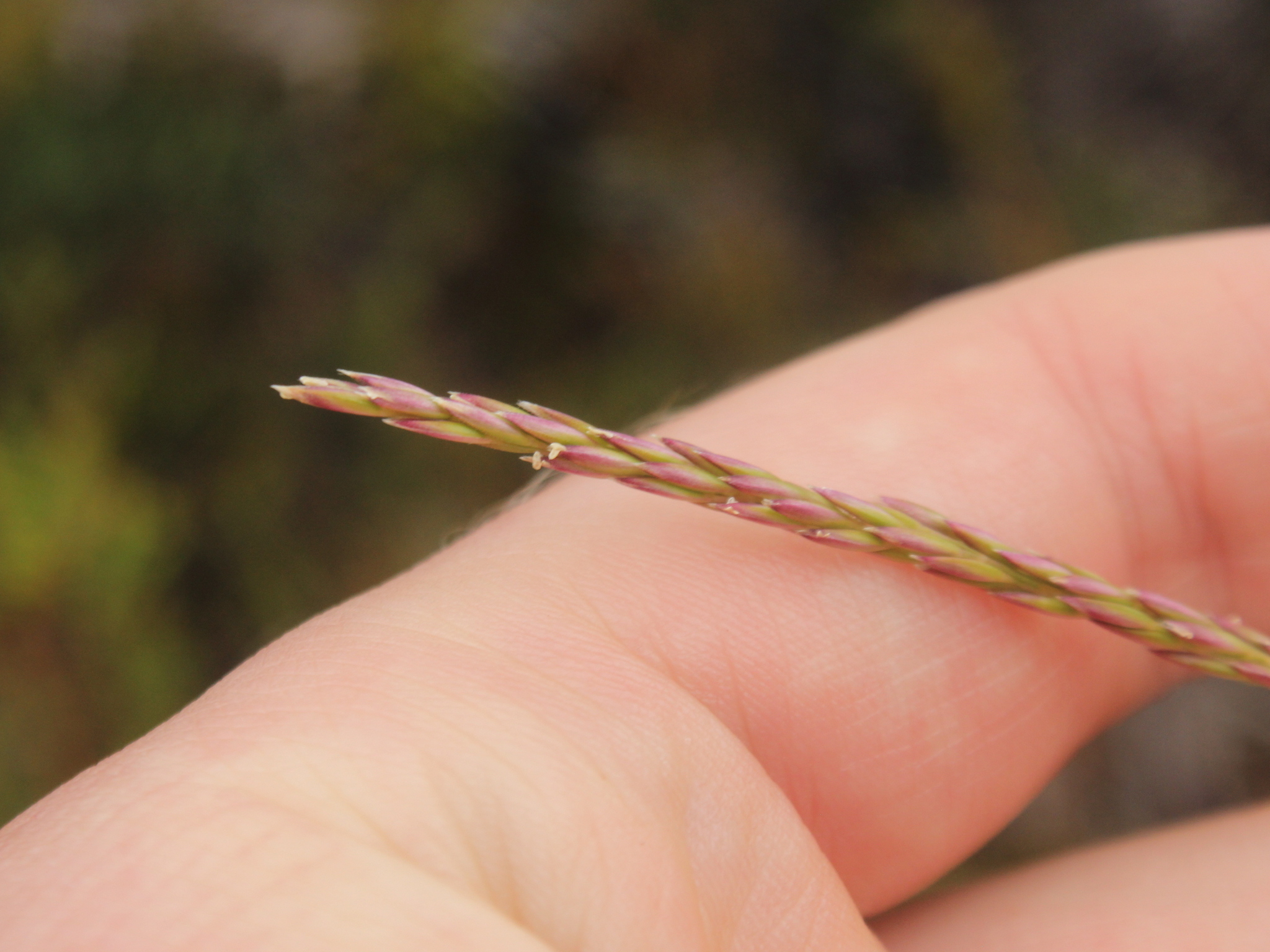
Agrostis aequivalvis, commonly known as Northern Bentgrass, is a species of grass belonging to the genus Agrostis. This perennial grass is characterized by its slender, erect to somewhat spreading culms that typically reach heights of 30 to 80 centimeters. The leaves are narrow, linear, and often involute, measuring about 1 to 3 millimeters in width, and are a vibrant green color. The ligule, a membrane at the junction of the leaf blade and sheath, is typically short and obtuse. The inflorescence is a panicle, which is open and spreading, often appearing airy. The spikelets, the basic units of the grass flower, are small and contain one floret. The glumes are usually unequal in length, and the lemma, a floral bract, is typically shorter than the glumes and may bear a delicate awn. The caryopsis, or grain, is small and oblong.
Northern Bentgrass is native to a circumboreal distribution, found across northern regions of North America and Eurasia. It thrives in a variety of open habitats, often preferring moist to mesic conditions. Its natural environments include meadows, pastures, open woodlands, and along the edges of bogs and fens. It is well-adapted to cooler climates and can tolerate a range of soil types, though it generally favors well-drained soils. While not widely cultivated for specific agricultural purposes, its presence in natural and semi-natural grasslands contributes to the ecological fabric of these environments. Its ability to establish in disturbed areas also makes it a component of successional vegetation.
Ecologically, Agrostis aequivalvis plays a role in its native ecosystems by providing ground cover and forage for certain herbivores. Its seed heads can offer a food source for small birds. The plant's growth habit helps to stabilize soil, preventing erosion in its natural habitats. While not a primary agricultural crop, its forage quality is generally considered moderate. There is no widespread documented use of Agrostis aequivalvis in ornamental horticulture, medicinal applications, or culinary traditions. Its significance lies primarily in its contribution to the biodiversity and ecological functioning of northern grassland and wetland ecosystems. The species' adaptations to cold climates and its ability to colonize various open habitats underscore its resilience in challenging environments.