Cecropia Pachystachya Outdoor Foliage Tree Care Guide | ePlant AI
Cecropia Pachystachya (Cecropia pachystachya)
Cecropia pachystachya is a fast-growing tree native to South America, known for its distinctive palmate leaves and hollow stems.
Cecropia pachystachya is a distinctive tree species recognized for its rapid growth and prominent role in Neotropical ecosystems. As a member of the Urticaceae family, commonly known as the nettle family, it shares characteristics with other plants in this group, though its arboreal form and ecological niche set it apart. This species is often found in disturbed areas and forest edges, where its ability to colonize open spaces quickly makes it a pioneer species.
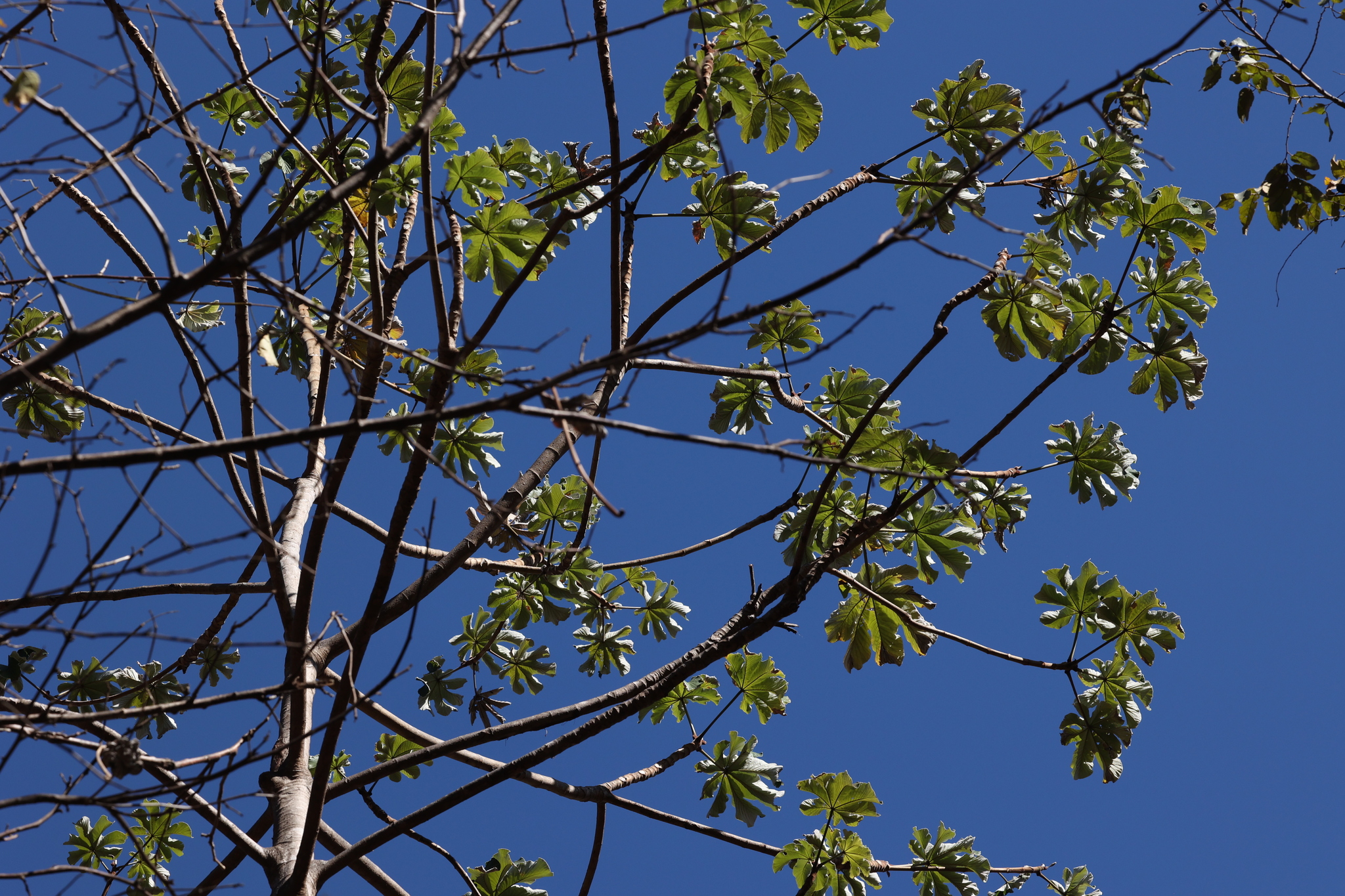
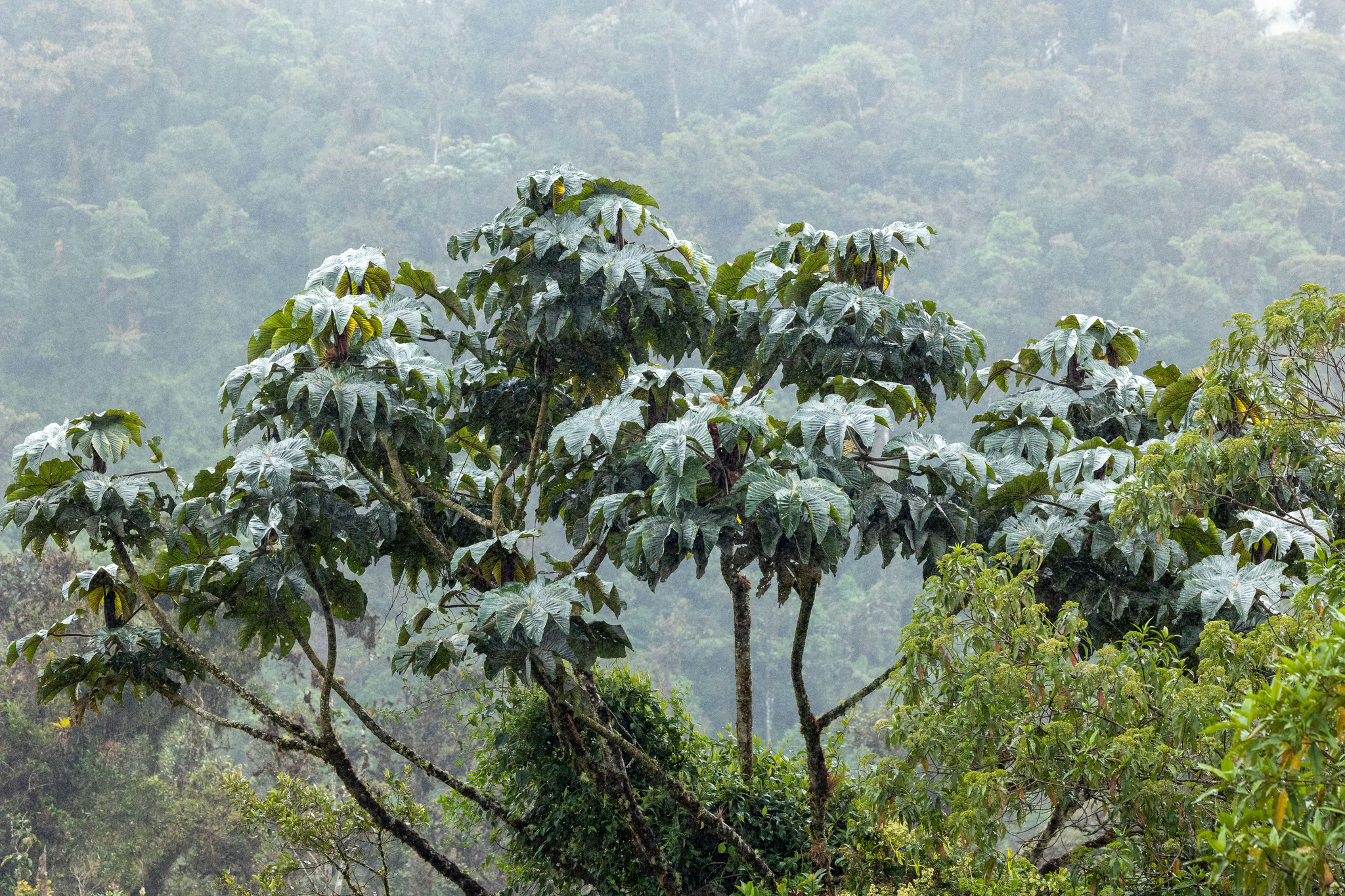
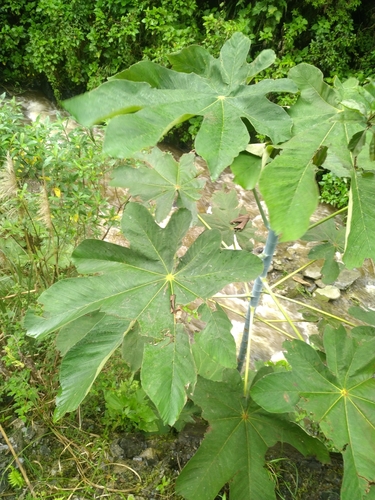
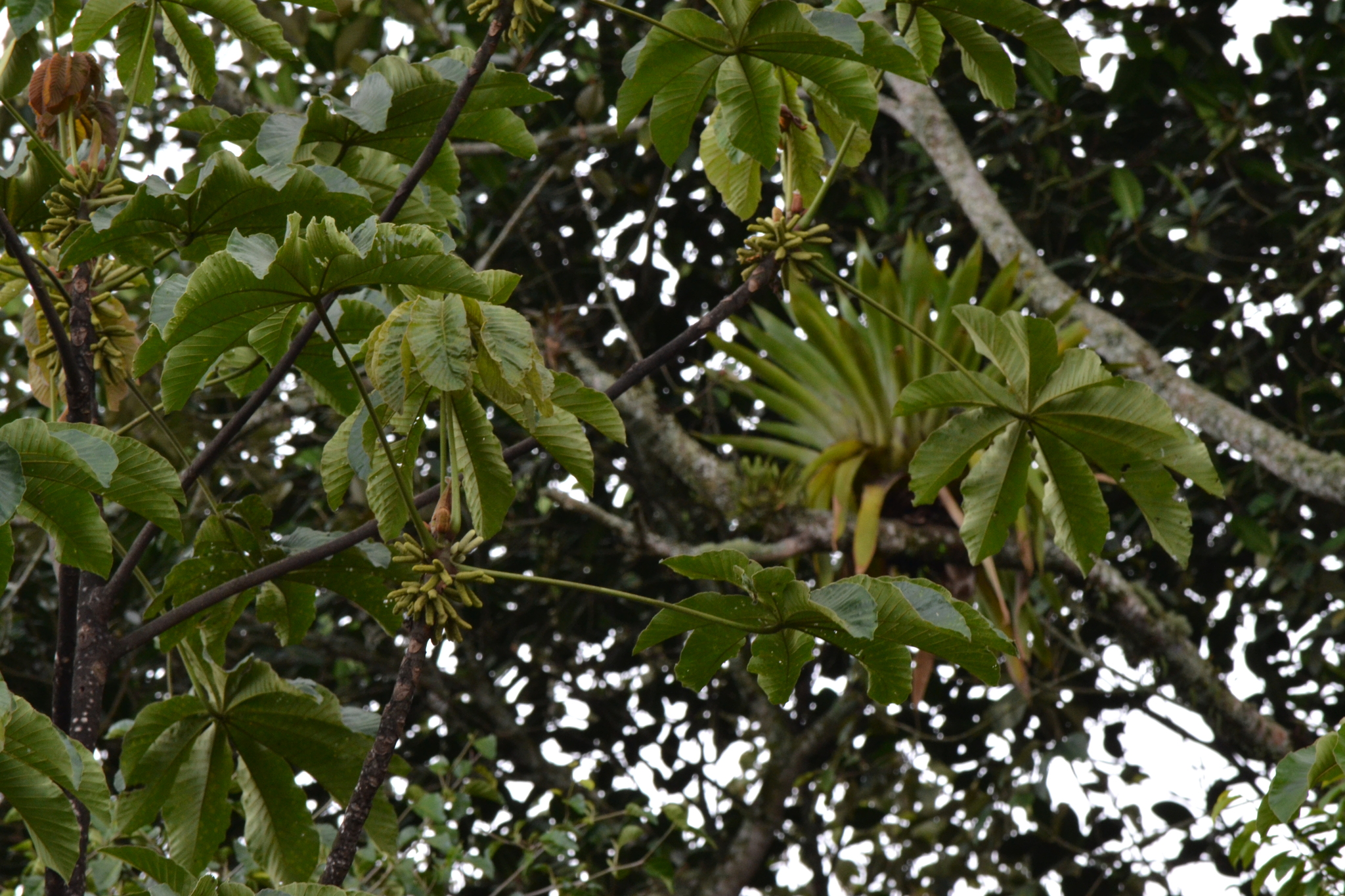
Physically, Cecropia pachystachya is characterized by its slender, erect trunk, which is typically hollow and segmented, often supporting a dense crown of large, palmate leaves. These leaves are deeply lobed, with a distinctive silvery-white underside, a feature that can create a shimmering effect when the wind rustles through the foliage. The bark is smooth and pale gray, further contributing to the tree's striking appearance. The reproductive structures of Cecropia pachystachya are borne on separate male and female trees, a characteristic known as dioecy. The inflorescences are cylindrical spikes, often referred to as catkins, which emerge from the leaf axils. Following pollination, female trees produce small, drupe-like fruits that are aggregated on these spikes.
The native distribution of Cecropia pachystachya spans a significant portion of South America, extending across various tropical and subtropical regions. It thrives in a range of natural habitats, including humid lowland forests, gallery forests along rivers, and savannas, particularly in areas that have experienced natural or anthropogenic disturbances. Cultivation requirements for this species generally favor well-drained soils and ample sunlight. Its fast-growing nature means it can quickly establish itself, making it suitable for reforestation projects or as a shade tree in appropriate environments.
Ecologically, Cecropia pachystachya plays a vital role in its native habitats. It is a significant food source for various arboreal animals, including sloths, monkeys, and birds, which consume its leaves and fruits. The hollow stems of Cecropia species are famously known to be inhabited by ants, particularly those of the genus Azteca, in a mutualistic relationship where the ants protect the tree from herbivores and the tree provides shelter and sustenance for the ants. This symbiotic association is a remarkable example of co-evolution in tropical forests. While not widely cultivated for ornamental purposes outside its native range, its unique form and ecological significance are of considerable interest to botanists and ecologists. There is limited scientifically documented information regarding its medicinal, culinary, or economic importance for this specific species.
An interesting characteristic of Cecropia pachystachya, common to many Cecropia species, is its rapid growth rate, which allows it to quickly colonize open areas created by tree falls or human activities. This pioneering ability is crucial for forest regeneration, as it helps to stabilize soil and provide habitat for other species to establish themselves. The silvery undersides of its large leaves are thought to aid in reflecting excess sunlight and potentially in deterring herbivores.