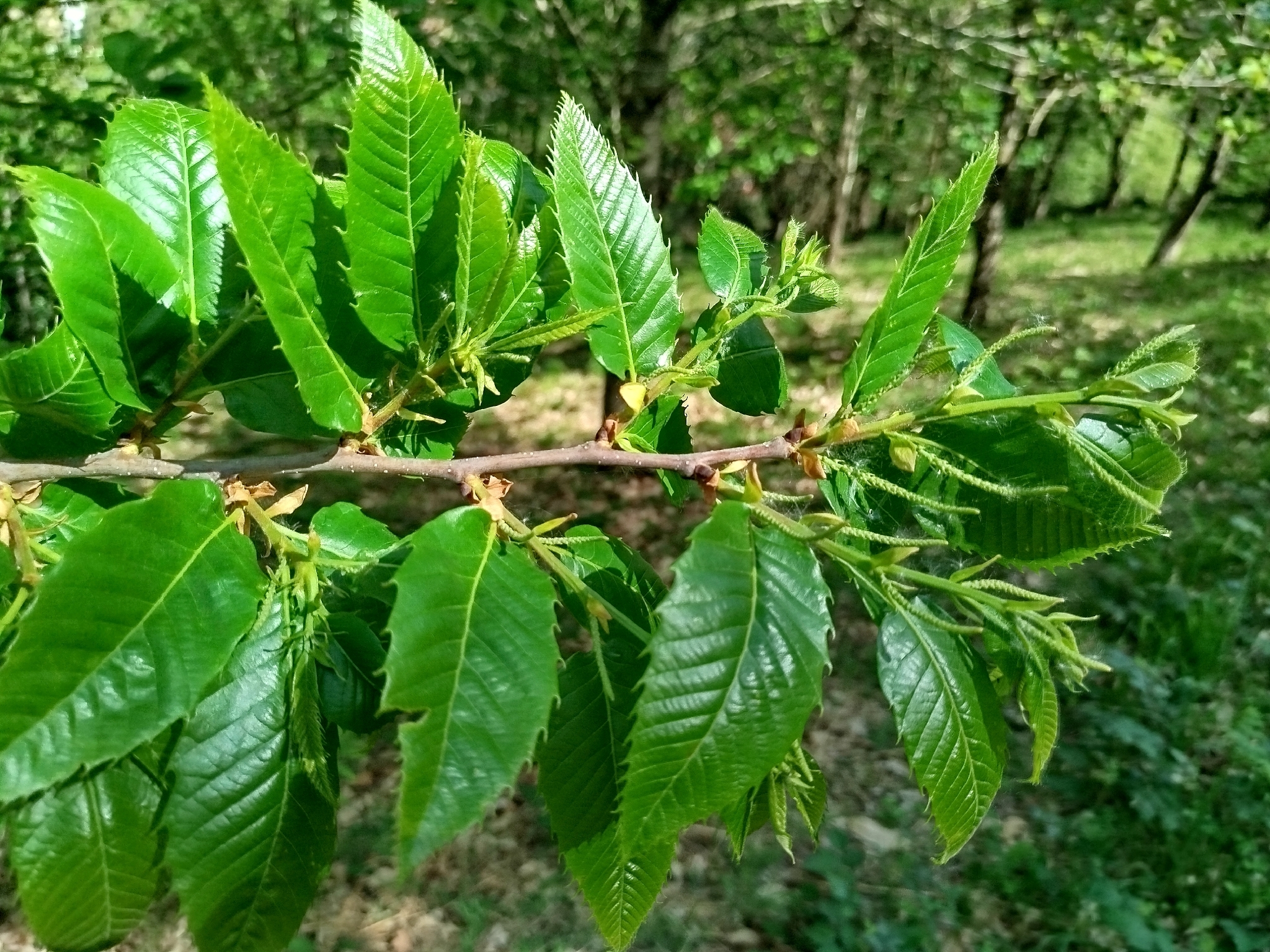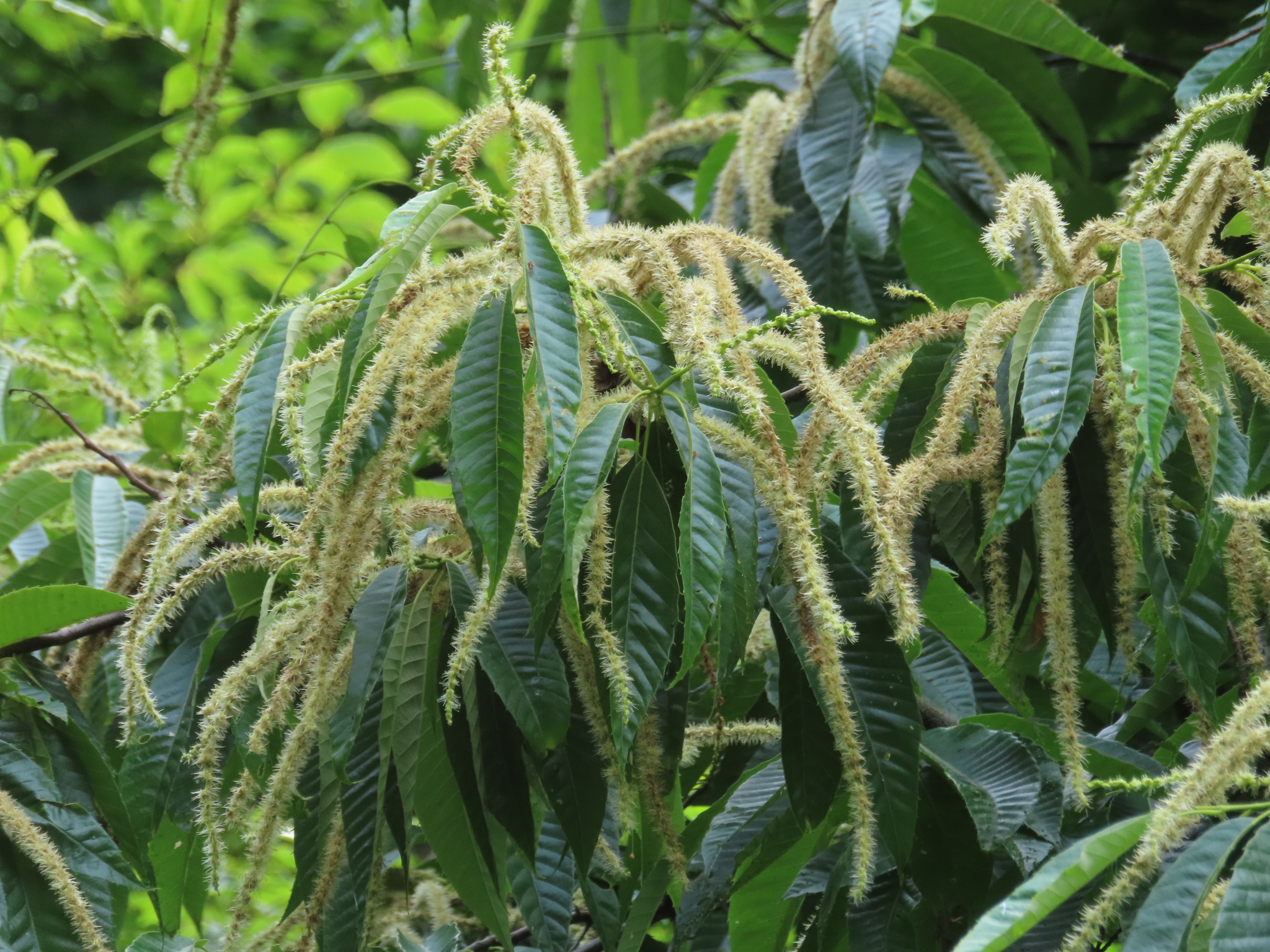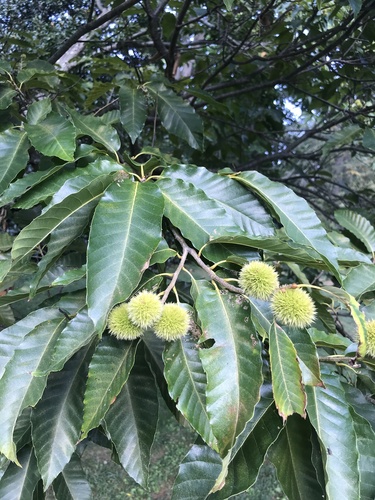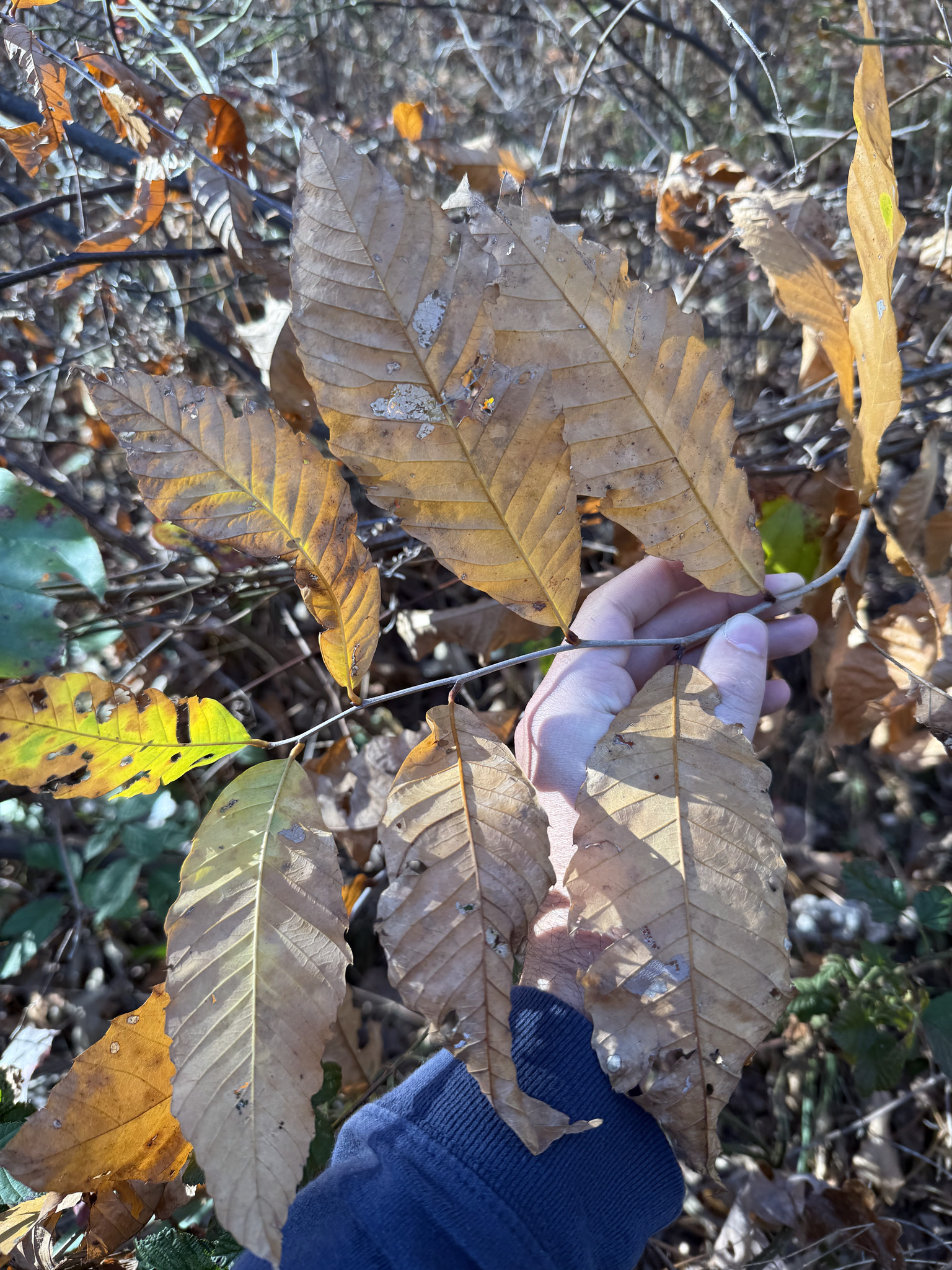
Castanea dentata, the American Chestnut, is a large deciduous tree native to eastern North America, historically valued for its nuts and timber before blight.
Above information is sourced from Wikipedia
Sunlight
Prefers full sun to partial shade for optimal growth and nut production.
Watering
Keep soil consistently moist, especially when young. Water deeply during dry spells.
Soil
Prefers well-drained, acidic to neutral soils rich in organic matter. Avoid waterlogged or alkaline conditions.
Temperature
Thrives in temperate climates with moderate summer heat and cold winters.
Habitat
Outdoor
Fertilizer
Generally not needed in fertile soil. Use balanced fertilizer for slow-growing young trees.
Prefers full sun to partial shade for optimal growth and nut production.
Keep soil consistently moist, especially when young. Water deeply during dry spells.
Prefers well-drained, acidic to neutral soils rich in organic matter. Avoid waterlogged or alkaline conditions.
Thrives in temperate climates with moderate summer heat and cold winters.
Ideal growing range: 15-25 °C
Outdoor
Generally not needed in fertile soil. Use balanced fertilizer for slow-growing young trees.
Plant Type
Tree
Plant Category
Fruit, Foliage
Plant Place Type
Ground
Plant Environment
Outdoor
Lifespan
Perennials
Plant Height
20-30 m
Spread
15-20 m
Growth Rate
Moderate to fast
Dormancy
Yes
Leaf Color
Green
Leaf Type
Simple, alternate, toothed
Flower Size
1-2 cm
Toxic for humans
No
Rating: 0/5
Toxic for pets
No
Rating: 0/5
Edible
Yes