Arizona Gumweed (Grindelia arizonica) – Benefits, Growing Guide & Care | ePlant AI
Arizona Gumweed (Grindelia arizonica)
Arizona Gumweed
Cutleaf Gumweed
New Mexican Gumweed
Detailed description not available.
Grindelia arizonica, commonly known as Arizona gumweed, is a perennial herbaceous plant native to the southwestern United States and northern Mexico. This species belongs to the Asteraceae family, which includes daisies and sunflowers, and is recognized for its resinous flower buds and bright yellow, daisy-like blooms. Arizona gumweed plays a role in its native ecosystems and is of interest for its unique botanical characteristics.
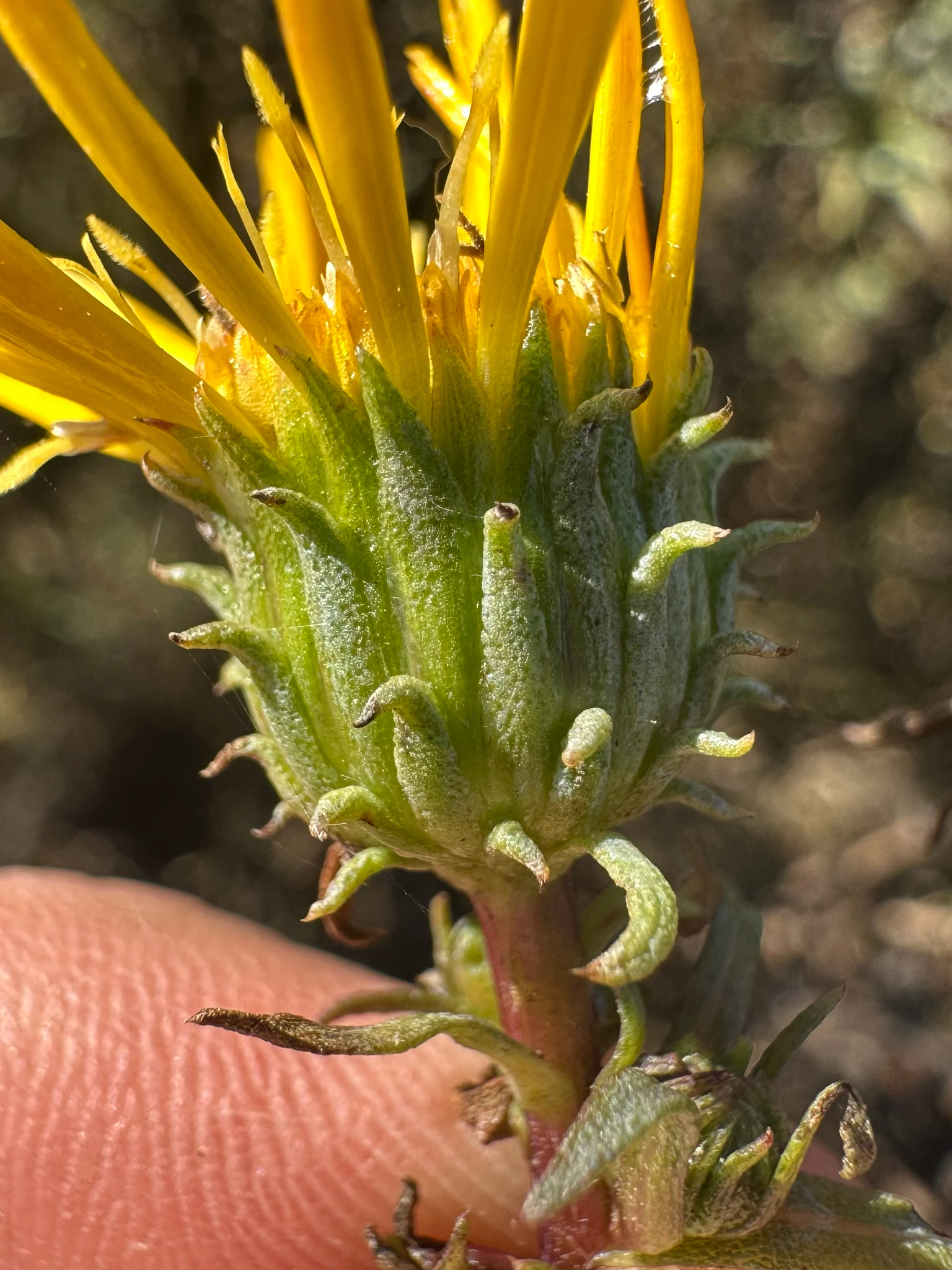
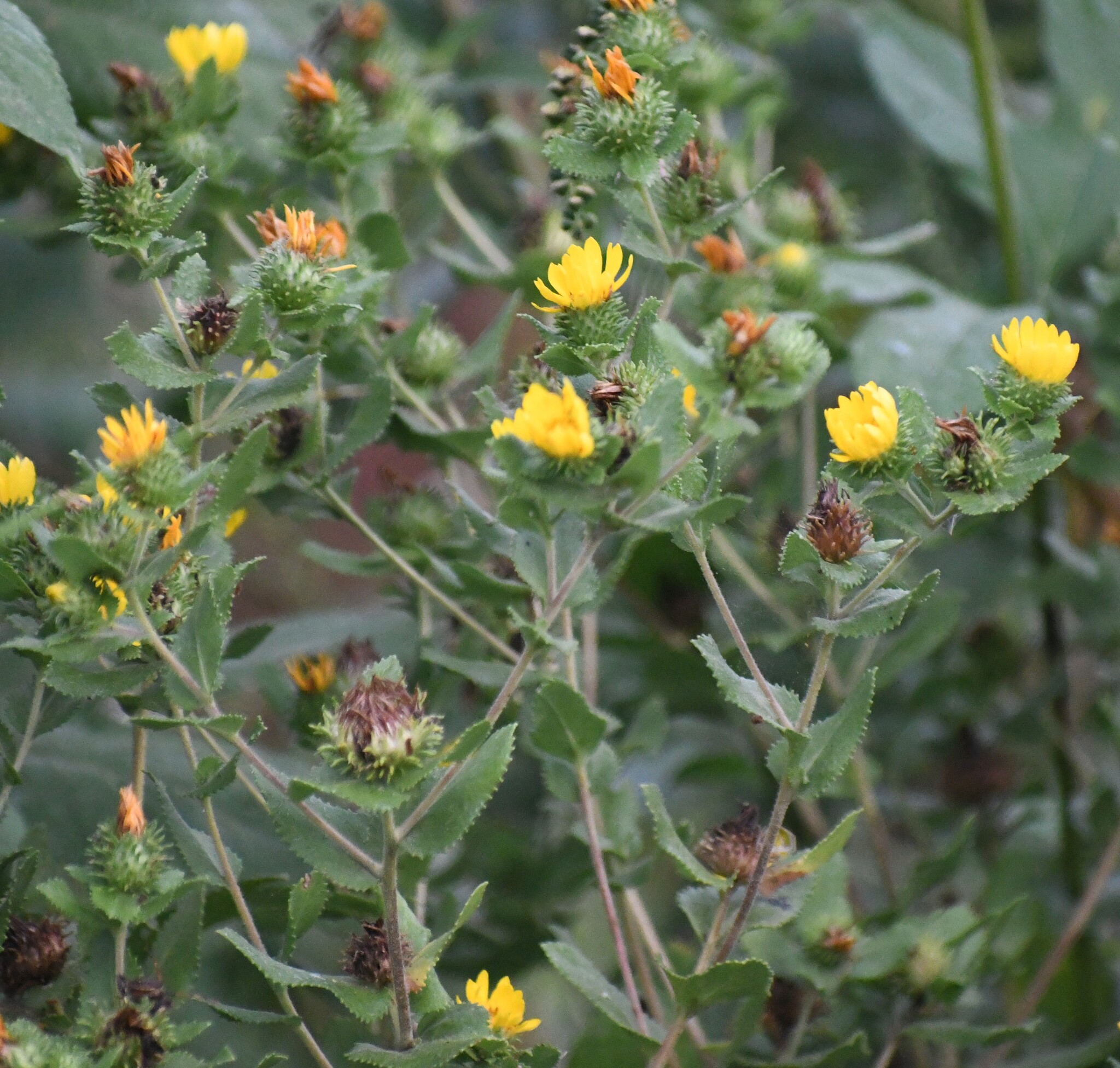
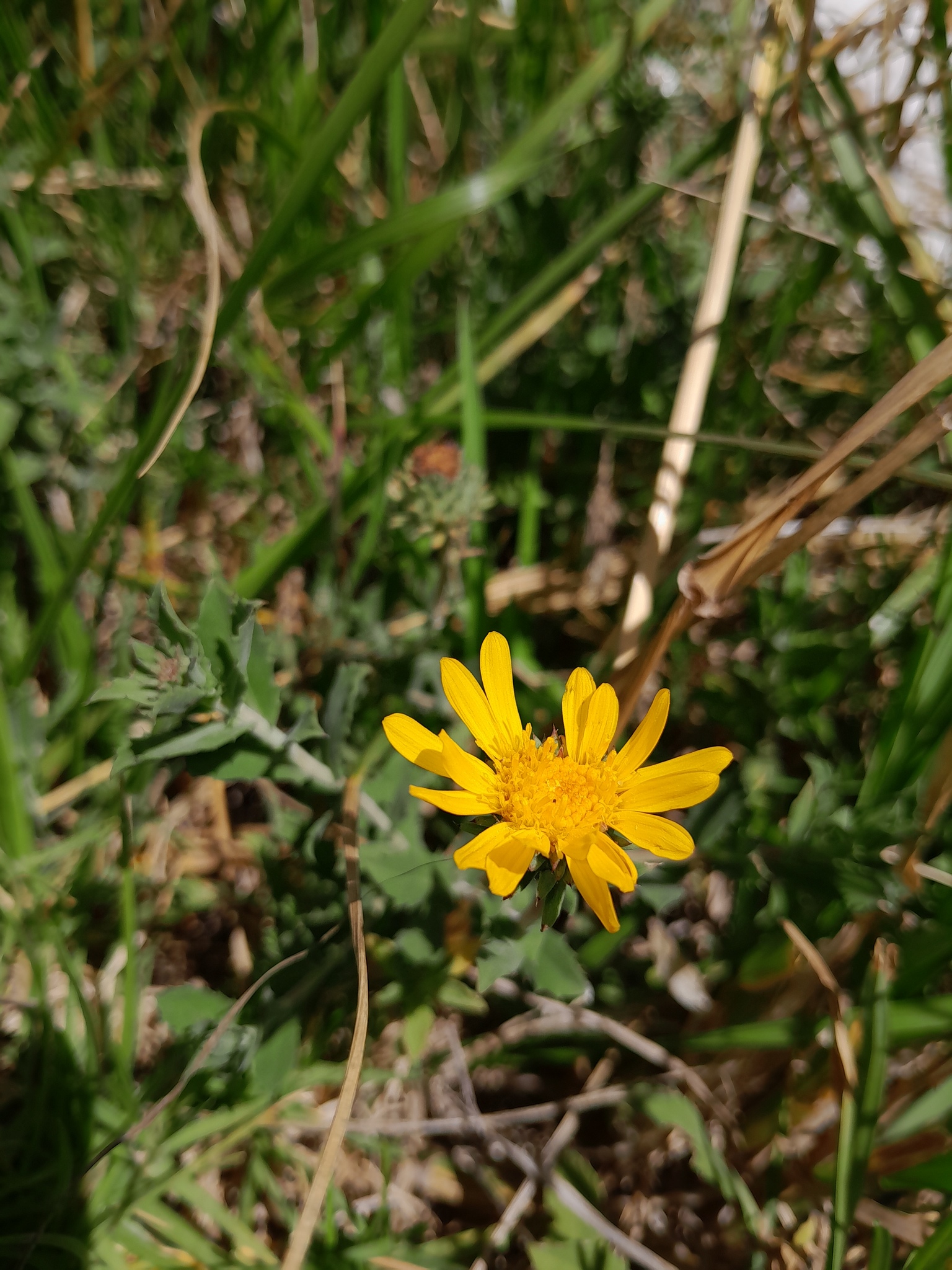
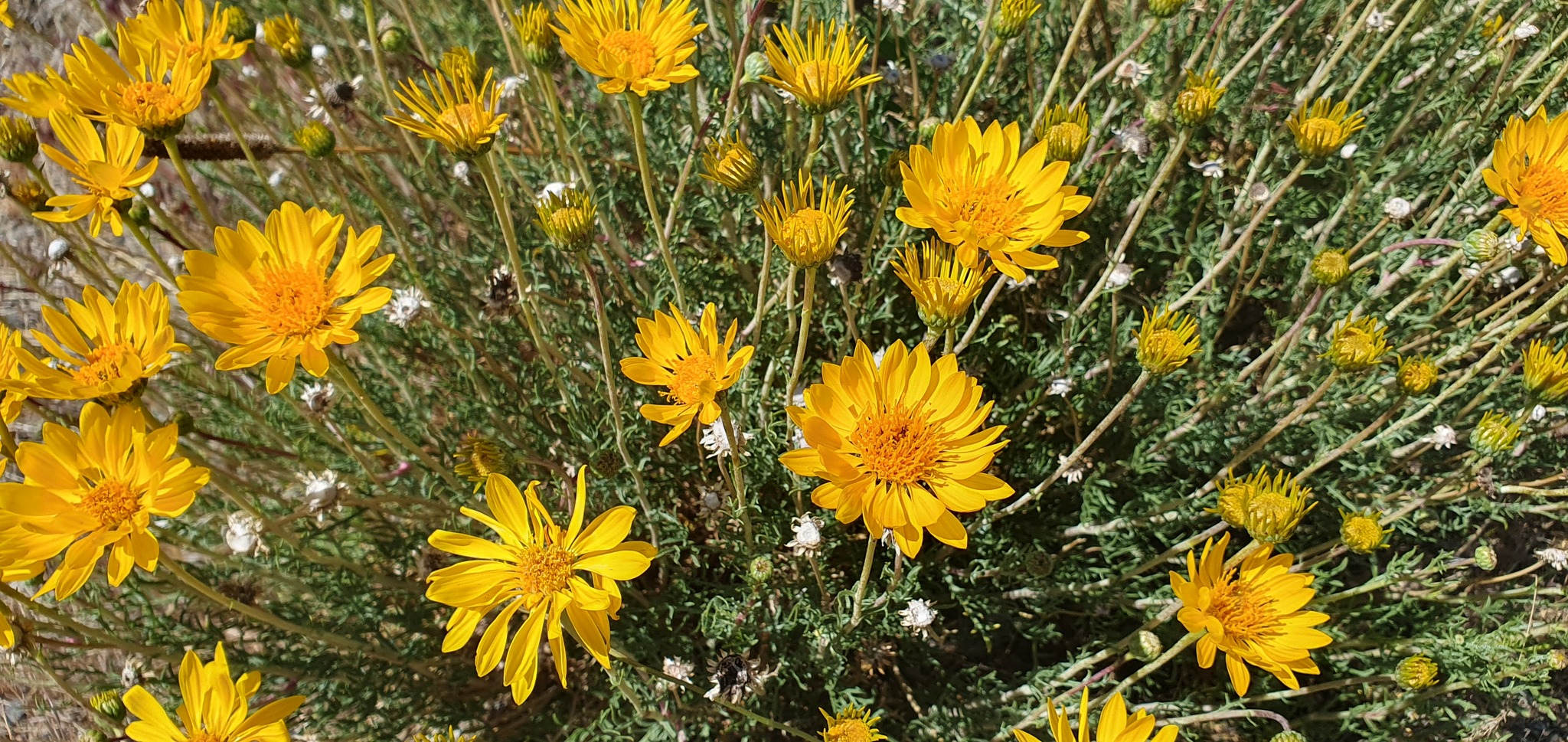
Physically, Grindelia arizonica typically grows to a height of 30 to 90 centimeters (1 to 3 feet). Its growth habit is erect to spreading, forming clumps of stems that can become somewhat woody at the base with age. The leaves are alternate, sessile, and vary in shape from oblong to lanceolate, often with toothed or serrated margins. A distinguishing feature of the leaves and stems is the presence of glandular hairs that exude a sticky, resinous substance, giving the plant its common name "gumweed." This resin can be quite abundant, particularly on the flower buds. The flowers are composite, meaning each "flower" is actually an inflorescence composed of many small florets. The ray florets are typically bright yellow and strap-shaped, surrounding a central disk of fertile, tubular, yellow florets. These flower heads are usually solitary or borne in loose clusters at the stem tips, blooming from summer through fall. Following pollination, the fruit develops as an achene, a small, dry, single-seeded fruit, which is crowned with a pappus of bristles.
The native range of Grindelia arizonica encompasses arid and semi-arid regions, where it thrives in a variety of habitats. It is commonly found in open, disturbed areas, such as roadsides, fields, and prairies, as well as in desert scrub, grasslands, and open woodlands. It prefers well-drained soils and can tolerate a range of soil types, from sandy to loamy. Cultivation requirements for Arizona gumweed generally align with its native habitat: it prefers full sun and is highly drought-tolerant once established. Its adaptability to dry conditions and poor soils makes it a resilient choice for xeriscaping and naturalistic plantings in appropriate climates.
While not widely cultivated for ornamental purposes, Arizona gumweed has some historical and ecological significance. The resinous exudate has been noted for its potential properties, though extensive scientific documentation for medicinal or economic uses specifically for Grindelia arizonica is limited. Ecologically, the plant provides nectar and pollen for various pollinators, including bees and butterflies, and its seeds may be consumed by some birds. The sticky resin is thought to deter herbivores and potentially trap small insects, serving as a defense mechanism. An interesting adaptation of Grindelia arizonica is its ability to thrive in nutrient-poor and dry environments, showcasing its resilience and efficient resource utilization strategies characteristic of many desert and prairie plants.