Skip to plant details

Black PinePinus nigra

Also known as Australian Pine · Austrian And Corsican Pines · Austrian Pine

  • Category: Ornamental
  • Type: Tree
  • Sunlight: Requires full sun for optimal growth
  • Water: Moderate when young, drought-tolerant when established
  • Temperature: Extremely hardy, tolerates a wide range from -25°C to 30°C
  • Habitat: Outdoor

Safety note: This plant may be toxic to pets. See toxicity details.

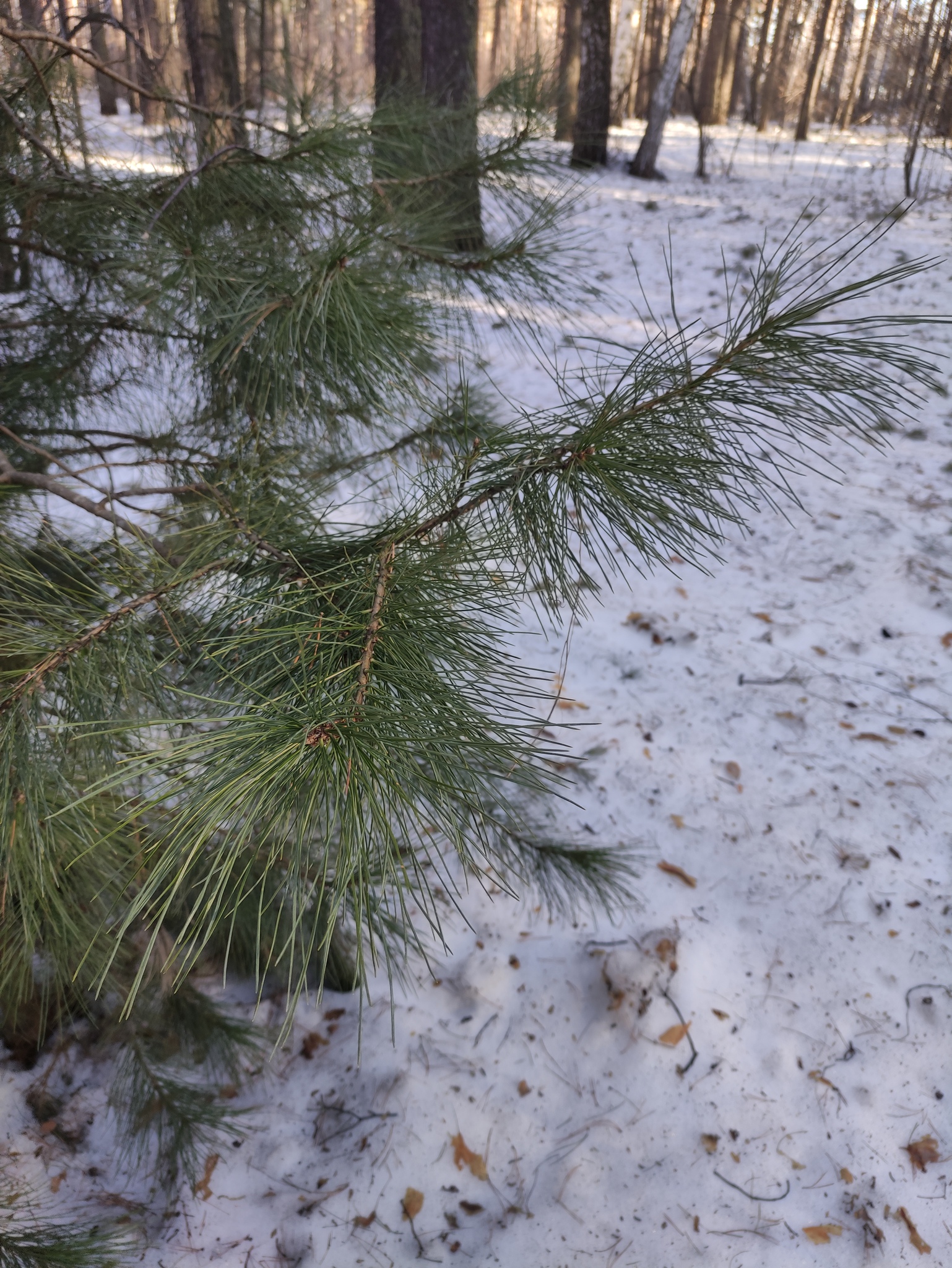
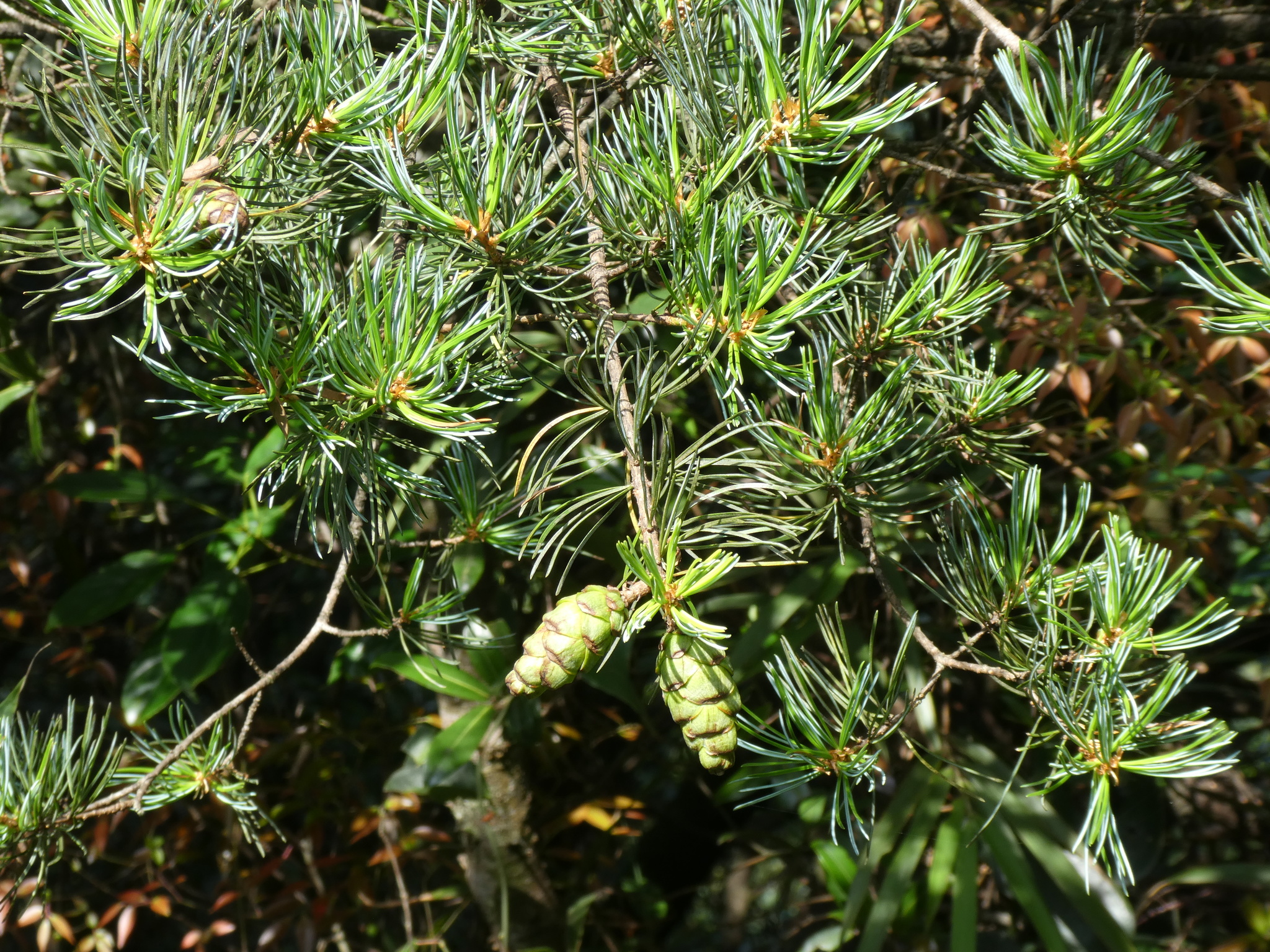
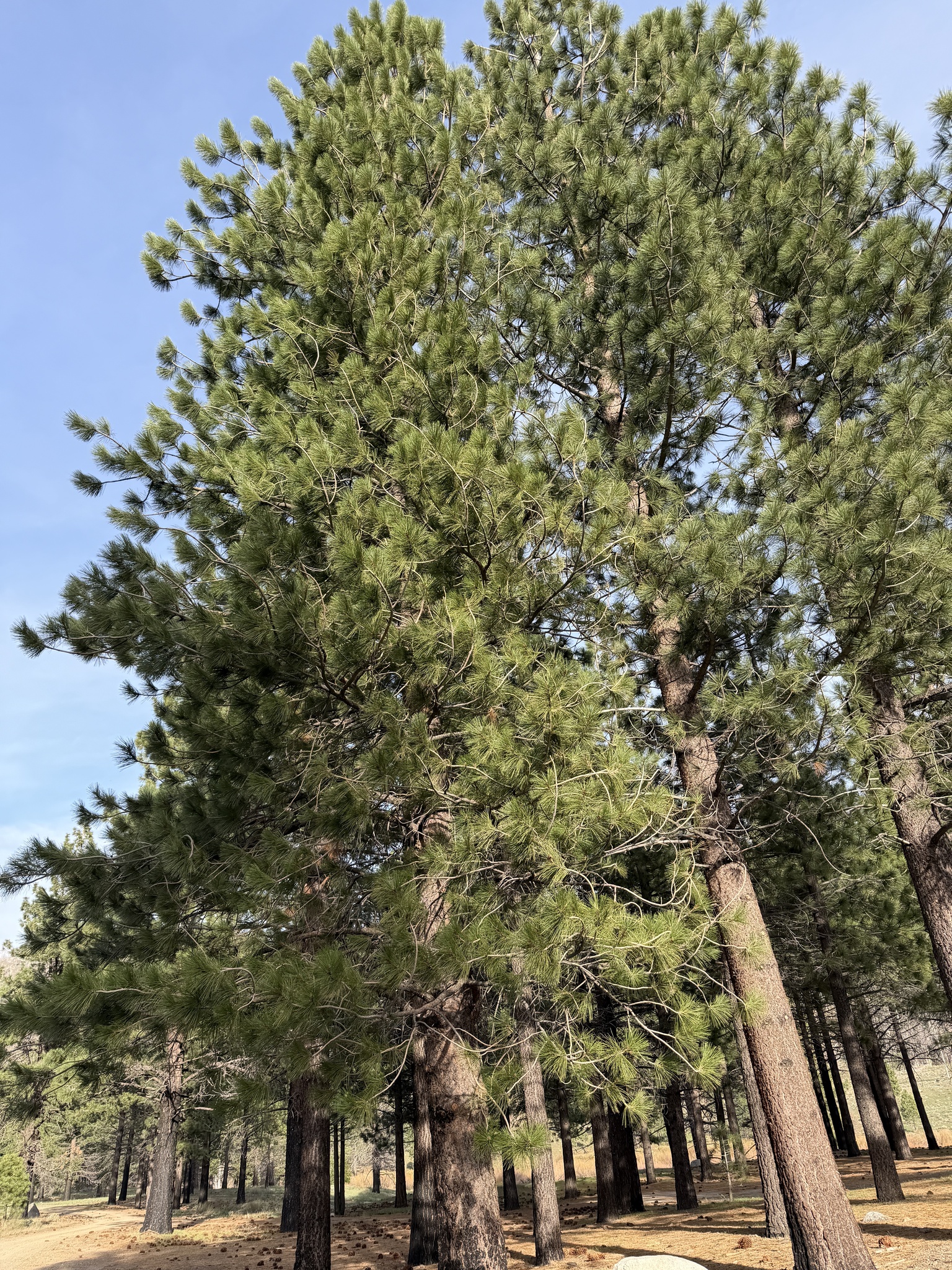
Pinus nigra, the Austrian Pine, is a large, hardy evergreen conifer native to southern European mountains. It features dark green needles and a dense crown, valued for it

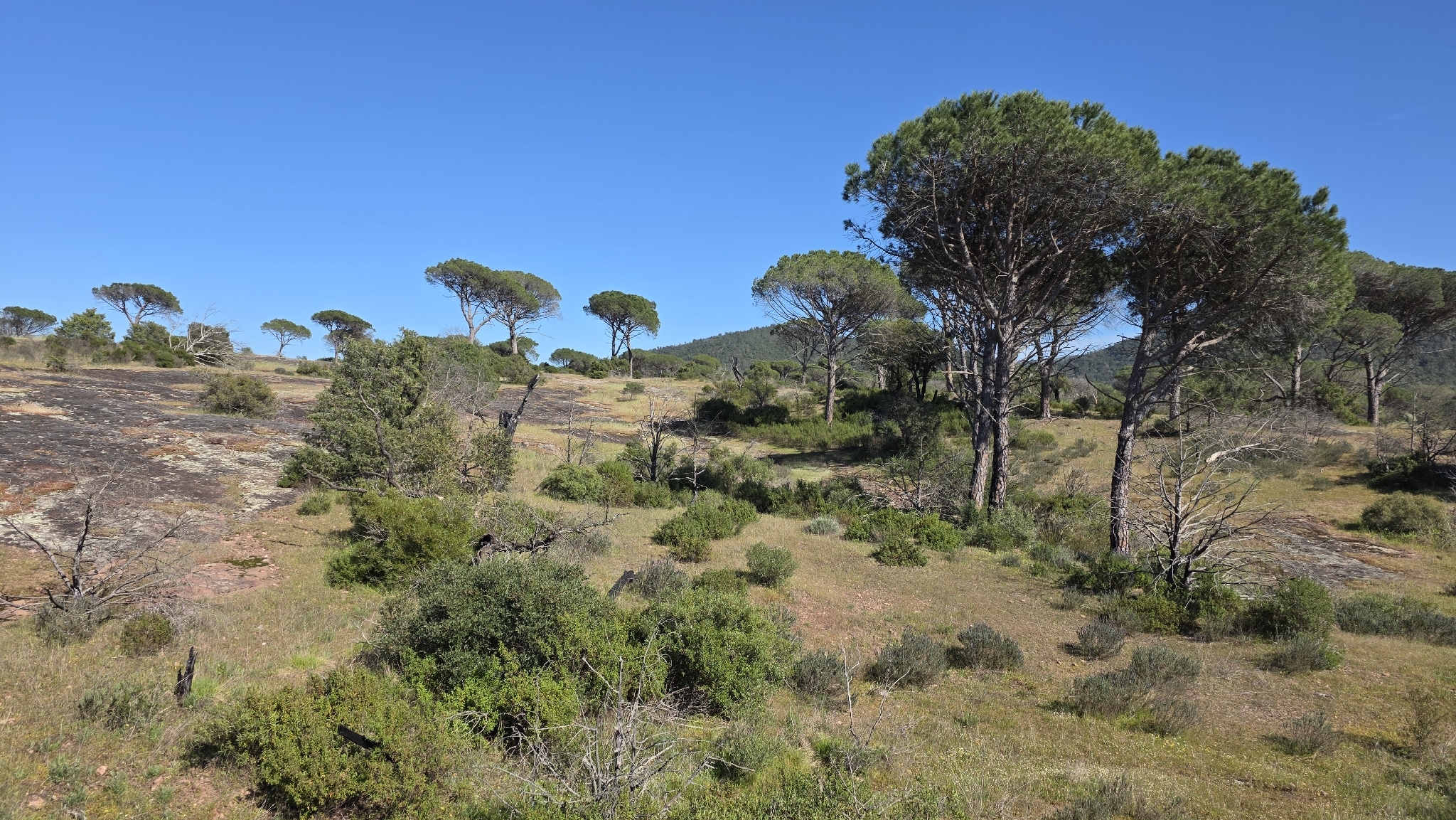
Pinus nigra, commonly known as the black pine, is a large evergreen coniferous tree native to the Mediterranean region and southwestern Asia. It is a significant species in its native ecosystems and is widely cultivated for its ornamental qualities and timber. The black pine is characterized by its robust growth habit, typically forming a dense, pyramidal crown when young, which broadens and becomes more irregular with age. Mature trees can reach heights of 20 to 50 meters (66 to 164 feet), with some specimens exceeding this. Its needles are stiff, dark green, and typically measure 8 to 15 centimeters (3 to 6 inches) long, growing in fascicles of two. These needles are sharply pointed and persist on the branches for several years, contributing to the tree's dense appearance. The bark of Pinus nigra is a distinctive feature, being thick, deeply furrowed, and dark gray to black, especially on older trees, which gives the species its common name. The male cones, or pollen cones, are small and yellowish, appearing in clusters at the base of new shoots in spring. The female cones, or seed cones, are ovoid to conical, measuring 5 to 10 centimeters (2 to 4 inches) long, and mature in two years. They are typically glossy brown and hang downwards from the branches. The seeds are small, winged nuts, adapted for wind dispersal. Pinus nigra is naturally distributed across a wide range, from southern Europe, including the Balkans and Italy, eastward through Turkey and into the Caucasus Mountains. It thrives in a variety of habitats, often found on rocky slopes, in mountainous regions, and on calcareous soils. It is well-adapted to dry conditions and can tolerate a range of soil types, though it prefers well-drained sites. In cultivation, it is valued for its adaptability and resilience, tolerating urban pollution and a variety of climates. It requires full sun and is drought-tolerant once established. The economic importance of Pinus nigra lies primarily in its timber, which is strong, durable, and resistant to decay, making it suitable for construction, furniture, and pulp production. Ornamentally, it is a popular choice for landscaping due to its stately appearance and tolerance to various environmental stresses. Its dense foliage provides excellent screening and windbreak qualities. Ecologically, it plays a role in soil stabilization on steep slopes and provides habitat and food for various wildlife. An interesting characteristic of Pinus nigra is its ability to regenerate effectively in disturbed areas within its native range, contributing to forest succession. Its dark, dense foliage can create a striking visual contrast in landscapes, particularly during winter months.

Photograph © hanbe · CC-BY-NC

Black Pine Care Summary

At-a-glance light, water, soil, and growing conditions from plant data

Light

Requires full sun for optimal growth

100% intensity

Water

Moderate when young, drought-tolerant when established

30% intensity

Soil

Adaptable, prefers well-drained, acidic to alkaline soils.

50% intensity

Temperature

Extremely hardy, tolerates a wide range from -25°C to 30°C

80% intensity

Habitat

Outdoor

50% intensity

Fertilizer

Generally not required for established trees; apply only if nutrient deficiency is observed

10% intensity

Black Pine Toxicity

Safety information from plant toxicity data

Toxicity details for Black Pine
AttributeValue
Toxic for humansNo

0/5 intensity

Toxic for petsYes

2/5 intensity

EdibleNo

All parts are generally considered non-toxic to humans, but can cause mild gastrointestinal upset and dermatitis in pets.

Black Pine Quick Facts

Key traits and growing stats from plant data

Plant Type
Tree
Plant Category
Ornamental
Plant Place Type
Ground, Garden
Plant Environment
Outdoor
Lifespan
Perennials
Plant Height
20-50 m
Spread
6-12 m
Growth Rate
Medium to fast
Dormancy
Evergreen
Leaf Color
Dark green
Leaf Type
Needle
Flower Size
5-8 cm
Optimal Sunlight Lux
75000

Care guide for Black Pine

Watering, pruning, propagation, and repotting details from plant data

Water

Young trees need consistent moisture, especially during dry spells, for the first 2-3 years.

Once established, Austrian Pines are highly drought-tolerant and rarely require supplemental watering, except in extreme, prolonged dry conditions. Ensure good drainage to prevent root rot.

Pruning

Minimal pruning is typically needed for Austrian Pines. Remove dead, damaged, or diseased branches as soon as they are noticed.

Pruning for shape or size reduction should be done in late winter or early spring before new growth emerges, focusing on removing candles (new shoots) to control density.

Propagation

Austrian Pines are primarily propagated by seed. Collect mature cones in autumn, extract seeds, and stratify them for several weeks before sowing in spring. Grafting can be used for specific cultivars.

Cuttings are generally difficult to root successfully for this species.

Repotting

For Austrian Pines, repotting is generally only relevant for young saplings grown in containers. These should be repotted every 2-3 years into a larger pot with fresh, well-draining soil to accommodate root growth.

Once the tree is mature enough for permanent planting in the ground, repotting is no longer a consideration. Minimize root disturbance during the process.

Identify plants like this with ePlant

Snap a photo to get care tips and match similar species on the go.

Try for Free

Flowering & Fruiting Cycles

Monthly activity intensity for bloom and fruit across both hemispheres.

Northern hemisphere

Flowering & fruiting calendar

Peak bloom · AprPeak fruit · Sep
FloweringFruiting
02468JanFebMarAprMayJunJulAugSepOctNovDecActivity intensityMonths510
Southern hemisphere

Flowering & fruiting calendar

Peak bloom · JulPeak fruit · Apr
FloweringFruiting
02468JanFebMarAprMayJunJulAugSepOctNovDecActivity intensityMonths510

Black Pine Names & Synonyms

Common names and botanical synonyms

Common Names

  • Australian Pine
  • Austrian And Corsican Pines
  • Austrian Pine
  • Black Pine
  • Corsican Pine
  • European Black Pine
  • کاج سیاه (fa)

Black Pine Taxonomy

Botanical classification

Taxonomic classification of Black Pine
RankName
kingdomPlantae
divisionTracheophyta
classPinopsida
orderPinales
familyPinaceae
genusPinus
speciesPinus nigra

Black Pine FAQs

Answers based on plant encyclopedia data

How fast does an Austrian Pine grow?

Austrian Pines exhibit a medium to fast growth rate, typically adding 30-60 cm of height per year, especially when young and in ideal conditions. Growth slows as the tree matures.

What kind of soil does Austrian Pine prefer?

Austrian Pines are highly adaptable and can tolerate a wide range of soil types, from sandy to clay. They prefer well-drained soils and can grow in both acidic and alkaline conditions, making them very versatile.

Is Austrian Pine drought tolerant?

Yes, once established, Austrian Pines are highly drought-tolerant due to their deep root systems. Young trees, however, require consistent moisture during their first few years to establish properly.

Does Austrian Pine need pruning?

Austrian Pines generally require minimal pruning. The primary reasons for pruning are to remove dead, damaged, or diseased branches. Shaping or size reduction can be done by 'candling' (removing new shoots) in late winter or early spring.

What are common problems or pests affecting Austrian Pine?

While hardy, Austrian Pines can be susceptible to certain issues, including Diplodia tip blight, Dothistroma needle blight, and various insect pests like pine sawfly and European pine shoot moth. Proper cultural practices and good air circulation help prevent many problems.