Rose Cactus (Leuenbergeria bleo)

Leuenbergeria bleo, commonly known as Rose Cactus, is a succulent with flat stems and vibrant flowers, native to Colombia and Venezuela.

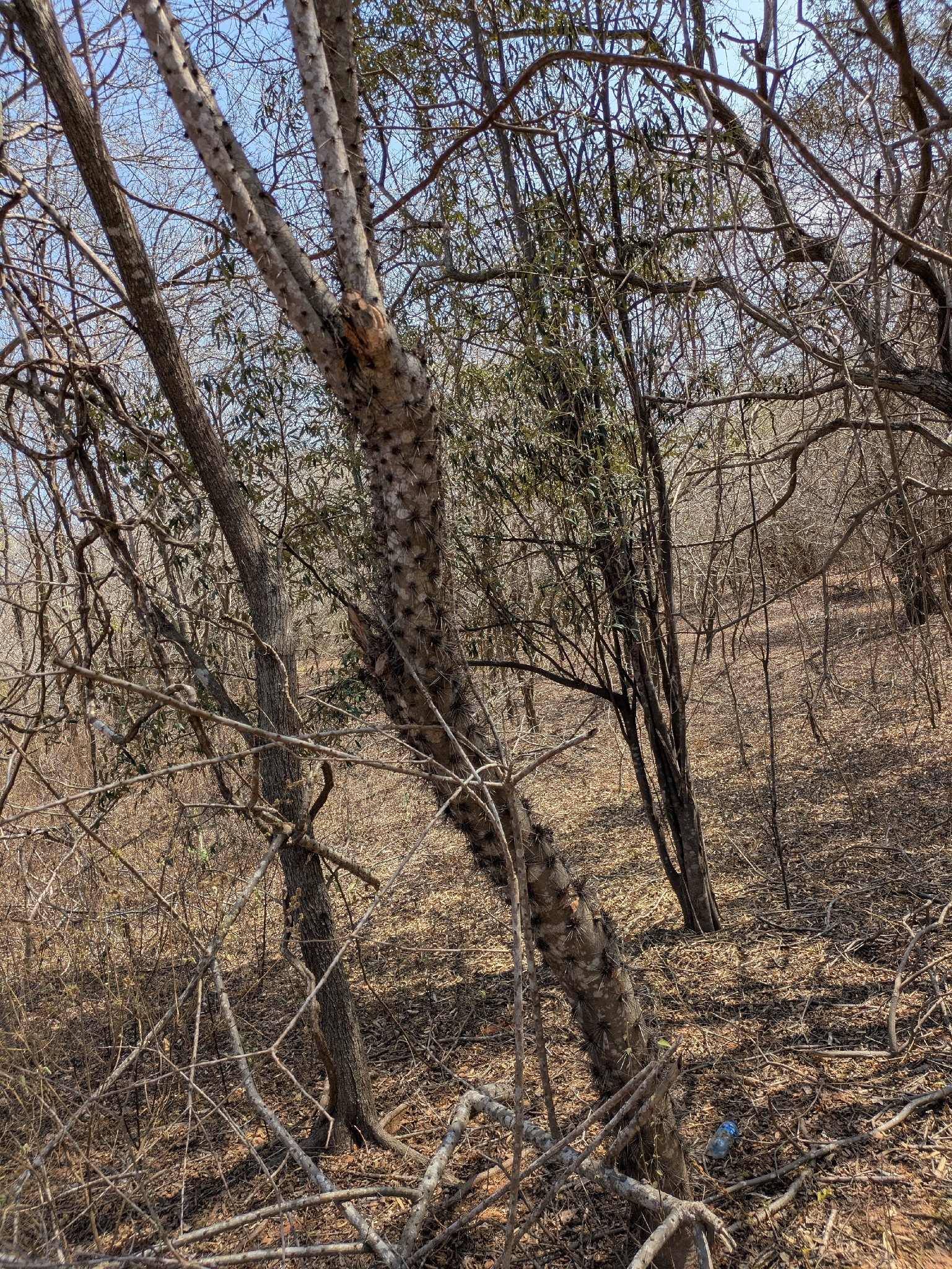
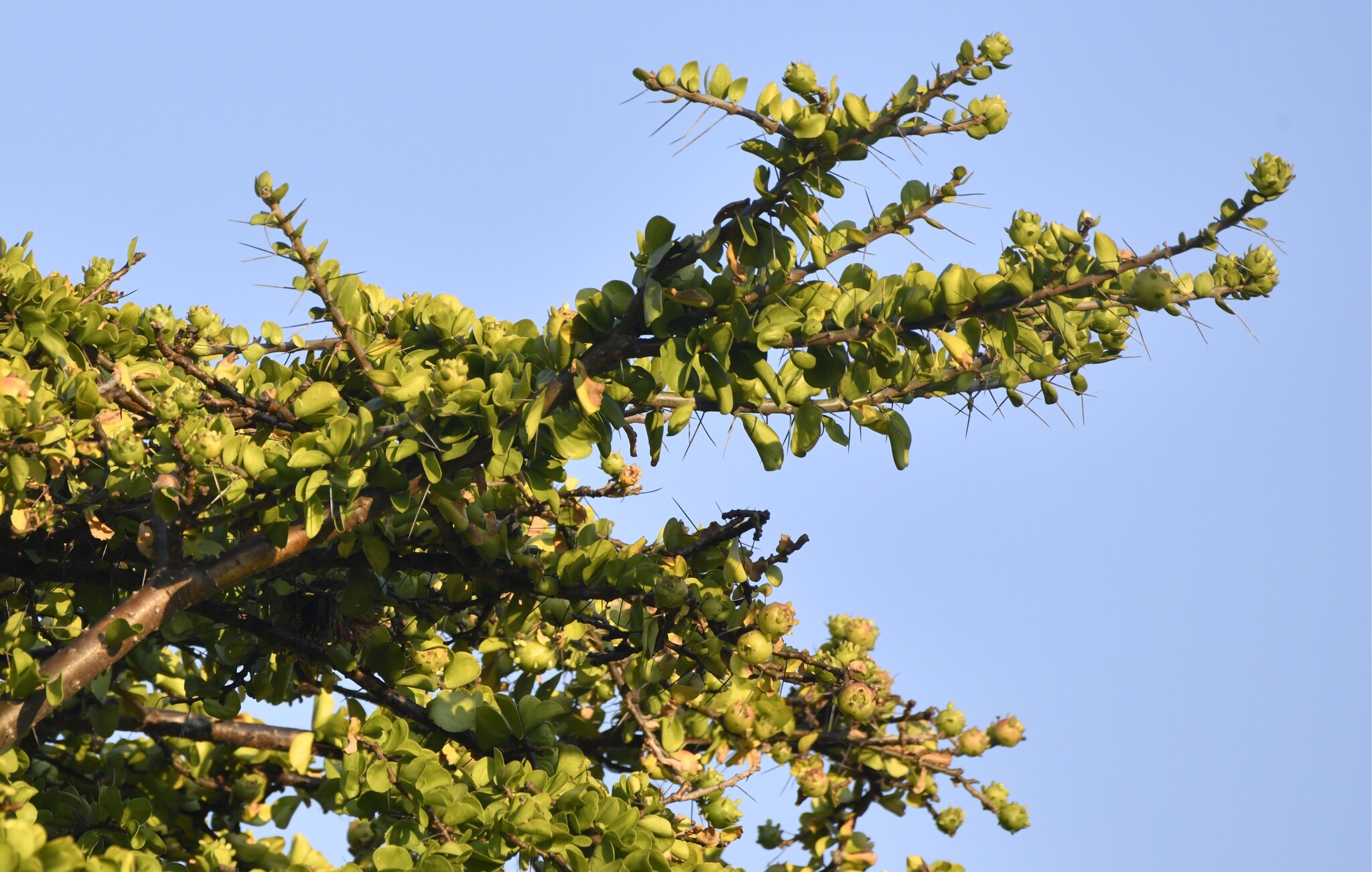
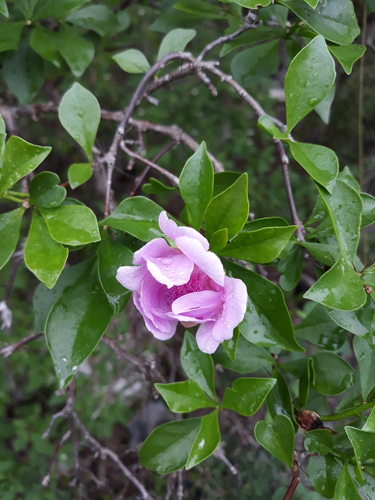
Leuenbergeria bleo, commonly known as the Rose Cactus, is a striking succulent native to the Americas, recognized for its unique combination of cactus-like features and shrubby growth. This species belongs to the family Cactaceae, though its morphology often sets it apart from more typical desert cacti. It is a perennial plant that typically forms a dense, branching shrub, often reaching heights of 1 to 2 meters, and sometimes more in ideal conditions. The stems are segmented, somewhat flattened, and green, bearing areoles from which spines and new growth emerge. These stems can become woody at the base with age. The leaves of Leuenbergeria bleo are a notable characteristic, being more prominent than those found on many other cacti. They are typically lanceolate to ovate, fleshy, and can be up to 10 centimeters long and 3 centimeters wide, often with serrated or toothed margins. These leaves are deciduous, meaning they are shed by the plant after a period of time, a trait less common among cacti. The spines are generally slender and needle-like, arising from the areoles, and vary in number and length, providing a degree of protection. Flowering is a significant ornamental feature of Leuenbergeria bleo. The plant produces abundant, showy flowers, typically white or pale pink, with numerous petals and stamens that give them a delicate, almost rose-like appearance, hence the common name. These flowers are usually borne singly or in small clusters at the tips of the branches. Following successful pollination, the plant develops small, fleshy fruits, which are typically red or orange when ripe and are edible, though not widely cultivated for consumption. The seeds are small and black. Leuenbergeria bleo is native to a specific region of South America, primarily found in parts of Colombia and Venezuela. It thrives in tropical and subtropical climates, often growing in humid forests, on rocky outcrops, or along riverbanks, where it experiences significant rainfall and high humidity, a departure from the arid environments often associated with cacti. In cultivation, it prefers well-drained soil and bright, indirect light. While it can tolerate some direct sun, prolonged exposure to intense heat and light, especially in arid conditions, can be detrimental. It requires regular watering during the growing season but should be allowed to dry out slightly between waterings. Protection from frost is essential, as it is not cold-hardy. The ecological role of Leuenbergeria bleo in its native habitat includes providing a food source for local fauna through its fruits and potentially offering shelter. Its adaptation to humid environments is a key distinguishing factor within the Cactaceae family. Ornamentally, its attractive foliage, prolific flowering, and distinctive growth habit make it a sought-after plant for collectors and enthusiasts looking for unique succulents that can thrive in less conventional cactus environments. Its ability to adapt to a range of conditions when provided with appropriate care has contributed to its popularity in horticulture.

Above information is sourced from Wikipedia

Sunlight

Bright, indirect light is ideal.

Watering

Water when the top inch of soil is dry. Reduce in winter.

Soil

Well-draining cactus or succulent mix is essential. A gritty, sandy loam is ideal.

Temperature

Prefers temperatures between 18-25°C.

Habitat

Outdoor, Indoor, Greenhouse

Fertilizer

Feed during the growing season.

Care Requirements

Light

Bright, indirect light is ideal.

Can tolerate some direct sun, but avoid intense heat.

Water

Water when the top inch of soil is dry. Reduce in winter.

Allow soil to dry out between waterings.

Soil

Well-draining cactus or succulent mix is essential. A gritty, sandy loam is ideal.

Temperature

Prefers temperatures between 18-25°C.

Can tolerate cooler temperatures in winter dormancy.

Habitat

Outdoor, Indoor, Greenhouse

Fertilizer

Feed during the growing season.

Use diluted balanced liquid fertilizer monthly from spring to summer.

Plant Overview

Plant Type

Succulent

Plant Category

Flowering, Ornamental

Plant Place Type

Pot, Ground

Plant Environment

Outdoor, Indoor, Greenhouse

Lifespan

Perennials

Plant Height

1-2 m

Spread

0.5-1 m

Growth Rate

Moderate

Dormancy

None

Leaf Color

Green

Leaf Type

Modified stem (cladode)

Flower Size

5-7 cm

Image Gallery

Flowering & Fruiting Cycles

Monthly activity intensity for bloom and fruit across both hemispheres.

Northern hemisphere

Flowering & fruiting calendar

Peak bloom · JunPeak fruit · Jul
FloweringFruiting
02468JanFebMarAprMayJunJulAugSepOctNovDecActivity intensityMonths88
Southern hemisphere

Flowering & fruiting calendar

Peak bloom · JulPeak fruit · Aug
FloweringFruiting
02468JanFebMarAprMayJunJulAugSepOctNovDecActivity intensityMonths88
Synonyms
Cactus bleo Kunth
Pereskia bleo (Kunth) DC.
Pereskia corrugata Cutak
Pereskia cruenta Pfeiff.
Pereskia panamensis F.A.C.Weber
Rhodocactus bleo (Kunth) F.M.Knuth
Rhodocactus corrugatus (Cutak) Backeb.
Taxonomy
  • kingdomPlantae
  • divisionTracheophyta
  • classMagnoliopsida
  • orderCaryophyllales
  • familyCactaceae
  • genusLeuenbergeria
  • speciesLeuenbergeria bleo
Toxicity

Toxic for humans

No

Rating: 0/5

Toxic for pets

No

Rating: 0/5

Edible

No

Additional Care Tips

Water thoroughly when the top inch of soil is dry, reducing frequency in winter. Avoid waterlogged conditions.

Prune to maintain shape or remove dead/damaged segments. Cuttings can be used for propagation. Pruning is best done in spring before active growth begins.

Easily propagated from stem cuttings. Allow cuttings to callus for a few days before planting in well-draining soil. Rooting typically occurs within a few weeks.

Repot every 2-3 years or when the plant outgrows its container. Use a pot with drainage holes and fresh succulent mix. Repotting is best done in spring.

FAQs

How often should I water my Rose Cactus?

Water thoroughly when the top inch of soil feels dry. Reduce watering significantly in winter, allowing the soil to dry out between waterings to prevent root rot.

What kind of light does Leuenbergeria bleo need?

This plant thrives in bright, indirect light. It can handle some direct morning sun, but protect it from harsh afternoon sun, which can scorch the stems.

Can I grow Rose Cactus indoors?

Yes, Rose Cactus makes an excellent houseplant. Ensure it receives plenty of bright light and is planted in a well-draining soil mix.

What is the best soil for Leuenbergeria bleo?

A fast-draining cactus or succulent potting mix is crucial. You can create your own by mixing potting soil with perlite, pumice, or coarse sand.

Why are my Rose Cactus flowers not opening?

Flower bud development can be affected by inconsistent watering, insufficient light, or extreme temperature fluctuations. Ensure the plant has stable conditions and adequate light.