Chamaemelum Mixtum (Cladanthus mixtus) – Growing Guide, Care & Benefits | ePlant AI
Chamaemelum Mixtum (Cladanthus mixtus)
Branched Chamomile
Mediterranean Chamomile
Mixed Chamomile
Moroccan Chamomile
Weedy Dog-Fennel
Cladanthus mixtus is an annual herb native to the Mediterranean region, known for its daisy-like flowers.
Cladanthus mixtus, commonly known as Chamaemelum mixtum, is a fascinating annual herb belonging to the Asteraceae family, the same family as daisies and sunflowers. This species is notable for its distinctive appearance and its presence in specific European and North African landscapes.
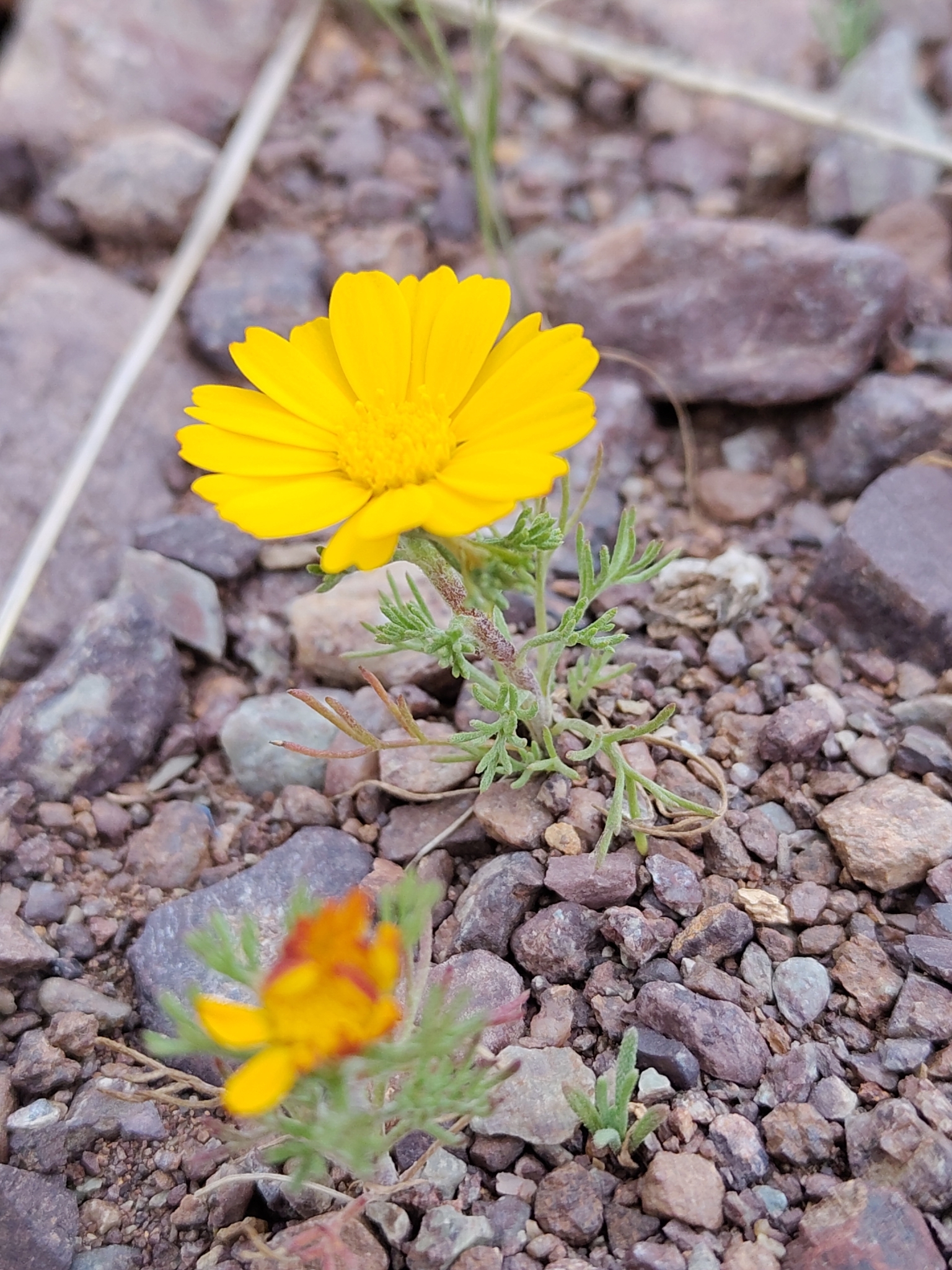
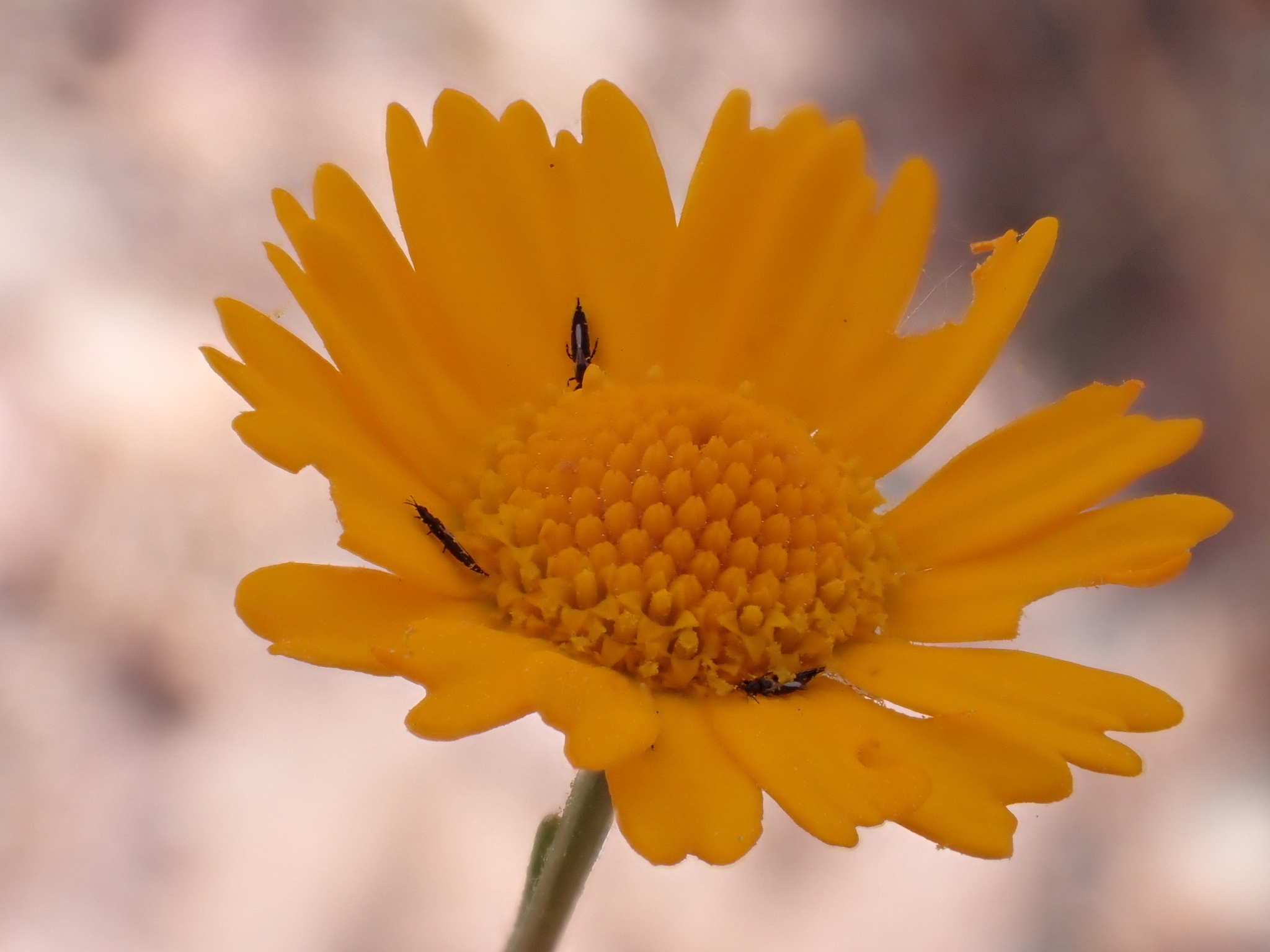
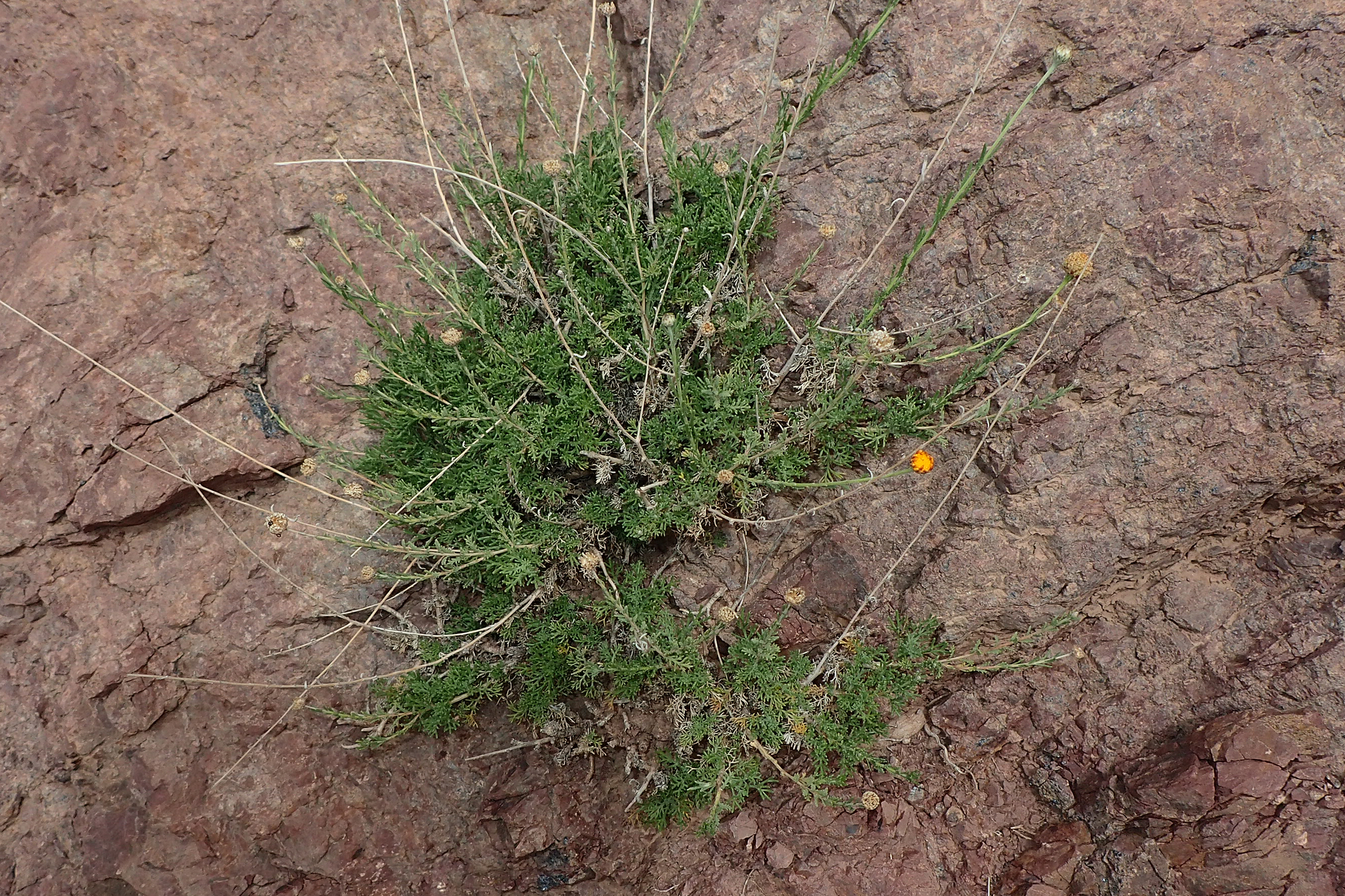
Physically, Cladanthus mixtus typically presents as a relatively small, erect to spreading plant, usually reaching heights of between 10 to 40 centimeters. Its stems are often branched, contributing to a somewhat bushy habit. The leaves are a key distinguishing feature, being finely divided and feathery, giving them a delicate, almost fern-like appearance. These leaves are typically arranged alternately along the stem. The most striking characteristic of Cladanthus mixtus is its flower heads. These are solitary or borne in small clusters at the tips of branches. Each flower head is composed of ray florets and disc florets, typical of the Asteraceae family. The ray florets are usually white and strap-shaped, while the disc florets in the center are typically yellow. This combination of white and yellow creates a visually appealing, daisy-like appearance. Following flowering, the plant produces small, dry fruits known as achenes, which are characteristic of the family.
The native distribution of Cladanthus mixtus is primarily concentrated in the Mediterranean region, extending across parts of Southern Europe, including Spain and Portugal, and into North Africa. It thrives in a variety of open, disturbed habitats. Its natural environment often includes sandy soils, coastal areas, fallow fields, roadsides, and other ruderal sites where competition from other plants is less intense. Cladanthus mixtus is generally considered a plant of arid or semi-arid conditions, preferring well-drained soils and ample sunlight. While it is adapted to these conditions, it can also be cultivated in gardens, provided these basic requirements for good drainage and sun exposure are met. It is typically grown as an annual, completing its life cycle from seed to seed within a single growing season.
While not widely cultivated for significant economic or medicinal purposes, Cladanthus mixtus holds ecological importance within its native range as a component of Mediterranean flora. Its presence contributes to the biodiversity of these ecosystems. Anecdotal information suggests historical or localized uses, but these are not broadly established or scientifically documented to a degree that warrants inclusion as a primary characteristic. The plant's primary significance lies in its botanical identity and its role within its natural habitat.
An interesting characteristic of Cladanthus mixtus is its ability to colonize disturbed ground, a common adaptation among annuals in arid environments. This allows it to quickly establish itself and reproduce before more competitive perennial species can dominate. The finely divided leaves are also an adaptation that can help reduce water loss in dry conditions, a common trait among plants from Mediterranean climates. The specific arrangement and morphology of its floral parts are key for identification and understanding its place within the complex diversity of the Asteraceae family.
Prefers full sun for optimal growth and flowering.
Watering
Water regularly, allowing soil to dry slightly between waterings.
Soil
Well-draining soil is essential; tolerates poor to average soils.
Temperature
Thrives in moderate temperatures, ideal for spring and summer growth.
Habitat
Outdoor
Fertilizer
Fertilize sparingly during the growing season.
Care Requirements
Light
Prefers full sun for optimal growth and flowering.
At least 6 hours of direct sunlight daily.
Water
Water regularly, allowing soil to dry slightly between waterings.
Soil
Well-draining soil is essential; tolerates poor to average soils.
Temperature
Thrives in moderate temperatures, ideal for spring and summer growth.
Prefers 15-25°C.
Habitat
Outdoor
Fertilizer
Fertilize sparingly during the growing season.
Use a balanced liquid fertilizer monthly.
Plant Overview
Plant Type
Herb
Plant Category
Flowering, Ornamental
Plant Place Type
Ground, Garden, Pot
Plant Environment
Outdoor
Lifespan
Annuals
Plant Height
0.2-0.4 m
Spread
0.3-0.5 m
Growth Rate
Moderate
Dormancy
None
Leaf Color
Green
Leaf Type
Feathery
Flower Size
2-3 cm
Optimal Sunlight Lux
65000
Image Gallery
Flowering & Fruiting Cycles
Monthly activity intensity for bloom and fruit across both hemispheres.
Northern hemisphere
Flowering & fruiting calendar
Peak bloom · JunPeak fruit · Jul
FloweringFruiting
Southern hemisphere
Flowering & fruiting calendar
Peak bloom · NovPeak fruit · Jan
FloweringFruiting
Synonyms
Anthemis aurea Brot.
Anthemis hispanica Zuccagni
Anthemis mixta L.
Anthemis praecox Link ex Willd.
Chamaemelum mixtum (L.) All.
Chamaemelum pinnatifidum Moench
Chamomilla mixta (L.) Gren. & Godr.
Hiorthia aurea Less.
Maruta mixta (L.) Moris
Ormenis aurea Coss. & Durieu
Ormenis coronopifolia Less.
Ormenis mixta (L.) Dumort.
Ormenis multicaulis Braun-Blanq. & Maire
Ormenis praecox Briq. & Cavill.
Taxonomy
kingdomPlantae
divisionTracheophyta
classMagnoliopsida
orderAsterales
familyAsteraceae
genusCladanthus
speciesCladanthus mixtus
Toxicity
Toxic for humans
No
Rating: 0/5
Toxic for pets
No
Rating: 0/5
Edible
No
Additional Care Tips
Water consistently, especially during dry periods, but ensure good drainage to prevent root rot. Allow the top inch of soil to dry out between waterings.
Deadhead spent flowers to encourage more blooms and prolong the flowering season. Light pruning can be done to maintain shape, but heavy pruning is generally not required.
Easily grown from seed sown directly outdoors in spring after the last frost. Seeds can also be started indoors a few weeks prior to the last frost date.
As an annual, repotting is not typically necessary. If grown in a container, ensure it has adequate drainage and consider replacing the plant each year.
FAQs
How often should I water Cladanthus mixtus?
Water regularly, allowing the top inch of soil to dry out between waterings. Ensure good drainage to prevent waterlogging.
What kind of soil does Cladanthus mixtus prefer?
It prefers well-draining soil and can tolerate poor to average soil conditions. Good drainage is key.
Does Cladanthus mixtus need fertilizer?
Fertilize sparingly with a balanced liquid fertilizer once a month during the growing season. Over-fertilization can be detrimental.
When is the best time to plant Cladanthus mixtus seeds?
Sow seeds directly outdoors in spring after the last frost, or start them indoors a few weeks prior to the last frost date.
Why are the flowers of Cladanthus mixtus not opening?
Insufficient sunlight is the most common reason. Ensure the plant receives at least 6 hours of direct sunlight daily. Also, check for extreme temperature fluctuations or water stress.