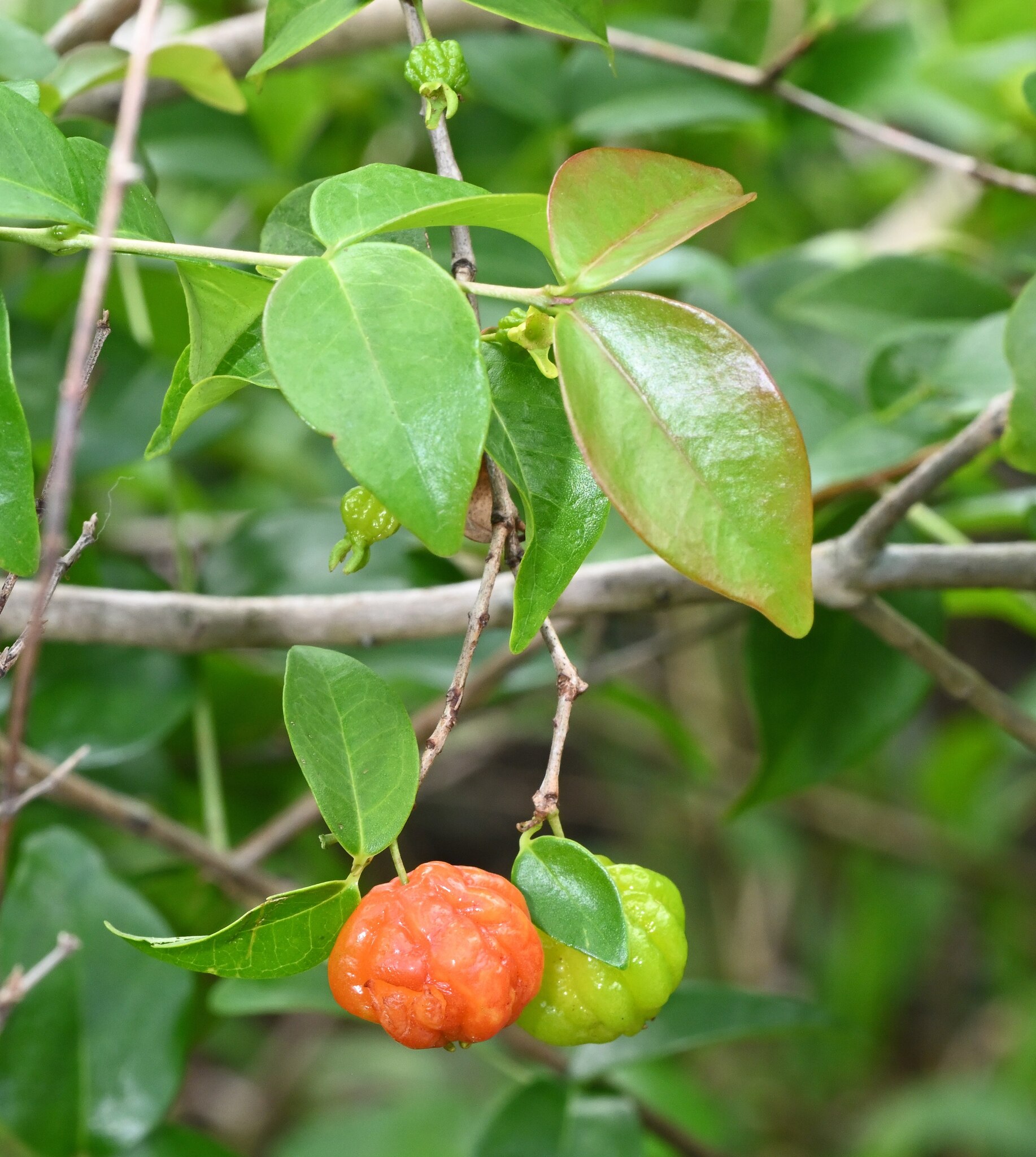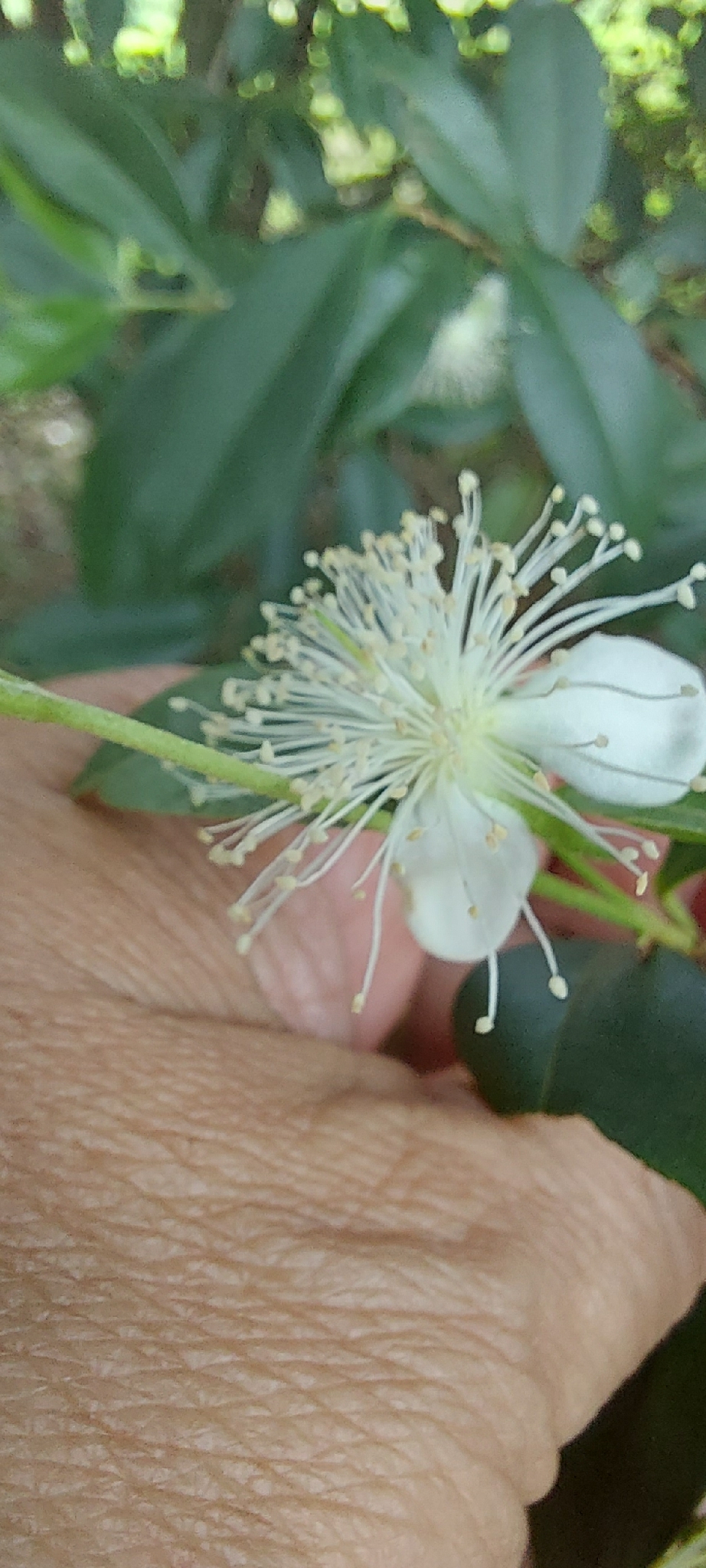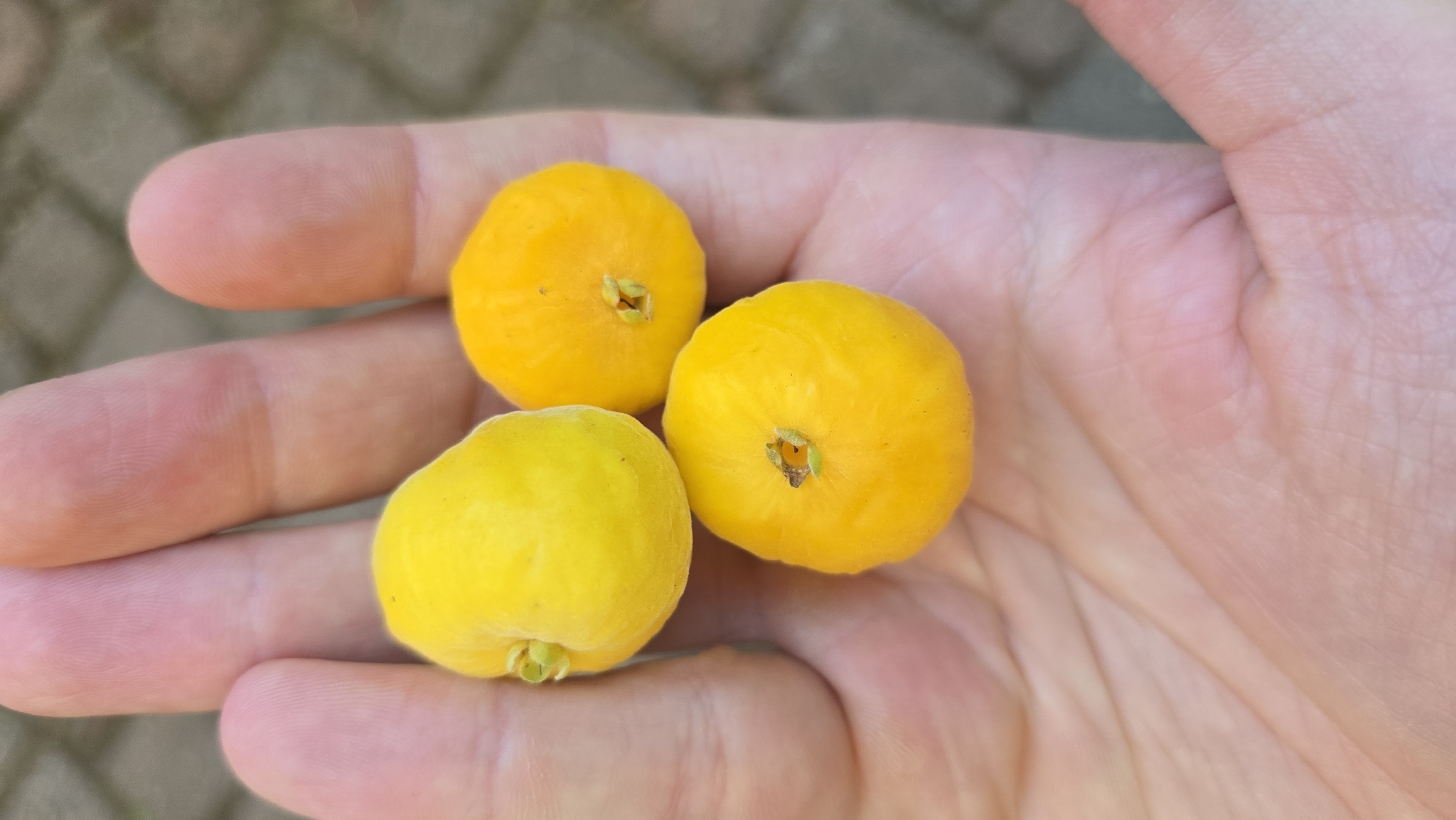
Grumichama (Eugenia brasiliensis)

Grumichama (Eugenia brasiliensis) is a tropical fruit tree native to Brazil, producing edible, cherry-like fruits. It's an attractive ornamental with fragrant flowers and

Above information is sourced from Wikipedia

Sunlight

Full Sun to Partial Shade

Watering

Consistent

Soil

Well-drained, fertile soil

Temperature

Warm

Habitat

Outdoor

Fertilizer

Moderate

Care Requirements

Light

Full Sun to Partial Shade

Prefers full sun for best fruiting, but tolerates partial shade. Protect young plants from intense afternoon sun.

Watering

Consistent

Keep soil moderately moist, allowing the top layer to dry slightly between waterings. Avoid soggy conditions.

Soil

Well-drained, fertile soil

Temperature

Warm

Thrives in warm, subtropical to tropical climates. Protect from frost; temperatures below 5°C can cause damage.

Habitat

Outdoor

Fertilizer

Moderate

Fertilize regularly during the growing season with a balanced fertilizer.

Plant Overview

Plant Type

Tree

Plant Category

Fruit

Plant Place Type

Garden, Pot

Plant Environment

Outdoor

Lifespan

Perennial

Plant Height

3-10 m

Spread

2-5 m

Growth Rate

Moderate

Dormancy

None

Leaf Color

Green

Leaf Type

Simple

Flower Size

2-3 cm

Optimal Sunlight Lux

60000

Image Gallery

Flowering & Fruiting Cycles

Monthly activity intensity for bloom and fruit across both hemispheres.

Northern hemisphere

Flowering & fruiting calendar

Peak bloom · JulPeak fruit · Apr
FloweringFruiting
02468JanFebMarAprMayJunJulAugSepOctNovDecActivity intensityMonths88
Southern hemisphere

Flowering & fruiting calendar

Peak bloom · JulPeak fruit · Apr
FloweringFruiting
02468JanFebMarAprMayJunJulAugSepOctNovDecActivity intensityMonths88
Synonyms
Eugenia bracteolaris Lam. ex DC.
Eugenia filipes Baill.
Eugenia ubensis Cambess.
Myrtus grumixama Vell.
Stenocalyx brasiliensis (Lam.) O.Berg
Stenocalyx ubensis (Cambess.) O.Berg
Taxonomy
  • kingdomPlantae
  • divisionTracheophyta
  • classMagnoliopsida
  • orderMyrtales
  • familyMyrtaceae
  • genusEugenia
  • speciesEugenia brasiliensis
Toxicity

Toxic for humans

No

Rating: 0/5

Toxic for pets

No

Rating: 0/5

Edible

Yes

None

Additional Care Tips

Grumichama prefers consistent moisture. Water thoroughly when the top inch of soil feels dry. Avoid waterlogging, as this can lead to root rot. Reduce watering slightly during cooler, dormant periods, but do not let the soil become completely dry.

Prune Grumichama to maintain desired shape and size, and to encourage bushier growth or fruit production. Light pruning can be done any time, but heavier pruning is best done after fruiting. Remove any dead, diseased, or crossing branches to improve air circulation.

Grumichama can be propagated from seeds, which should be sown fresh as they have a short viability. Cuttings are also possible but can be challenging to root. Grafting is a more reliable method for establishing desirable cultivars quickly and ensuring fruit quality.

Repot young Grumichama plants every 1-2 years, or when they become root-bound. Mature plants may only need repotting every 3-4 years. Use a well-draining potting mix. Repot in spring before new growth begins to minimize transplant shock.

FAQs

What are the soil and climate requirements for Grumichama?

Grumichama thrives in well-draining, fertile soil and prefers a warm, humid climate. It is sensitive to frost and is best grown in tropical to subtropical regions.

How often should Grumichama be watered?

Regular watering is important, especially during dry periods and when the tree is establishing. Aim to keep the soil consistently moist but not waterlogged.

When does Grumichama typically produce fruit?

Grumichama usually fruits from late spring through summer, depending on the specific climate and variety.

Can Grumichama be grown in containers?

Yes, Grumichama can be grown in large containers, making it suitable for balconies or patios in suitable climates. Ensure the container has good drainage.

What are the benefits of planting Grumichama?

Grumichama offers edible fruits with a pleasant flavor, attractive ornamental qualities with fragrant flowers and glossy leaves, and can be a valuable addition to biodiversity in gardens.