Skip to plant details

Sinningia LeucotrichaSinningia leucotricha

Also known as Brazilian Edelweiss

  • Type: Herb
  • Sunlight: Bright, Indirect
  • Water: Moderate
  • Temperature: Warm
  • Habitat: Indoor, Outdoor

Sinningia leucotricha is a Brazilian native Gesneriad known for its stunning velvety leaves and vibrant tubular orange-red flowers that bloom year-round.

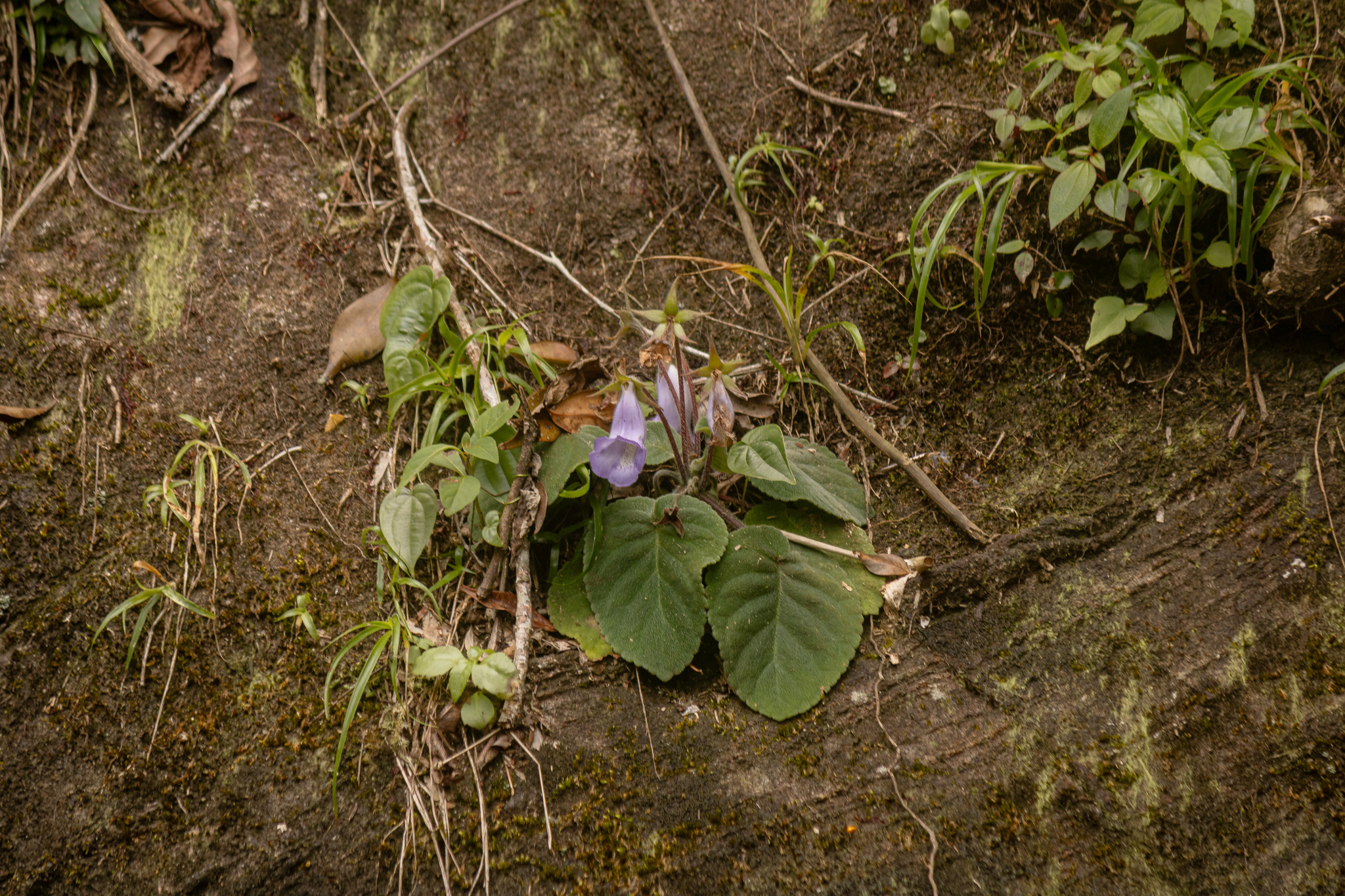
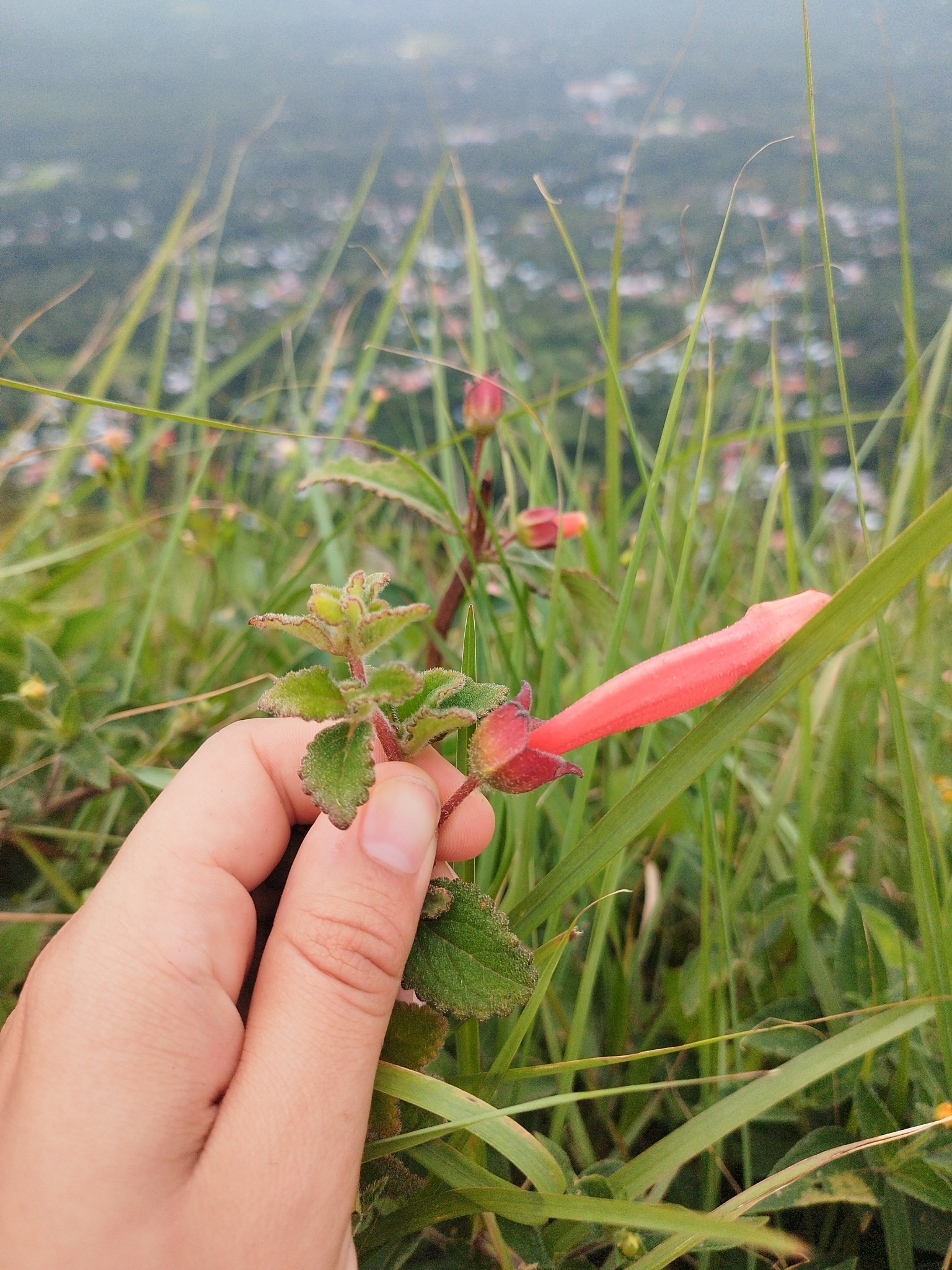
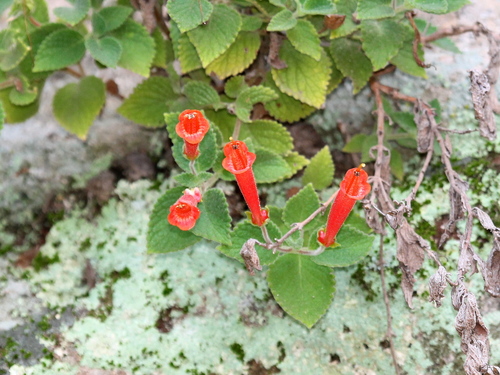
Sinningia leucotricha is a captivating species within the Gesneriaceae family, renowned for its striking tuberous root and vibrant floral displays. This plant holds significance in horticulture for its ornamental appeal and its representation of the diverse adaptations found within its genus. Physically, Sinningia leucotricha is characterized by a substantial, woody tuber that typically grows partially exposed above the soil surface. From this tuber emerge erect to spreading stems that can reach heights of 30 to 60 centimeters. The leaves are ovate to broadly ovate, measuring approximately 10 to 20 centimeters in length and 5 to 15 centimeters in width. They are arranged oppositely along the stems and are covered in fine, soft hairs, giving them a velvety texture and a pale green to grayish-green appearance. The most prominent feature of Sinningia leucotricha is its inflorescence, which bears tubular to campanulate flowers. These flowers are typically a brilliant scarlet to orange-red, with a slightly inflated throat and often adorned with yellow or orange markings within. The blooming period usually occurs during the warmer months. Following successful pollination, small, ovoid capsules develop, containing numerous tiny seeds. The native distribution of Sinningia leucotricha is restricted to the Cerrado biome of Brazil, a vast tropical savanna region. It thrives in well-drained soils, often found in rocky outcrops, sandy plains, and open woodlands where it receives ample sunlight. In cultivation, Sinningia leucotricha requires bright, indirect light and consistently moist, well-draining potting mix. Protection from frost is essential, as it is not cold-hardy. During its active growing season, regular watering is necessary, but the tuber should be allowed to dry slightly between waterings. A period of dormancy, typically in cooler, drier conditions, is beneficial for encouraging subsequent flowering. Sinningia leucotricha is primarily valued for its ornamental qualities in horticulture. Its flamboyant flowers and attractive foliage make it a popular choice for container gardening and as a specimen plant. While there is no widespread documented agricultural, medicinal, culinary, or economic importance for this specific species, its ecological role within the Cerrado, supporting local pollinators, is part of its natural significance. An interesting characteristic of Sinningia leucotricha is its tuber, which serves as a storage organ, allowing the plant to survive dry periods and regenerate new growth. The hairy nature of its leaves is likely an adaptation to reduce water loss and deter herbivores in its native arid environment. The vibrant coloration of its flowers is a clear adaptation to attract specific pollinators, such as hummingbirds, which are common in its native habitat.

Photograph © John Boggan

Sinningia Leucotricha Care Summary

At-a-glance light, water, soil, and growing conditions from plant data

Light

Bright, Indirect

75% intensity

Prefers bright light but avoid direct, harsh sunlight.

Watering

Moderate

50% intensity

Allow soil to dry slightly between waterings. Reduce in winter.

Soil

Well-draining

50% intensity

Temperature

Warm

75% intensity

Thrives in temperatures between 18-24°C. Avoid cold drafts.

Habitat

Indoor, Outdoor

50% intensity

Fertilizer

Moderate

50% intensity

Feed during growing season, less in winter.

Sinningia Leucotricha Quick Facts

Key traits and growing stats from plant data

Plant Type
Herb
Plant Place Type
Pot, Garden
Plant Environment
Indoor, Outdoor
Lifespan
Perennial
Plant Height
0.1-0.3 m
Spread
0.3-0.6 m
Growth Rate
Moderate
Dormancy
Yes
Leaf Color
Green, Silver
Leaf Type
Opposite
Flower Size
3-4 cm
Optimal Sunlight Lux
7000

Care guide for Sinningia Leucotricha

Watering, pruning, propagation, and repotting details from plant data

Water

Water thoroughly when the top 2-3 cm of soil feels dry. Allow excess water to drain freely. Reduce watering significantly during dormancy, keeping the soil barely moist. Avoid overwatering, which can lead to root rot.

Pruning

Prune spent flower stalks to encourage further blooming. After flowering, you can trim back any leggy or overgrown stems to maintain a compact shape. Remove any dead or yellowing leaves promptly.

Propagation

Propagate from leaf cuttings or by division of the tuberous root. For leaf cuttings, use healthy leaves and plant them in a well-draining potting mix. Division is best done during repotting in spring.

Repotting

Repot every 1-2 years in spring, or when the plant outgrows its container. Use a well-draining potting mix. Choose a pot that is only slightly larger than the current one.

Handle the tuberous root carefully during repotting.

Identify plants like this with ePlant

Snap a photo to get care tips and match similar species on the go.

Try for Free

Flowering & Fruiting Cycles

Monthly activity intensity for bloom and fruit across both hemispheres.

Northern hemisphere

Flowering & fruiting calendar

Peak bloom · JulPeak fruit · Aug
FloweringFruiting
02468JanFebMarAprMayJunJulAugSepOctNovDecActivity intensityMonths99
Southern hemisphere

Flowering & fruiting calendar

Peak bloom · JunPeak fruit · Jul
FloweringFruiting
02468JanFebMarAprMayJunJulAugSepOctNovDecActivity intensityMonths99

Sinningia Leucotricha Names & Synonyms

Common names and botanical synonyms

Common Names

  • Brazilian Edelweiss

Synonyms

  • Rechsteineria leucotricha Hoehne

Sinningia Leucotricha Taxonomy

Botanical classification

Taxonomic classification of Sinningia Leucotricha
RankName
kingdomPlantae
divisionTracheophyta
classMagnoliopsida
orderLamiales
familyGesneriaceae
genusSinningia
speciesSinningia leucotricha

Sinningia Leucotricha FAQs

Answers based on plant encyclopedia data

What are the light requirements for Sinningia leucotricha?

Sinningia leucotricha prefers bright, indirect light. Avoid direct sunlight, which can scorch its leaves.

How often should I water Sinningia leucotricha?

Water when the top inch of soil feels dry. Ensure good drainage to prevent root rot. Reduce watering during its dormant period.

What type of soil is best for Sinningia leucotricha?

A well-draining, porous potting mix is ideal. A blend of peat moss, perlite, and orchid bark is often recommended.

Does Sinningia leucotricha need to be repotted?

Repotting is typically done every 1-2 years, or when the plant outgrows its container, usually in spring.

How can I propagate Sinningia leucotricha?

Propagation can be done through leaf cuttings, stem cuttings, or by dividing the tuber.