Also known as Black-Eyed Susan · Brown-Eyed Coneflower · Brown-Eyed Susan
Category: Ornamental
Type: Herb
Sunlight: Full Sun
Water: Moderate
Temperature: Moderate
Habitat: Outdoor
Brown-eyed Susan (Rudbeckia triloba) is a vibrant, short-lived perennial or biennial native to North America, known for its profusion of yellow daisy-like flowers with da
Rudbeckia triloba, commonly known as Browneyed Susan, is a captivating herbaceous perennial native to North America. This species is a valuable addition to gardens and natural landscapes, offering vibrant color and supporting local ecosystems. Its significance lies in its widespread adaptability and its role as a nectar source for pollinators.
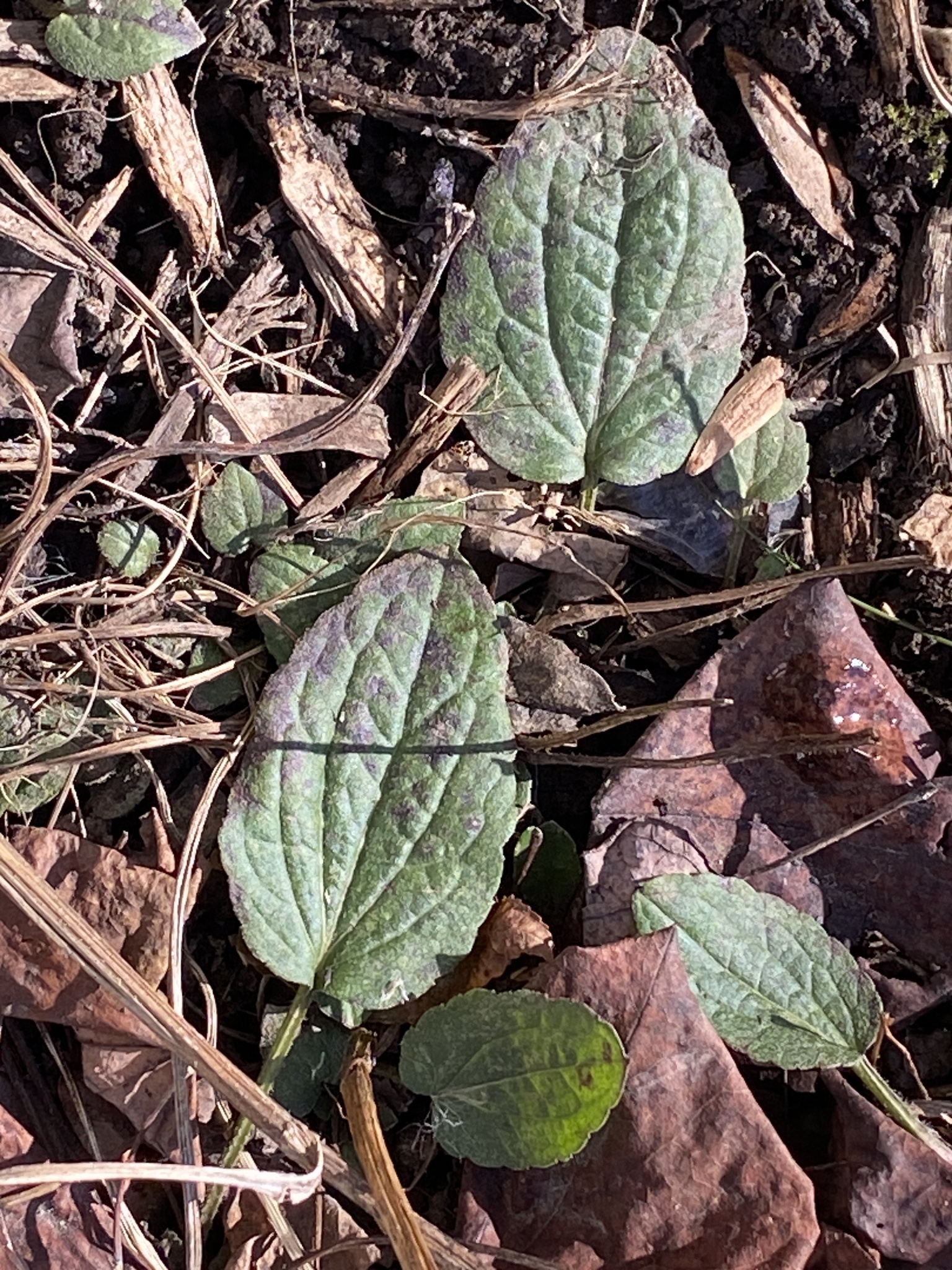
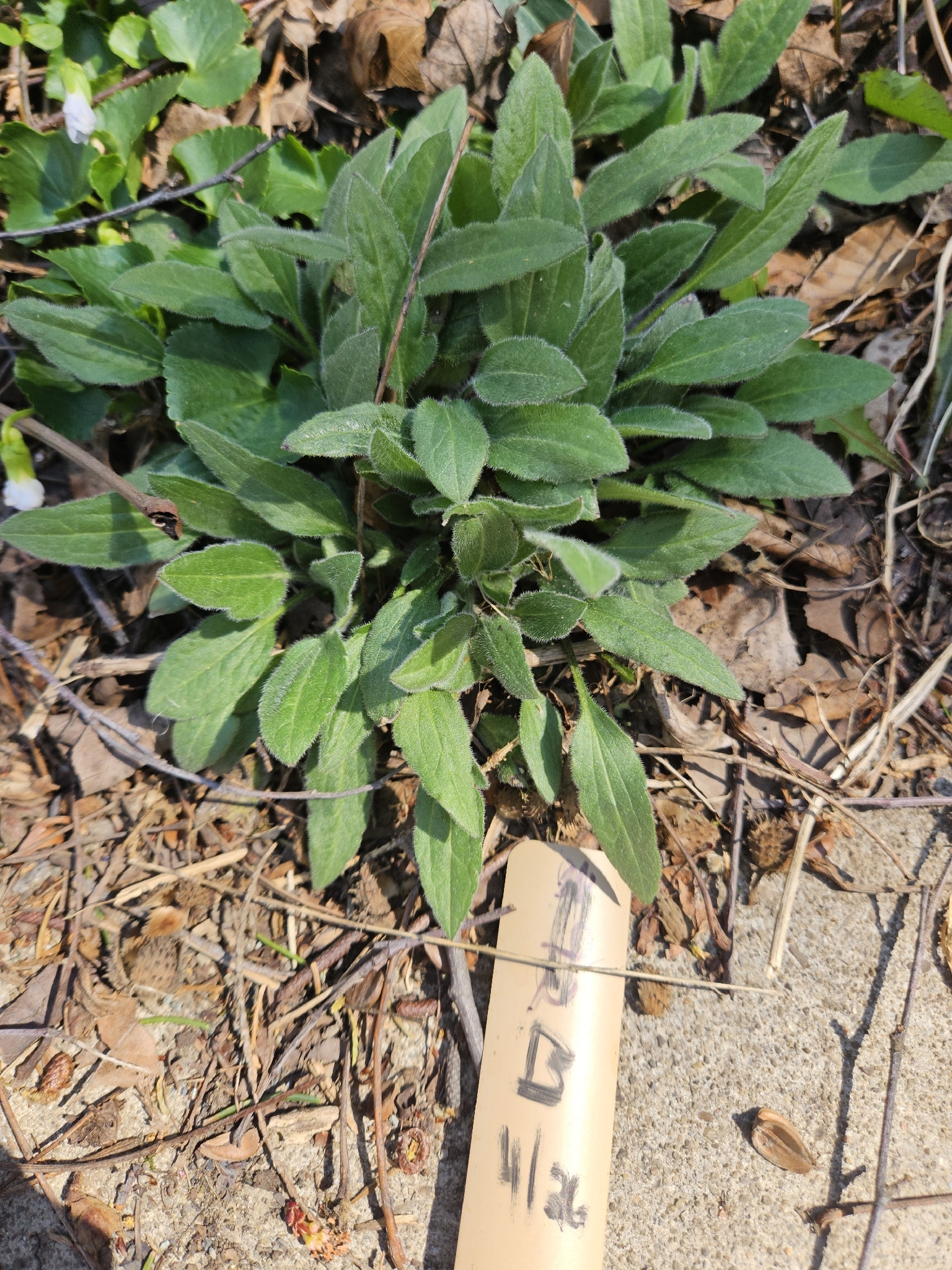
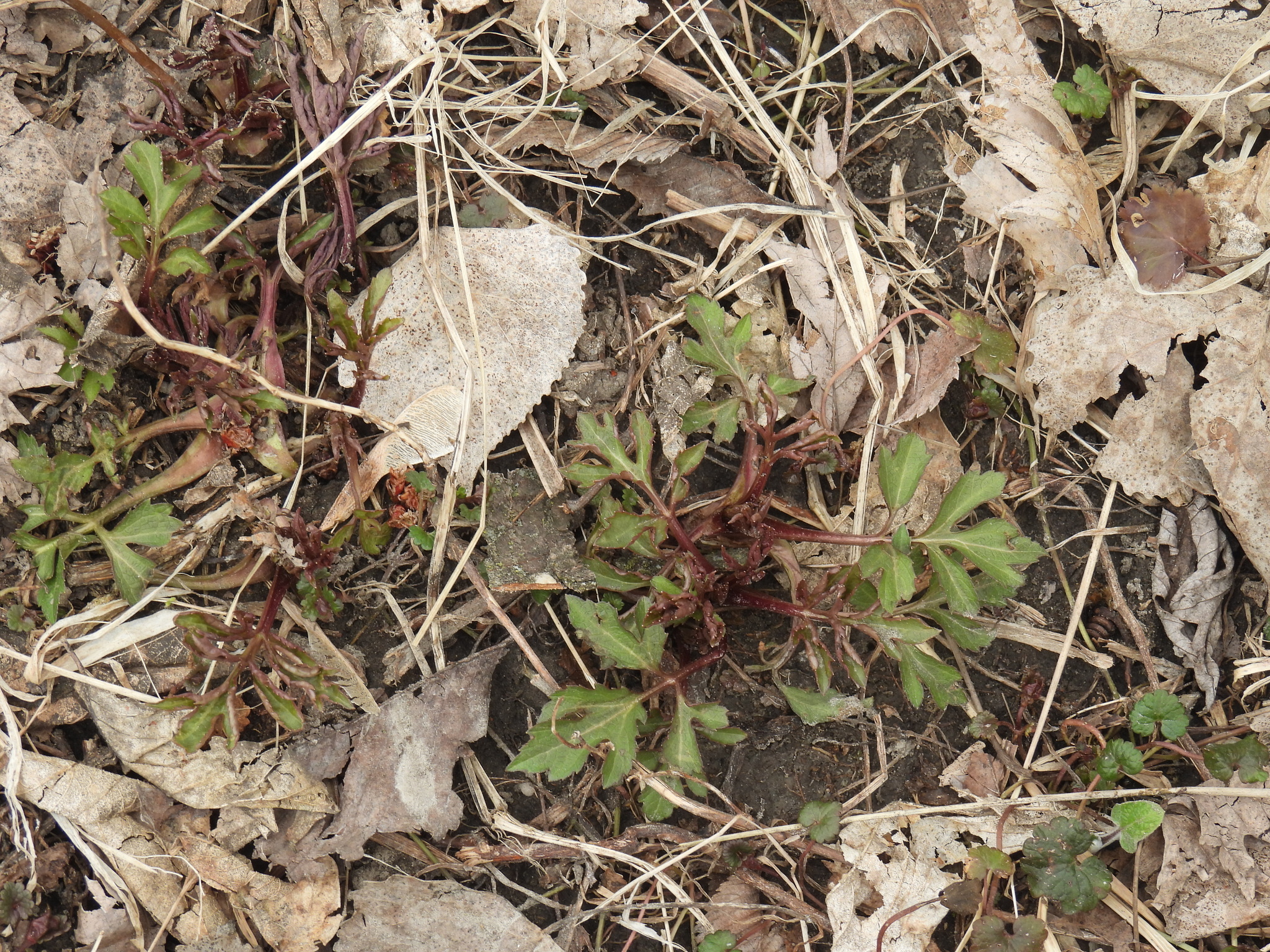
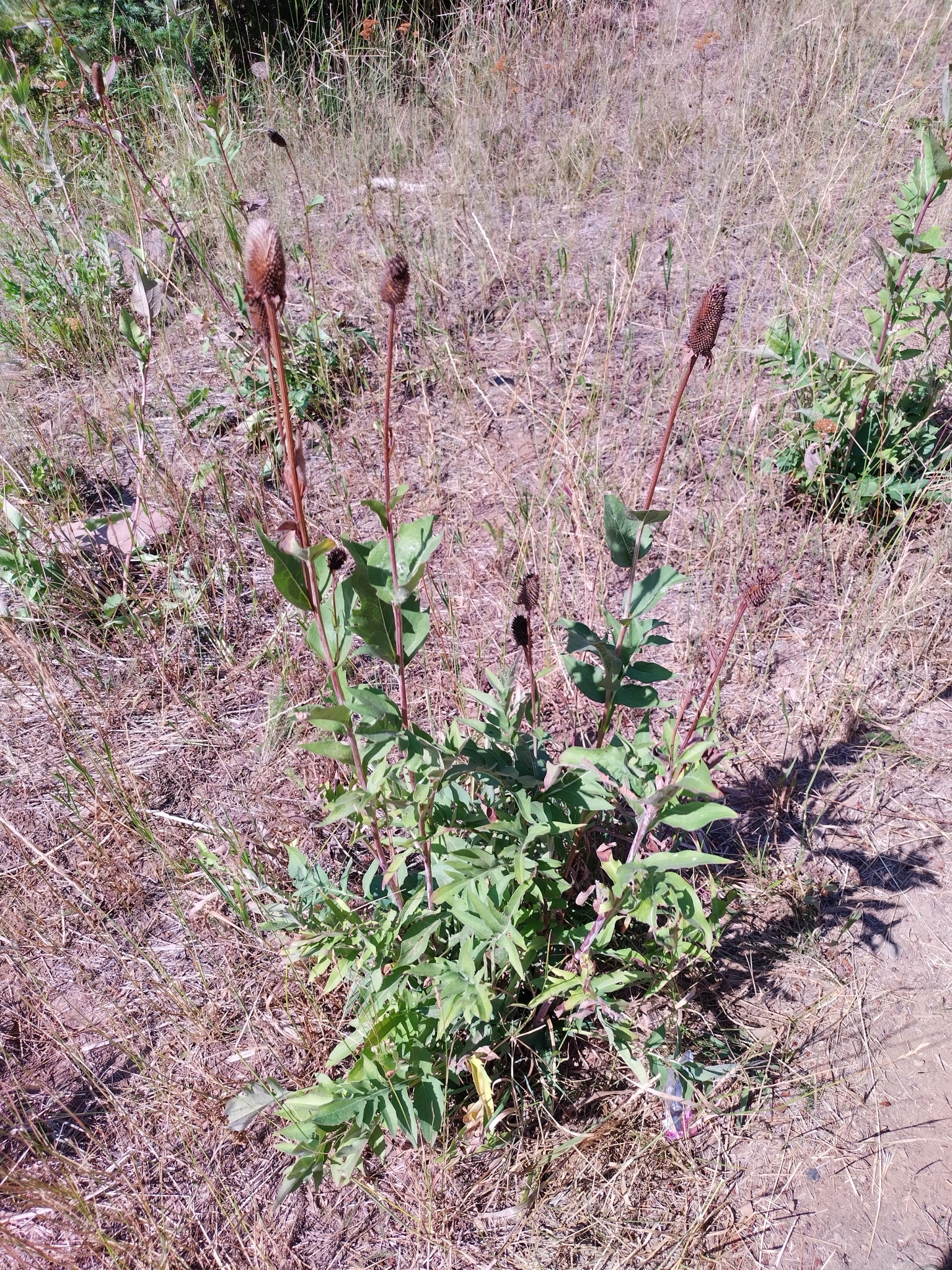
Physically, Rudbeckia triloba exhibits a bushy, upright growth habit, typically reaching heights of 2 to 4 feet and spreading to a similar width. The plant is characterized by its branching stems that are often covered in fine hairs. Its leaves are distinctly trilobed, meaning they are divided into three lobes, though variations in leaf shape can occur, with some leaves being ovate or lanceolate. The foliage is generally rough to the touch and arranged alternately along the stems. The most striking feature of Rudbeckia triloba is its abundant daisy-like flowers. Each flower possesses bright yellow ray florets that radiate from a prominent, dark brown to black central cone, which gives rise to its common name. These flowers typically measure 1 to 2 inches in diameter and bloom prolifically from mid-summer through fall, providing a long season of visual interest. Following flowering, the plant produces small, achene fruits, which are a vital food source for various birds.
The native distribution of Rudbeckia triloba spans a significant portion of eastern and central North America, extending from the Great Plains eastward to the Atlantic coast and from the Great Lakes region southward to the Gulf of Mexico. It thrives in a variety of natural habitats, including open woodlands, prairies, meadows, savannas, and along roadsides and disturbed areas. This adaptability makes it a resilient choice for cultivation. Rudbeckia triloba prefers full sun to partial shade and well-drained soil. While it tolerates a range of soil types, it performs best in moderately fertile loams. It is relatively drought-tolerant once established but benefits from consistent moisture, especially during dry periods.
Rudbeckia triloba holds ecological importance as a valuable nectar and pollen source for a wide array of native pollinators, including bees, butterflies, and other beneficial insects. Its seeds also provide sustenance for songbirds during the fall and winter months. Ornamentally, its cheerful yellow flowers and long blooming period make it a popular choice for borders, wildflower gardens, and naturalistic plantings. It is also frequently used in meadow restoration projects. While not widely recognized for medicinal or culinary uses, its ecological contributions are well-established.
An interesting characteristic of Rudbeckia triloba is its tendency to self-seed, which can lead to naturalized colonies in suitable conditions. This prolific seeding contributes to its ability to colonize open spaces and naturalize in garden settings. The dark, cone-shaped center of the flower is composed of numerous tiny disk florets that mature into achenes, each containing a single seed. This intricate structure is a hallmark of the Asteraceae family to which Rudbeckia triloba belongs. The plant's resilience and ability to thrive in diverse conditions underscore its ecological success and horticultural appeal.
At-a-glance light, water, soil, and growing conditions from plant data
Light
Full Sun
100% intensity
Prefers at least 6 hours of direct sunlight daily for best flowering.
Watering
Moderate
50% intensity
Water regularly during dry periods, ensuring soil is moist but not soggy.
Soil
Well-drained
50% intensity
Temperature
Moderate
50% intensity
Thrives in average room temperatures; avoid extreme heat or cold.
Habitat
Outdoor
50% intensity
Fertilizer
Low
25% intensity
Does not require frequent feeding; compost is usually sufficient.
Browneyed Susan Toxicity
Safety information from plant toxicity data
Toxicity details for Browneyed Susan
Attribute
Value
Toxic for humans
No
0/5 intensity
Toxic for pets
No
0/5 intensity
Edible
No
None
Browneyed Susan Quick Facts
Key traits and growing stats from plant data
Plant Type
Herb
Plant Category
Ornamental
Plant Place Type
Garden, Pot
Plant Environment
Outdoor
Lifespan
Annual
Plant Height
0.3-0.9 m
Spread
0.3-0.6 m
Growth Rate
Moderate
Dormancy
None
Leaf Color
Green
Leaf Type
Trilobed
Flower Size
3-5 cm diameter
Optimal Sunlight Lux
60000
Care guide for Browneyed Susan
Watering, pruning, propagation, and repotting details from plant data
Water
Water consistently, especially when young, to establish a strong root system. Once established, Rudbeckia triloba tolerates drier conditions but performs best with regular watering during prolonged dry spells.
Aim for moist, well-drained soil, avoiding waterlogged conditions that can lead to root rot.
Pruning
Deadheading spent flowers can prolong blooming and prevent self-seeding if unwanted. In late fall or early spring, cut back the dead foliage to the ground to promote new growth and maintain a tidy appearance.
This also helps prevent overwintering pests and diseases.
Propagation
Rudbeckia triloba is easily propagated by seed sown in early spring or fall. Division of established clumps in spring is also an effective method.
Plants may also self-seed readily in favorable conditions, often requiring minimal effort for natural spread.
Repotting
As Rudbeckia triloba is often grown as an annual or short-lived perennial, frequent repotting is uncommon in the landscape. For container-grown plants, repot every 1-2 years in spring to a slightly larger pot using fresh, well-draining potting mix to provide adequate space for root development.
Identify plants like this with ePlant
Snap a photo to get care tips and match similar species on the go.
Monthly activity intensity for bloom and fruit across both hemispheres.
Northern hemisphere
Flowering & fruiting calendar
Peak bloom · JulPeak fruit · Sep
FloweringFruiting
Southern hemisphere
Flowering & fruiting calendar
Peak bloom · FebPeak fruit · Jan
FloweringFruiting
Image Gallery
Photos of Browneyed Susan (Rudbeckia triloba)
Browneyed Susan Names & Synonyms
Common names and botanical synonyms
Common Names
Black-Eyed Susan
Brown-Eyed Coneflower
Brown-Eyed Susan
Brown-Eyed-Susan
Browneyed Susan
Many-Flowered Coneflower
Rudbekija
Thin-Leaf Coneflower
Thin-Leaved Coneflower
Three-Lobe Coneflower
Three-Lobed Coneflower
Synonyms
Centrocarpha triloba (L.) D.Don
Browneyed Susan Taxonomy
Botanical classification
Taxonomic classification of Browneyed Susan
Rank
Name
kingdom
Plantae
division
Tracheophyta
class
Magnoliopsida
order
Asterales
family
Asteraceae
genus
Rudbeckia
species
Rudbeckia triloba
Browneyed Susan FAQs
Answers based on plant encyclopedia data
What are the light requirements for Rudbeckia triloba?
Rudbeckia triloba thrives in full sun to partial shade. More sun generally leads to more abundant blooms.
How often should I water Brown-eyed Susan?
Water regularly, especially during dry periods, to keep the soil consistently moist. It is moderately drought tolerant once established.
What type of soil is best for Rudbeckia triloba?
It prefers well-drained soil but is adaptable to a variety of soil types, including clay and sandy soils.
Does Rudbeckia triloba need deadheading?
Deadheading spent flowers can encourage reblooming and prevent self-seeding if you wish to control its spread. However, leaving seed heads provides winter interest and food for birds.
Is Rudbeckia triloba a perennial or annual?
Rudbeckia triloba is typically a short-lived perennial or biennial, often reseeding itself to create a continuous display.