Cecropia Hololeuca Outdoor Foliage Tree Care Guide | ePlant AI
Cecropia Hololeuca (Cecropia hololeuca)
Cecropia hololeuca is a fast-growing tree native to tropical America, known for its distinctive palmate leaves and hollow stems.
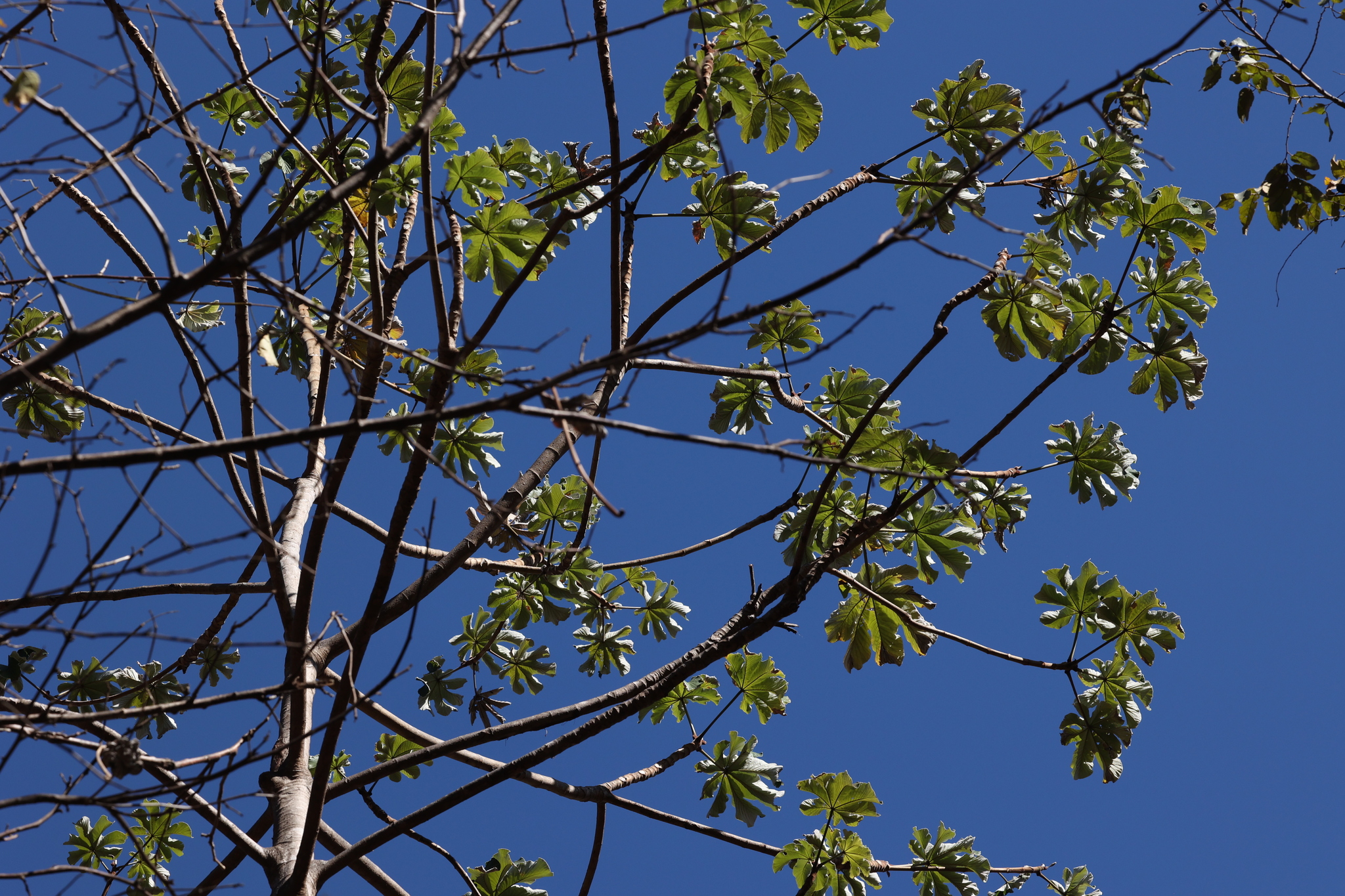
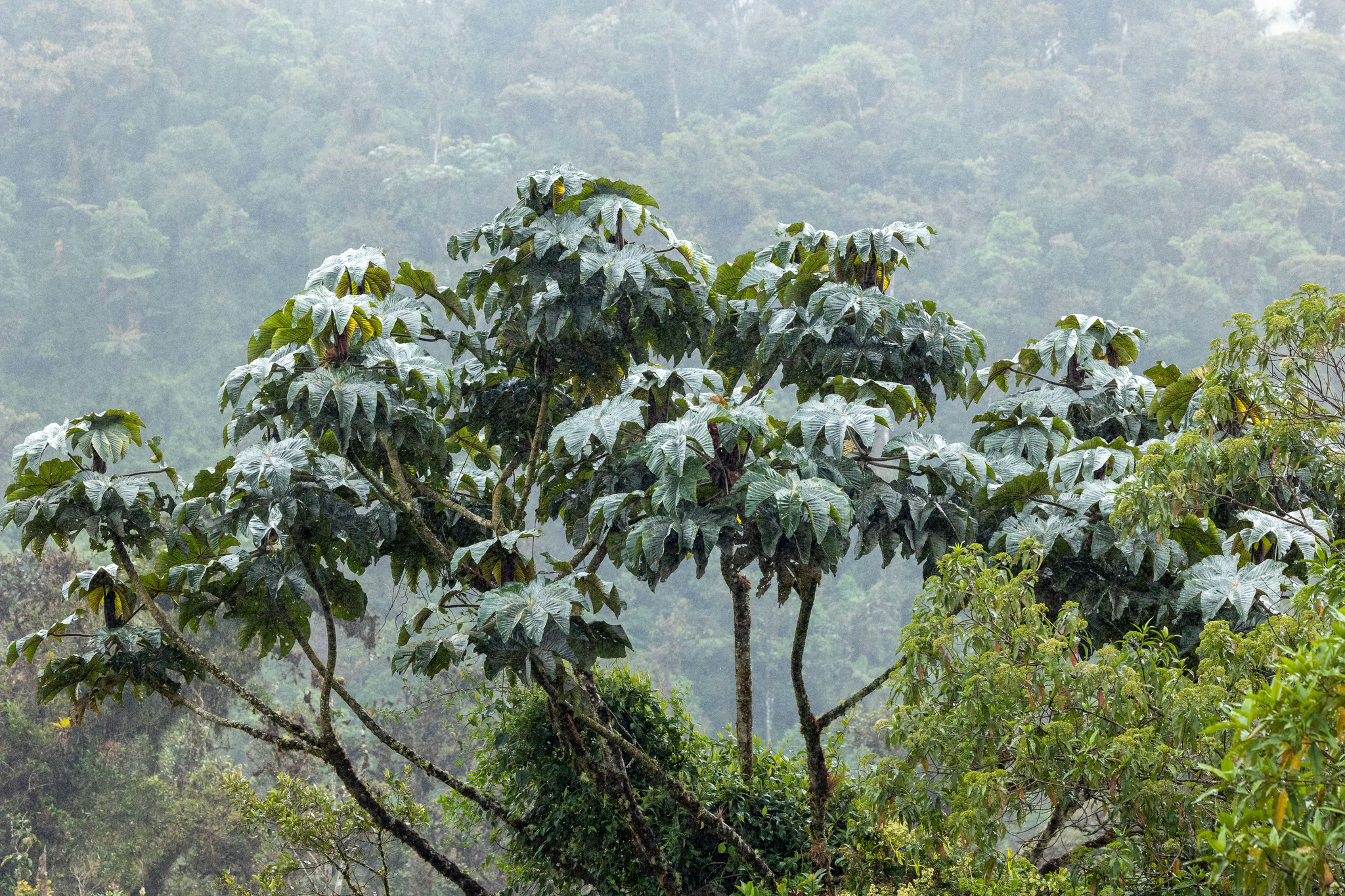
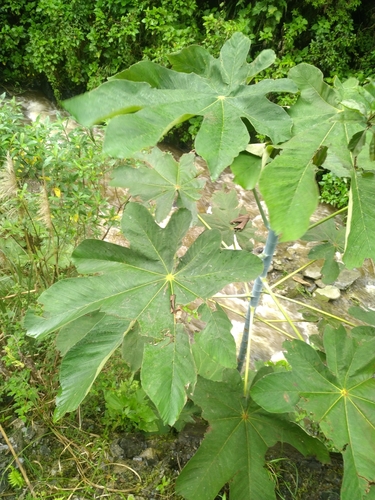
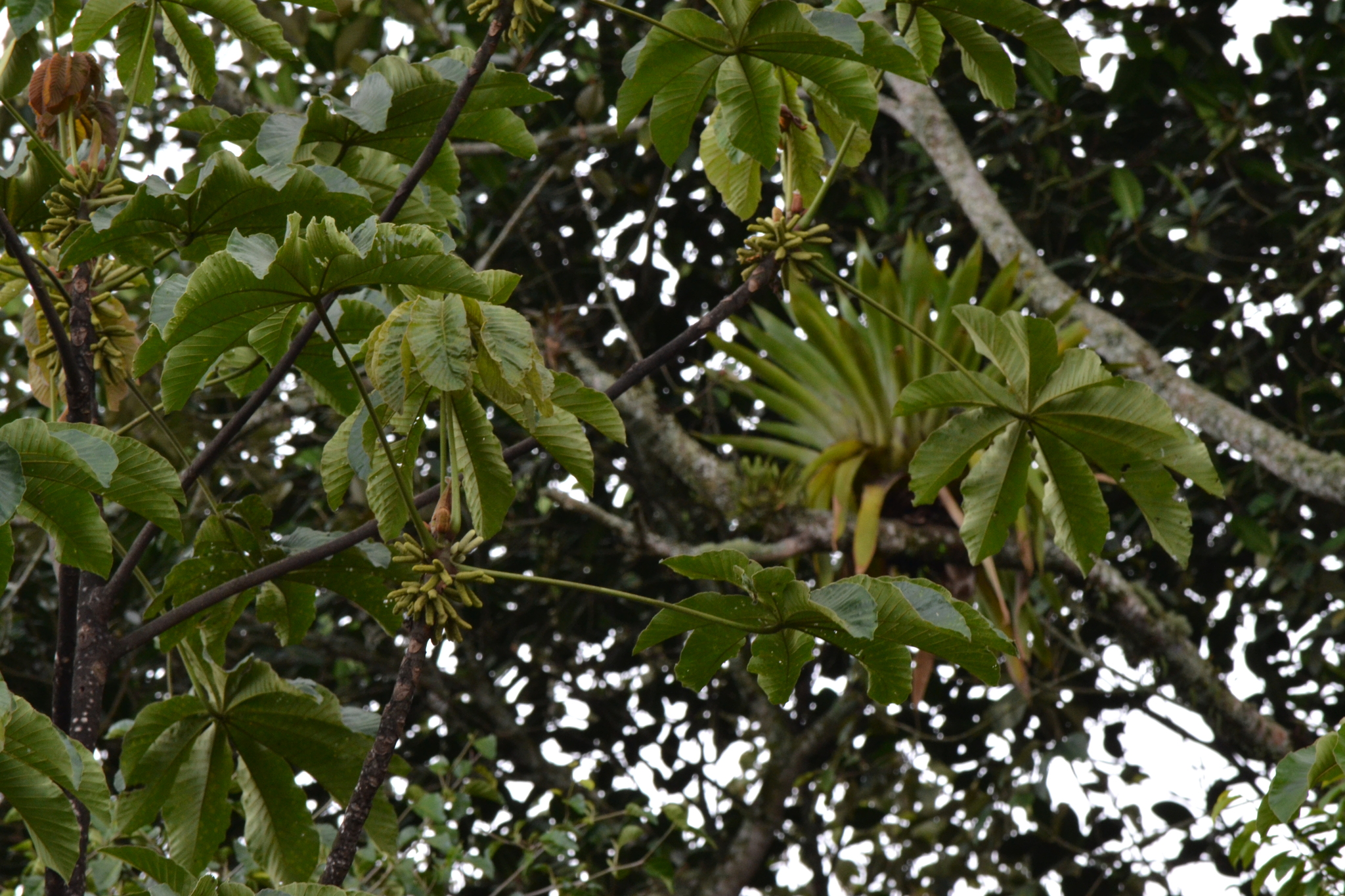
Cecropia hololeuca is a species of flowering plant in the family Urticaceae, commonly known as Cecropia hololeuca. This tree is a prominent member of its ecosystem, often playing a significant role in ecological succession due to its rapid growth and pioneer characteristics. It is a fast-growing, deciduous tree that typically reaches heights of 10 to 20 meters, though it can occasionally grow taller. The trunk is usually slender and erect, often branching at a considerable height. A distinctive feature of Cecropia hololeuca is its large, palmate leaves, which are deeply lobed and can measure up to 50 centimeters in diameter. The upper surface of the leaves is typically green, while the underside is covered in a dense, white, felt-like pubescence, giving rise to the specific epithet "hololeuca," meaning "entirely white." This dense covering of hairs provides a degree of protection against herbivores and desiccation.
The inflorescences of Cecropia hololeuca are borne on separate male and female plants, a characteristic known as dioecy. The male flowers are arranged in slender, cylindrical spikes, while the female flowers are similarly structured. Following pollination, the female inflorescences develop into clusters of small, drupe-like fruits. The bark of Cecropia hololeuca is smooth and grayish, often marked by leaf scars. The seeds are small and are dispersed by wind and animals.
Cecropia hololeuca is native to South America, with its distribution extending across several countries, including Brazil, Bolivia, and Paraguay. It thrives in tropical and subtropical climates and is commonly found in disturbed areas, such as forest edges, clearings, and along riverbanks. It prefers well-drained soils and can tolerate a range of light conditions, from full sun to partial shade, though it grows most vigorously in sunny locations. Its ability to colonize open spaces quickly makes it an important component of regenerating forests.
While not widely cultivated for ornamental purposes outside its native range, Cecropia hololeuca holds ecological significance. Its rapid growth and ability to fix nitrogen contribute to soil improvement and habitat restoration. The fruits are a food source for various frugivorous birds and mammals, aiding in seed dispersal. There is limited scientifically documented information regarding medicinal, culinary, or economic uses for this specific species. However, some related Cecropia species have been explored for their medicinal properties. Cecropia hololeuca exhibits a fascinating adaptation in its association with Azteca ants, which often inhabit its hollow stems. These ants may provide protection to the tree from herbivores in exchange for shelter and food bodies produced by the plant. This mutualistic relationship is a notable aspect of its biology, contributing to its survival and ecological success.
Water regularly, allowing soil to dry slightly between waterings.
Soil
Well-draining, fertile soil. Tolerates a range of soil types but prefers slightly acidic to neutral pH.
Temperature
Thrives in warm temperatures.
Habitat
Outdoor, Greenhouse
Fertilizer
Feed during the growing season.
Care Requirements
Light
Prefers full sun to partial shade.
Bright, indirect light is ideal indoors.
Water
Water regularly, allowing soil to dry slightly between waterings.
Avoid waterlogged conditions.
Soil
Well-draining, fertile soil. Tolerates a range of soil types but prefers slightly acidic to neutral pH.
Temperature
Thrives in warm temperatures.
Protect from frost.
Habitat
Outdoor, Greenhouse
Fertilizer
Feed during the growing season.
Use a balanced liquid fertilizer every 2-4 weeks.
Plant Overview
Plant Type
Tree
Plant Category
Foliage
Plant Place Type
Ground
Plant Environment
Outdoor, Greenhouse
Lifespan
Perennials
Plant Height
10-20 m
Spread
5-10 m
Growth Rate
Fast
Dormancy
None
Leaf Color
Green
Leaf Type
Palmate
Image Gallery
Flowering & Fruiting Cycles
Monthly activity intensity for bloom and fruit across both hemispheres.
Northern hemisphere
Flowering & fruiting calendar
Peak bloom · JunPeak fruit · Jul
FloweringFruiting
Southern hemisphere
Flowering & fruiting calendar
Peak bloom · DecPeak fruit · Jan
FloweringFruiting
Synonyms
Ambaiba hololeuca (Miq.) Kuntze
Taxonomy
kingdomPlantae
divisionTracheophyta
classMagnoliopsida
orderRosales
familyUrticaceae
genusCecropia
speciesCecropia hololeuca
Toxicity
Toxic for humans
No
Rating: 0/5
Toxic for pets
No
Rating: 0/5
Additional Care Tips
Water thoroughly when the top inch of soil feels dry. Reduce watering in cooler months but do not allow the soil to dry out completely. Ensure good drainage to prevent root rot.
Prune to shape the tree, remove dead or damaged branches, and control size. Pruning can be done at any time of year, but late winter or early spring is ideal before new growth begins.
Easily propagated from seeds sown in spring or from stem cuttings taken during the growing season. Seeds require warm temperatures and consistent moisture for germination.
Young plants may need repotting annually or every two years into a slightly larger pot. Mature trees are best left in place or repotted infrequently, as they dislike root disturbance.
FAQs
What are the light requirements for Cecropia hololeuca?
Cecropia hololeuca prefers full sun to partial shade. Indoors, it thrives in bright, indirect light. Avoid prolonged direct sun, which can scorch the leaves.
How often should I water Cecropia hololeuca?
Water regularly, allowing the top inch of soil to dry out between waterings. Ensure good drainage to prevent root rot, especially in containers.
Is Cecropia hololeuca suitable for indoor growing?
Yes, Cecropia hololeuca can be grown indoors as a houseplant, provided it receives adequate light and is kept in a warm environment. It is a fast-growing tree that may require pruning to manage size.
What kind of soil does Cecropia hololeuca need?
This tree prefers well-draining, fertile soil. It can tolerate a range of soil types but performs best in slightly acidic to neutral pH conditions.
Why are the stems of Cecropia hololeuca hollow?
The hollow stems are a characteristic adaptation that often houses ants. These ants provide a symbiotic relationship by protecting the tree from herbivores and competing vegetation.