Cedar Outdoor Tree Care Guide (Libocedrus bidwillii) | ePlant AI
Cedar (Libocedrus bidwillii)
Libocedrus bidwillii is a coniferous tree native to New Zealand, known for its distinctive foliage and timber. Also called Paiama.
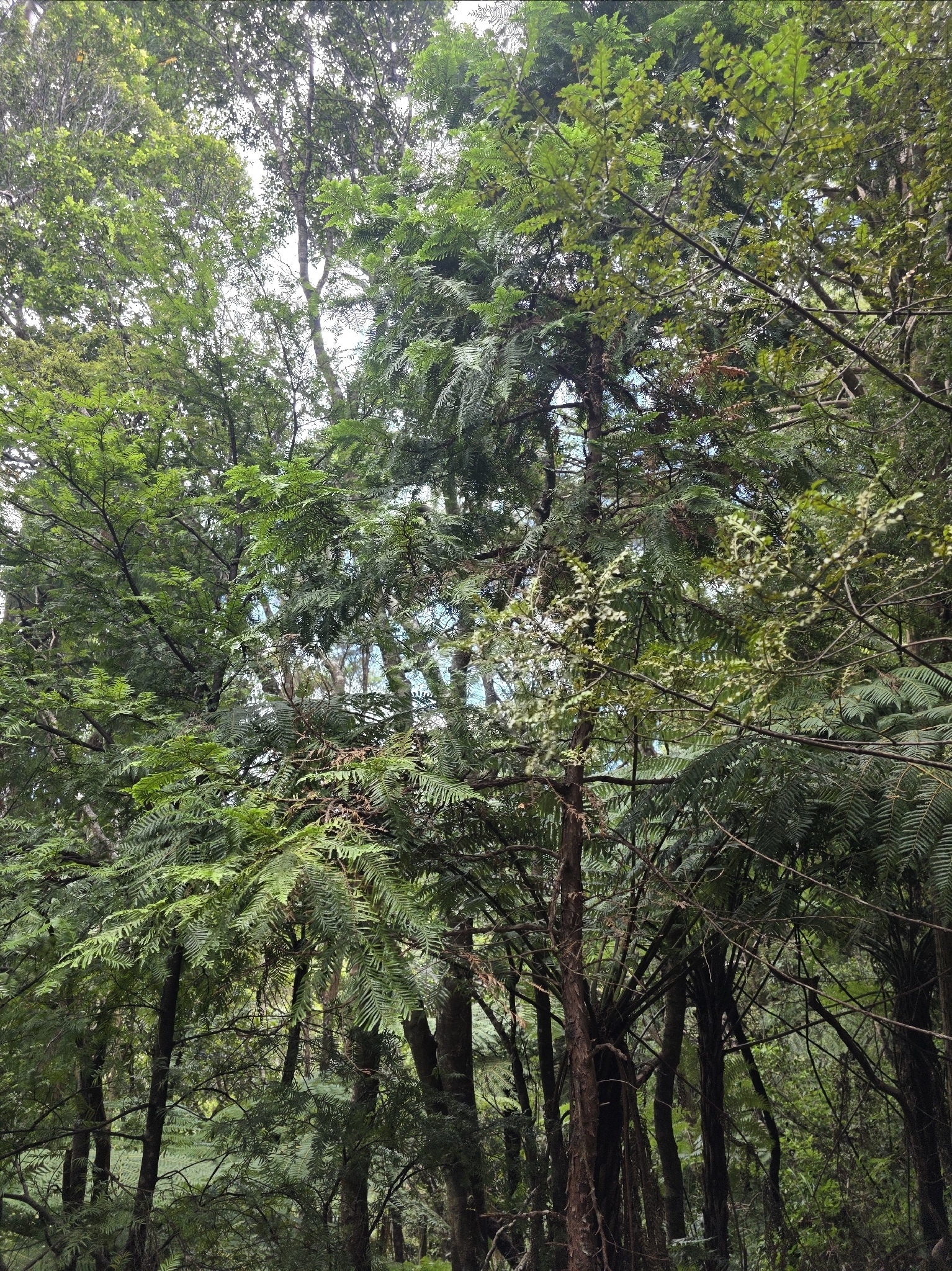
Libocedrus bidwillii, commonly known as Kawaka or Pōhutukawa, is a conifer native to New Zealand, holding a significant place in the country's unique flora. This species is a member of the Cupressaceae family, a group of trees often referred to as cypress or cedar relatives. Its presence is integral to the montane forests of the North and South Islands, where it contributes to the biodiversity and ecological structure of these environments.
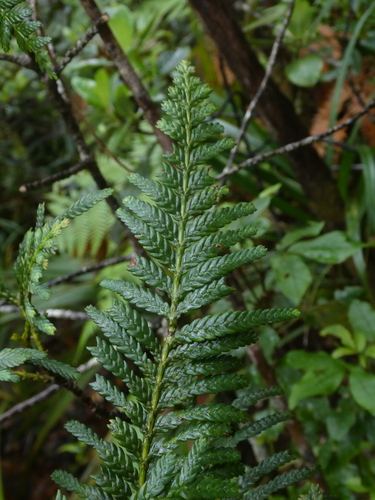
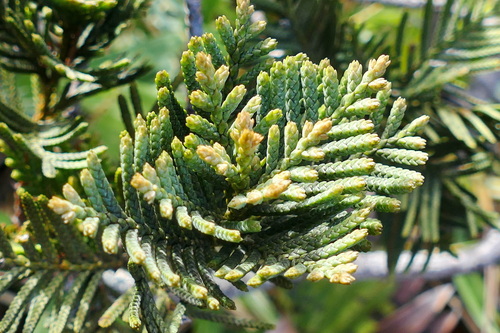
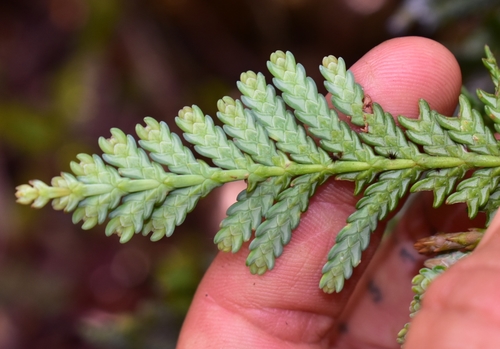
Physically, Libocedrus bidwillii is an evergreen tree that typically grows to moderate heights, often reaching between 10 to 20 meters, though exceptionally it can attain larger dimensions. Its growth habit is generally upright, with a conical or columnar form when young, maturing to a more irregular or spreading crown. The foliage is characterized by scale-like leaves that are tightly pressed against the branchlets, giving them a flattened appearance. These leaves are typically dark green and aromatic when crushed, a common trait among many conifers. The bark of mature trees is reddish-brown to greyish-brown, often fissured or peeling in strips, providing a distinctive texture. Reproduction occurs through cones, which are small and woody. Male cones are typically borne singly on branch tips, while female cones are solitary and mature to a woody structure containing seeds. The seeds themselves are small and winged, facilitating wind dispersal.
The natural distribution of Libocedrus bidwillii is confined to New Zealand, where it is found in mountainous regions. It thrives in a variety of habitats, commonly occurring in montane to subalpine forests, often on slopes and ridges. It prefers well-drained soils and can tolerate a range of light conditions, from full sun to partial shade, though it generally performs best in areas with adequate moisture. While primarily a wild species, its ornamental appeal has led to some cultivation in botanical gardens and arboreta outside its native range, where it is grown as a specimen tree.
Ecologically, Libocedrus bidwillii plays a role in its native forest ecosystems, providing habitat and food sources for various native fauna. Its wood has historically been valued for its durability and resistance to decay, though its use has been limited due to its conservation status and restricted distribution. There is no widespread documented medicinal, culinary, or significant economic importance for this species.
An interesting characteristic of Libocedrus bidwillii is its adaptation to its specific environmental niche. Its ability to grow in montane and subalpine zones suggests a tolerance for cooler temperatures and potentially exposed conditions. The aromatic nature of its foliage is a common defense mechanism in conifers, deterring herbivores. The seed dispersal mechanism, relying on wind, is also a typical adaptation for forest-dwelling conifers, allowing them to colonize suitable open areas or gaps in the forest canopy. The species' unique evolutionary history within the New Zealand flora makes it a subject of interest for botanists studying plant biogeography and adaptation.
Moderate, consistent moisture. Allow soil to dry slightly between waterings.
Soil
Tolerant of a range of soils but prefers well-drained, moist, acidic to neutral loam. Avoid heavy clay soils.
Temperature
Tolerates a wide range, hardy in temperate climates.
Habitat
Outdoor
Fertilizer
Light feeding in spring.
Care Requirements
Light
Full sun to partial shade.
Protect from intense afternoon sun in very hot climates.
Water
Moderate, consistent moisture. Allow soil to dry slightly between waterings.
Especially important during establishment and dry spells.
Soil
Tolerant of a range of soils but prefers well-drained, moist, acidic to neutral loam. Avoid heavy clay soils.
Temperature
Tolerates a wide range, hardy in temperate climates.
Ideal growing range is -5°C to 25°C.
Habitat
Outdoor
Fertilizer
Light feeding in spring.
Use a balanced, slow-release fertilizer. Avoid over-fertilization.
Plant Overview
Plant Type
Tree
Plant Category
Foliage, Ornamental
Plant Place Type
Ground
Plant Environment
Outdoor
Lifespan
Perennials
Plant Height
15-25 m
Spread
5-8 m
Growth Rate
Slow
Dormancy
None
Leaf Color
Green, Yellow-green
Leaf Type
Scale-like
Image Gallery
Flowering & Fruiting Cycles
Monthly activity intensity for bloom and fruit across both hemispheres.
Northern hemisphere
Flowering & fruiting calendar
Peak bloom · NovPeak fruit · Jan
FloweringFruiting
Southern hemisphere
Flowering & fruiting calendar
Peak bloom · FebPeak fruit · Dec
FloweringFruiting
Taxonomy
kingdomPlantae
divisionTracheophyta
classPinopsida
orderPinales
familyCupressaceae
genusLibocedrus
speciesLibocedrus bidwillii
Toxicity
Toxic for humans
No
Rating: 0/5
Toxic for pets
No
Rating: 0/5
Edible
No
Additional Care Tips
Provide consistent moisture, particularly when young. Reduce watering in winter. Ensure the soil drains well to prevent root rot.
Prune to shape and remove dead or damaged branches. Minimal pruning is generally required. Best done in late winter or early spring before new growth begins.
Best propagated from seed sown in autumn or by semi-hardwood cuttings taken in summer. Cuttings may require a rooting hormone and a warm environment.
Not applicable for trees grown outdoors. For container-grown specimens, repot every 2-3 years in spring into a larger pot with fresh, well-draining soil.
FAQs
What is the native habitat of Libocedrus bidwillii?
Libocedrus bidwillii is native to the mountainous regions of New Zealand, found in both the North and South Islands.
How fast does Paiama grow?
Paiama is a slow-growing tree, typically adding only a few centimeters in height per year.
What kind of soil does Libocedrus bidwillii prefer?
It prefers well-drained, moist, acidic to neutral loam and can tolerate a range of soil types, but dislikes heavy clay.
Is Libocedrus bidwillii suitable for small gardens?
Due to its mature size and slow growth rate, it is best suited for larger gardens or landscapes where it has ample space to develop.
Does Paiama require special care in winter?
Established trees are hardy and require minimal special care in winter. Young trees may benefit from protection in extremely cold climates.