Ceratopteris Cornuta (Ceratopteris cornuta) – Growing Guide, Care & Benefits | ePlant AI
Ceratopteris Cornuta (Ceratopteris cornuta)
Ceratopteris cornuta is a fast-growing aquatic fern native to tropical regions, often used in aquariums for its lush foliage and rapid propagation.
Ceratopteris cornuta is a fascinating aquatic fern with a unique life cycle and ecological role. This species belongs to the family Pteridaceae and is often encountered in tropical and subtropical freshwater environments. Its significance lies in its adaptability to fluctuating water levels and its contribution to aquatic ecosystems, often serving as a habitat and food source for various aquatic organisms.
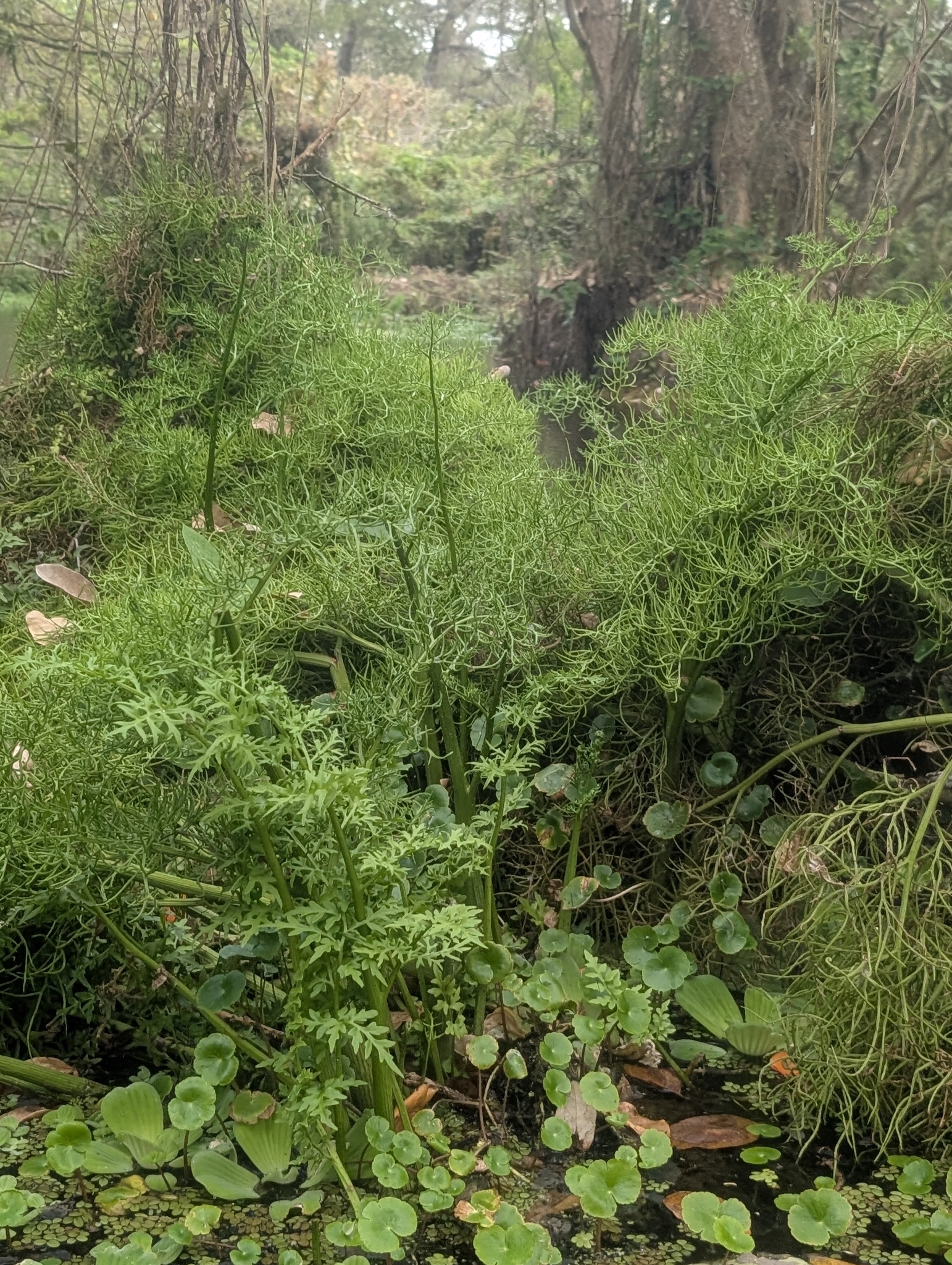
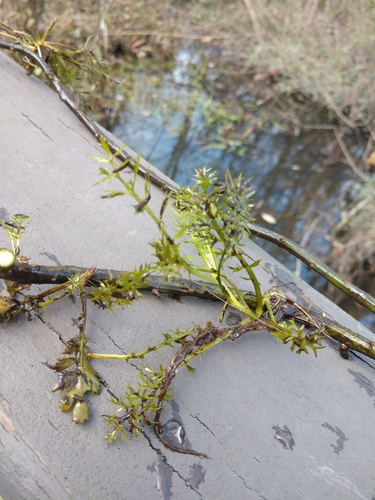
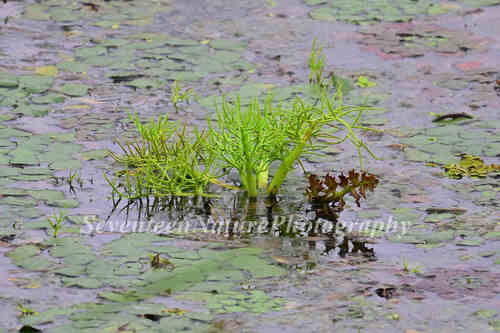
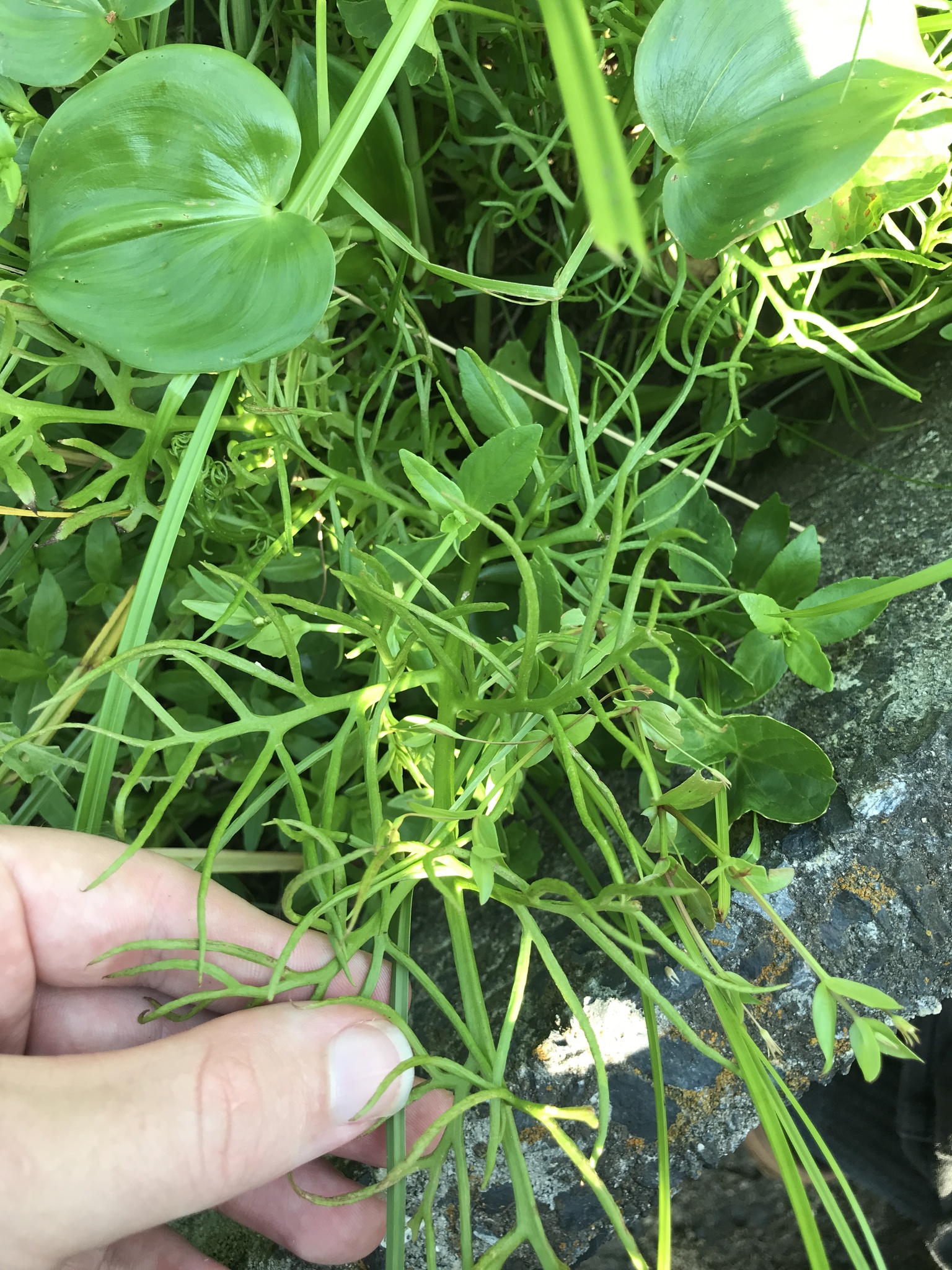
Physically, Ceratopteris cornuta exhibits a distinctive growth habit. It is a free-floating or rooted aquatic fern, typically found in shallow waters. The fronds are highly variable in shape, a characteristic that can sometimes lead to identification challenges. Young fronds are often entire or shallowly lobed, while mature fronds become deeply dissected, appearing almost feathery or fern-like in the traditional sense. The fronds are typically a vibrant green and can reach lengths of up to 30 centimeters or more. Unlike many terrestrial plants, Ceratopteris cornuta does not produce flowers, fruits, or bark; its reproductive structures are spores, housed in sori on the underside of the fertile fronds. These sori are typically linear and covered by a flap of tissue called an indusium. The rhizome is short and stout, anchoring the plant in substrate or allowing it to float freely.
The native distribution of Ceratopteris cornuta is widespread across tropical and subtropical regions of Africa, Asia, and Australia. It thrives in a variety of freshwater habitats, including slow-moving rivers, ponds, marshes, rice paddies, and ditches. It prefers still or slow-moving water with ample sunlight. While it is a wild species, Ceratopteris cornuta is also cultivated by aquarists for its ornamental appeal and its ability to oxygenate aquarium water. In cultivation, it requires warm temperatures, high humidity, and nutrient-rich water. It can tolerate a range of water conditions but performs best in soft to moderately hard water.
Ceratopteris cornuta plays an important role in its natural environment. Its dense foliage provides shelter for small fish and invertebrates, and it can also be a food source for aquatic herbivores. In some regions, it is considered a weed, particularly in rice paddies where it can compete with crops for nutrients and light. However, its rapid growth and ability to reproduce vegetatively also make it a valuable component of constructed wetlands and aquaponic systems, where it can help filter water and absorb excess nutrients. There is limited scientifically documented evidence regarding medicinal, culinary, or economic importance beyond its use in aquariums and its ecological functions.
An interesting characteristic of Ceratopteris cornuta is its heterophyllous nature, meaning it produces fronds of different shapes and sizes depending on its developmental stage and environmental conditions. This plasticity allows it to adapt to varying water depths and light availability. Furthermore, like other ferns, it has a complex life cycle involving alternation of generations, with a dominant sporophyte (the leafy fern plant) and a small, inconspicuous gametophyte. This fern's ability to reproduce both sexually via spores and asexually through fragmentation contributes to its rapid colonization of suitable habitats.
In aquariums, it does not require substrate and can be anchored in gravel or allowed to float. If planted in pots, use a nutrient-rich aquatic plant substrate.
Temperature
Warm temperatures are ideal.
Habitat
Aquatic, Indoor, Greenhouse
Fertilizer
Benefits from aquatic plant fertilizers.
Care Requirements
Light
Bright, indirect light is best.
Avoid direct sun which can scorch leaves.
Water
Keep consistently moist or submerged.
Ideal for aquariums, can be fully submerged or floating.
Soil
In aquariums, it does not require substrate and can be anchored in gravel or allowed to float. If planted in pots, use a nutrient-rich aquatic plant substrate.
Temperature
Warm temperatures are ideal.
Maintain between 20-28°C.
Habitat
Aquatic, Indoor, Greenhouse
Fertilizer
Benefits from aquatic plant fertilizers.
Use sparingly to avoid water quality issues.
Plant Overview
Plant Type
Fern, Aquatic
Plant Category
Foliage
Plant Place Type
Pot, Ground
Plant Environment
Aquatic, Indoor, Greenhouse
Lifespan
Annuals
Plant Height
0.1-0.3 m
Spread
0.2-0.4 m
Growth Rate
Fast
Dormancy
None
Leaf Color
Green
Leaf Type
Fronds
Image Gallery
Synonyms
Ellobocarpus cornutus (P.Beauv.) Kaulf.
Furcaria cornuta (P.Beauv.) Desv.
Onychium cornutum (P.Beauv.) Hassk.
Pteris cornuta P.Beauv.
Taxonomy
kingdomPlantae
divisionTracheophyta
classPolypodiopsida
orderPolypodiales
familyPteridaceae
genusCeratopteris
speciesCeratopteris cornuta
Toxicity
Toxic for humans
No
Rating: 0/5
Toxic for pets
No
Rating: 0/5
Edible
No
Additional Care Tips
This aquatic fern requires consistently wet or submerged conditions. It can be grown fully underwater or as a floating plant in aquariums. Maintain stable water parameters.
Pruning is generally not required. Remove any yellowing or decaying fronds to maintain appearance and prevent algae growth. Trim back if it becomes too dense.
Propagates easily through runners and fragmentation. New plantlets will form along the fronds or from broken pieces. Simply replant or allow them to float.
Not applicable for typical aquarium cultivation. If grown in a terrestrial setup, repot when root-bound, usually annually, into a larger container with aquatic soil.
FAQs
How do I plant Ceratopteris cornuta in an aquarium?
You can anchor it in the substrate with its roots, or let it float freely on the water surface. Both methods are effective for its growth.
What kind of light does Ceratopteris cornuta need?
It thrives in bright, indirect light. Avoid direct sunlight, which can cause its fronds to burn. Moderate to high aquarium lighting is suitable.
How fast does Ceratopteris cornuta grow?
This fern is known for its very fast growth rate, especially in nutrient-rich water and with adequate light.
Can Ceratopteris cornuta be grown outside of water?
While it prefers aquatic or very high humidity environments, it can be grown in bog gardens or terrariums if kept consistently moist.
Does Ceratopteris cornuta require fertilization?
Yes, it benefits from liquid fertilizers designed for aquatic plants, particularly in aquariums with few nutrients. This supports its rapid growth.