Skip to plant details

Cherry-PlumPrunus cerasifera

Also known as Ameixoeira-De-Jardim · Cherry Plum · Cherry Plum, Myrobalan

  • Category: Fruit, Ornamental
  • Type: Tree
  • Sunlight: Full Sun
  • Water: Moderate
  • Temperature: Moderate

Cherry-plum (Prunus cerasifera) is a small deciduous tree or shrub valued for its early spring blossoms and edible fruit. It's a hardy ornamental and a source of early ne

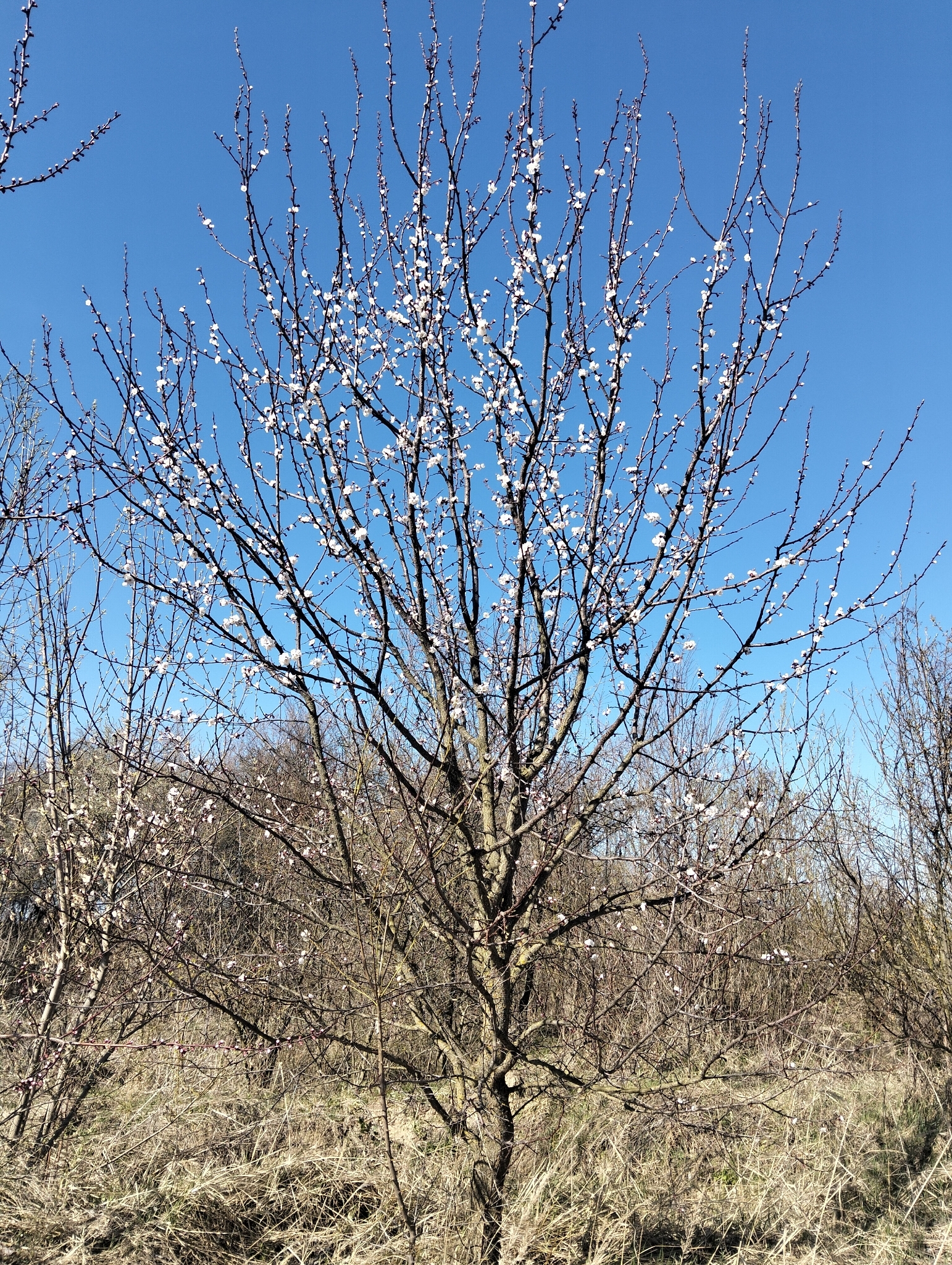
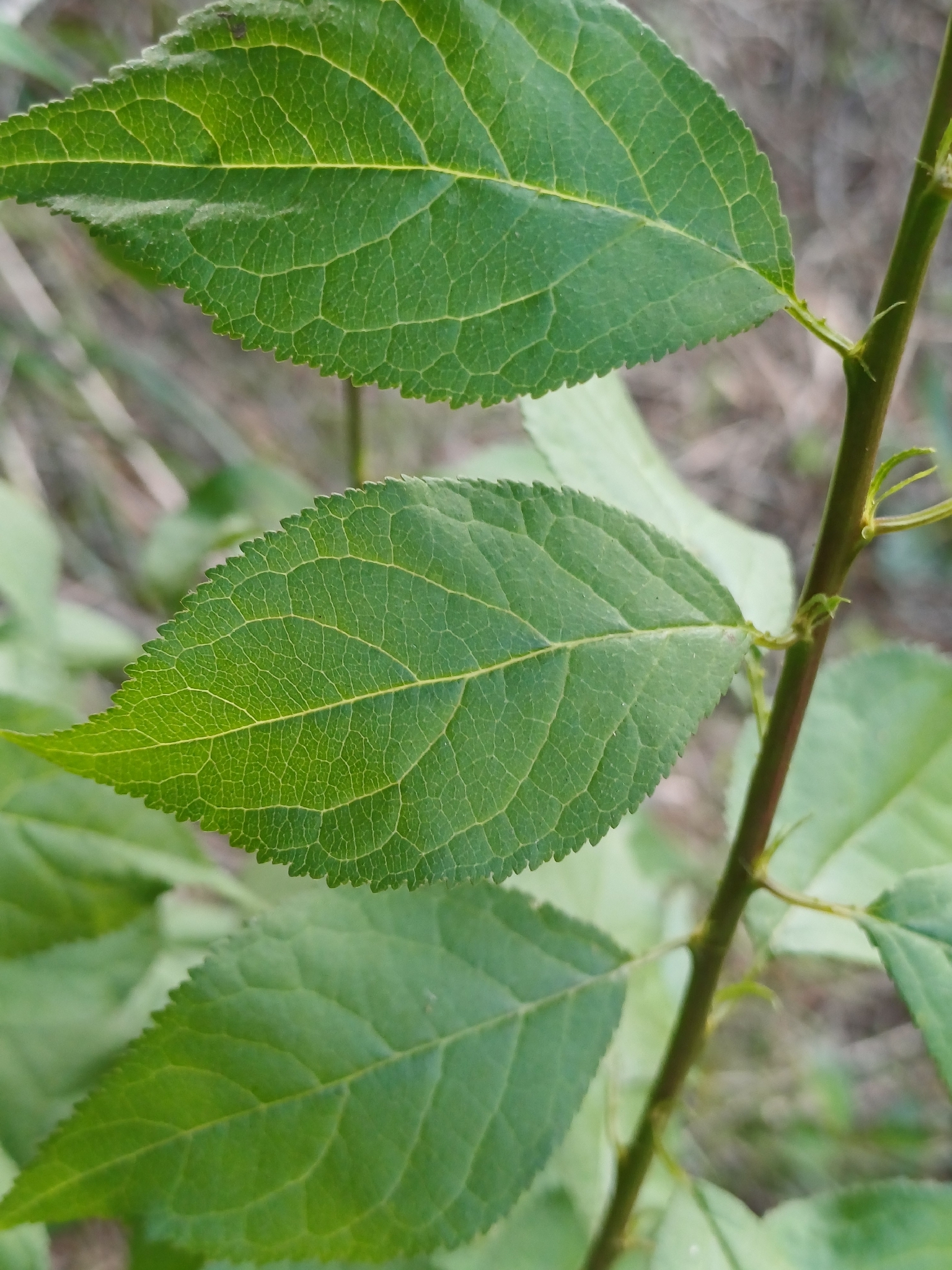
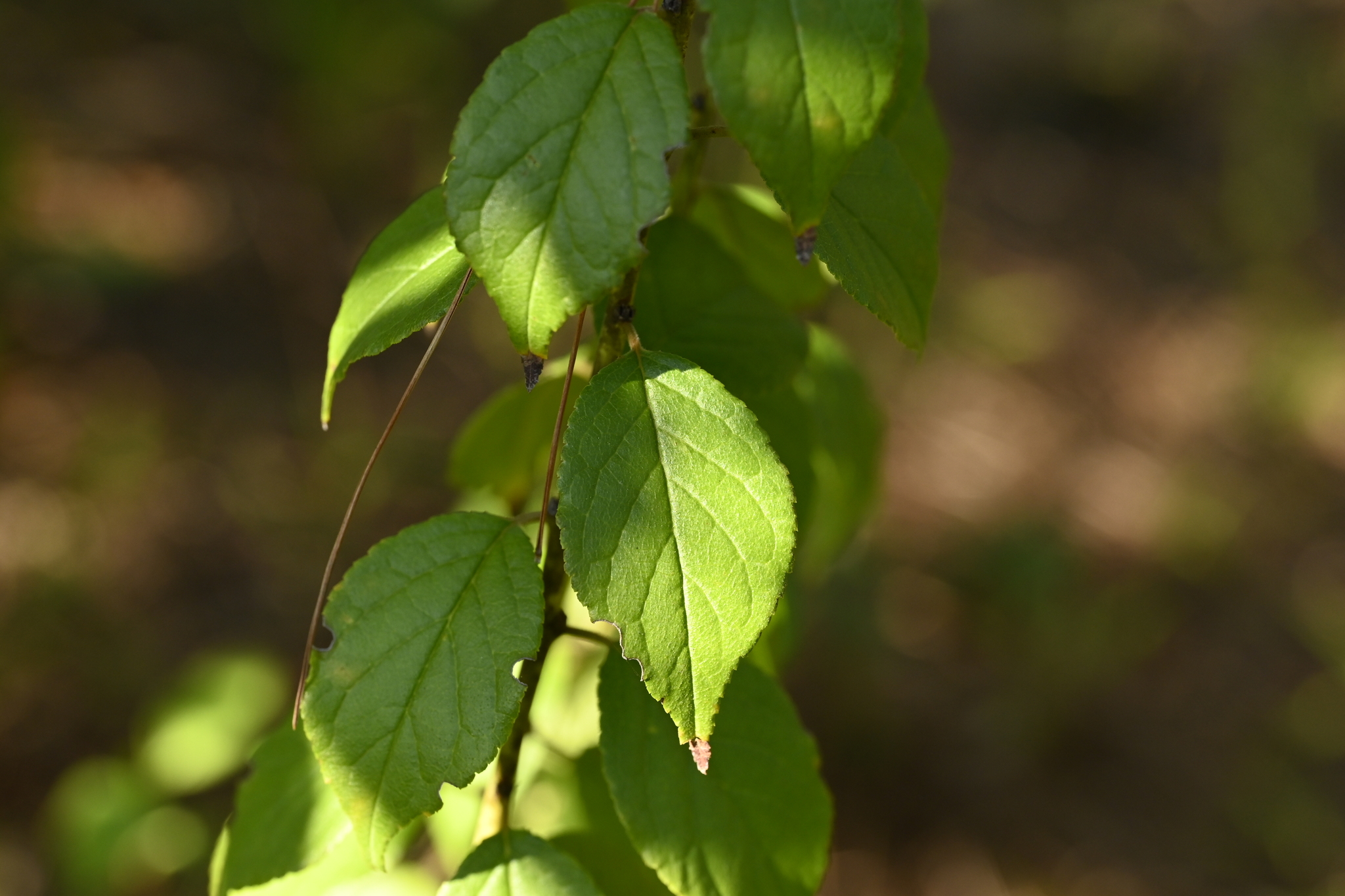
Prunus cerasifera, commonly known as cherry-plum, is a deciduous tree or large shrub native to Southeastern Europe and Western Asia. It is a foundational species within the *Prunus* genus, which also includes familiar fruits like cherries, plums, and peaches. This species is significant not only for its ornamental appeal but also as a progenitor of many cultivated plum varieties. The cherry-plum typically grows to a height of 6 to 15 meters (20 to 50 feet) with a similar spread, often forming a dense, rounded crown. Its leaves are ovate to elliptical, measuring 3 to 6 centimeters (1.2 to 2.4 inches) long, with finely toothed margins. The leaves are typically a glossy green, though some ornamental cultivars exhibit dark purple foliage. In early spring, before the leaves fully emerge, the branches are adorned with abundant, small, white to pale pink flowers. These flowers, about 2 centimeters (0.8 inches) in diameter, have five petals and are borne singly or in pairs, emitting a delicate fragrance. Following successful pollination, the tree produces small, fleshy fruits, known as drupes, which are typically round and measure 2 to 3 centimeters (0.8 to 1.2 inches) in diameter. The fruit's color can range from yellow to red or deep purple, and its flesh is often tart, though edible. The bark is smooth and dark gray to blackish, often with prominent lenticels. This species thrives in a variety of soil types, provided they are well-drained, and prefers full sun to partial shade. It is remarkably adaptable and can tolerate a range of climatic conditions, contributing to its widespread cultivation. Its native habitat includes open woodlands, scrublands, and riverbanks. Beyond its native range, *Prunus cerasifera* is widely planted as an ornamental tree in parks, gardens, and along streets, valued for its early spring floral display and its adaptability. The ecological importance of cherry-plum lies in its role as an early food source for pollinators, such as bees, when few other plants are in bloom. Its fruits are also consumed by various birds and small mammals. Agriculturally, *Prunus cerasifera* is of considerable importance as a parent species for numerous cultivated plum varieties, contributing desirable traits such as hardiness and fruit characteristics. Some of its fruits are used in jams, jellies, and preserves, particularly in regions where it is indigenous. An interesting characteristic of *Prunus cerasifera* is its genetic plasticity, which has allowed for the development of a wide array of cultivars with distinct ornamental features, such as variegated foliage, weeping forms, and intensely colored fruits. Its ability to hybridize readily with other *Prunus* species also contributes to its botanical significance and the diversity found within the genus. The early blooming habit makes it a valuable indicator species for the arrival of spring in many temperate regions.

Photograph © Janet Hitchen

Cherry-Plum Care Summary

At-a-glance light, water, soil, and growing conditions from plant data

Light

Full Sun

100% intensity

Requires at least 6-8 hours of direct sunlight daily for optimal growth and fruit production.

Watering

Moderate

50% intensity

Prefers consistent moisture, especially when young. Allow soil to dry slightly between waterings. Reduce in winter.

Soil

Well-drained

50% intensity

Temperature

Moderate

50% intensity

Prefers temperate climates. Requires a period of winter chill for proper fruiting. Tolerates a range of temperatures once established.

Fertilizing

Moderate

50% intensity

Fertilize in early spring with a balanced fertilizer. Avoid over-fertilizing.

Cherry-Plum Toxicity

Safety information from plant toxicity data

Toxicity details for Cherry-Plum
AttributeValue
Toxic for humansNo

0/5 intensity

Toxic for petsNo

0/5 intensity

EdibleYes

The seeds (pits), leaves, and stems of Prunus cerasifera contain cyanogenic glycosides, which release cyanide when metabolized. Ingestion of these parts can cause poisoning in humans and animals, leading to symptoms like dilated pupils, difficulty breathi

Cherry-Plum Quick Facts

Key traits and growing stats from plant data

Plant Type
Tree
Plant Category
Fruit, Ornamental
Plant Place Type
Garden, Pot
Lifespan
Perennial
Plant Height
3-6 meters
Spread
3-6 meters
Growth Rate
Fast
Dormancy
Winter
Leaf Color
Green, Purple
Leaf Type
Deciduous
Flower Size
1.5-2.5 cm
Optimal Sunlight Lux
60000

Care guide for Cherry-Plum

Watering, pruning, propagation, and repotting details from plant data

Water

Cherry-plum trees prefer consistent moisture, especially when young and establishing. Water deeply when the top 2-5 cm of soil feels dry.

Reduce watering in cooler months and avoid waterlogged conditions, which can lead to root rot. Mature trees are more drought-tolerant.

Pruning

Prune in late winter or early spring while the tree is dormant. Remove dead, damaged, or crossing branches. Pruning can also be used to shape the tree, improve air circulation, and manage size.

Light pruning after flowering can help maintain shape and encourage fruiting.

Propagation

Cherry-plum is most commonly propagated by grafting onto plum or cherry rootstock. Seed propagation is possible but can result in offspring that do not breed true to the parent.

Cuttings can be taken from semi-hardwood in summer or hardwood in winter.

Repotting

Repotting is generally only necessary for young potted plants or when transplanting. For potted specimens, repot every 2-3 years in early spring before bud break.

Use a well-draining potting mix and a slightly larger container. Ensure adequate drainage holes.

Identify plants like this with ePlant

Snap a photo to get care tips and match similar species on the go.

Try for Free

Flowering & Fruiting Cycles

Monthly activity intensity for bloom and fruit across both hemispheres.

Northern hemisphere

Flowering & fruiting calendar

Peak bloom · AprPeak fruit · Jul
FloweringFruiting
02468JanFebMarAprMayJunJulAugSepOctNovDecActivity intensityMonths89
Southern hemisphere

Flowering & fruiting calendar

Peak bloom · NovPeak fruit · Mar
FloweringFruiting
02468JanFebMarAprMayJunJulAugSepOctNovDecActivity intensityMonths89

Cherry-Plum Names & Synonyms

Common names and botanical synonyms

Common Names

  • Ameixoeira-De-Jardim
  • Cherry Plum
  • Cherry Plum, Myrobalan
  • Cherry-Plum
  • Ciruela Chabacana
  • Common Cherry Plum
  • Cultivated Cherry Plum
  • Divlja Sljiva
  • Flowering Plum
  • Garden Cherry-Plum
  • Myrobalan
  • Myrobalan Plum
  • Ornamental Cherry Plum
  • Purple-Leaf Plum
  • Sand Plum
  • Алуча
  • טרמינליה, אמלג שחור, מירובלן

Synonyms

  • Armeniaca sogdiana Kudr.
  • Prunus alpestris Schischk.
  • Prunus divaricata Ledeb.
  • Prunus iranica Kovalev
  • Prunus mirabilis Poit. & Turpin
  • Prunus monticola K.Koch
  • Prunus myrobalana (L.) Desf.
  • Prunus pissardii Carrière
  • Prunus sogdiana Vassilcz.

Cherry-Plum Taxonomy

Botanical classification

Taxonomic classification of Cherry-Plum
RankName
kingdomPlantae
divisionTracheophyta
classMagnoliopsida
orderRosales
familyRosaceae
genusPrunus
speciesPrunus cerasifera

Cherry-Plum FAQs

Answers based on plant encyclopedia data

What are the growing conditions for Prunus cerasifera?

Cherry-plum thrives in full sun to partial shade and prefers well-drained soil. It is adaptable to a range of soil types but performs best in loamy conditions.

When does Prunus cerasifera bloom?

Prunus cerasifera is one of the earliest flowering ornamental trees, typically blooming in early to mid-spring, often before its leaves fully emerge.

Is the fruit of Prunus cerasifera edible?

Yes, the fruit is edible, although often quite tart. It can be used for jams, jellies, and preserves, or eaten fresh if the tartness is preferred.

Does Prunus cerasifera require pollination to produce fruit?

While some varieties can self-pollinate, cross-pollination with another compatible Prunus species often leads to a better fruit set.

What is the typical size of a Cherry-plum tree?

Cherry-plum trees are generally small, reaching heights and widths of 4 to 8 meters, making them suitable for many garden sizes.