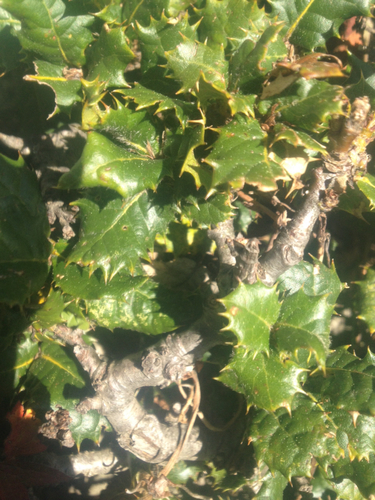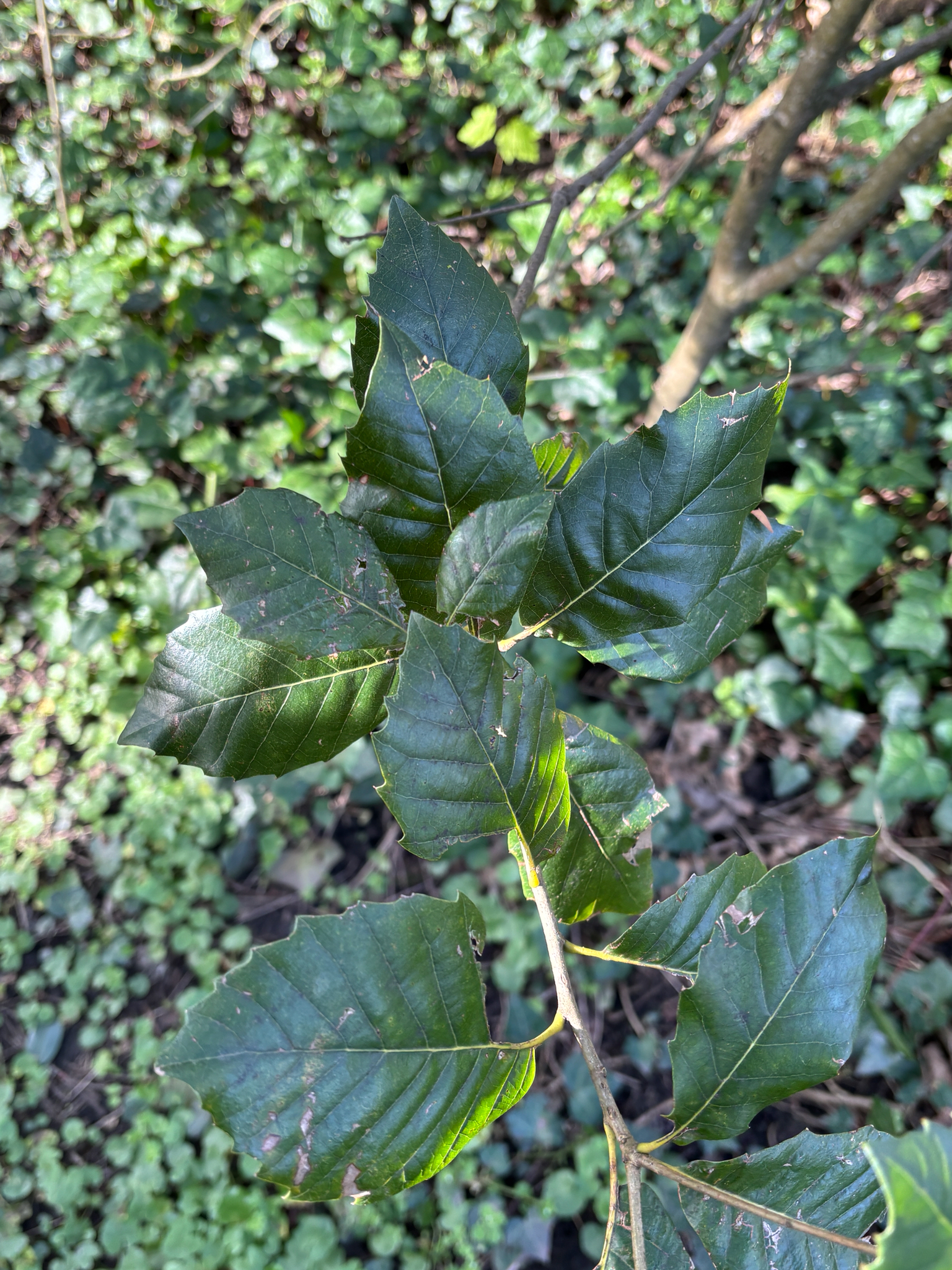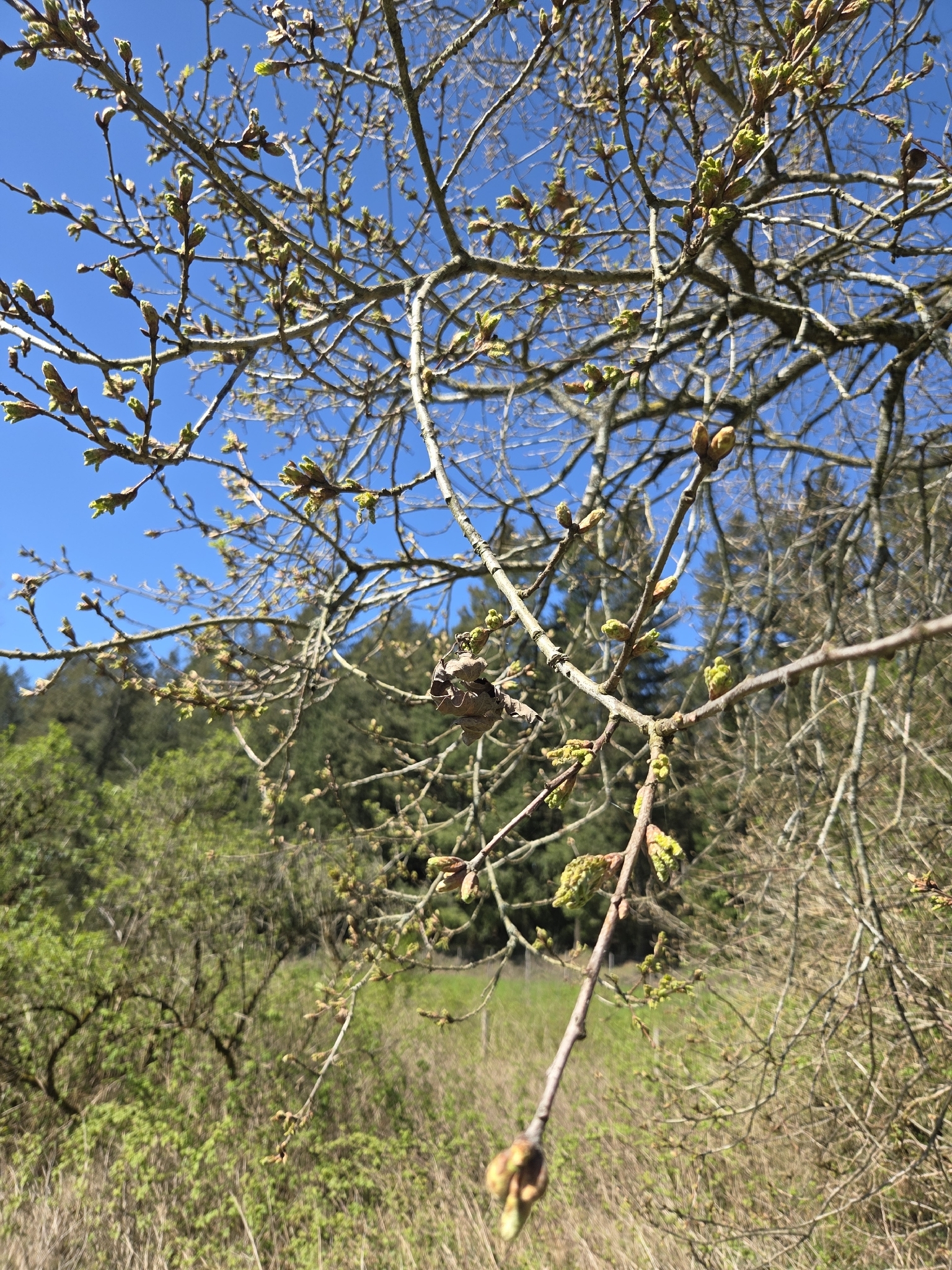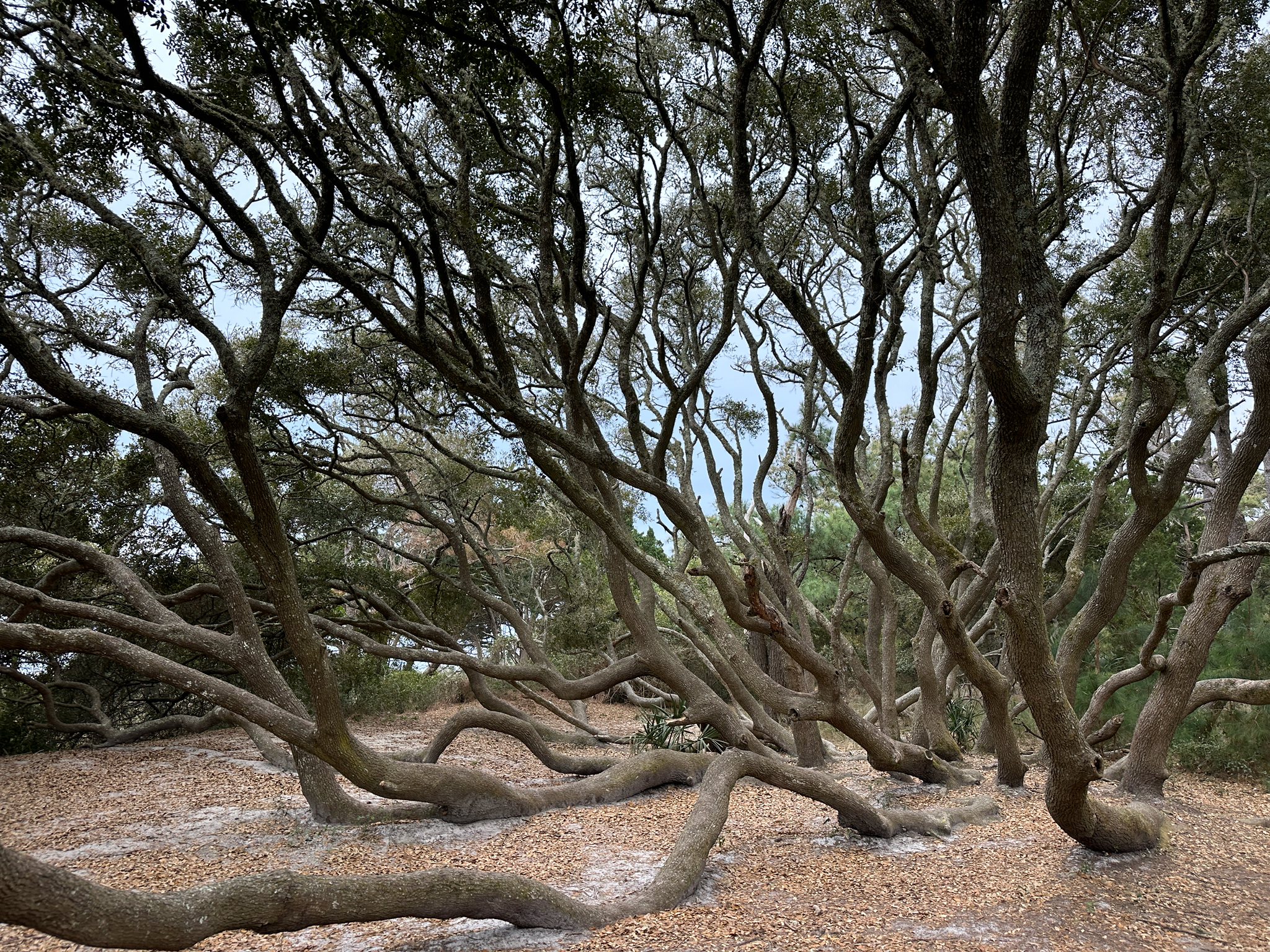
Chestnut-leaved Oak (Quercus castaneifolia) is a large deciduous tree native to the Caucasus region, known for its attractive foliage and acorns.
Above information is sourced from Wikipedia
Sunlight
Full sun to partial shade
Watering
Moderate, reduce in winter
Soil
Adaptable to a wide range of well-drained soils, including clay, loam, and sandy types. Prefers slightly acidic to neutral pH.
Temperature
Hardy
Habitat
Outdoor
Fertilizer
Infrequent
Full sun to partial shade
Prefers at least 6 hours of direct sunlight daily.
Moderate, reduce in winter
Water deeply when top inch of soil is dry. Reduce frequency in cooler months.
Adaptable to a wide range of well-drained soils, including clay, loam, and sandy types. Prefers slightly acidic to neutral pH.
Hardy
Tolerates a wide range of temperatures, from cold winters to warm summers.
Outdoor
Infrequent
Generally not needed. Feed only if growth is poor.
Plant Type
Tree
Plant Category
Foliage, Ornamental
Plant Place Type
Ground, Garden
Plant Environment
Outdoor
Lifespan
Perennials
Plant Height
20-30 m
Spread
15-20 m
Growth Rate
Medium
Dormancy
Yes
Leaf Color
Green
Leaf Type
Deciduous
Toxic for humans
No
Rating: 0/5
Toxic for pets
No
Rating: 0/5
Edible
No
Acorns may cause mild stomach upset if ingested in large quantities, but the plant is generally considered non-toxic.