Lesser Yam Outdoor Care Guide (Dioscorea esculenta) | ePlant AI
Lesser Yam (Dioscorea esculenta)
Lesser Yam (Dioscorea esculenta) is a tropical vine producing edible tubers, widely cultivated in Asia and Africa for its starchy roots.
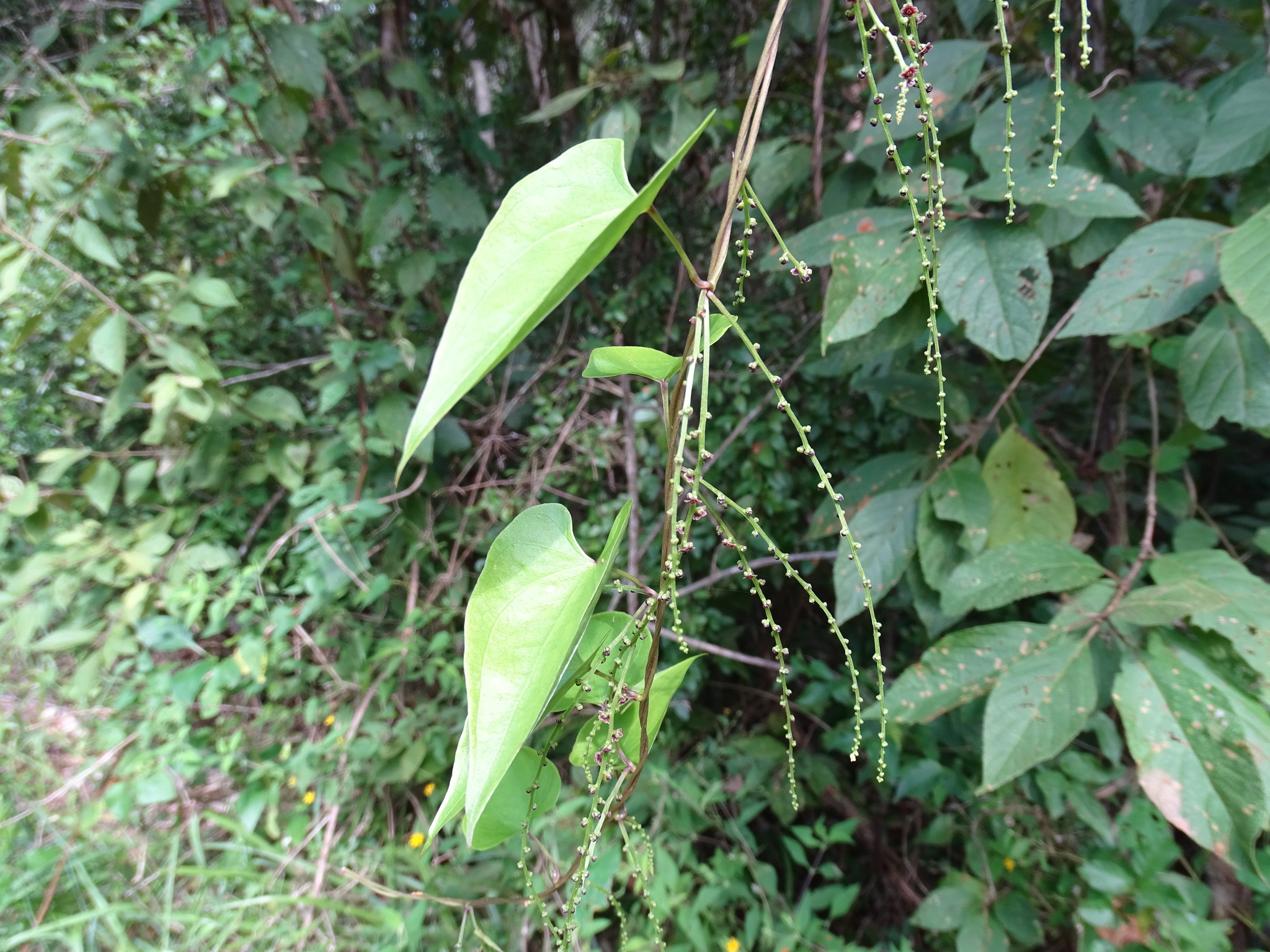
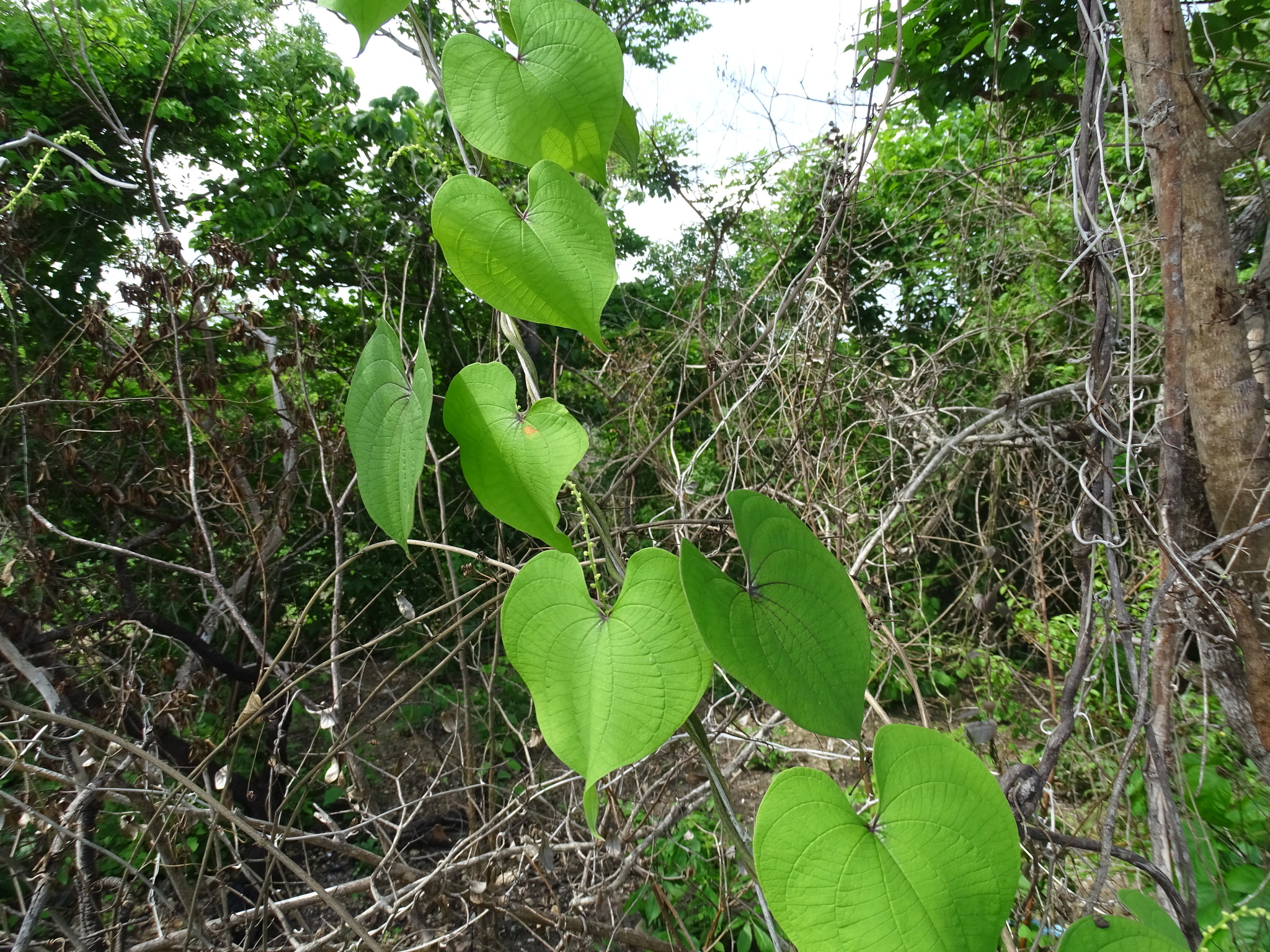
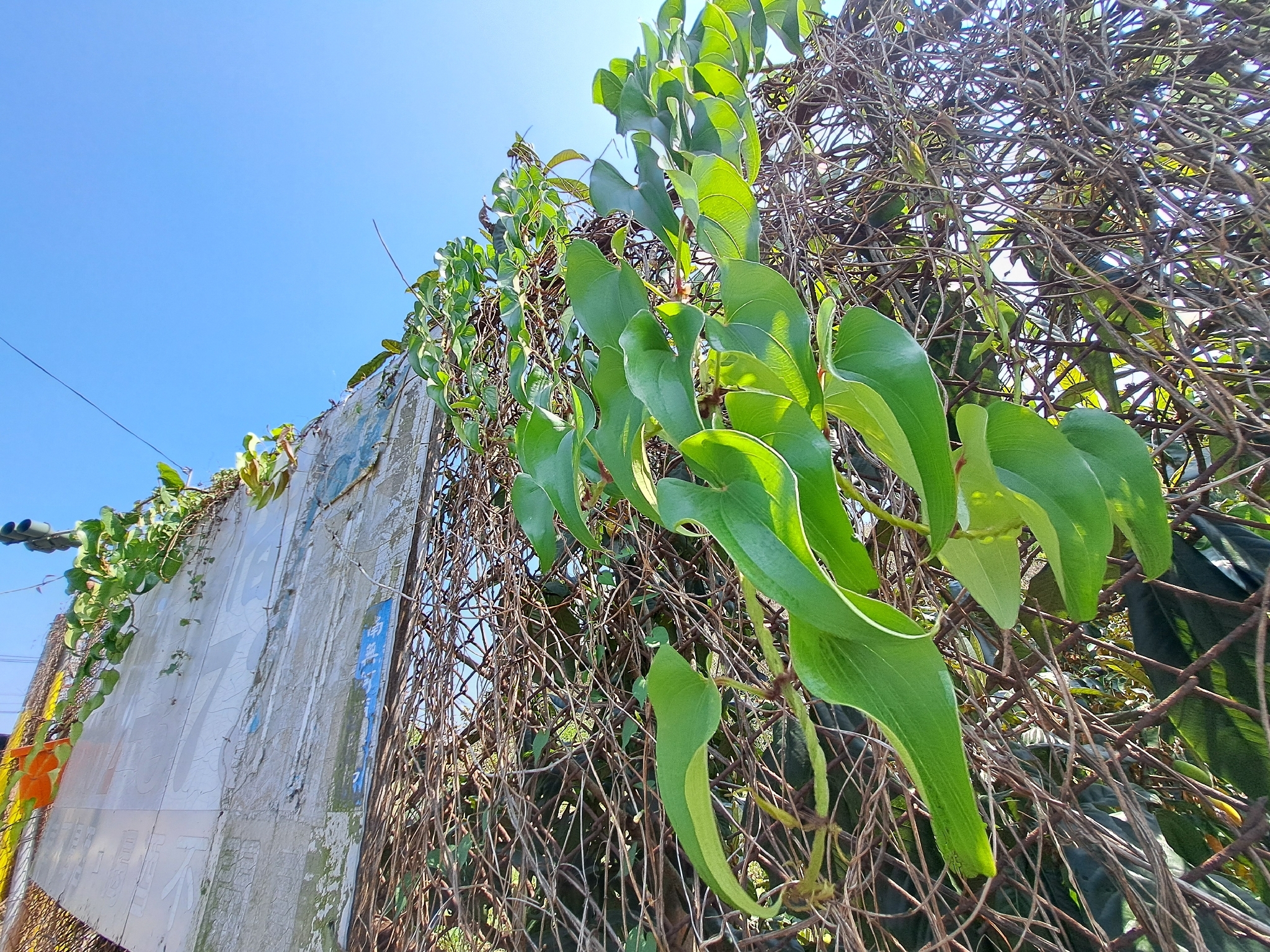
Dioscorea esculenta, commonly known as the Lesser Yam, is a species of flowering plant in the yam family, Dioscoreaceae. It is a significant food crop in many tropical regions, valued for its edible tubers. This twining vine is a perennial that can grow to considerable lengths, often reaching several meters. Its growth habit is characterized by slender, herbaceous stems that ascend or trail, frequently twining around supporting structures. The leaves of Dioscorea esculenta are typically arranged alternately along the stem. They are simple, cordate (heart-shaped) or ovate, with prominent palmate venation. The leaf margins are entire, and the surface can be smooth or slightly pubescent.
The inflorescences of Dioscorea esculenta are generally axillary racemes or panicles, bearing small, inconspicuous flowers. The plant is dioecious, meaning individual plants are either male or female. Male flowers typically have six stamens, while female flowers possess a superior ovary. Following pollination, the female plants produce fruit, which is a capsule. These capsules are usually three-winged and contain seeds. The tubers are the most economically important part of the plant. They are typically subterranean, varying in shape and size, but are generally smaller and more numerous than those of some other yam species. The tuber flesh can range in color from white to yellowish.
The native distribution of Dioscorea esculenta is believed to be in Southeast Asia, extending into parts of the Indian subcontinent and Oceania. It thrives in tropical and subtropical climates, preferring well-drained soils and ample sunlight. While it can be found growing wild in disturbed areas and forest edges, it is widely cultivated for its tubers. Cultivation requirements generally involve fertile soil, adequate moisture, and support for its climbing stems.
Dioscorea esculenta holds considerable agricultural importance as a staple food source in many tropical regions. Its tubers are a good source of carbohydrates and are prepared in various culinary ways, including boiling, roasting, and frying. Beyond its nutritional value, the Lesser Yam has a long history of use in traditional medicine in some cultures, though scientific validation of these uses is ongoing and varies in scope. Ecologically, as a vigorous vine, it plays a role in its native habitats by providing ground cover and supporting climbing organisms. An interesting characteristic of Dioscorea esculenta is its ability to produce aerial tubers, or bulbils, in the leaf axils, which can also be harvested and used for propagation or as a food source, adding to its versatility. The plant's adaptability to various soil types and its relatively short maturation period compared to some other yam varieties contribute to its widespread cultivation and enduring significance.
Needs at least 6 hours of sunlight daily for best growth.
Water
Keep soil consistently moist.
Reduce watering during cooler periods or dormancy.
Soil
Well-draining, fertile loam.
Temperature
Ideal growing temperature is between 20-30°C.
Protect from frost; it is not cold-hardy.
Habitat
Outdoor, Greenhouse
Fertilizer
Feed regularly during the growing season.
Use a balanced fertilizer and supplement with organic matter.
Plant Overview
Plant Type
Vine
Plant Category
Vegetable
Plant Place Type
Ground, Garden
Plant Environment
Outdoor, Greenhouse
Lifespan
Perennials
Plant Height
5-10 m
Spread
2-4 m
Growth Rate
Moderate to fast
Dormancy
None in tropical climates, may go dormant in cooler regions
Leaf Color
Green
Leaf Type
Simple, alternate, cordate
Flower Size
0.5 cm
Image Gallery
Flowering & Fruiting Cycles
Monthly activity intensity for bloom and fruit across both hemispheres.
Northern hemisphere
Flowering & fruiting calendar
Peak bloom · AugPeak fruit · Sep
FloweringFruiting
Southern hemisphere
Flowering & fruiting calendar
Peak bloom · OctPeak fruit · Nov
FloweringFruiting
Synonyms
Dioscorea fasciculata Roxb.
Dioscorea papillaris Blanco
Dioscorea papuana Warb.
Dioscorea tiliifolia Kunth
Dioscorea tugui Blanco
Oncorhiza esculentus (Lour.) Pers.
Oncus esculentus Lour.
Taxonomy
kingdomPlantae
divisionTracheophyta
classLiliopsida
orderDioscoreales
familyDioscoreaceae
genusDioscorea
speciesDioscorea esculenta
Toxicity
Toxic for humans
No
Rating: 0/5
Toxic for pets
No
Rating: 0/5
Edible
Yes
Additional Care Tips
Water regularly to maintain consistent soil moisture, especially during the growing season. Reduce watering when the plant enters dormancy or during cooler periods.
Prune to manage growth and remove dead or damaged stems. Minimal pruning is usually required beyond tidying up the vine.
Propagate by stem cuttings, bulbils, or pieces of tuber. Stem cuttings are the most common method for commercial propagation.
Repotting is generally not applicable as it is a large vining plant grown in the ground or large containers. If grown in pots, repot every 2-3 years into a larger container.
FAQs
How do I harvest Lesser Yam?
Harvest tubers in autumn or winter when the vines begin to yellow or die back. Carefully dig around the base of the plant to unearth the tubers, avoiding damage.
What kind of soil does Dioscorea esculenta need?
This plant prefers fertile, well-draining loam soil. Good soil aeration is important for healthy tuber development and to prevent rot.
Can Lesser Yam be grown in pots?
Yes, Dioscorea esculenta can be grown in large containers or pots, provided they are deep enough to accommodate tuber growth and offer adequate support for the vine.
Why is my Lesser Yam vine dying back?
The vine naturally dies back as part of its life cycle, typically in autumn or winter, signaling that the tubers are mature and ready for harvest or entering a dormant period.
Are there any poisonous parts of the Lesser Yam?
No, Dioscorea esculenta is not considered poisonous to humans or pets. The tubers are edible and widely consumed.