Skip to plant details

Piper TuberculatumPiper tuberculatum

Also known as Cigarette Plant · Monkey Pepper

  • Category: Ornamental
  • Type: Shrub, Vine
  • Sunlight: Bright indirect light
  • Water: Keep soil moist
  • Temperature: Average to warm

Piper tuberculatum is a herbaceous perennial with a sprawling habit, producing inflorescences of small, white flowers, typically grown for ornamental foliage and ground c

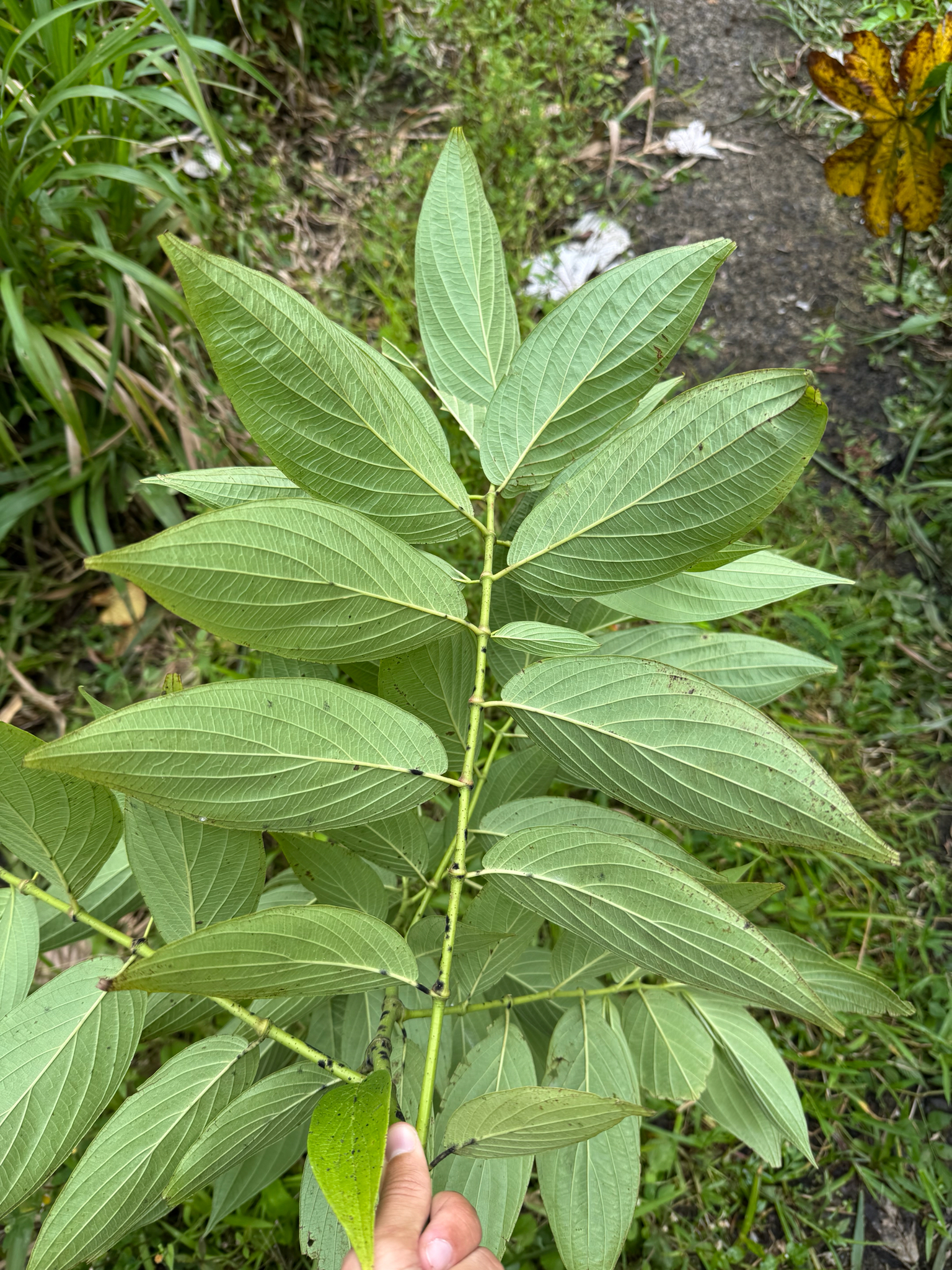
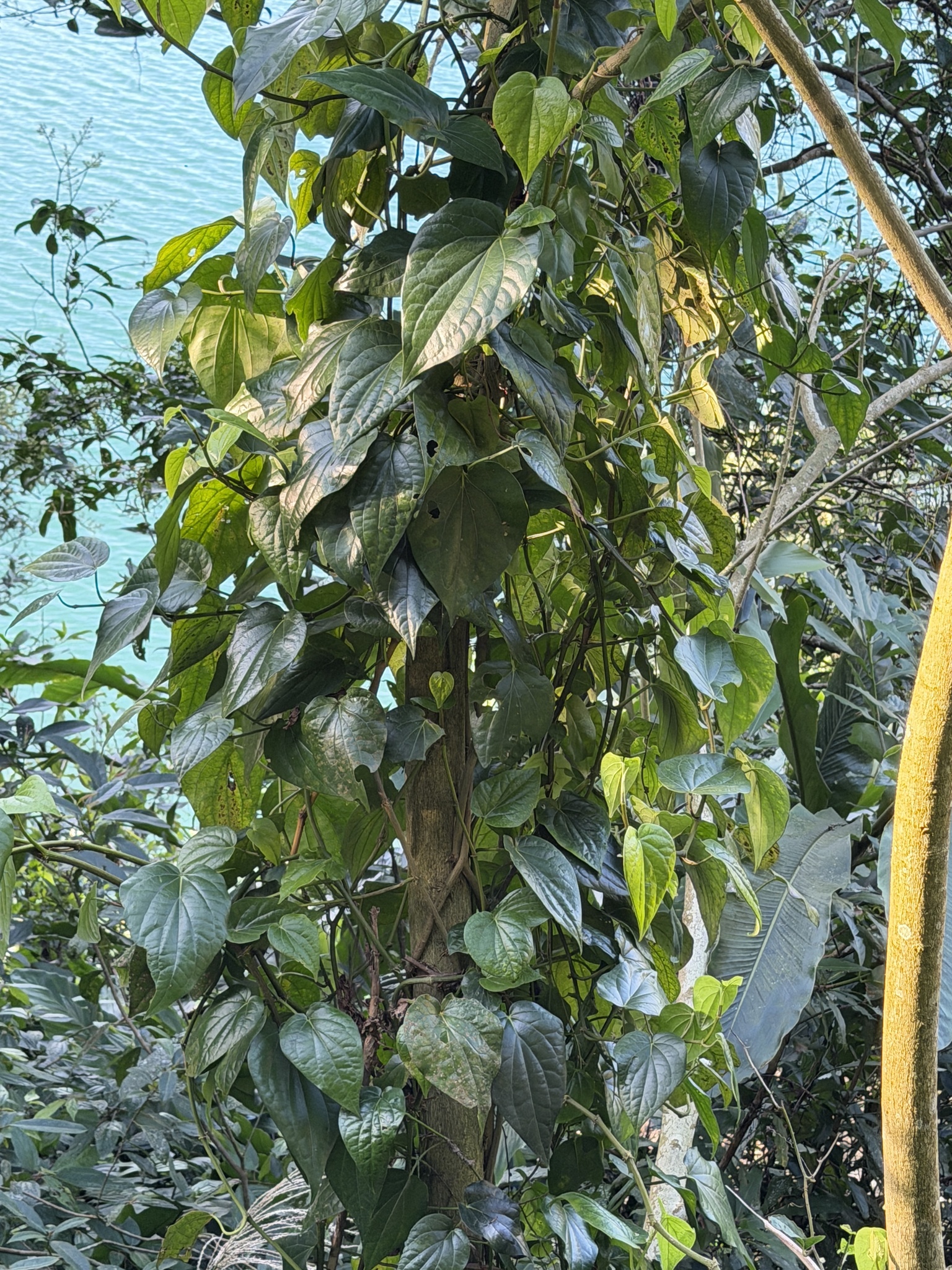
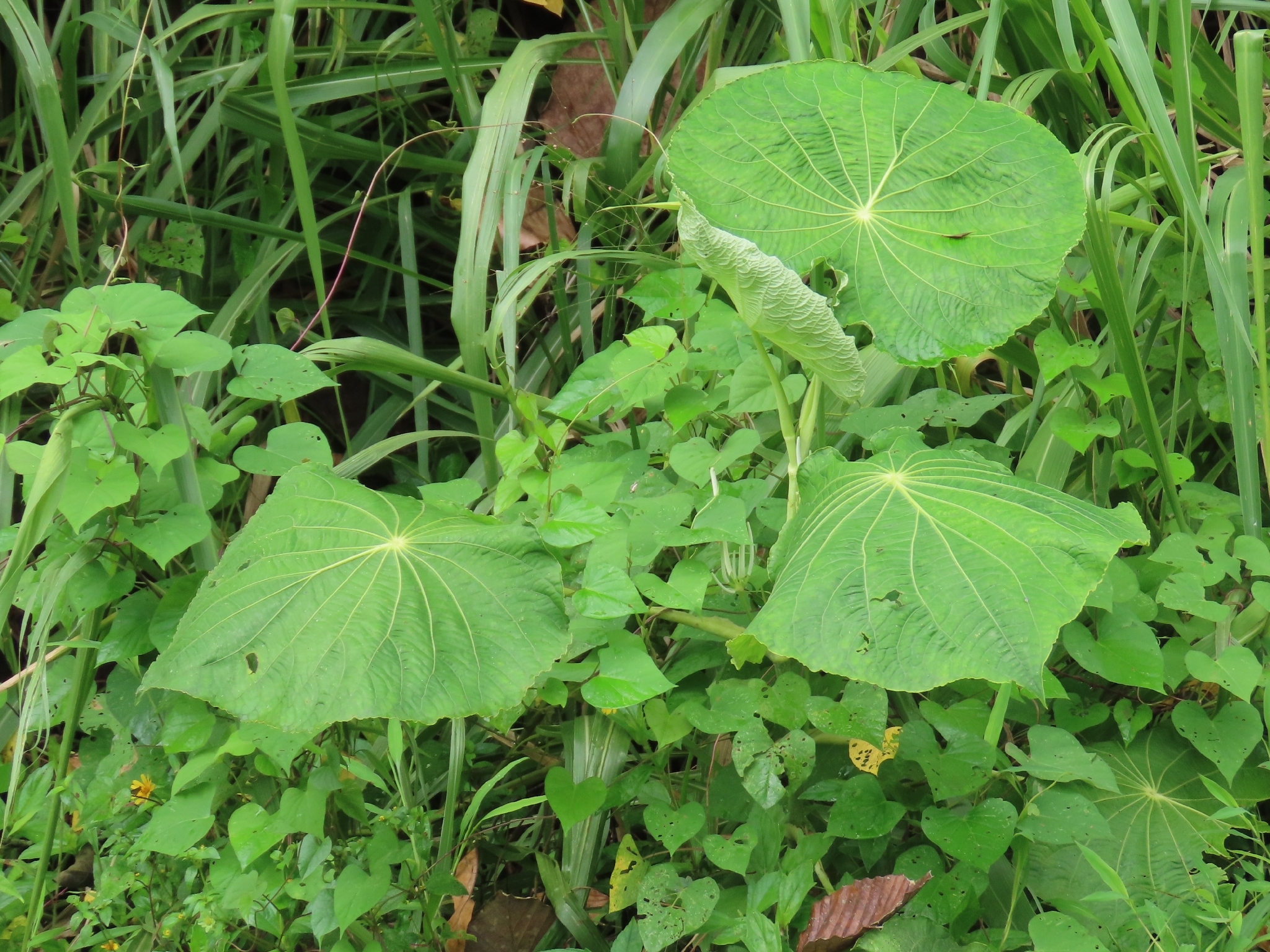
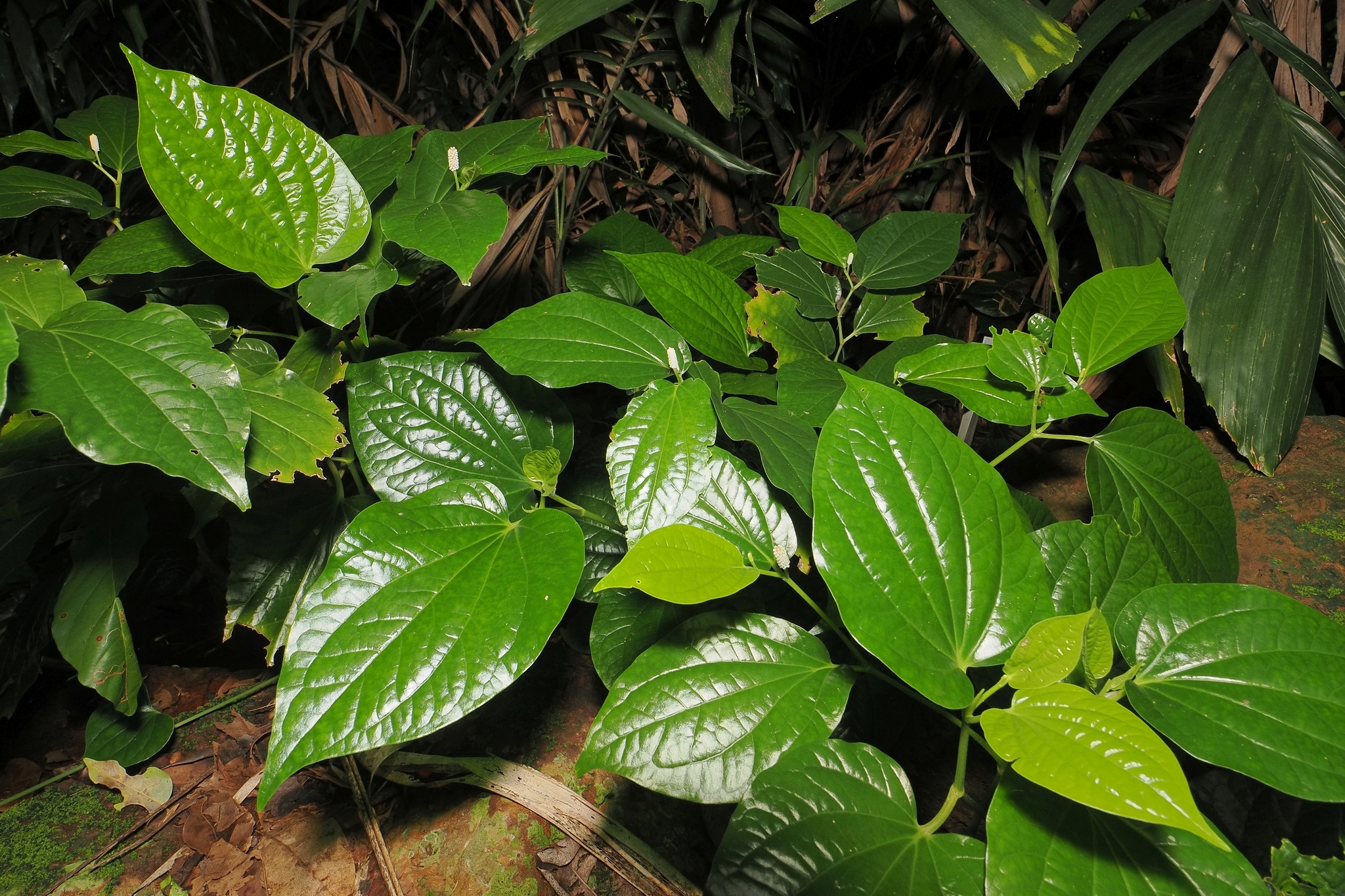
Piper tuberculatum is a species of flowering plant in the Piperaceae family, commonly known by its scientific name. This plant is recognized for its distinctive morphology and its presence within specific ecological niches. As a member of the Piper genus, it shares characteristics with other pepper plants, though its specific traits set it apart. Physically, Piper tuberculatum is typically an erect or scandent shrub, often reaching heights of up to 2 meters. Its stems are generally smooth and somewhat woody. The leaves are a prominent feature, being ovate to broadly ovate in shape, with a length typically ranging from 8 to 20 centimeters and a width of 5 to 15 centimeters. The leaf surface is often glabrous, meaning it lacks hairs, and the venation is palmate, with several prominent veins radiating from the base. The margins of the leaves are entire, or smooth. The inflorescences are axillary spikes, bearing numerous small flowers. The fruits are drupes, which are fleshy and often develop into small, berry-like structures, typically black or dark brown when mature. These fruits are borne in dense spikes. The native distribution of Piper tuberculatum is primarily in the Neotropics, with documented occurrences across various South American countries, including Brazil and Peru. It thrives in humid tropical forests, often found growing in the understory or along forest edges. Its natural habitat is characterized by warm temperatures, high humidity, and well-drained soils, often rich in organic matter. While not widely cultivated as a commercial crop, its ornamental potential and ecological role are of interest. Cultivation requirements, where attempted, would necessitate a warm, humid environment with partial shade and consistent moisture, mimicking its native conditions. While extensive documentation on specific ethnobotanical or economic uses for Piper tuberculatum is limited in readily accessible scientific literature, plants within the Piper genus are historically significant for various applications. Some Piper species are known for their medicinal properties, while others are sources of spices. However, any such uses must be attributed to specific species and scientifically verified. For Piper tuberculatum, detailed research into its pharmacological or culinary applications is not widely established in general botanical resources. An interesting characteristic of Piper tuberculatum, and indeed many plants in the Piperaceae family, is their adaptation to shaded, humid forest environments. The broad leaves are efficient at capturing the limited sunlight that penetrates the forest canopy. The production of drupes suggests a dispersal strategy involving frugivores, animals that consume fruits and then spread the seeds. Further detailed ecological studies would be needed to fully elucidate its specific interactions within its ecosystem.

Photograph © Leonardo Álvarez-Alcázar · CC-BY-NC

Piper Tuberculatum Care Summary

At-a-glance light, water, soil, and growing conditions from plant data

Light

Bright indirect light

75% intensity

Avoid direct sunlight which can scorch leaves.

Watering

Keep soil moist

75% intensity

Allow top layer to dry slightly between waterings. Reduce in winter.

Soil

Well-drained

50% intensity

Temperature

Average to warm

75% intensity

Ideal range is 18-24°C. Protect from cold drafts.

Fertilizing

Moderate

50% intensity

Feed monthly during growing season with diluted balanced liquid fertilizer.

Piper Tuberculatum Toxicity

Safety information from plant toxicity data

Toxicity details for Piper Tuberculatum
AttributeValue
Toxic for humansNo

0/5 intensity

Toxic for petsNo

0/5 intensity

EdibleNo

Piper Tuberculatum Quick Facts

Key traits and growing stats from plant data

Plant Type
Shrub, Vine
Plant Category
Ornamental
Plant Place Type
Garden, Pot
Lifespan
Perennial
Plant Height
300-600 cm
Spread
100-200 cm
Growth Rate
Moderate
Dormancy
None
Leaf Color
Green
Leaf Type
Simple
Flower Size
2-3 mm
Optimal Sunlight Lux
1500

Care guide for Piper Tuberculatum

Watering, pruning, propagation, and repotting details from plant data

Water

Keep the soil consistently moist but not waterlogged. Allow the top 2-3 cm of soil to dry out slightly between waterings. Reduce watering frequency during cooler months to prevent root rot.

Ensure good drainage to avoid standing water.

Pruning

Prune to maintain shape and encourage bushier growth. Trim back leggy stems in spring or early summer. Remove any dead, damaged, or diseased branches promptly. Pruning also helps to manage the plant's size.

Propagation

Propagate via stem cuttings taken in spring or summer. Cut a healthy stem just below a node, remove lower leaves, and dip the cut end in rooting hormone.

Plant in moist potting mix and keep in a warm, humid environment until roots form.

Repotting

Repot every 1-2 years, or when the plant becomes root-bound. Choose a pot that is slightly larger than the current one. Use a well-draining potting mix. Repot in spring for the best results.

Identify plants like this with ePlant

Snap a photo to get care tips and match similar species on the go.

Try for Free

Flowering & Fruiting Cycles

Monthly activity intensity for bloom and fruit across both hemispheres.

Northern hemisphere

Flowering & fruiting calendar

Peak bloom · JulPeak fruit · Jul
FloweringFruiting
02468JanFebMarAprMayJunJulAugSepOctNovDecActivity intensityMonths56
Southern hemisphere

Flowering & fruiting calendar

Peak bloom · JunPeak fruit · Jun
FloweringFruiting
02468JanFebMarAprMayJunJulAugSepOctNovDecActivity intensityMonths56

Piper Tuberculatum Names & Synonyms

Common names and botanical synonyms

Common Names

  • Cigarette Plant
  • Monkey Pepper

Synonyms

  • Artanthe beecheyana Miq.
  • Artanthe decurrens Miq.
  • Artanthe tuberculata (Jacq.) Miq.
  • Piper cujabanum Silva Manso ex Miq.
  • Piper linkii A.Dietr.
  • Piper nutans Opiz
  • Piper santo-domingense Trel.
  • Piper yurimaguasanum Trel.
  • Steffensia tuberculata (Jacq.) Kunth

Piper Tuberculatum Taxonomy

Botanical classification

Taxonomic classification of Piper Tuberculatum
RankName
kingdomPlantae
divisionTracheophyta
classMagnoliopsida
orderPiperales
familyPiperaceae
genusPiper
speciesPiper tuberculatum

Piper Tuberculatum FAQs

Answers based on plant encyclopedia data

What are the ideal growing conditions for Piper tuberculatum?

Piper tuberculatum prefers well-draining soil, partial shade to full shade, and consistent moisture. It thrives in warm, humid environments.

How should Piper tuberculatum be watered?

Keep the soil consistently moist but not waterlogged. Water when the top inch of soil feels dry to the touch.

Does Piper tuberculatum need any special fertilization?

A balanced liquid fertilizer diluted to half strength, applied monthly during the growing season, can be beneficial. Over-fertilizing can lead to weak growth.

How can Piper tuberculatum be propagated?

Propagation is typically done through stem cuttings, which root easily in moist soil or water.

Is Piper tuberculatum susceptible to any pests or diseases?

It can occasionally be affected by spider mites or mealybugs, especially in dry conditions. Root rot can occur in waterlogged soil.