Pilea Spruceana (Pilea spruceana) – Benefits, Growing Guide & Care | ePlant AI
Pilea Spruceana (Pilea spruceana)
Pilea spruceana is a striking foliage plant known for its textured, patterned leaves, making it a popular houseplant.
Pilea spruceana, commonly known by its scientific name, is a captivating herbaceous perennial appreciated for its striking foliage. This species belongs to the Urticaceae family, a diverse group that includes stinging nettles, but Pilea spruceana is entirely non-stinging and is cultivated for its ornamental appeal. Its significance lies primarily in its ability to bring a unique textural and visual element to indoor plant collections and shaded garden spaces.
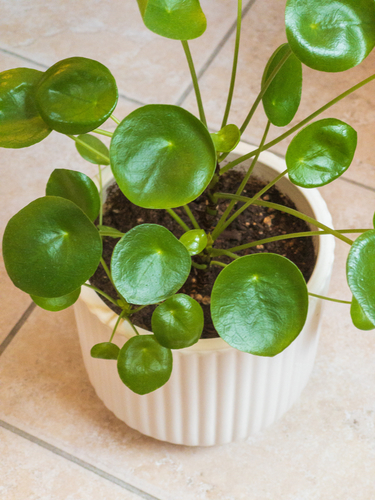
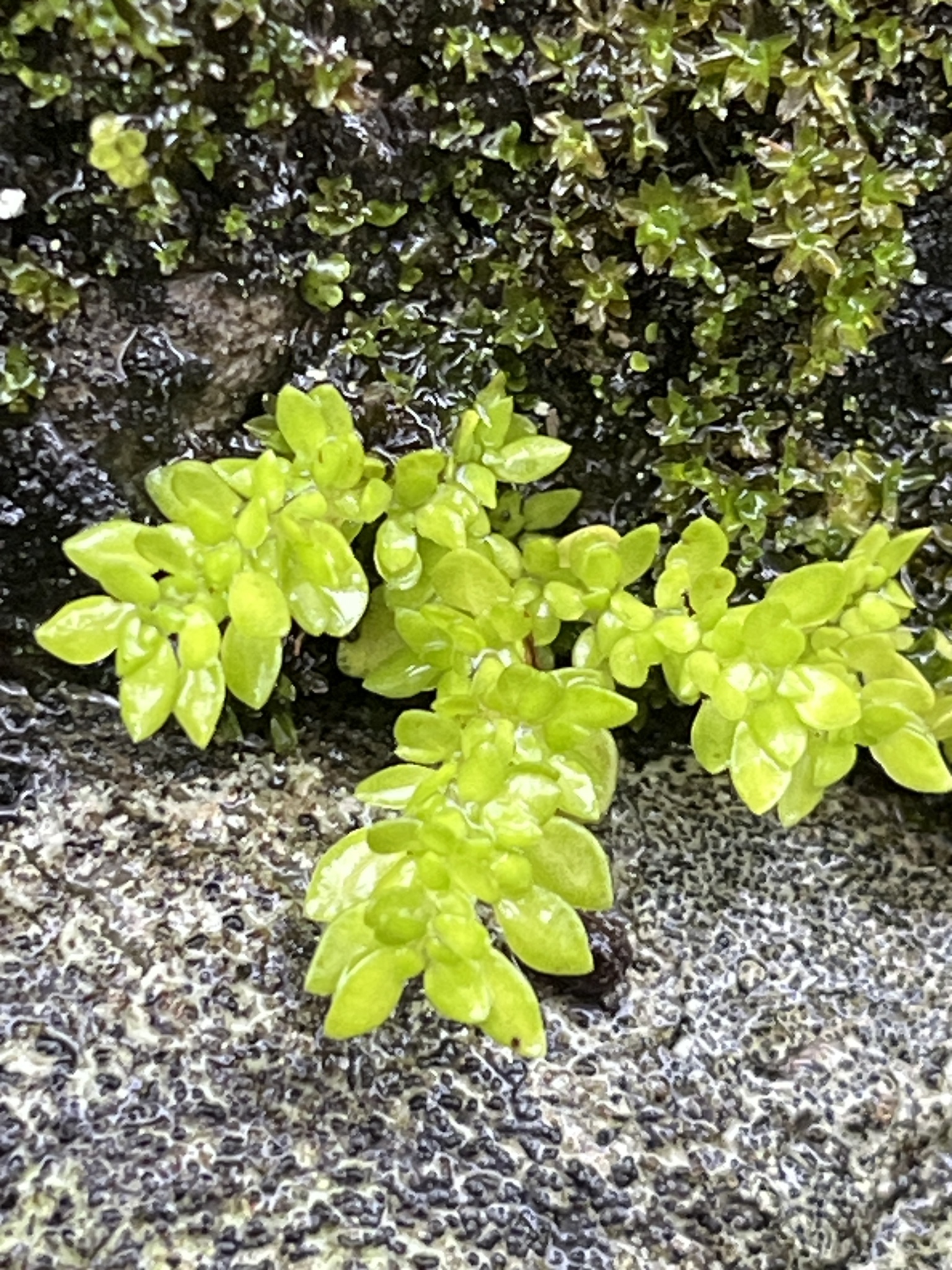
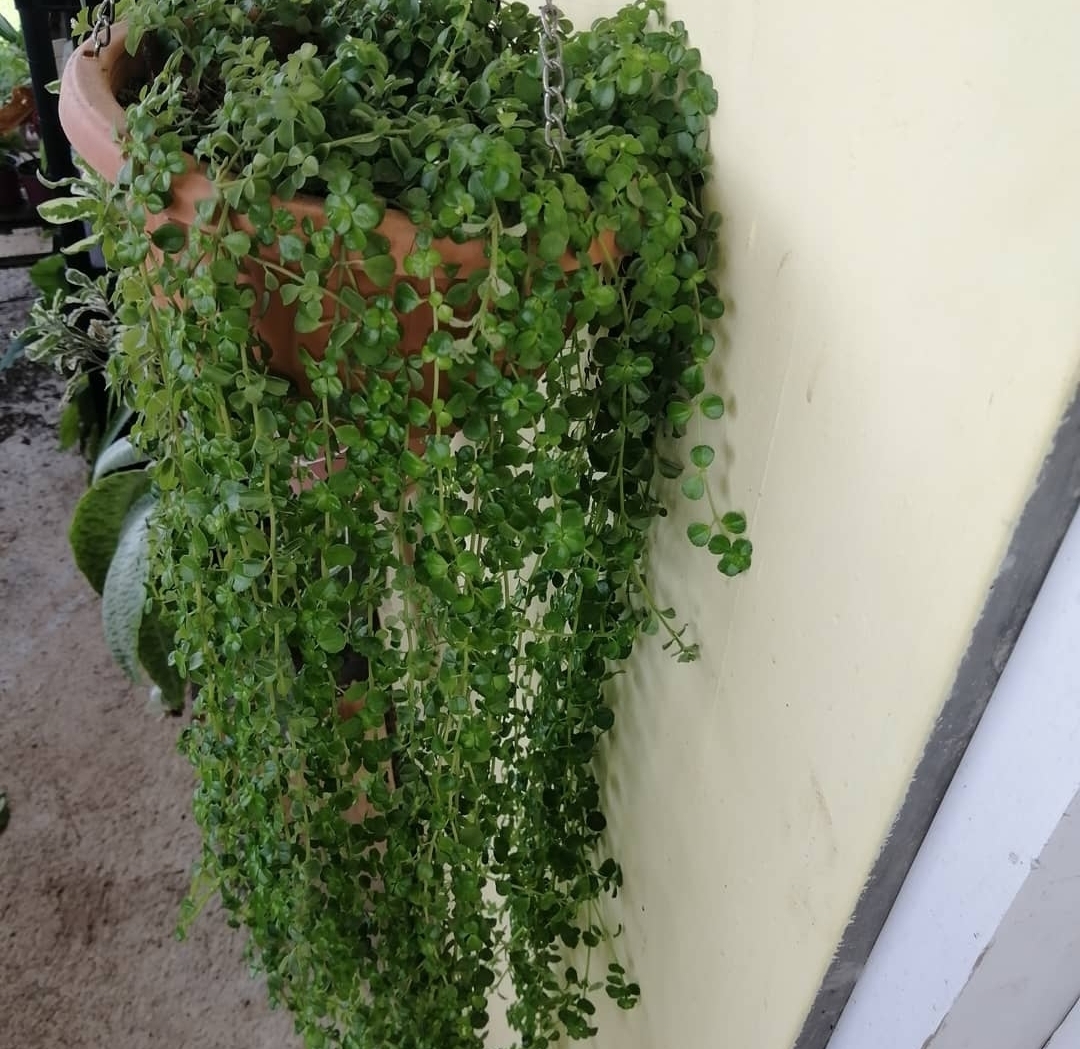
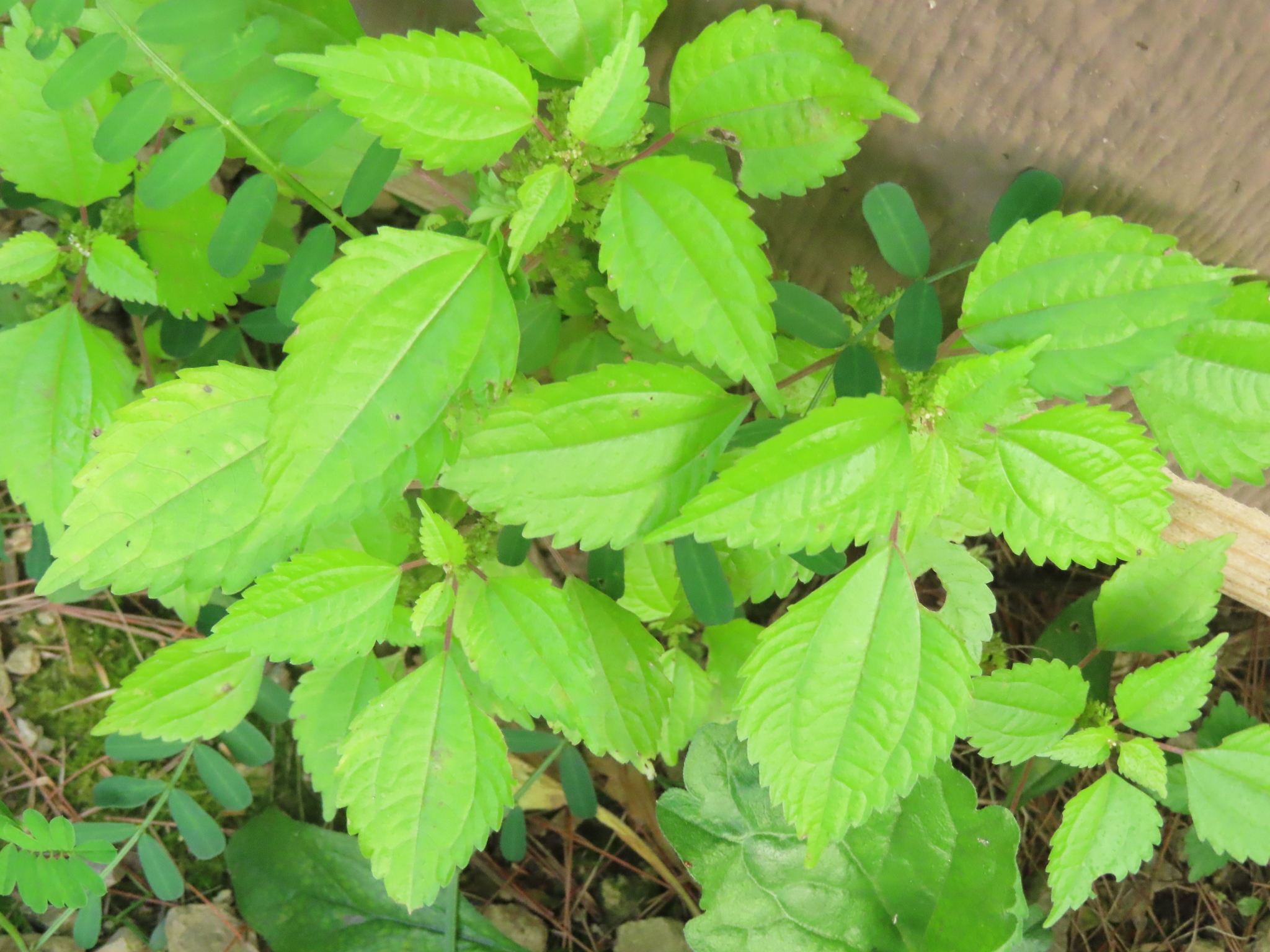
Physically, Pilea spruceana is a relatively small plant, typically reaching a height of about 15 to 30 centimeters (6 to 12 inches) and a similar spread. It exhibits a somewhat sprawling or mounding growth habit, with stems that are often reddish and slightly fuzzy. The most distinctive feature of this plant is its leaves. They are ovate to elliptic in shape, measuring approximately 5 to 10 centimeters (2 to 4 inches) in length, and possess a remarkable metallic sheen. The upper surface of the leaves is typically a deep olive green, intricately marked with silvery or bronze-colored bands that follow the prominent veins. This contrasting pattern creates a visually arresting effect, making each leaf appear almost artificially decorated. The undersides of the leaves are usually a uniform reddish-purple. Flowers and fruits are generally inconspicuous and not the primary reason for its cultivation, being small and greenish, often appearing in axillary cymes.
The native distribution of Pilea spruceana is within the tropical regions of South America, specifically found in countries like Ecuador and Peru. It thrives in its natural habitat in humid, shaded environments, often growing as an understory plant in rainforests or along stream banks. In cultivation, Pilea spruceana prefers conditions that mimic its native environment. It requires bright, indirect light; direct sunlight can scorch its delicate leaves. Well-draining, consistently moist soil is essential, but waterlogged conditions should be avoided to prevent root rot. Average room temperatures and moderate to high humidity are ideal for its optimal growth and appearance. It is a popular choice for terrariums and humid indoor environments.
While Pilea spruceana is not known for significant agricultural, medicinal, or culinary uses, its ornamental value is well-established. Its unique leaf coloration and texture make it a sought-after specimen for plant collectors and interior designers. The plant's ability to tolerate lower light conditions compared to many other foliage plants also contributes to its popularity as a houseplant, particularly in spaces where direct sun is limited.
An interesting characteristic of Pilea spruceana is the way its silvery markings catch and reflect light, enhancing its metallic appearance. This adaptation in its natural habitat may play a role in capturing limited light in the dense forest understory. The plant is also relatively easy to propagate from stem cuttings, making it accessible for enthusiasts to share and expand their collections. Its compact size and striking visual appeal ensure its continued presence as a favored ornamental species.
Well-draining potting mix, such as a peat-based mix with perlite or sand.
Temperature
Thrives in average room temperatures.
Habitat
House Plant, Indoor
Fertilizer
Feed during the growing season.
Care Requirements
Light
Prefers bright, indirect light.
Avoid direct sunlight which can scorch leaves.
Water
Keep soil consistently moist but not waterlogged.
Water when the top inch of soil feels dry.
Soil
Well-draining potting mix, such as a peat-based mix with perlite or sand.
Temperature
Thrives in average room temperatures.
Ideal range is 18-24°C. Avoid cold drafts.
Habitat
House Plant, Indoor
Fertilizer
Feed during the growing season.
Use a balanced liquid fertilizer diluted to half strength every 2-4 weeks from spring to summer.
Plant Overview
Plant Type
Herb
Plant Category
Foliage, Ornamental
Plant Place Type
Pot, Hanging
Plant Environment
House Plant, Indoor
Lifespan
Perennials
Plant Height
0.15-0.3 m
Spread
0.3-0.5 m
Growth Rate
Moderate
Dormancy
None
Leaf Color
Green, Silver, Bronze
Leaf Type
Simple
Flower Size
1-2 mm
Image Gallery
Flowering & Fruiting Cycles
Monthly activity intensity for bloom and fruit across both hemispheres.
Northern hemisphere
Flowering & fruiting calendar
Peak bloom · AugPeak fruit · Aug
FloweringFruiting
Southern hemisphere
Flowering & fruiting calendar
Peak bloom · JanPeak fruit · Jan
FloweringFruiting
Synonyms
Adicea spruceana (Wedd.) Kuntze
Taxonomy
kingdomPlantae
divisionTracheophyta
classMagnoliopsida
orderRosales
familyUrticaceae
genusPilea
speciesPilea spruceana
Toxicity
Toxic for humans
No
Rating: 0/5
Toxic for pets
No
Rating: 0/5
Edible
No
Non-toxic to pets and humans.
Additional Care Tips
Water thoroughly when the top 2-3 cm of soil is dry. Allow excess water to drain away completely. Reduce frequency in winter.
Pinch back stems to encourage bushier growth and remove any leggy or dead foliage. Pruning helps maintain a compact shape and promotes new leaf development.
Easily propagated from stem cuttings. Take 5-10 cm cuttings and root them in water or moist potting mix. New plants can be established quickly.
Repot every 1-2 years in spring when the plant becomes root-bound. Use a pot that is only slightly larger than the current one to avoid waterlogged soil.
FAQs
Why are my Pilea spruceana leaves drooping?
Drooping leaves can indicate underwatering, overwatering, or insufficient light. Check the soil moisture and adjust your watering schedule. Ensure the plant receives adequate bright, indirect light.
How often should I water Pilea spruceana?
Water when the top inch of soil feels dry to the touch. Allow excess water to drain away. It's better to underwater slightly than to overwater, which can cause root rot.
What kind of light does Pilea spruceana need?
Pilea spruceana prefers bright, indirect light. Direct sunlight can scorch its delicate leaves. It can tolerate some shade but may become leggy and lose some of its vibrant leaf coloration.
Can Pilea spruceana be propagated?
Yes, Pilea spruceana is easily propagated from stem cuttings. Take cuttings of about 5-10 cm, remove lower leaves, and root them in water or moist potting mix.
What causes brown tips on Pilea spruceana leaves?
Brown leaf tips are often caused by low humidity, inconsistent watering, or mineral buildup from tap water. Try increasing humidity, ensuring consistent moisture, and using filtered or distilled water.