Droopy Leaf Tree (Aglaia elaeagnoidea) – Care, Benefits & Growing Guide | ePlant AI
Droopy Leaf (Aglaia elaeagnoidea)
Droopy Leaf (Aglaia elaeagnoidea) is an evergreen tree or shrub native to Australia and Southeast Asia, known for its attractive foliage and small, fragrant flowers.
Aglaia elaeagnoidea, commonly known as Droopy Leaf, is a species of flowering plant in the family Meliaceae. This evergreen tree or shrub is recognized for its distinctive foliage and is a member of a diverse genus with many species found across tropical and subtropical regions. The scientific name Aglaia elaeagnoidea serves as its definitive identifier, distinguishing it from other members of the Aglaia genus.
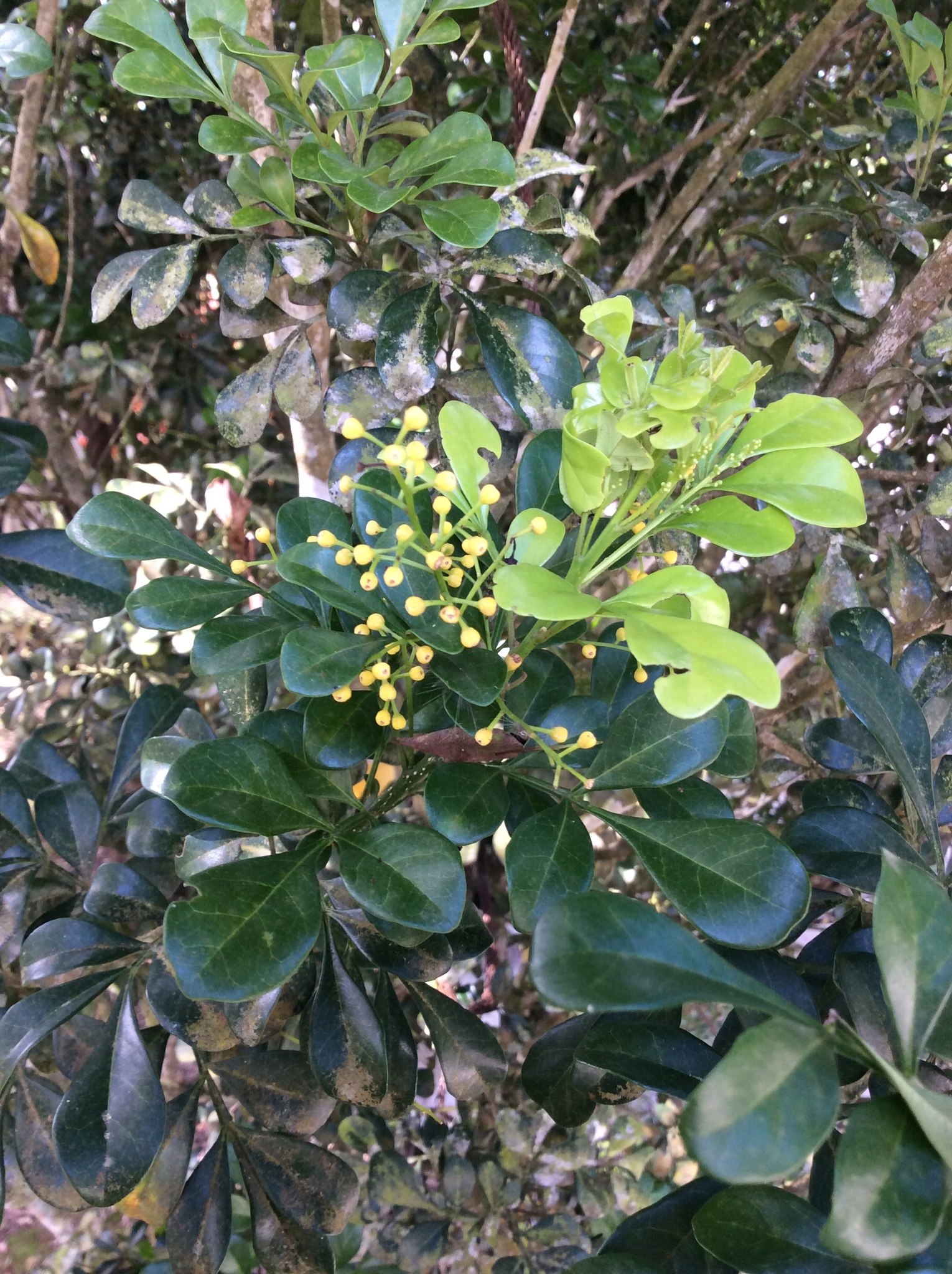
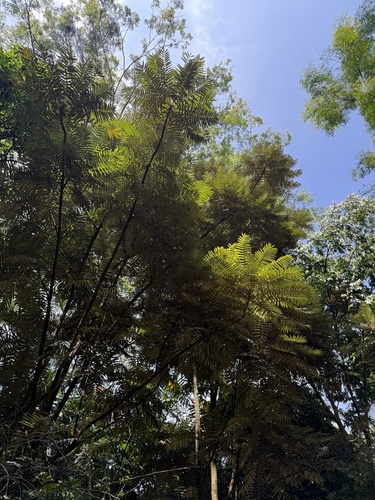
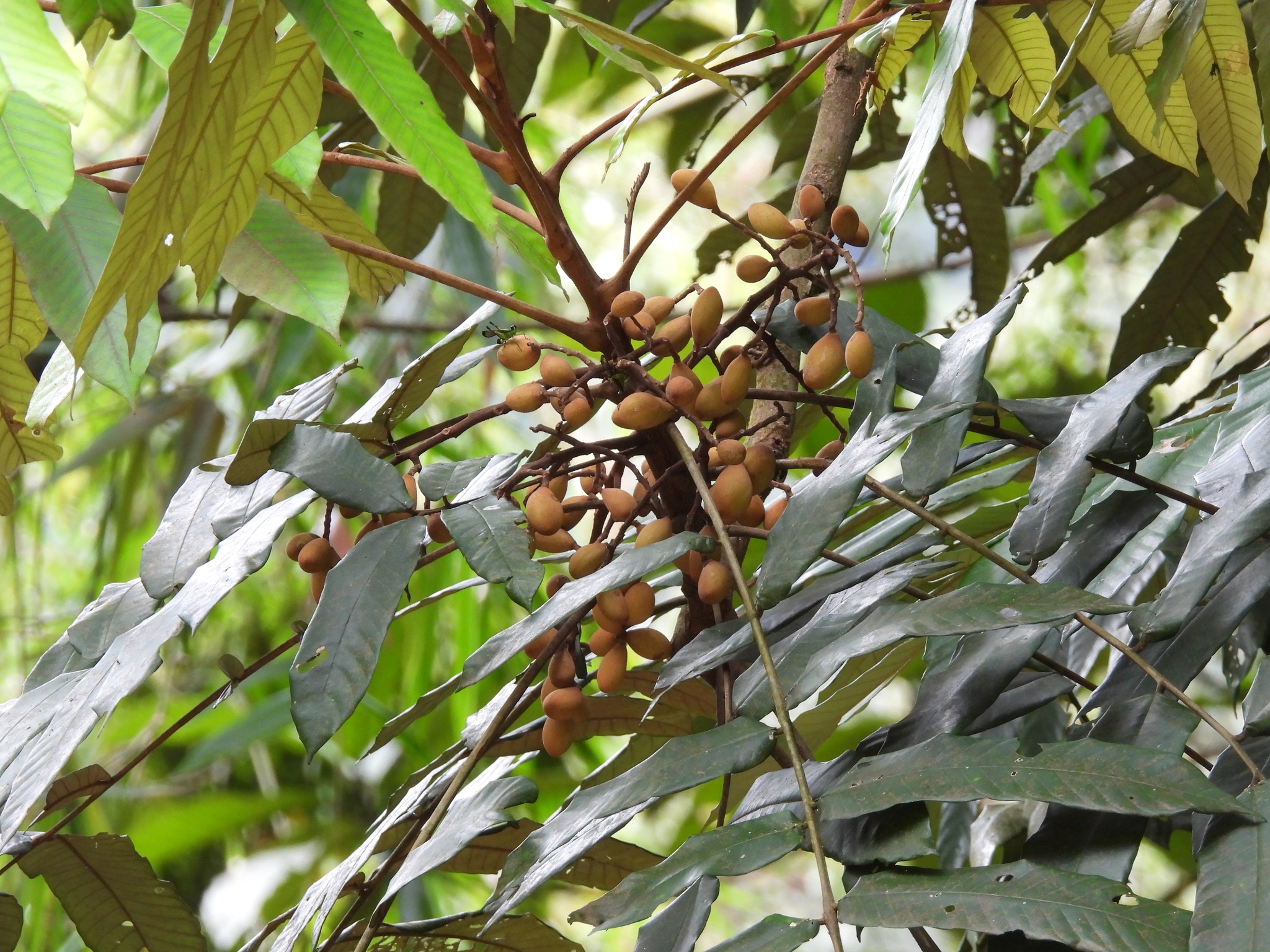
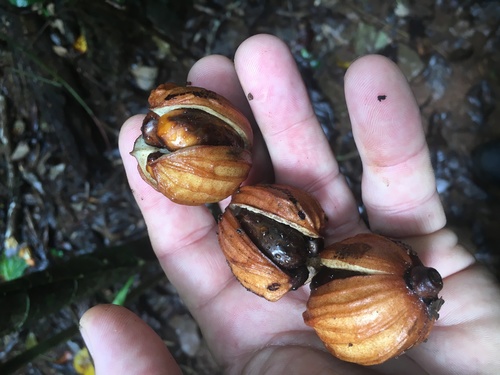
Physically, Aglaia elaeagnoidea typically presents as a small to medium-sized tree, often reaching heights of up to 15 meters, though it can also grow as a shrub. Its growth habit is generally upright. The leaves are a prominent feature, arranged alternately along the stem. They are compound, meaning each leaf is made up of several leaflets. The leaflets themselves are typically ovate to elliptic in shape, with entire or slightly toothed margins. A characteristic that contributes to its common name is the tendency for the leaflets to droop or hang downwards, giving the foliage a somewhat pendulous appearance. The bark of Aglaia elaeagnoidea is usually smooth and greyish. The flowers are small and inconspicuous, typically borne in panicles. They are usually fragrant and can be yellowish or greenish in color. Following flowering, the plant produces fruits, which are drupes. These fruits are often globose and can vary in color, sometimes appearing reddish or orange when mature, and contain seeds.
The native distribution of Aglaia elaeagnoidea spans across Southeast Asia, including countries like India, Sri Lanka, Myanmar, Thailand, and parts of Malesia. It thrives in a variety of natural habitats, often found in evergreen forests, monsoon forests, and sometimes in disturbed areas or along forest edges. It prefers well-drained soils and can tolerate a range of light conditions, from full sun to partial shade, though it often performs best in dappled sunlight. While not extensively cultivated on a large commercial scale, Aglaia elaeagnoidea is grown in botanical gardens and by plant enthusiasts for its ornamental value, particularly for its attractive foliage.
While specific documented uses for Aglaia elaeagnoidea are less widely publicized compared to some other species, plants within the Aglaia genus have a history of traditional medicinal applications in their native regions. However, any such uses must be approached with caution and are not universally established or scientifically validated for this specific species. Ecologically, like other trees, it contributes to forest structure and provides habitat for local fauna.
An interesting characteristic of Aglaia elaeagnoidea, common to many Meliaceae species, is the presence of aromatic compounds within its tissues, contributing to its fragrance. The structure of its leaves, with their drooping leaflets, may be an adaptation to manage sunlight exposure or water loss in its native environment. The production of drupes suggests a dispersal strategy involving animals that consume the fruit.
Water moderately, allowing soil to dry slightly between waterings.
Soil
Well-draining soil is essential. Prefers loamy or sandy soils with good aeration.
Temperature
Ideal growing range is 18-25°C.
Habitat
Outdoor, Greenhouse
Fertilizer
Feed with a balanced fertilizer during the growing season.
Care Requirements
Light
Prefers full sun to partial shade.
Avoid intense afternoon sun in hot climates.
Water
Water moderately, allowing soil to dry slightly between waterings.
Reduce in winter.
Soil
Well-draining soil is essential. Prefers loamy or sandy soils with good aeration.
Temperature
Ideal growing range is 18-25°C.
Can tolerate brief dips but avoid frost.
Habitat
Outdoor, Greenhouse
Fertilizer
Feed with a balanced fertilizer during the growing season.
Reduce or stop in winter.
Plant Overview
Plant Type
Tree, Shrub
Plant Category
Foliage, Ornamental
Plant Place Type
Ground, Garden, Pot
Plant Environment
Outdoor, Greenhouse
Lifespan
Perennials
Plant Height
5-15 m
Spread
3-6 m
Growth Rate
Moderate
Dormancy
None
Leaf Color
Green
Leaf Type
Compound, Pinnate
Flower Size
0.5 cm
Image Gallery
Flowering & Fruiting Cycles
Monthly activity intensity for bloom and fruit across both hemispheres.
Northern hemisphere
Flowering & fruiting calendar
Peak bloom · MayPeak fruit · May
FloweringFruiting
Southern hemisphere
Flowering & fruiting calendar
Peak bloom · AugPeak fruit · Aug
FloweringFruiting
Synonyms
Aglaia abbreviata C.Y.Wu
Aglaia bourdillonii Gamble
Aglaia canariifolia Koord.
Aglaia cupreolepidota Merr.
Aglaia formosana (Hayata) Hayata
Aglaia grata Wall. ex Voigt
Aglaia hoanensis Pierre
Aglaia lepidota Miq.
Aglaia midnaporensis Carey ex Voigt
Aglaia pallens (Merr.) Merr.
Aglaia parvifolia Merr.
Aglaia poilanei Pellegr.
Aglaia poulocondorensis Pellegr.
Aglaia roxburghiana (Wight & Arn.) Miq.
Aglaia spanoghei Blume ex Miq.
Aglaia talbotii Sundararagh.
Aglaia wallichii Hiern
Amoora poulocondorensis (Pellegr.) Harms
Milnea roxburghiana Wight & Arn.
Nemedra elaeagnoidea A.Juss.
Taxonomy
kingdomPlantae
divisionTracheophyta
classMagnoliopsida
orderSapindales
familyMeliaceae
genusAglaia
speciesAglaia elaeagnoidea
Toxicity
Toxic for humans
No
Rating: 0/5
Toxic for pets
No
Rating: 0/5
Additional Care Tips
Water consistently, especially during dry periods. Avoid waterlogged conditions, which can lead to root rot.
Prune to shape the plant, remove dead or damaged branches, and encourage bushier growth. Light pruning can be done anytime, with heavier pruning in late winter or early spring.
Easily propagated from seeds sown in spring or from semi-hardwood cuttings taken in summer. Seeds may require stratification.
Repot young plants annually or every two years in spring. Mature plants can be repotted less frequently, only when root-bound.
FAQs
What is the mature size of Aglaia elaeagnoidea?
Aglaia elaeagnoidea typically reaches a height of 5-15 meters with a spread of 3-6 meters, functioning as a medium to large shrub or small tree.
Does Aglaia elaeagnoidea require special soil conditions?
This plant thrives in well-draining soil. Loamy or sandy soils that offer good aeration are ideal, preventing waterlogging which can harm the roots.
When is the best time to prune Aglaia elaeagnoidea?
Pruning is best performed in late winter or early spring before the main growth spurt. This helps shape the plant and remove any winter damage.
Is Aglaia elaeagnoidea poisonous to pets or humans?
Based on available data, Aglaia elaeagnoidea is not considered poisonous to pets or humans.
How often should I water my Droopy Leaf plant?
Water moderately, allowing the top inch of soil to dry out between waterings. Reduce watering frequency during the cooler, dormant months.