Riego
Riegue profundamente cuando la pulgada superior del suelo esté seca. La planta prefiere la humedad constante pero tolera condiciones más secas una vez establecida.
También conocido como Ārstniecības Tauksakne · Blackwort · Boneset
Nota de seguridad: Esta planta puede ser tóxica para humanos y mascotas. Ver detalles de toxicidad.
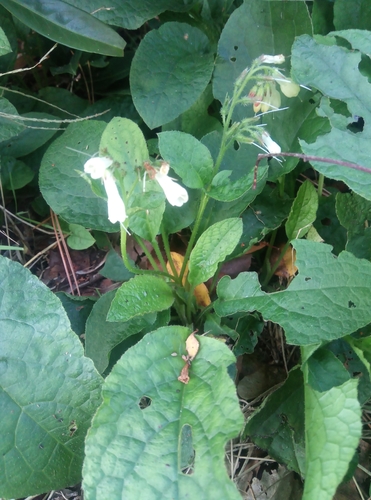
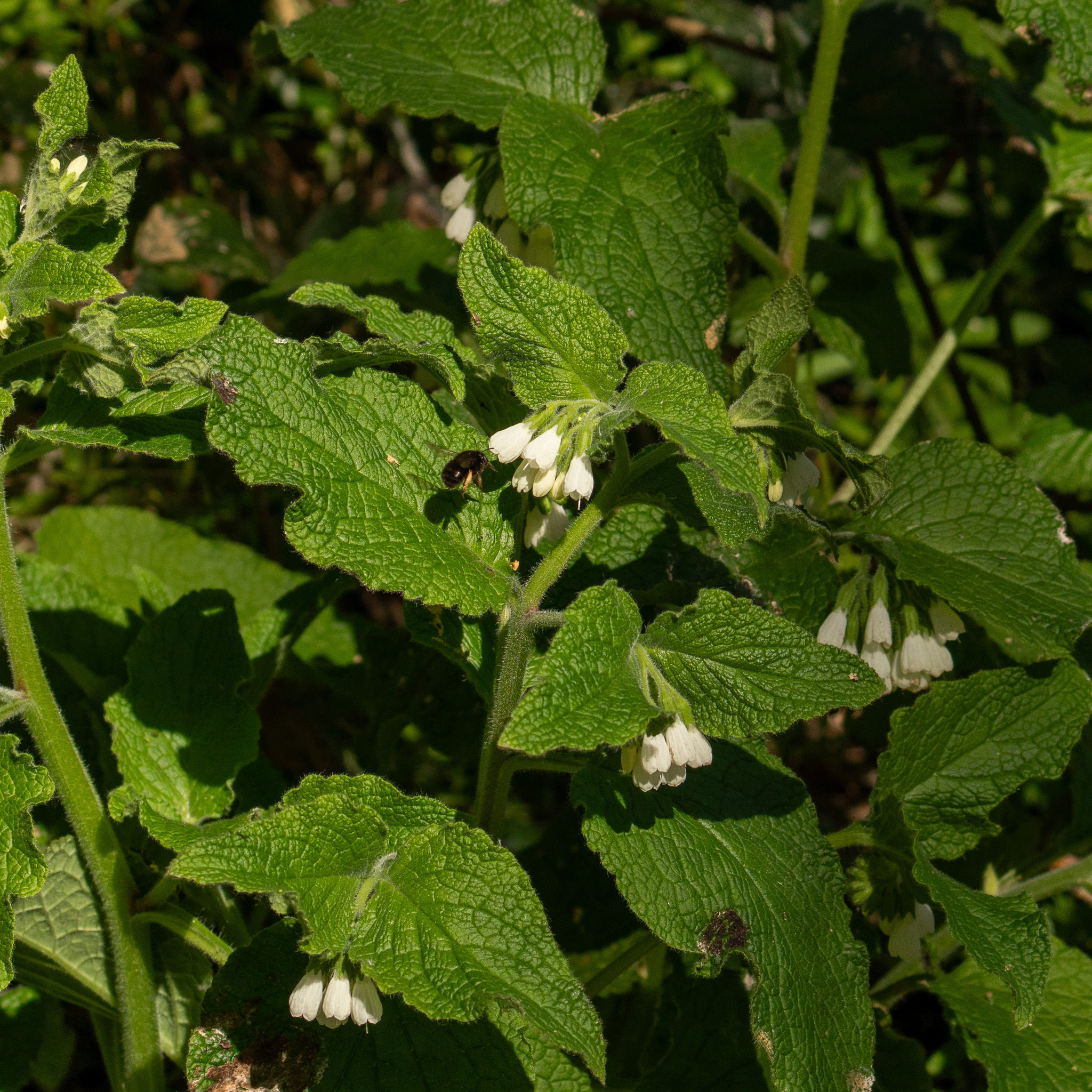
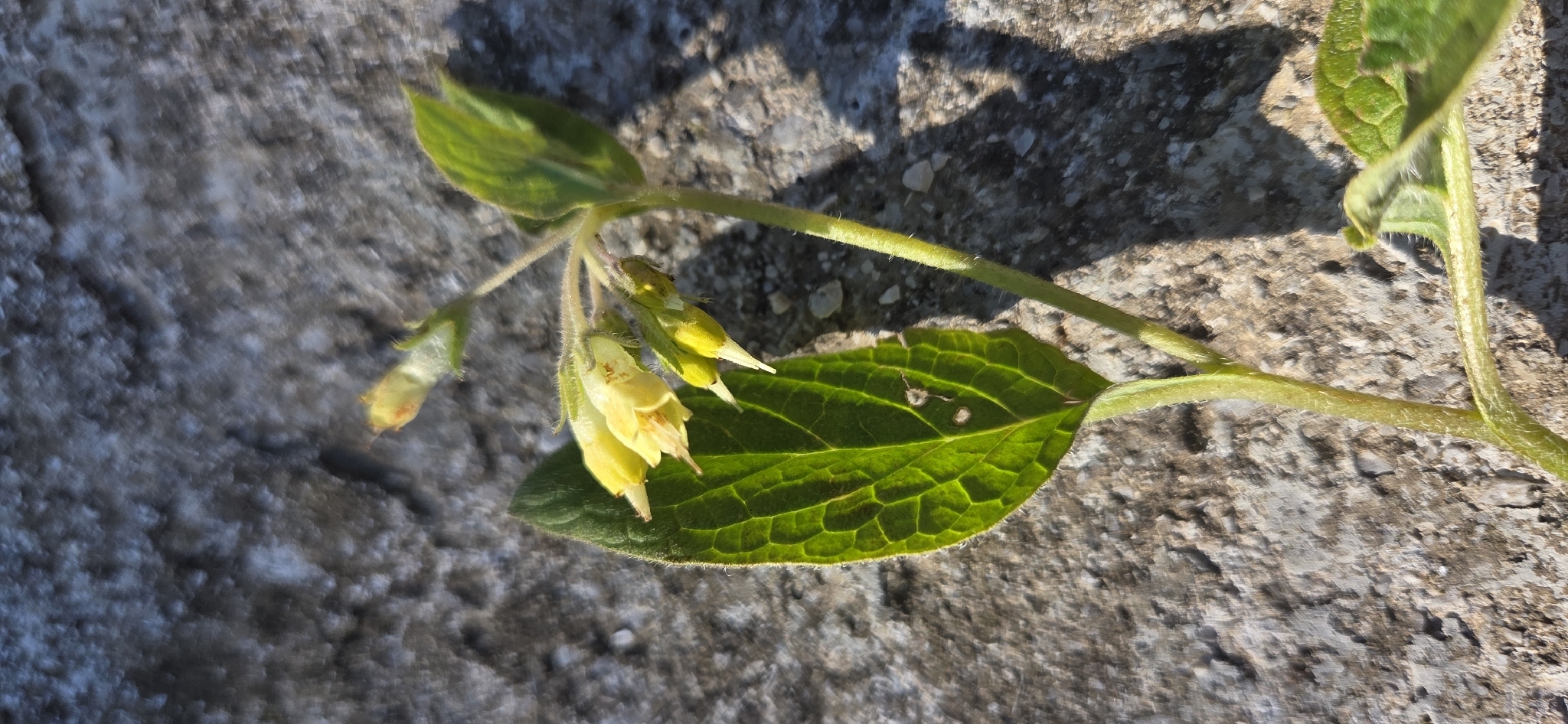
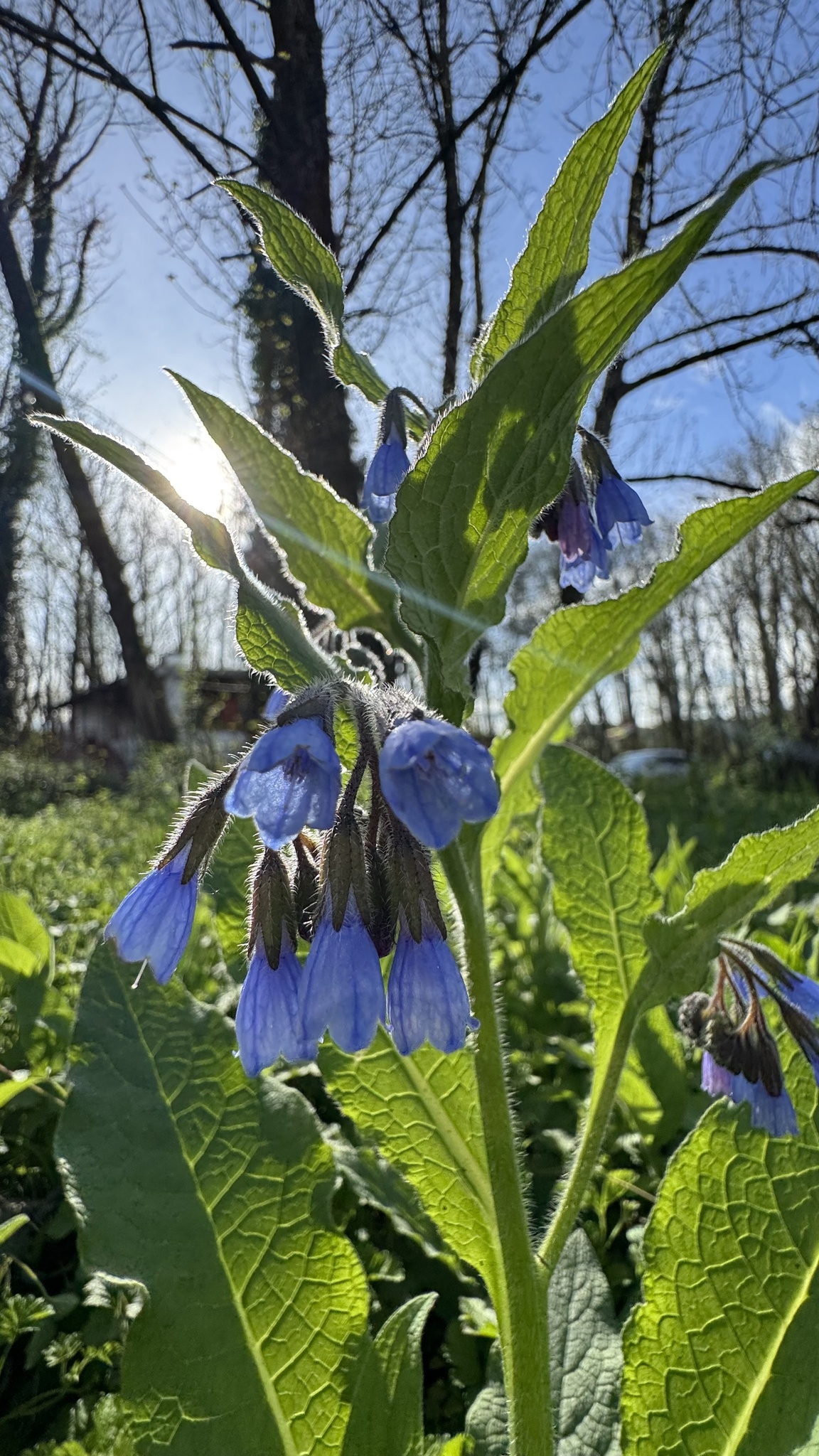
Consuelda común (Symphytum officinale) es una planta perenne robusta conocida por sus usos medicinales tradicionales y su rápido crecimiento.
A simple vista: luz, riego, suelo y condiciones de cultivo según los datos de la planta
Pleno sol a sombra parcial.
60% intensidad
Tolera una variedad de condiciones de luz.
Mantener el suelo uniformemente húmedo.
70% intensidad
Riegue profundamente cuando la pulgada superior del suelo esté seca.
Crece en una amplia gama de suelos, pero prefiere suelos húmedos, ricos y bien drenados. Tolera suelos arcillosos y pobres.
50% intensidad
Ideal entre 15-25 °C.
70% intensidad
Tolera heladas ligeras una vez establecida.
Moderada.
40% intensidad
Prefiere ambientes con humedad normal.
Fertilizar a principios de primavera.
50% intensidad
Usar fertilizante orgánico equilibrado o compost.
Información de seguridad a partir de los datos de toxicidad de la planta
| Atributo | Valor |
|---|---|
| Tóxica para humanos | Sí 5/5 intensidad |
| Tóxica para mascotas | Sí 5/5 intensidad |
| Comestible | No |
Contains pyrrolizidine alkaloids, which can cause liver damage with prolonged internal use. All parts are toxic if ingested.
Rasgos clave y estadísticas de cultivo a partir de los datos de la planta
Detalles de riego, poda, propagación y trasplante a partir de los datos de la planta
Riegue profundamente cuando la pulgada superior del suelo esté seca. La planta prefiere la humedad constante pero tolera condiciones más secas una vez establecida.
Pode después de la floración para mantener la forma y prevenir la auto-siembra excesiva. Retire las hojas muertas o dañadas según sea necesario para mantener la salud de la planta y la apariencia.
Se propaga fácilmente por división de raíces en primavera u otoño. Las semillas también se pueden sembrar en otoño o principios de primavera, aunque la germinación puede ser lenta.
Las plantas establecidas rara vez necesitan ser trasplantadas. Si es necesario, trasplante en primavera u otoño, dividiendo las matas grandes para rejuvenecerlas y controlar su tamaño.
Identifica plantas como esta con ePlant AI
Saca una foto para obtener consejos de cuidado y encontrar especies similares sobre la marcha.
Intensidad mensual de la actividad para flor y fruto en ambos hemisferios.
Calendario de floración y fructificación
Calendario de floración y fructificación
Fotos de Consuelda Común (Symphytum officinale)
Dónde se encuentra Consuelda Común (Symphytum officinale)

Density
Toca el mapa para explorar
Nombres comunes y sinónimos botánicos
Clasificación botánica
| Rango | Nombre |
|---|---|
| Reino | Plantae |
| División | Tracheophyta |
| Clase | Magnoliopsida |
| Orden | Boraginales |
| Familia | Boraginaceae |
| Género | Symphytum |
| Especie | Symphytum officinale |
Similares en el género Symphytum
Respuestas basadas en datos de la enciclopedia de plantas