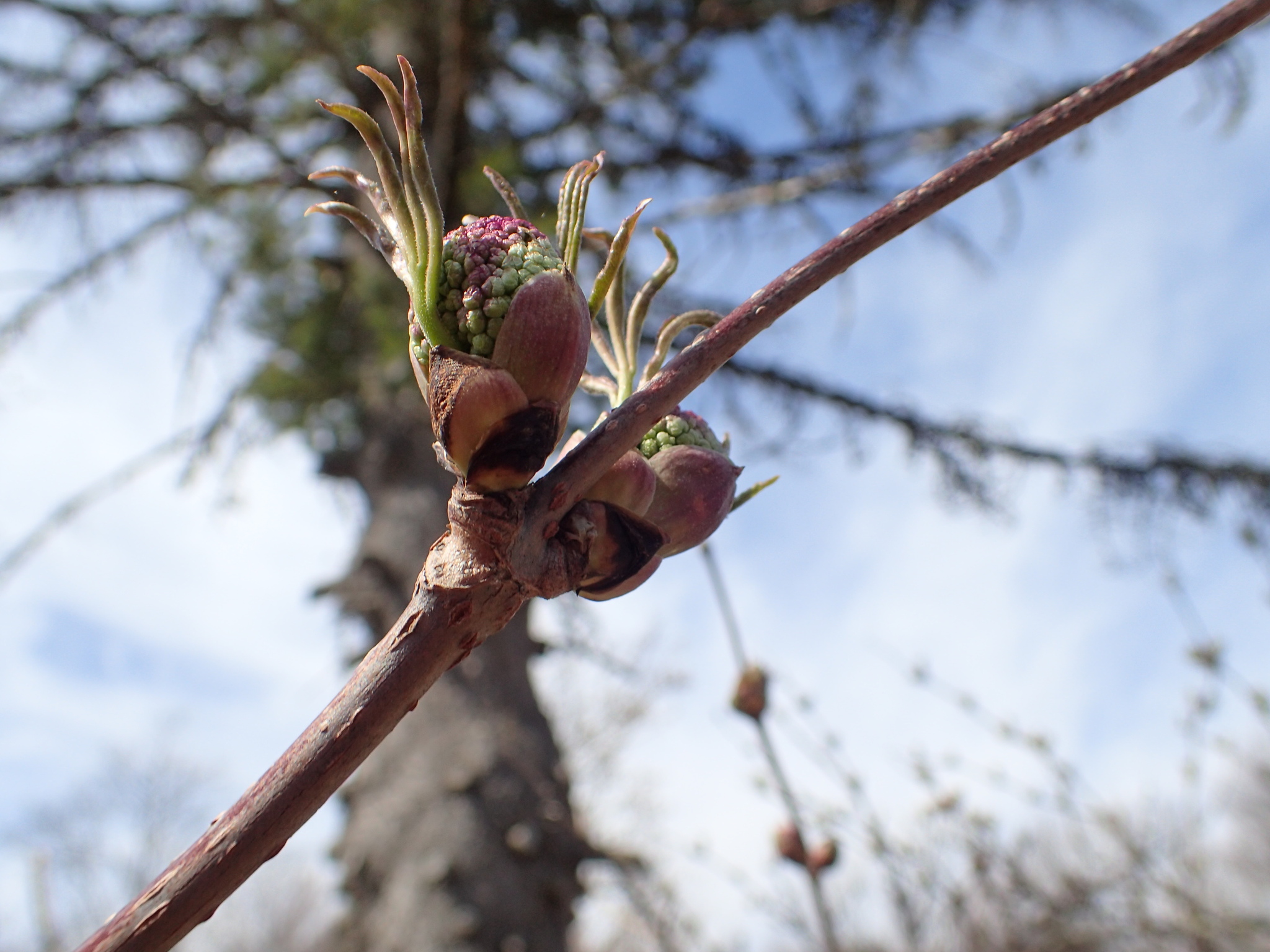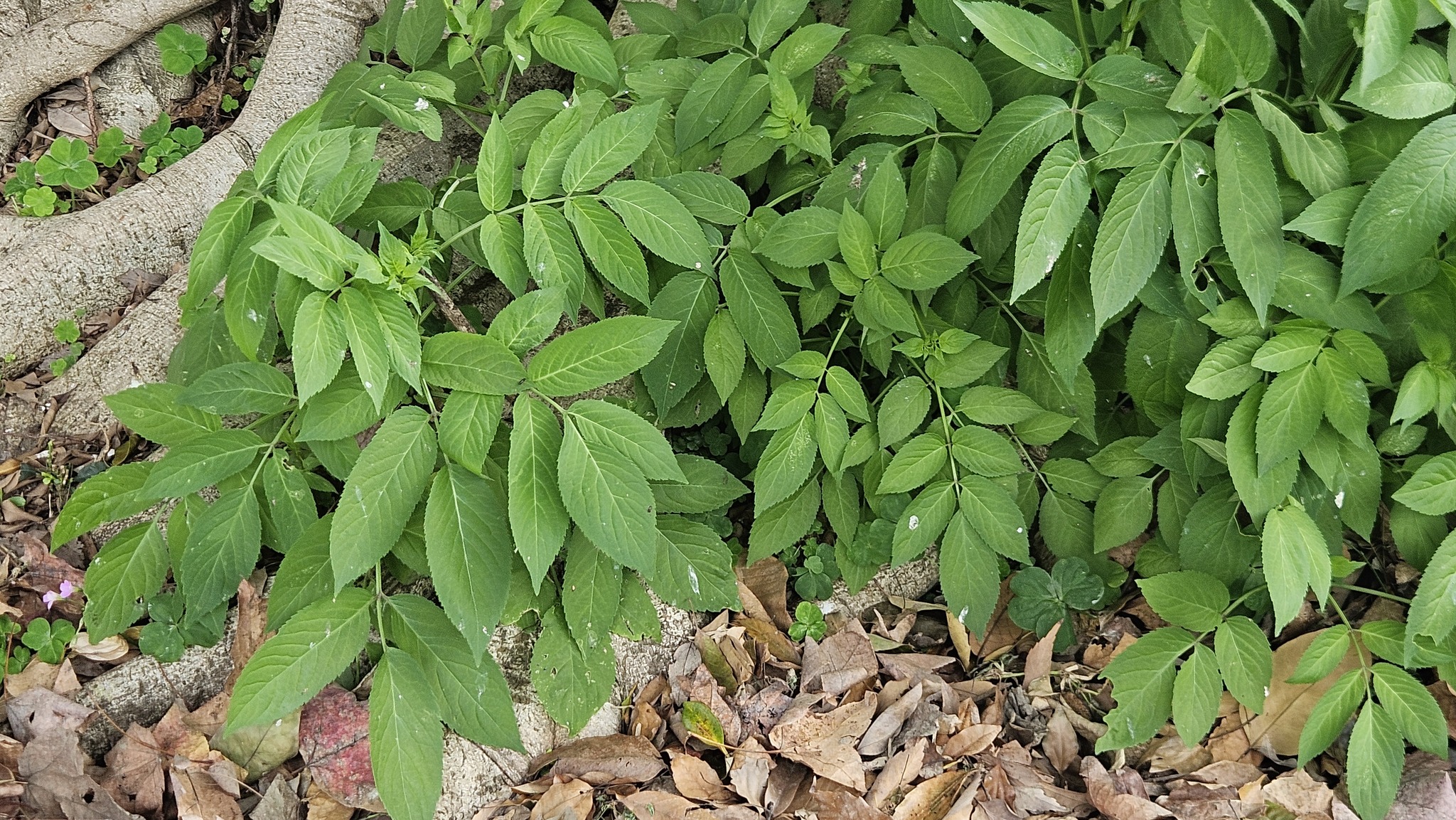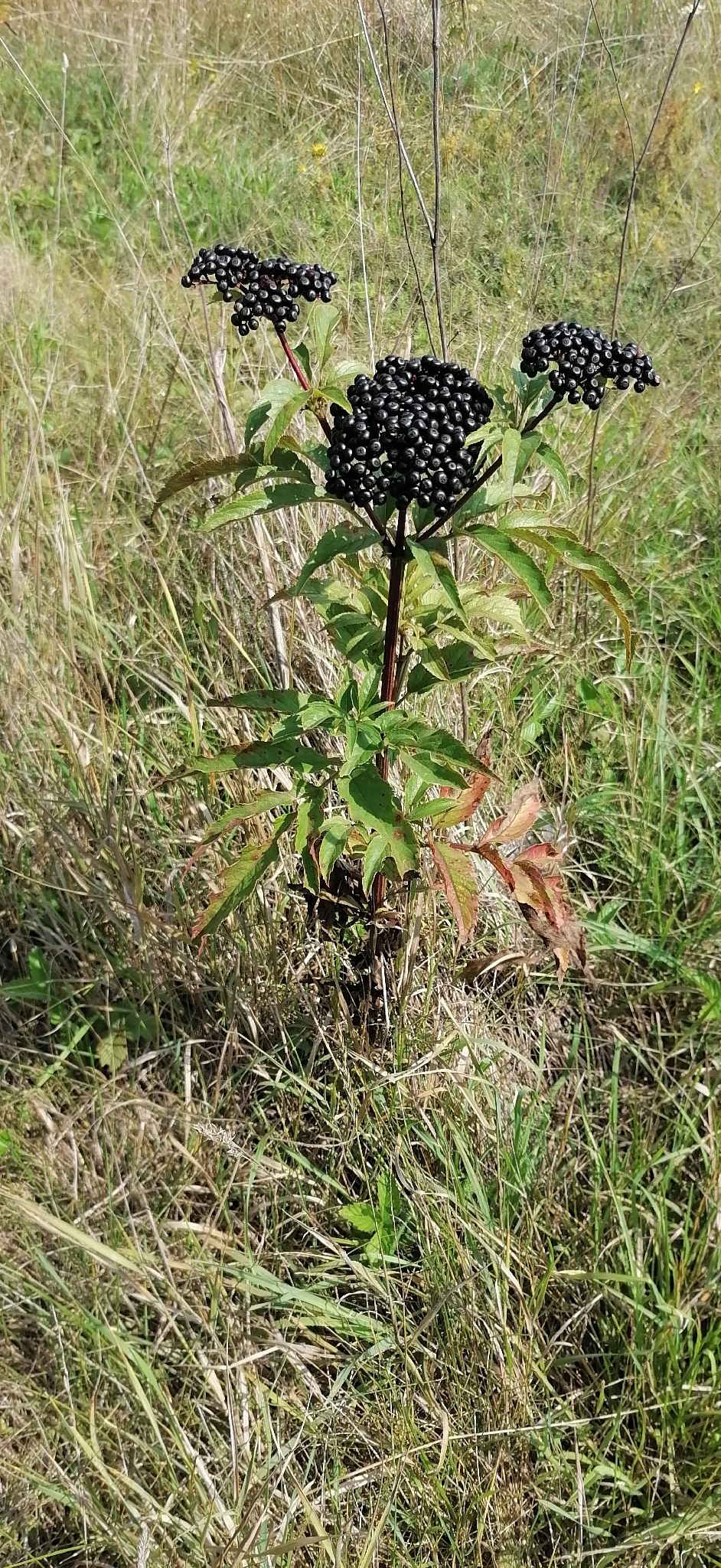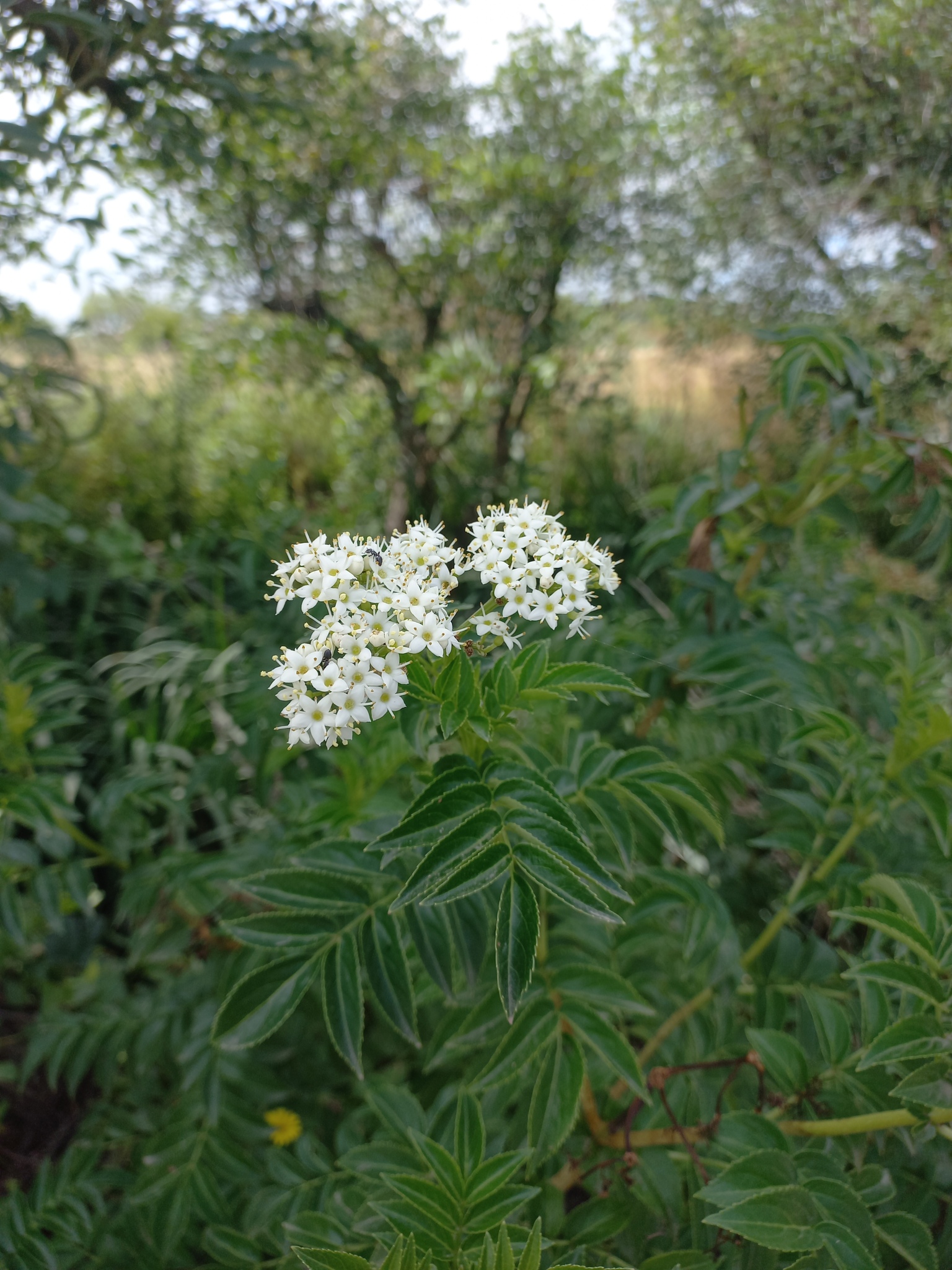
Sambucus nigra, or Elder, is a deciduous shrub or small tree native to Europe and Asia. It produces creamy-white flowers in late spring, followed by dark purple to black
Above information is sourced from Wikipedia
Sunlight
Prefers full sun for best flowering and fruiting, tolerates partial shade.
Watering
Requires consistent moisture, especially during dry periods.
Soil
Adaptable to a wide range of soils but thrives in moist, well-drained, fertile loams. Tolerates clay and sandy soils if organic matter is incorporated. Prefers a slightly acidic to neutral pH (5.5-7.0).
Temperature
Extremely hardy, tolerates a wide range of temperatures.
Habitat
Outdoor
Fertilizer
Benefits from annual fertilization in spring with balanced granular or compost.
Prefers full sun for best flowering and fruiting, tolerates partial shade.
6+ hours direct sun
Requires consistent moisture, especially during dry periods.
Evenly moist soil
Adaptable to a wide range of soils but thrives in moist, well-drained, fertile loams. Tolerates clay and sandy soils if organic matter is incorporated. Prefers a slightly acidic to neutral pH (5.5-7.0).
Extremely hardy, tolerates a wide range of temperatures.
Very cold hardy
Outdoor
Benefits from annual fertilization in spring with balanced granular or compost.
Early spring
Plant Type
Shrub, Tree
Plant Category
Flowering, Fruit, Medicinal, Ornamental
Plant Place Type
Ground, Garden
Plant Environment
Outdoor
Lifespan
Perennials
Plant Height
4-6 m
Spread
2.5-4 m
Growth Rate
Fast
Dormancy
Winter
Leaf Color
Green
Leaf Type
Pinnately compound
Flower Size
10-20 cm (inflorescence diameter)
Optimal Sunlight Lux
60000
Toxic for humans
Yes
Rating: 5/5
Toxic for pets
Yes
Rating: 7/5
Edible
Yes
All parts of the plant, except the cooked ripe berries and flowers, contain cyanogenic glycosides. Ingestion of raw berries, leaves, stems, or bark can cause nausea, vomiting, and diarrhea in humans and pets.