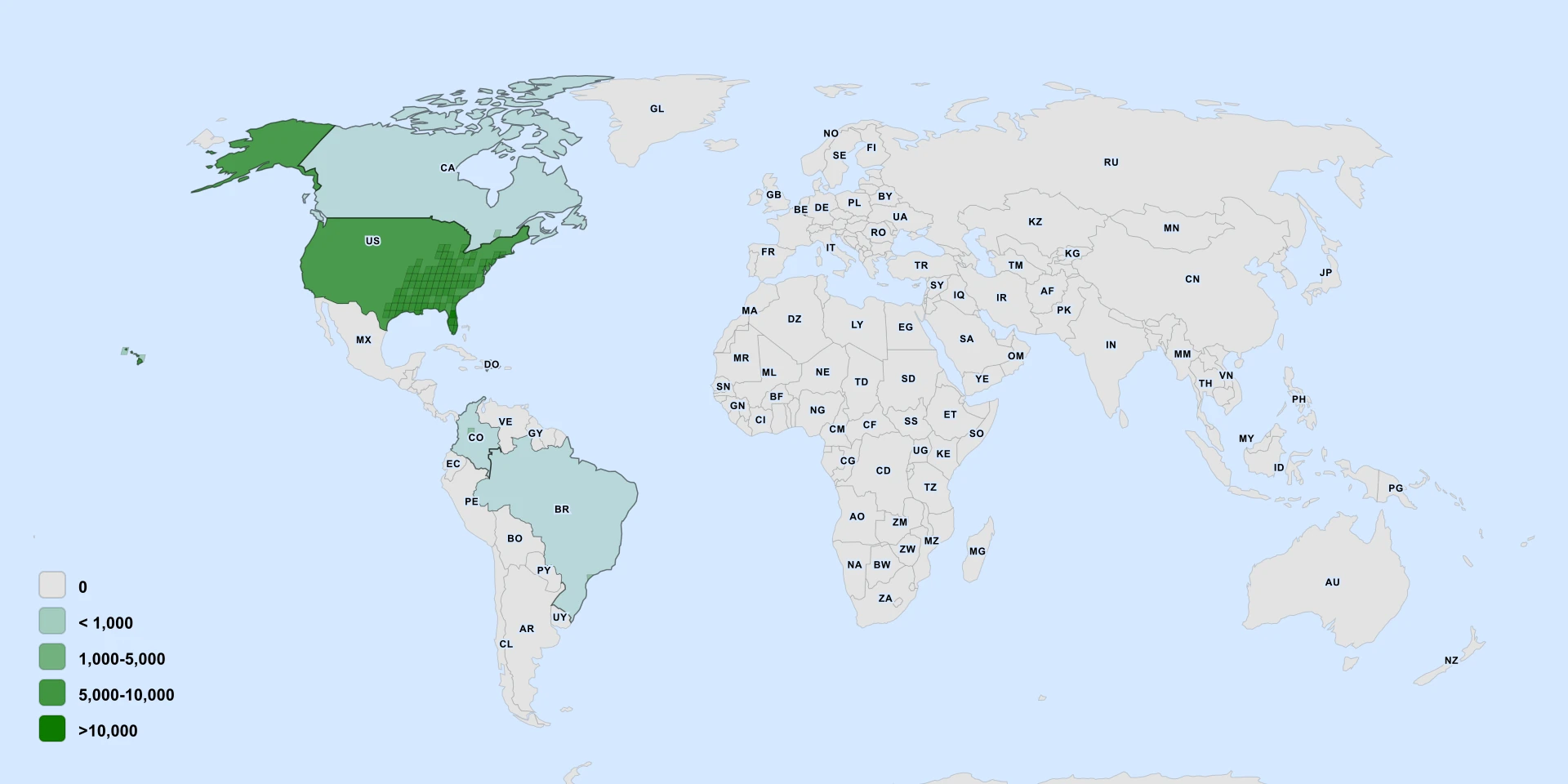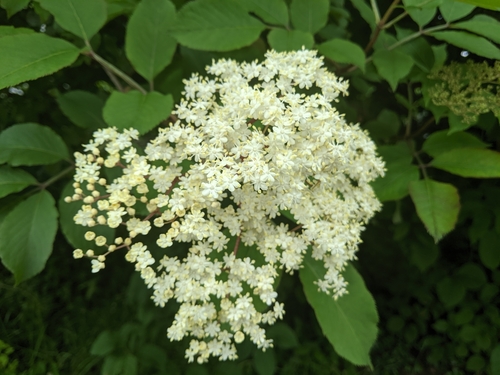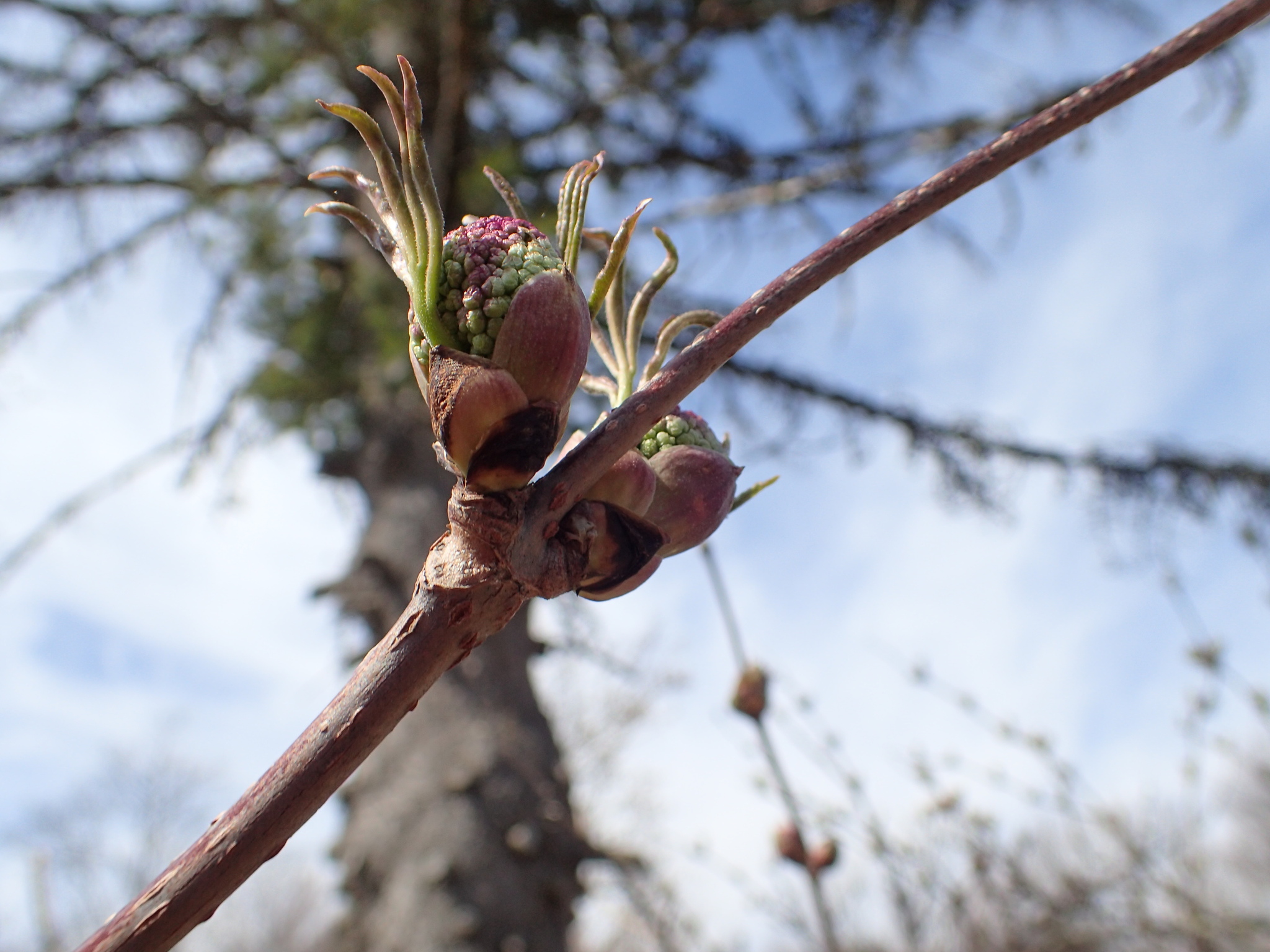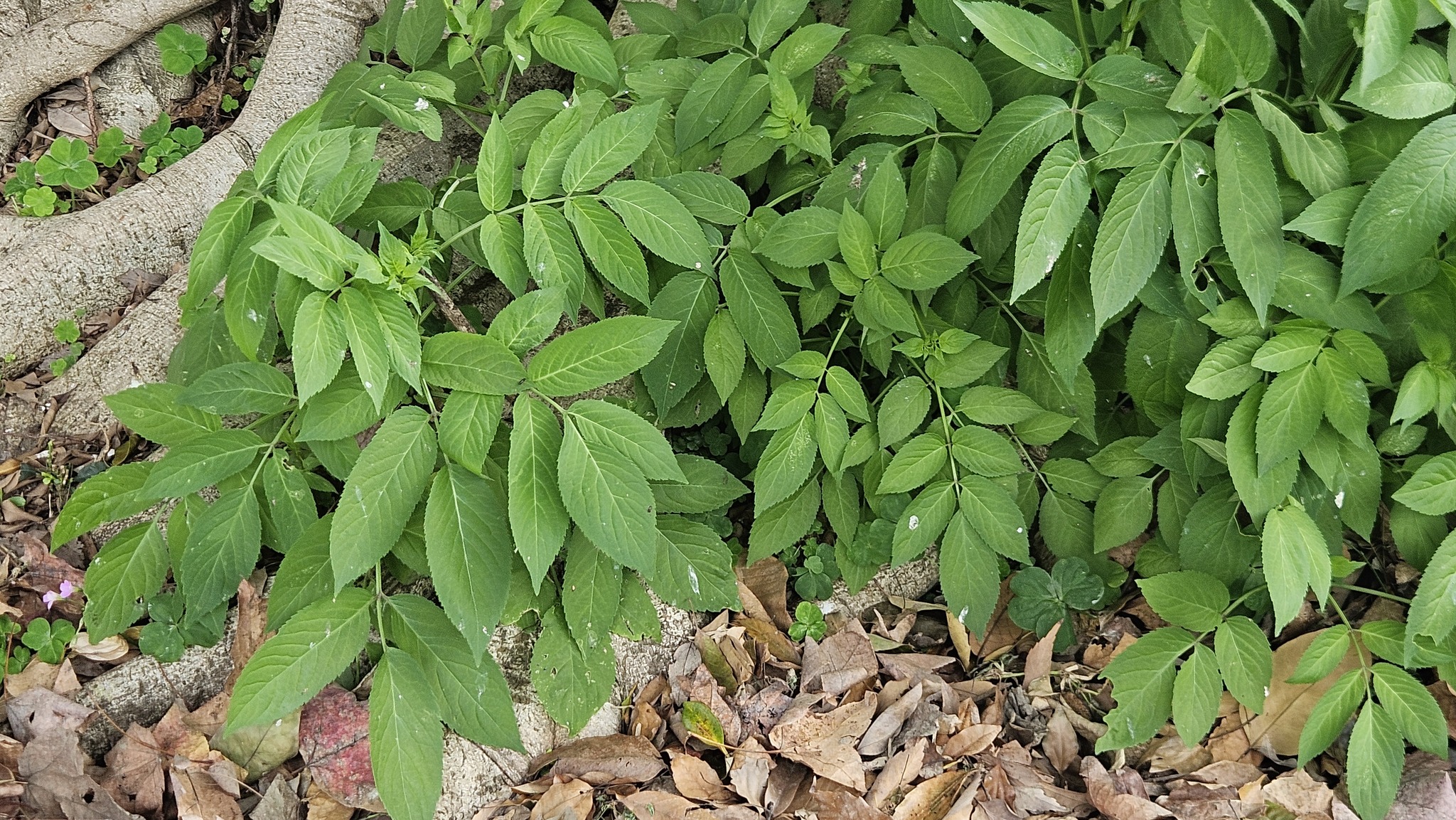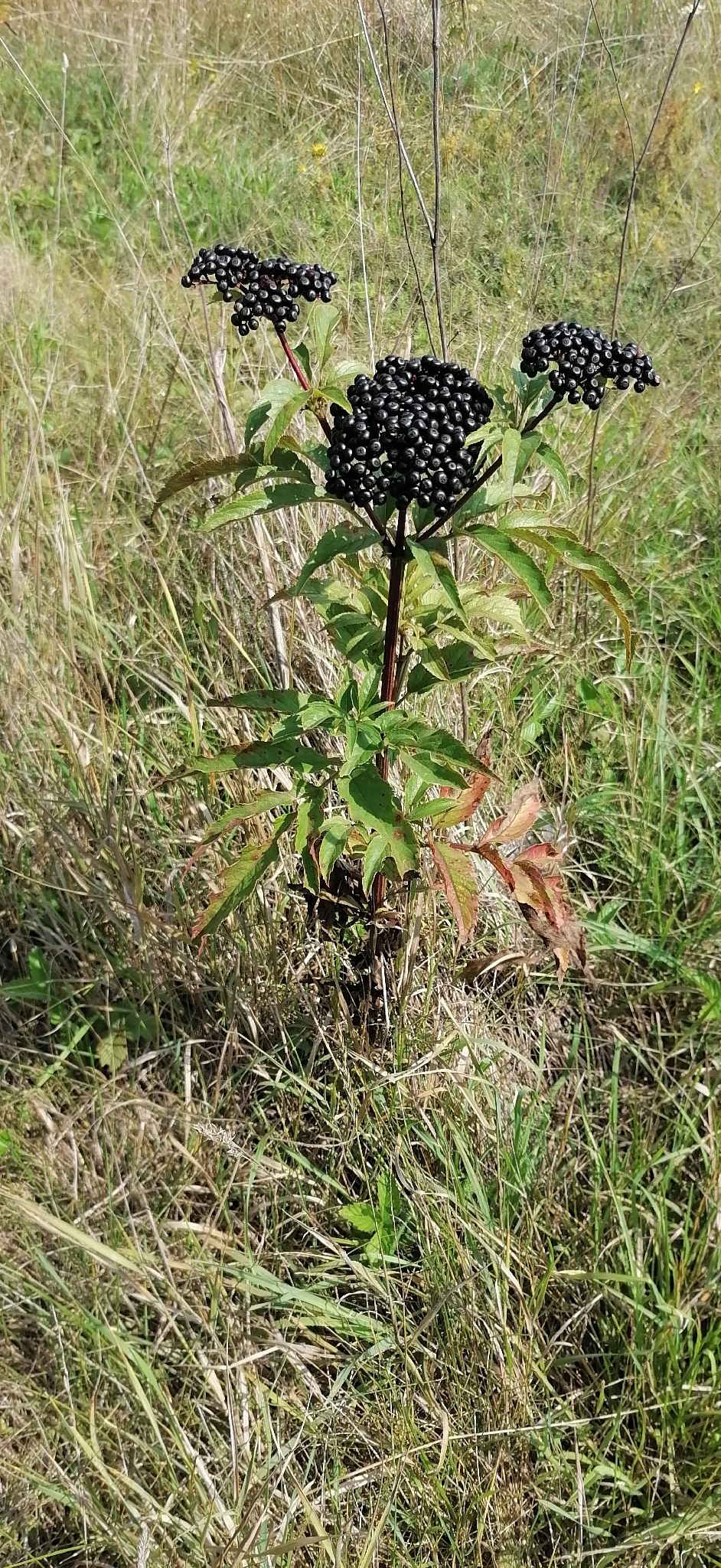
American black elderberry (Sambucus canadensis) is a fast-growing shrub native to eastern North America, producing clusters of white flowers followed by dark purple-black
Above information is sourced from Wikipedia
Sunlight
Full Sun to Part Shade
Watering
Consistent Moisture
Soil
Moist, well-drained
Temperature
Hardy
Fertilizer
Light Feeding
Full Sun to Part Shade
Thrives in full sun for best flowering and fruiting, but tolerates partial shade.
Consistent Moisture
Prefers moist soil, avoid waterlogging. Water deeply during dry spells.
Moist, well-drained
Hardy
Tolerates a wide range of temperatures; hardy in USDA zones 3-9.
Light Feeding
Fertilize in early spring with a balanced fertilizer; avoid over-application.
Plant Type
Shrub, Tree
Plant Category
Fruit, Ornamental
Plant Place Type
Garden, Pot
Lifespan
Perennial
Plant Height
1.8 - 3.7 m
Spread
1.8 - 3.7 m
Growth Rate
Fast
Dormancy
Deciduous
Leaf Color
Green
Leaf Type
Compound
Flower Size
3-5 mm
Optimal Sunlight Lux
60000
Toxic for humans
Yes
Rating: 3/5
Toxic for pets
Yes
Rating: 3/5
Edible
Yes
The roots, stems, leaves, and unripe fruit contain cyanogenic glycosides which can be toxic if ingested. Ripe fruit is edible when cooked.