Water
Water consistently, especially during dry periods. Aim for evenly moist soil, but avoid waterlogging. Allow the top 2-3 cm of soil to dry out slightly between waterings for mature plants.
Reduce watering in cooler months when growth slows.
Also known as Common Ground-Cherry · Common Groundcherry · Long-Leaf Ground-Cherry
Physalis longifolia, the long-leaved groundcherry, is a wild relative of the tomatillo, producing edible, tart fruits enclosed in a papery husk.
At-a-glance light, water, soil, and growing conditions from plant data
Full Sun
100% intensity
Prefers at least 6-8 hours of direct sunlight daily for best growth and fruit production.
Moderate
50% intensity
Keep soil consistently moist, especially during fruiting. Allow surface to dry slightly between waterings.
Well-drained
50% intensity
Moderate
50% intensity
Thrives in temperatures between 18-24°C. Protect from frost.
Outdoor
50% intensity
Low
25% intensity
Benefits from a balanced fertilizer in spring; avoid over-fertilizing.
Safety information from plant toxicity data
| Attribute | Value |
|---|---|
| Toxic for humans | No 0/5 intensity |
| Toxic for pets | No 0/5 intensity |
| Edible | Yes |
The unripe fruit and other plant parts may be toxic.
Key traits and growing stats from plant data
Watering, pruning, propagation, and repotting details from plant data
Water consistently, especially during dry periods. Aim for evenly moist soil, but avoid waterlogging. Allow the top 2-3 cm of soil to dry out slightly between waterings for mature plants.
Reduce watering in cooler months when growth slows.
Prune in late winter or early spring to remove dead, damaged, or crossing branches. This encourages vigorous new growth and helps maintain plant shape.
Pinching back young stems can promote bushier growth and potentially more flowers and fruit.
Easily propagated from seed sown in spring, either directly outdoors or started indoors a few weeks prior. Cuttings can also be taken from softwood or semi-hardwood stems in late spring or early summer and rooted in moist medium.
Young plants may need repotting annually into slightly larger containers. Mature plants, especially those in the ground, rarely require repotting.
If container-grown, repot when roots fill the current pot, typically every 2-3 years, in early spring.
Identify plants like this with ePlant AI
Snap a photo to get care tips and match similar species on the go.
Monthly activity intensity for bloom and fruit across both hemispheres.
Flowering & fruiting calendar
Flowering & fruiting calendar
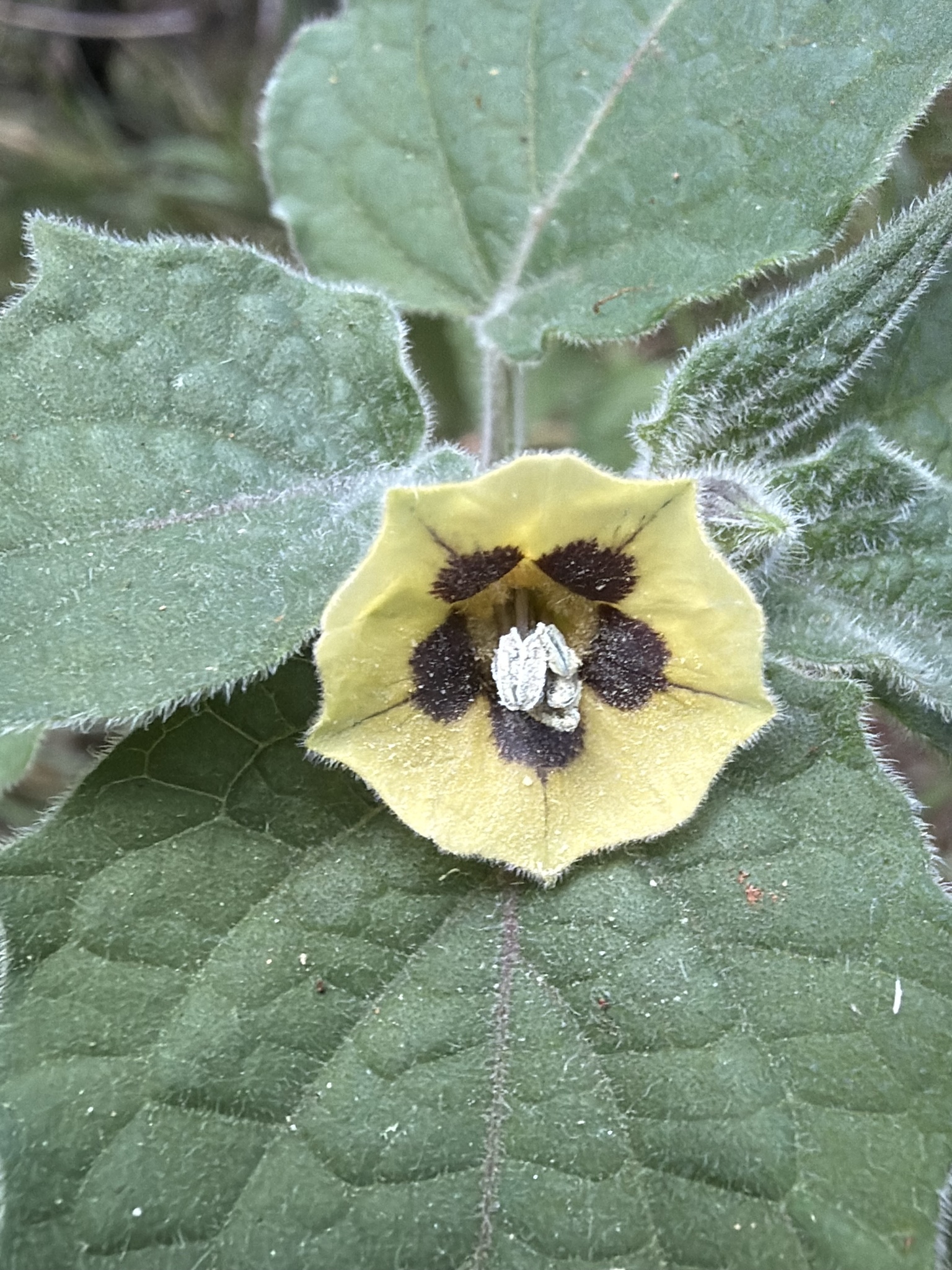
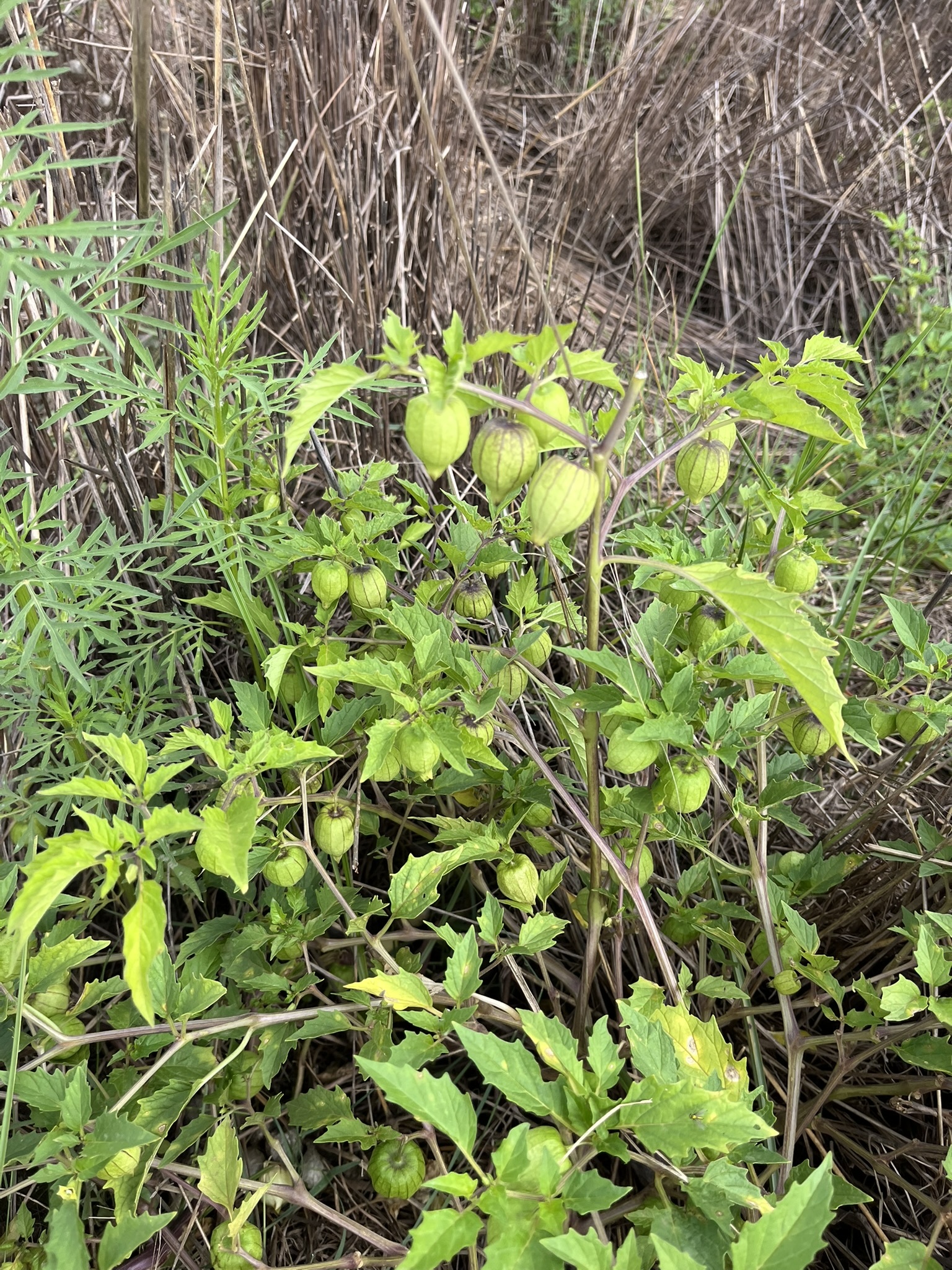
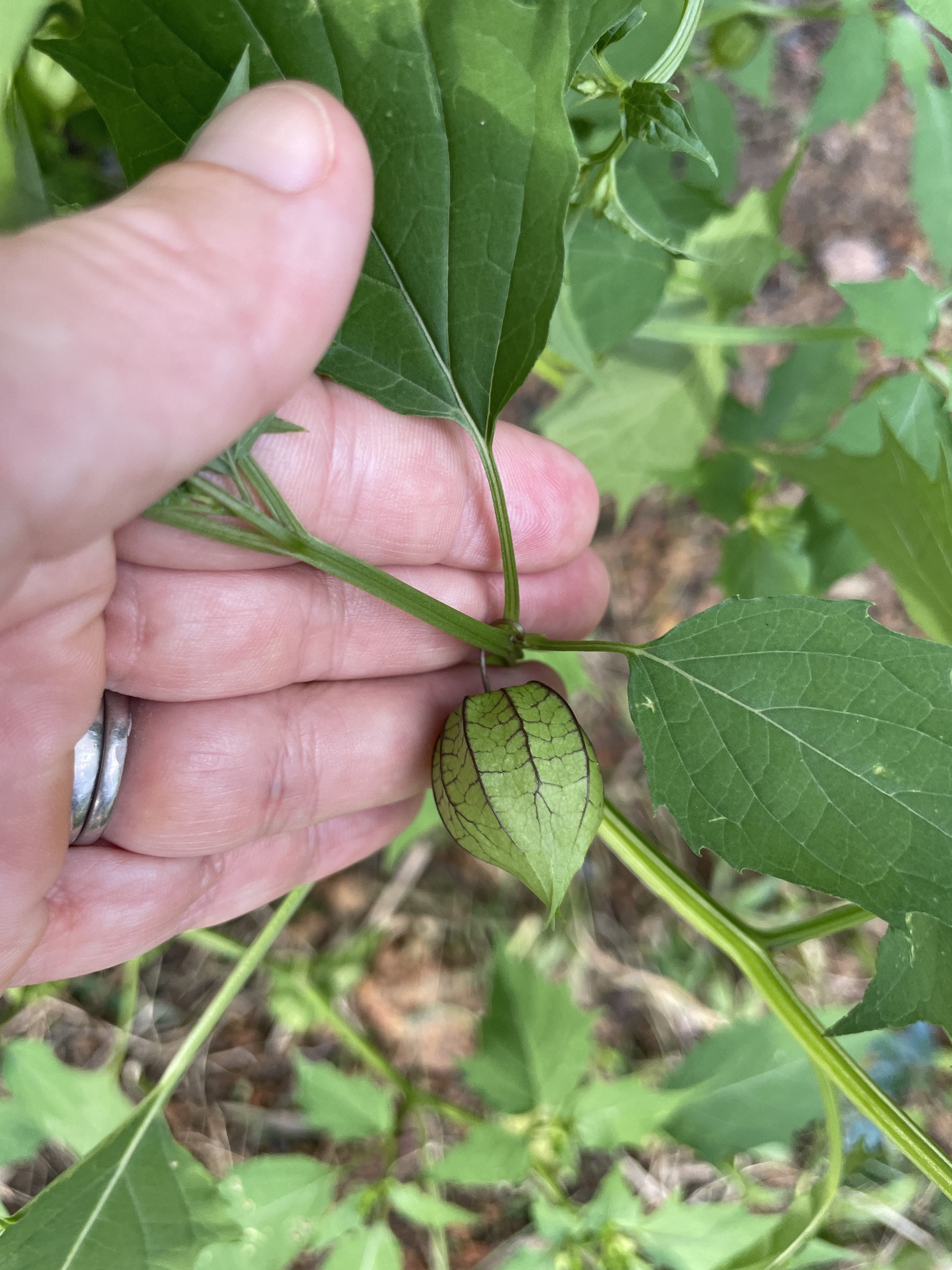
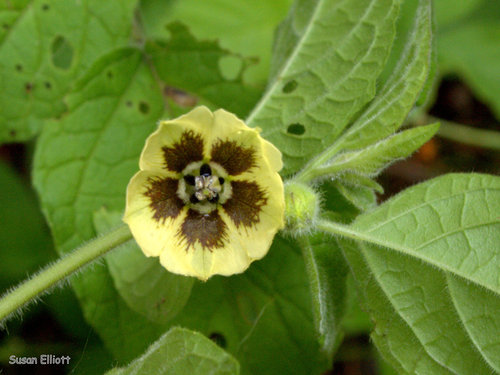
Photos of Long-Leaved Groundcherry (Physalis longifolia)
Where Long-Leaved Groundcherry (Physalis longifolia) is found
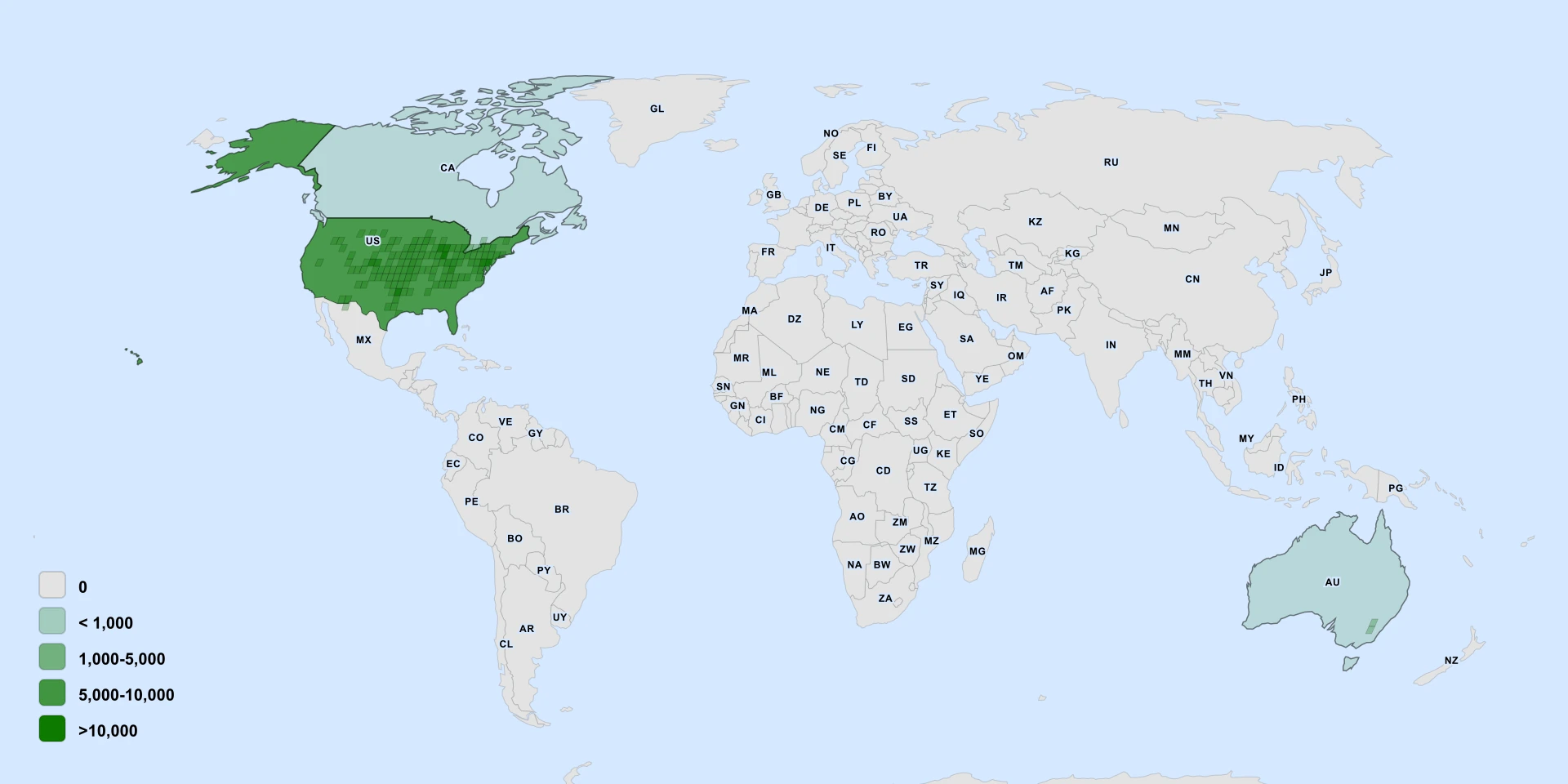
Density
Tap map to explore
Common names and botanical synonyms
Botanical classification
| Rank | Name |
|---|---|
| Kingdom | Plantae |
| Division | Tracheophyta |
| Class | Magnoliopsida |
| Order | Solanales |
| Family | Solanaceae |
| Genus | Physalis |
| Species | Physalis longifolia |
Similar in genus Physalis
Answers based on plant encyclopedia data