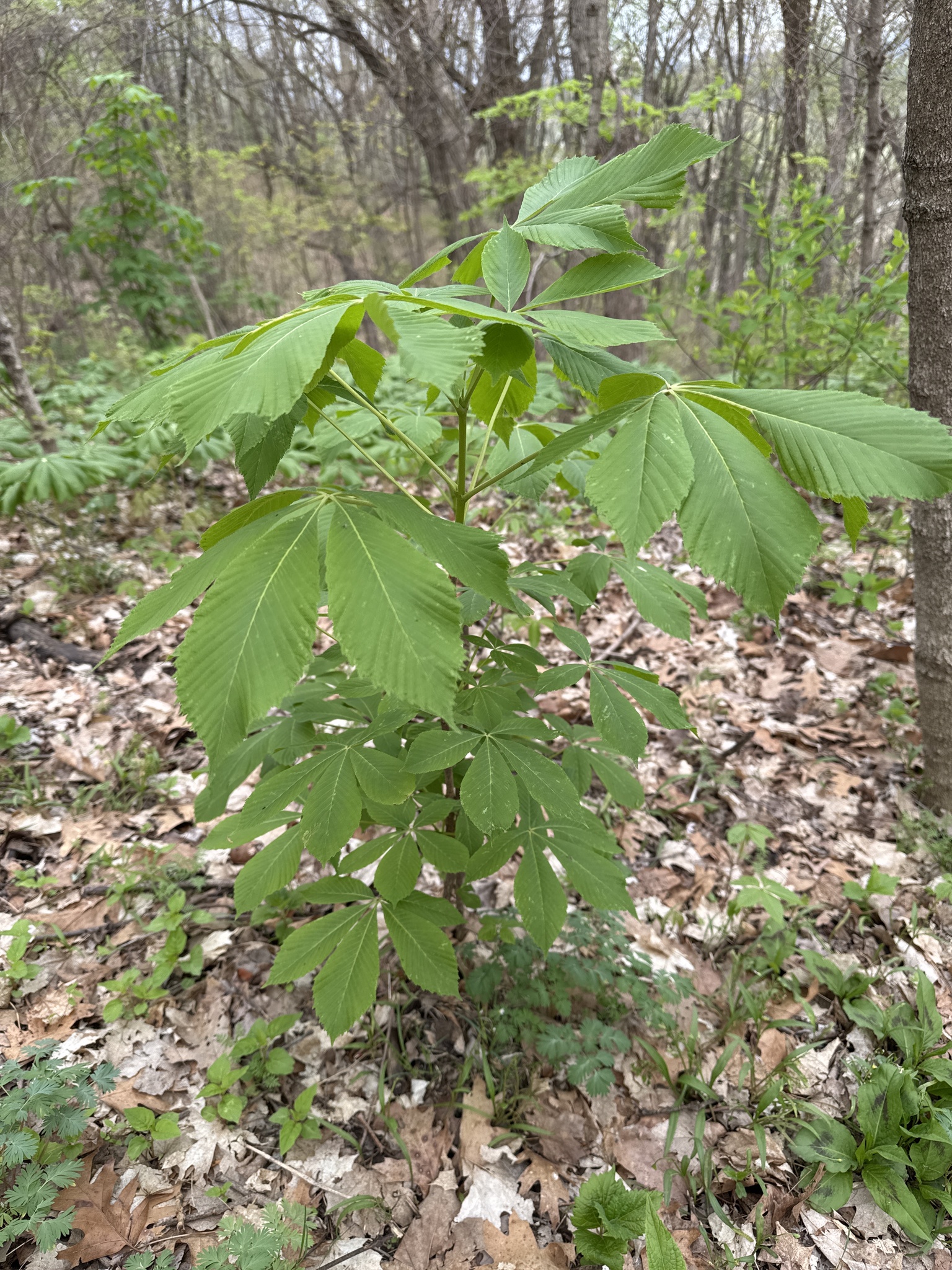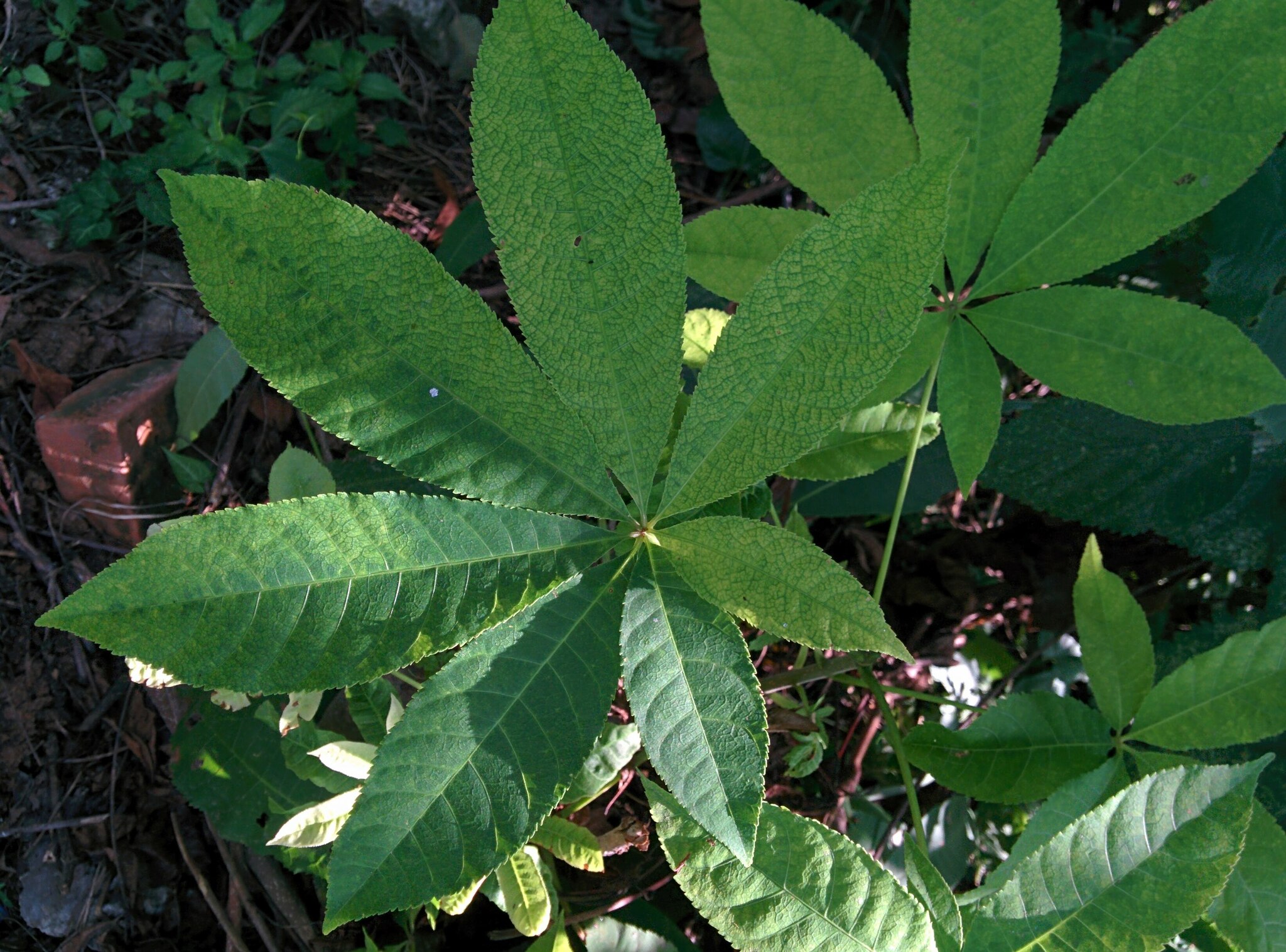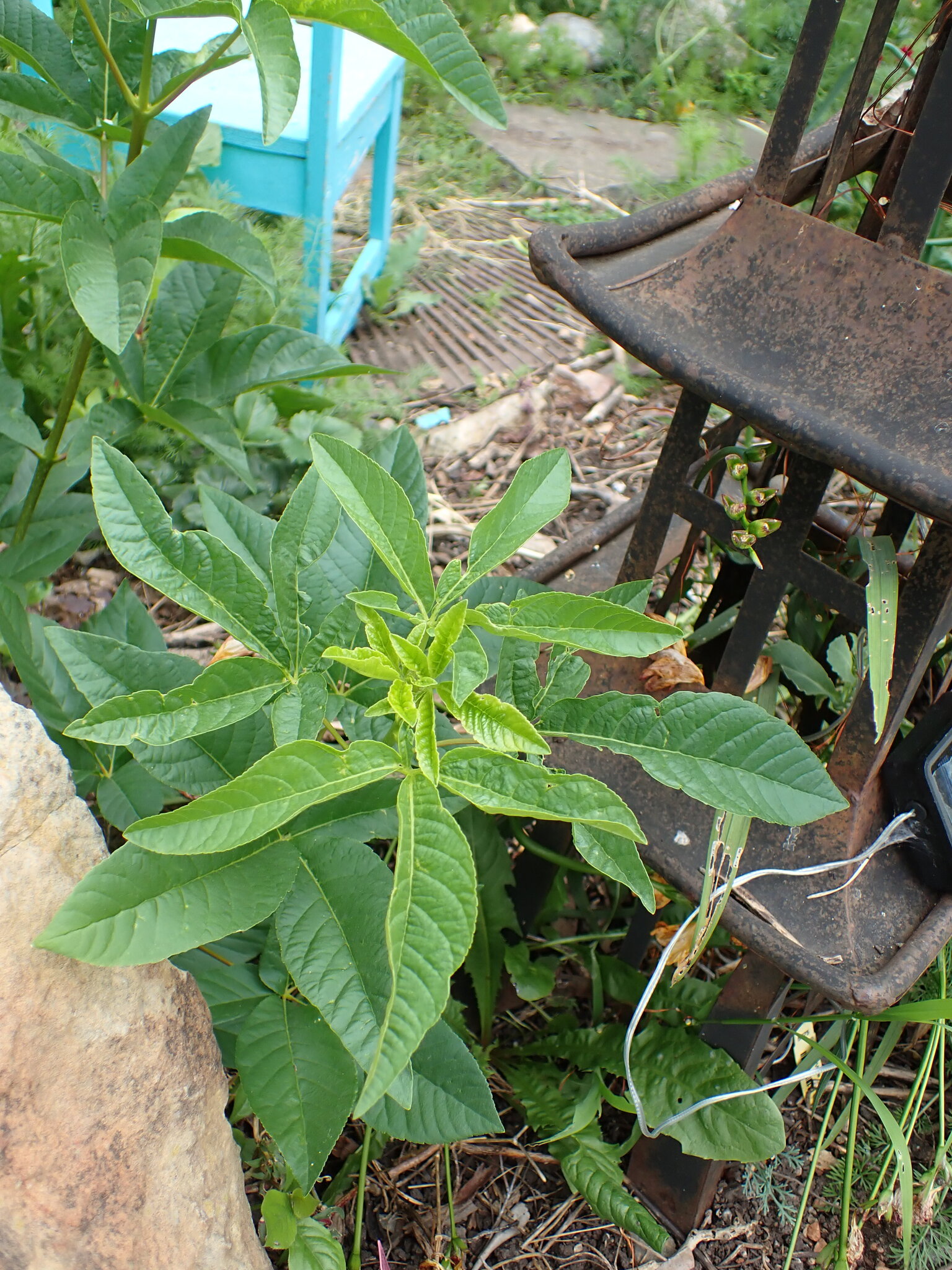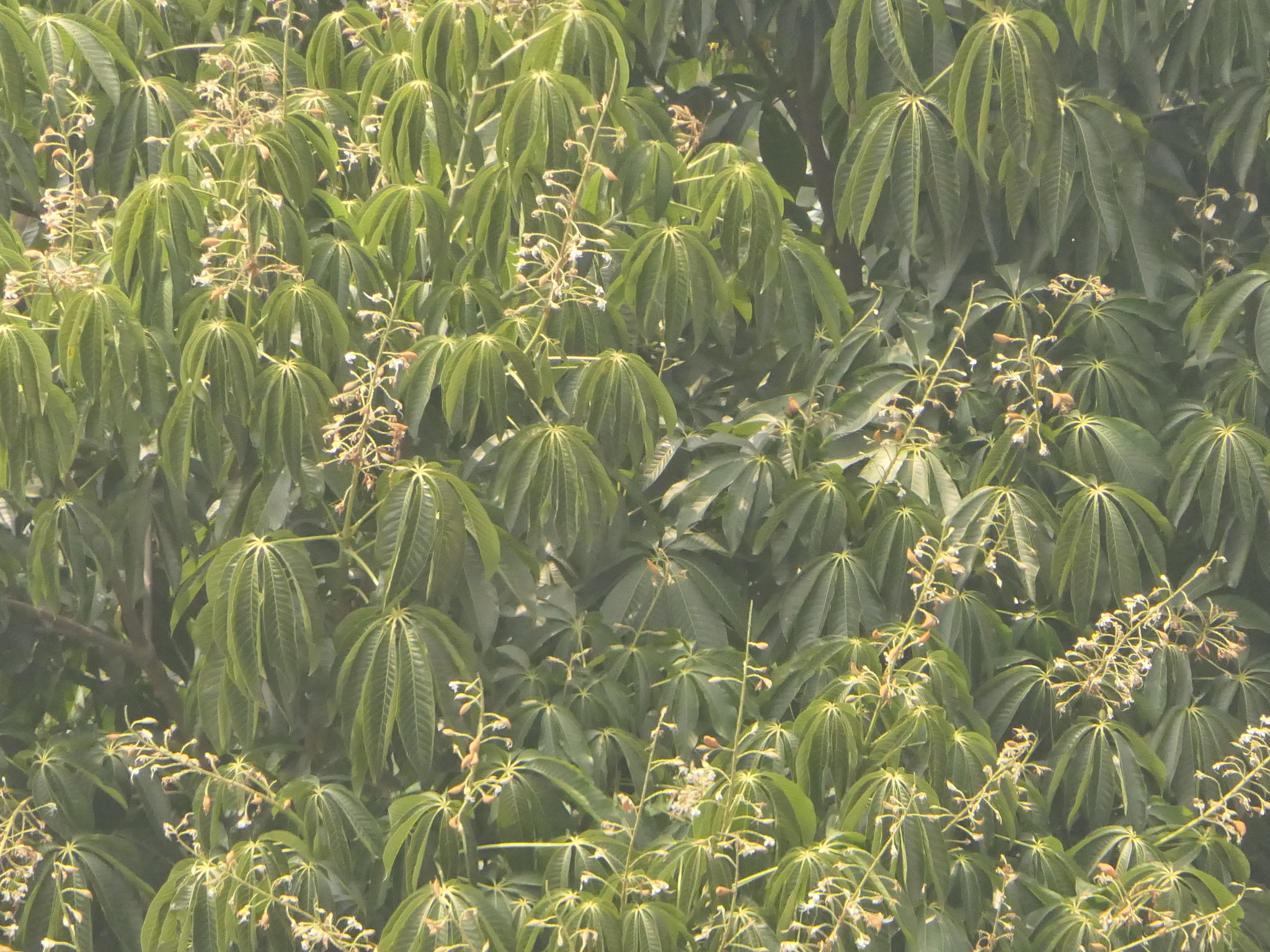
Aesculus hippocastanum, the Horse Chestnut, is a large deciduous tree. It features white flower panicles in spring and produces spiny fruits containing toxic brown seeds.
Above information is sourced from Wikipedia
Sunlight
Full sun to partial shade.
Watering
Regular for young trees, moderate for mature.
Soil
Deep, moist, well-drained, fertile soil.
Temperature
Extremely hardy, tolerates wide range.
Habitat
Outdoor
Fertilizer
Generally not needed for established trees.
Full sun to partial shade.
Regular for young trees, moderate for mature.
Especially during dry periods
Deep, moist, well-drained, fertile soil.
Extremely hardy, tolerates wide range.
Requires cold dormancy
Outdoor
Generally not needed for established trees.
For young trees or poor soil
Plant Type
Tree
Plant Category
Ornamental
Plant Place Type
Ground, Garden
Plant Environment
Outdoor
Lifespan
Perennials
Plant Height
20-30 m
Spread
12-15 m
Growth Rate
Moderate to fast
Dormancy
Winter deciduous
Leaf Color
Green, Yellow-brown
Leaf Type
Palmate-compound
Flower Size
2 cm
Optimal Sunlight Lux
50000
Monthly activity intensity for bloom and fruit across both hemispheres.
Flowering & fruiting calendar
Toxic for humans
Yes
Rating: 8/5
Toxic for pets
Yes
Rating: 8/5
Edible
No
All parts of the Horse Chestnut, especially the seeds (conkers), leaves, and bark, contain toxic compounds such as aesculin and saponins. Ingestion can cause severe gastrointestinal upset, neurological symptoms, depression, and ataxia in humans and animal