White Wood Aster (Eurybia divaricata) – Growing Guide, Care & Benefits | ePlant AI
White Wood Aster (Eurybia divaricata)
Eurybia divaricata, the White Wood Aster, is a perennial forming clumps of white daisy-like flowers in late summer and fall, attracting pollinators.
Eurybia divaricata, commonly known as the White Wood Aster, is a perennial herbaceous plant native to eastern North America. This species is a valuable component of woodland ecosystems, contributing to biodiversity and providing habitat for various wildlife. Its presence often indicates a healthy, established forest environment.
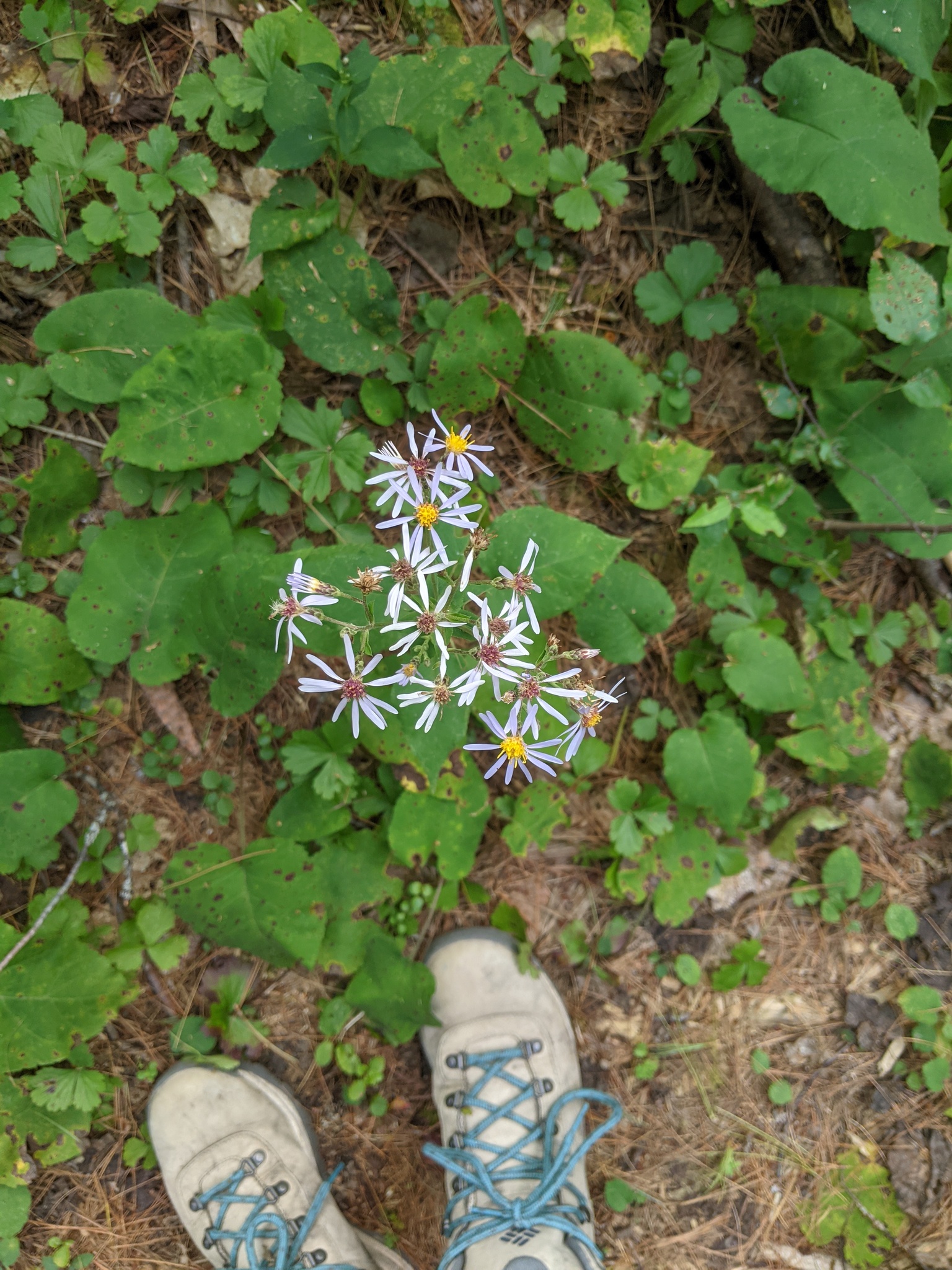
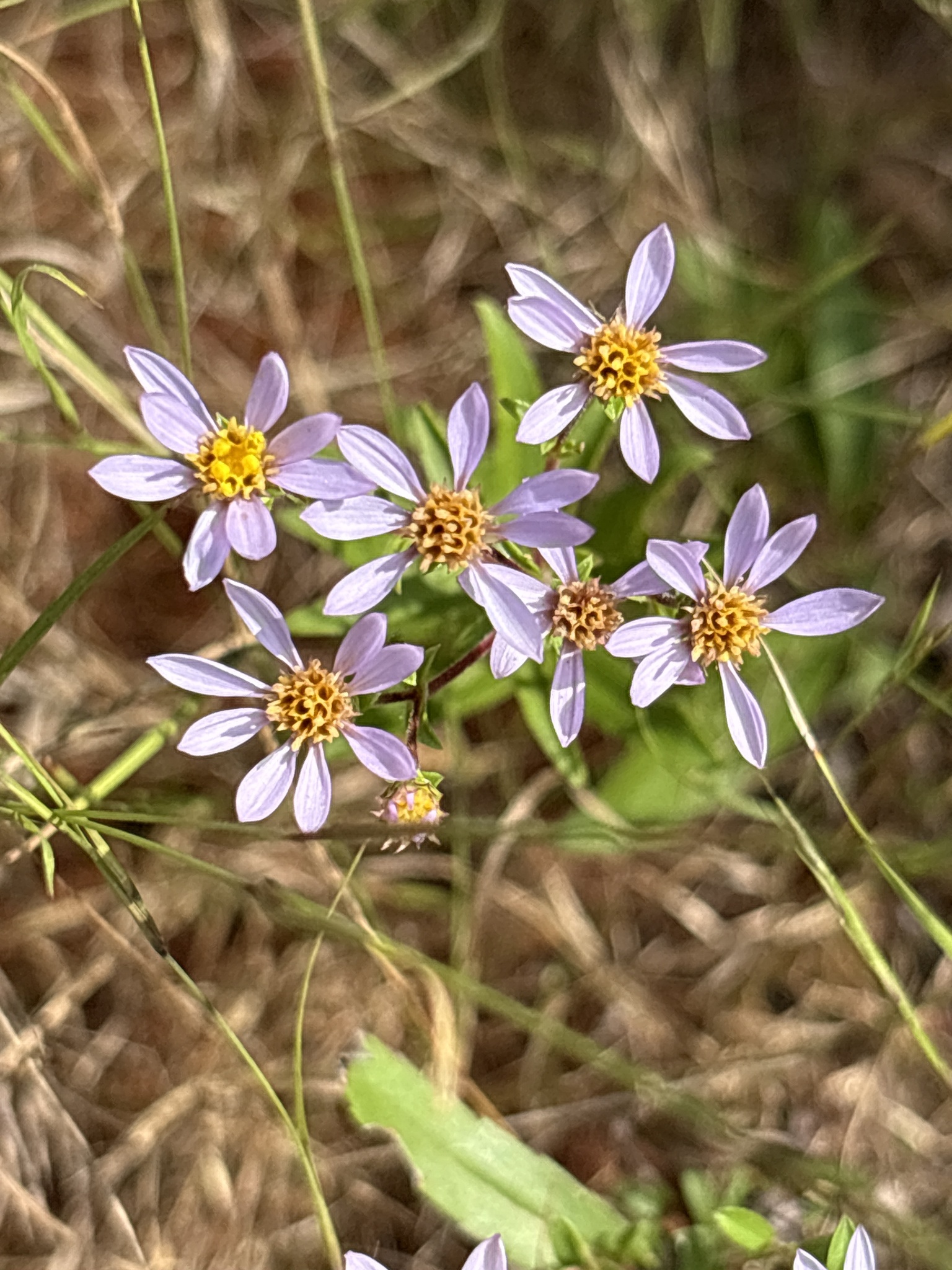
The White Wood Aster typically forms a somewhat sprawling, yet upright, clump reaching heights of 1 to 3 feet. Its stems are slender and often branched, giving the plant a somewhat airy appearance. The leaves are ovate to triangular, with toothed margins and a pointed tip. They are arranged alternately along the stem, with the lower leaves being larger and often heart-shaped at the base, gradually becoming smaller and more lance-shaped towards the top. The foliage is typically a medium to dark green. The plant produces numerous daisy-like flowers, usually about 1 inch in diameter, from late summer through fall. Each flower features white ray florets surrounding a central disc of yellow to yellowish-green disc florets. These flowers are attractive to pollinators, including bees and butterflies. Following flowering, small, dry fruits called achenes develop, which are typically topped with a pappus of bristles, aiding in wind dispersal.
Eurybia divaricata is naturally found in deciduous woodlands, forest edges, and shaded ravines. It thrives in moist, well-drained soils rich in organic matter. Its native range extends across much of the eastern United States and southeastern Canada. In cultivation, it prefers partial to full shade, although it can tolerate some morning sun. It is adaptable to a range of soil types, provided they are not waterlogged. The White Wood Aster is generally considered a low-maintenance plant, requiring minimal care once established. It is hardy and can withstand a variety of environmental conditions within its native range.
The ecological significance of Eurybia divaricata lies in its role as a food source and habitat for native fauna. Its flowers provide nectar and pollen for pollinators during a time when many other flowering plants may have finished their bloom. The seeds and foliage can also be utilized by small mammals and birds. Ornamentally, the White Wood Aster is appreciated for its late-season bloom, adding a touch of delicate white to shaded garden areas. It is well-suited for naturalistic plantings, woodland gardens, and as a groundcover in shady conditions. Its ability to naturalize makes it a good choice for creating a woodland feel.
An interesting characteristic of Eurybia divaricata is its ability to tolerate dry shade once established, a trait that makes it particularly useful in challenging garden situations. The branching habit of its stems contributes to its somewhat informal and naturalistic appearance, blending seamlessly into woodland settings. The persistent dried flower heads can also offer some visual interest in the winter landscape.
Prefers well-drained, humus-rich soil. Tolerates a range of soil types, including clay and sandy soils, if amended.
Temperature
Thrives in moderate temperatures.
Habitat
Outdoor
Fertilizer
Feed in early spring with a balanced fertilizer.
Care Requirements
Light
Prefers partial to full shade.
Avoid intense afternoon sun.
Water
Keep soil consistently moist but not waterlogged.
Water more frequently during dry spells.
Soil
Prefers well-drained, humus-rich soil. Tolerates a range of soil types, including clay and sandy soils, if amended.
Temperature
Thrives in moderate temperatures.
Ideal range 15-24°C.
Habitat
Outdoor
Fertilizer
Feed in early spring with a balanced fertilizer.
Avoid over-fertilizing.
Plant Overview
Plant Type
Herb
Plant Category
Flowering, Ornamental
Plant Place Type
Ground, Garden
Plant Environment
Outdoor
Lifespan
Perennials
Plant Height
0.3-1 m
Spread
0.5-1 m
Growth Rate
Moderate
Dormancy
Seasonal
Leaf Color
Green
Leaf Type
Simple
Flower Size
2-3 cm
Image Gallery
Flowering & Fruiting Cycles
Monthly activity intensity for bloom and fruit across both hemispheres.
Northern hemisphere
Flowering & fruiting calendar
Peak bloom · OctPeak fruit · Nov
FloweringFruiting
Southern hemisphere
Flowering & fruiting calendar
Peak bloom · OctPeak fruit · Nov
FloweringFruiting
Synonyms
Aster boykinii E.S.Burgess
Aster carmesinus E.S.Burgess
Aster castaneus E.S.Burgess
Aster claytonii E.S.Burgess
Aster divaricatus L.
Aster elatus Bertero ex Steud.
Aster excavatus E.S.Burgess
Aster fischeri Kuntze
Aster flexilis E.S.Burgess
Aster stilettiformis E.S.Burgess
Aster tenebrosus E.S.Burgess
Biotia corymbosa DC.
Eurybia corymbosa Cass.
Leiachenis corymbosa Raf.
Linosyris divaricata DC.
Taxonomy
kingdomPlantae
divisionTracheophyta
classMagnoliopsida
orderAsterales
familyAsteraceae
genusEurybia
speciesEurybia divaricata
Toxicity
Toxic for humans
No
Rating: 0/5
Toxic for pets
No
Rating: 0/5
Edible
No
Additional Care Tips
Water consistently to keep the soil moist but not soggy. Reduce watering in cooler months or when the plant is dormant.
Deadhead spent flowers to encourage reblooming and maintain a tidy appearance. Cut back the plant in late fall or early spring to remove dead foliage and promote new growth.
Easily propagated by division in early spring or fall. Seeds can be sown in fall or stratified and sown in spring, though division is more reliable for true-to-type plants.
Not typically a container plant, but if grown in a pot, repot every 2-3 years in spring to refresh the soil and prevent root-bound conditions. Use a well-draining potting mix.
FAQs
When is the best time to plant White Wood Aster?
The best time to plant Eurybia divaricata is in early spring or early fall, allowing the plant to establish its roots before extreme weather conditions.
How much sun does Eurybia divaricata need?
Eurybia divaricata thrives in partial shade to full shade conditions. It can tolerate some morning sun but should be protected from harsh afternoon sun, which can scorch its leaves.
Does White Wood Aster spread aggressively?
While it can spread moderately via rhizomes, Eurybia divaricata is generally not considered aggressively invasive. Regular division can help manage its spread and rejuvenate the plant.
What kind of soil is best for White Wood Aster?
This aster prefers well-drained, humus-rich soil. It is adaptable to various soil types, including clay and sandy soils, provided they are amended for better drainage and fertility.
Are there any special care requirements for White Wood Aster?
Ensure consistent moisture, especially during dry periods. Deadheading spent flowers can prolong the bloom period and maintain a neat appearance. Cut back dead foliage in late fall or early spring.